
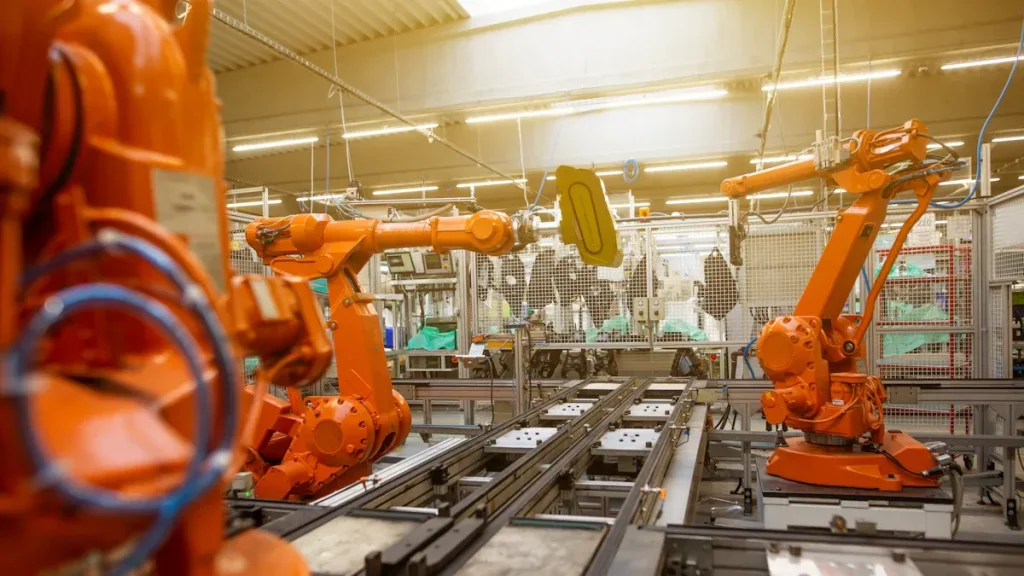
Roll-to-roll continuous etching revolutionizes battery production by enhancing efficiency, precision, and sustainability. This innovative technology enables you to produce high-quality battery components at a significantly faster pace. With the growing global demand for new energy batteries, this method plays a crucial role in meeting those needs. You can expect reduced costs and improved product consistency, making it an essential solution for the future of energy storage manufacturing.
As the adoption of this technology increases, regions like North America and Asia Pacific lead the way, showcasing its transformative impact on the industry.
Key Takeaways
Roll-to-roll continuous etching boosts battery production efficiency by allowing for high-speed, automated manufacturing.
This technology enhances product quality with precision alignment, reducing defects and ensuring consistent performance.
Sustainability is a major benefit, as the process eliminates solvents and minimizes waste, contributing to eco-friendly practices.
The method supports scalability, making it easier to meet the growing demand for new energy batteries without compromising quality.
Integration with other manufacturing techniques streamlines workflows, further improving production speed and cost-effectiveness.
Understanding Roll-to-Roll Continuous Etching
Process Overview
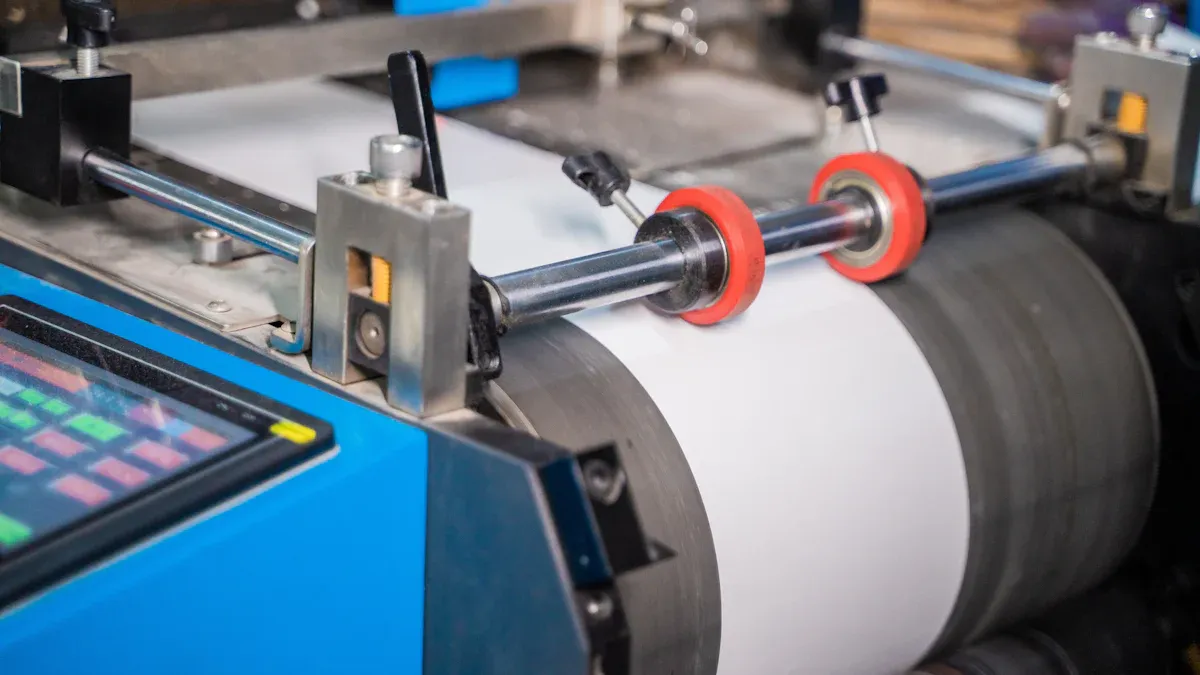
Roll-to-roll continuous etching, often referred to as R2R processing, is a cutting-edge technique that allows for the efficient production of battery components. This method involves feeding a continuous roll of material through a series of etching stations. Each station applies precise patterns to the material, creating intricate designs essential for battery functionality. The process is highly automated, which minimizes manual intervention and enhances overall production speed.
The roll-to-roll dry coating process integrates seamlessly with other manufacturing techniques. You can combine it with electroplating, laser cutting, and molding to create a streamlined workflow. This integration not only reduces production time but also ensures that each component meets stringent quality standards.
Precision and Quality Control
Precision is a hallmark of roll-to-roll continuous etching. The technology boasts alignment capabilities of ±0.005mm, ensuring that every component produced is accurate and consistent. This level of precision is critical in battery manufacturing processes, where even minor deviations can lead to performance issues.
Moreover, the process eliminates burrs, which are often a concern in traditional etching methods. By producing components with zero burrs, you enhance the reliability and longevity of the batteries. This focus on quality control translates into lower defect rates and improved product consistency, making roll-to-roll continuous etching a preferred choice for manufacturers.
Advantages in Battery Production
Efficiency Gains
Roll-to-roll manufacturing significantly enhances efficiency in battery production. This method allows you to produce components continuously, which reduces downtime and accelerates the overall manufacturing process. By streamlining operations, you can achieve scalable production that meets the increasing demand for batteries.
The high-throughput capabilities of roll-to-roll continuous etching enable you to create interconnected structures efficiently. This scalability is crucial for high-volume applications, ensuring that you can meet market needs without compromising quality. As a result, you can expect lower production costs and improved profit margins.
Sustainability Benefits
Sustainability is a key advantage of roll-to-roll continuous etching. This process eliminates the need for solvents, which reduces environmental impacts significantly. Here are some notable sustainability benefits:
Elimination of solvents: This reduces harmful emissions and enhances workplace safety.
Improved energy efficiency: The manufacturing process consumes less energy, contributing to a smaller carbon footprint.
Enhanced stability: Next-generation batteries benefit from increased energy density, leading to better performance.
Prevention of undesirable reactions: Solvent-free processes avoid negative interactions between solvents and solid electrolytes, ensuring battery longevity.
Moreover, roll-to-roll processes significantly reduce material waste compared to traditional batch methods. By optimizing raw material usage, you minimize scrap and enhance sustainability. This waste reduction not only lowers costs but also aligns with global efforts to create more eco-friendly manufacturing practices.
Applications in Electrodes and Batteries
Electrode Fabrication
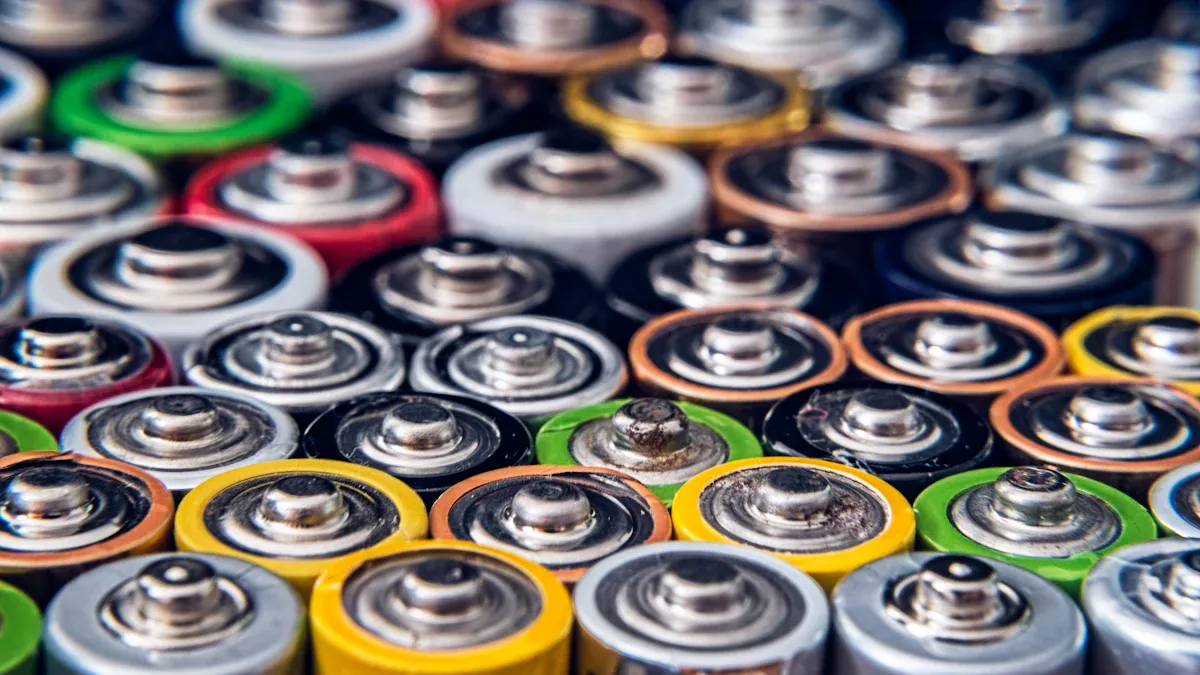
Roll-to-roll continuous etching significantly enhances advanced electrode manufacturing for lithium-ion and solid-state batteries. This method supports scalability, allowing you to easily increase production to meet market demands. The cost efficiency of R2R processing reduces labor costs and production time, leading to lower overall expenses. Additionally, this technology facilitates the integration of advanced materials, which improves battery performance, energy density, and safety.
You can expect lightweight and high-precision battery components from this innovative approach. The precision of roll-to-roll etching ensures that every electrode meets stringent specifications. This capability is essential for producing high-performance lithium-ion batteries that require exact dimensions and properties.
Battery Component Integration
The compatibility of roll-to-roll continuous etching with flexible batteries and emerging energy storage solutions is remarkable. You can produce components that are not only lightweight but also adaptable to various applications. This flexibility opens doors for new designs and functionalities in battery technology.
Material Type | Water Consumption Reduction | |
|---|---|---|
Copper | Up to 98% | Up to 91% |
Aluminum | Up to 99% | Up to 98% |
By utilizing roll-to-roll processes, you contribute to a more sustainable future. The significant reductions in CO₂ emissions and water consumption align with global efforts to create eco-friendly manufacturing practices. As you embrace this technology, you position yourself at the forefront of the energy storage industry, ready to meet the challenges of tomorrow.
“The integration of roll-to-roll continuous etching in battery production is a game-changer. It not only enhances efficiency but also supports the development of next-generation energy storage solutions.” – Industry Expert
Challenges and Future Outlook
Technical Challenges
Despite the advantages of roll-to-roll continuous etching, several technical challenges hinder its widespread adoption in battery manufacturing. Here are some key issues you may encounter:
Challenge | Description |
|---|---|
Web tension control | Ensuring that flexible substrates remain stable without excessive stretching or slack. |
Positioning accuracy | Preventing lateral drift or misalignment, which can cause defects. |
Periodic disturbances | Addressing errors introduced by roller imperfections, mechanical vibrations, or environmental changes. |
Material variability | Managing materials with varying mechanical properties, such as viscoelasticity in thin films. |
These challenges require ongoing research and development to ensure that roll-to-roll processes can meet industry standards and certification requirements effectively.
Innovation Trends
Looking ahead, advancements in roll-to-roll continuous etching promise to enhance the cost and performance of next-generation battery systems. For instance, innovations in coating methods, particularly for fuel cells, indicate that these processes can improve scalability and efficiency. This could lead to significant reductions in manufacturing costs and enhancements in performance metrics for battery components.
Moreover, studies on acid etching of stainless-steel foils reveal a scalable surface-engineering strategy compatible with roll-to-roll processing. This method can produce corrosion-resistant and conductive current collectors, essential for large-scale fabrication in future energy storage systems.
As researchers explore hybrid approaches that combine top-down and bottom-up techniques, the focus on roll-to-roll manufacturing continues to grow. Emerging technologies, such as plasma-enhanced chemical vapor deposition (CVD), aim to optimize etching parameters using machine learning, paving the way for enhanced industrial deployment. These innovations will likely position roll-to-roll continuous etching as a cornerstone of next-generation battery systems.
“The future of roll-to-roll continuous etching in energy storage manufacturing looks promising, with ongoing innovations set to redefine production capabilities.” – Industry Expert
Roll-to-roll continuous etching is a game-changer for new energy battery production. This technology enhances efficiency, sustainability, and product quality, making it essential for the future of energy storage manufacturing.
Consider the following examples of companies leveraging this innovation:
Company | Innovation | Impact |
|---|---|---|
CATL | High-density lithium iron phosphate (LFP) batteries | Enhanced safety, longer life cycles, lower cost, global partnerships |
BYD | Blade Battery technology | Exceptional safety features, reduced thermal runaway risks, increased domestic and international sales |
As you explore roll-to-roll continuous etching, recognize its potential to reshape the energy landscape and meet the growing demands for sustainable battery solutions.
FAQ
What is roll-to-roll continuous etching?
Roll-to-roll continuous etching is a manufacturing process that produces battery components by feeding a continuous roll of material through etching stations. This method allows for high precision and efficiency in creating intricate designs.
How does roll-to-roll etching improve battery production?
This technology enhances battery production by increasing efficiency, reducing costs, and ensuring high-quality components. It allows for scalable manufacturing, meeting the growing demand for new energy batteries.
What are the sustainability benefits of this technology?
Roll-to-roll continuous etching eliminates solvents, reducing harmful emissions. It also minimizes material waste and energy consumption, contributing to a smaller carbon footprint and promoting eco-friendly manufacturing practices.
Can roll-to-roll etching be integrated with other processes?
Yes, roll-to-roll continuous etching integrates seamlessly with processes like electroplating, laser cutting, and molding. This integration streamlines production workflows and enhances overall efficiency.
What challenges does roll-to-roll continuous etching face?
Key challenges include web tension control, positioning accuracy, and material variability. Ongoing research aims to address these issues and improve the technology’s adoption in battery manufacturing.
See Also
The Impact of Precision Metal Strips on Electronics
Essential Metal Coatings for Your 304 Stainless Steel Strips