
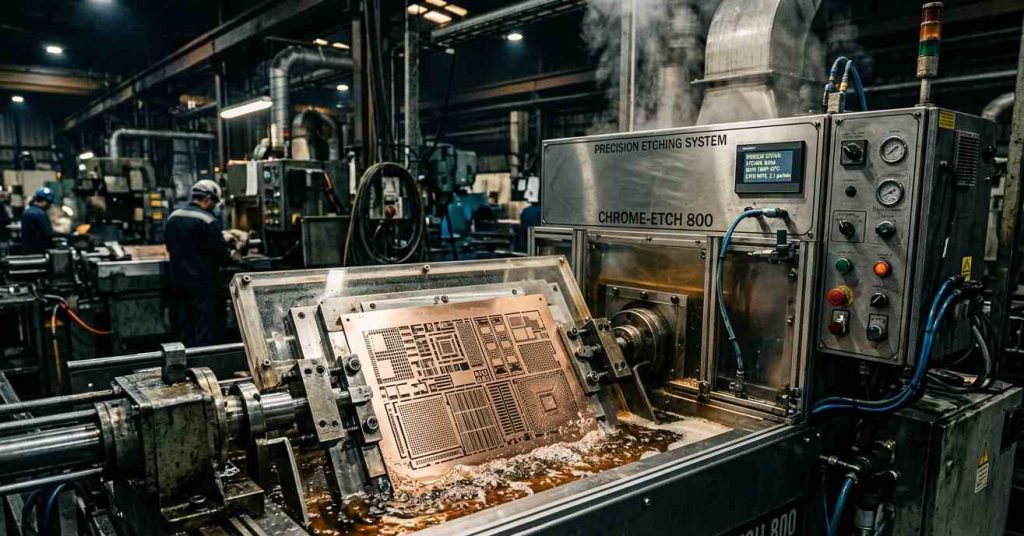
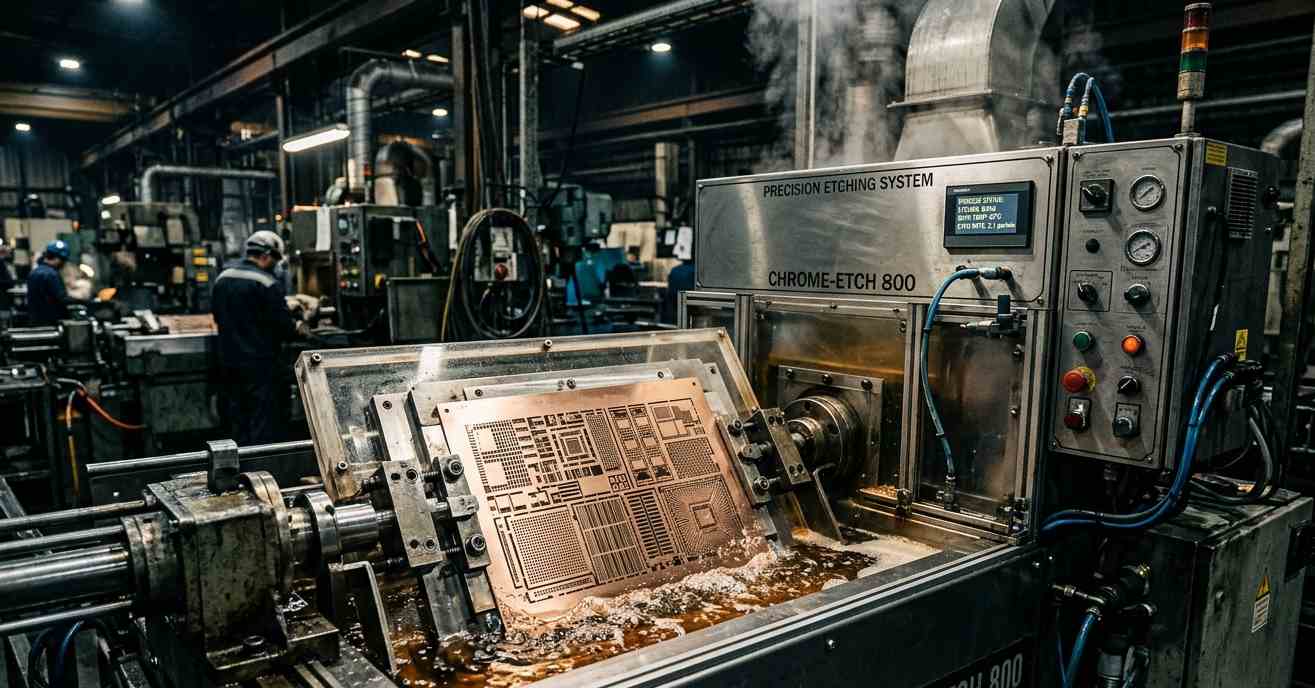
When you pick materials for smart wearables, you affect how well they work and last. High-precision 316 stainless steel strip parts are a great option. They have strong strength and resist rust. This helps your devices handle everyday use. Choosing this material makes your wearables last longer and feel better to use. With dependable materials, you can be sure your smart devices will work well. They keep you connected and informed.
Key Takeaways
High-precision 316 stainless steel strip parts make smart wearables stronger and better. They help devices last longer and work well.
The corrosion resistance of 316 stainless steel is great for wearables. It protects them from sweat and moisture, keeping them reliable during workouts.
316 stainless steel is safe for your skin. It reduces irritation and is comfortable for daily use.
New manufacturing methods improve smart wearables’ quality. This leads to saving money and making them faster.
Choosing wearables made with 316 stainless steel means you get quality devices. They help you stay connected and informed about your health.
316 Stainless Steel Properties
Corrosion Resistance
Corrosion resistance is a key feature of 316 stainless steel. This material has chromium, which creates a protective layer against rust. It works really well in tough places, like the ocean. In saltwater, it only loses 0.03mm of thickness every ten years. This is 15 times better than aluminum alloys. This strength makes it perfect for smart wearables that face sweat and moisture.
Here’s a quick comparison of the corrosion resistance of 316 stainless steel with other materials:
Material | Corrosion Resistance |
|---|---|
316 Stainless Steel | Superior |
Aluminum | Moderate |
Titanium | Excellent |
Biocompatibility
Biocompatibility is very important for wearables that touch your skin. 316 stainless steel has low nickel release, so it is safer for sensitive skin. This means you can wear smartwatches and fitness trackers without worrying about irritation. The material meets industry standards, making it good for medical uses too.
Applications in Smart Wearables
Biosensors
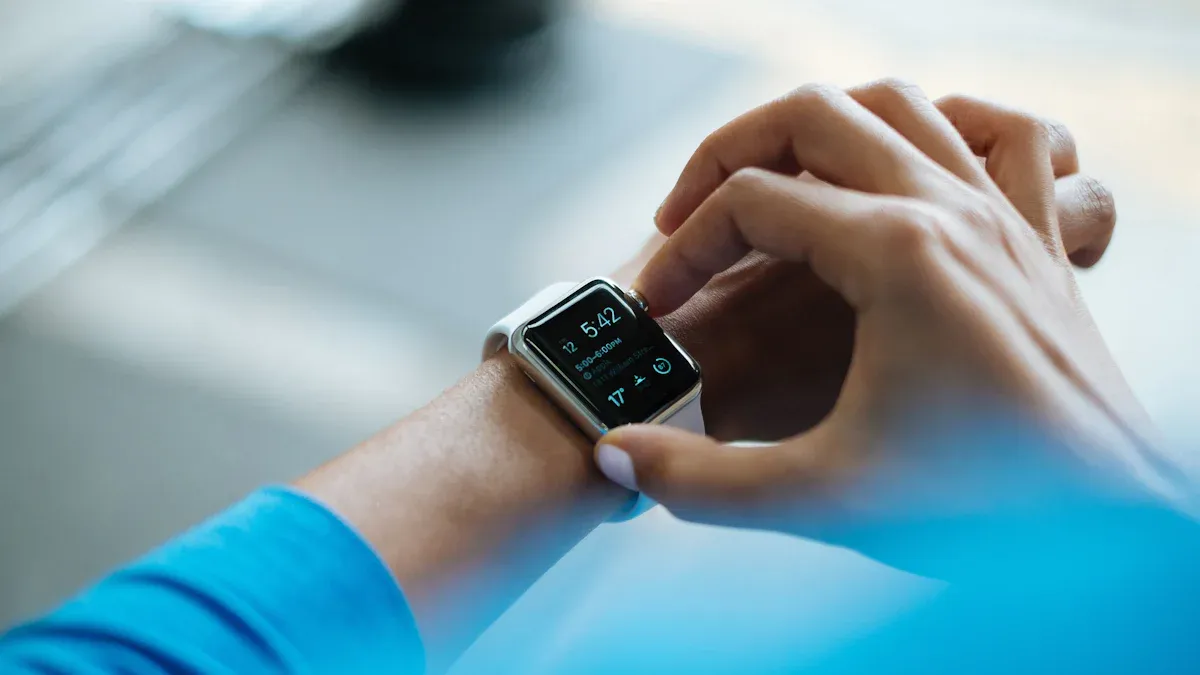
Biosensors are very important in smart wearables. They help you check your health, like heart rate and hydration. Using 316 stainless steel strip parts makes these devices work better. This material resists rust, so biosensors stay working in tough places, like during workouts or in humid air.
You can trust that 316 stainless steel strip parts will stay strong over time. Studies show that biofilm on 316L stainless steel can affect how well it resists rust. For example, S. mutans can create a thick biofilm, which might cause more rust with germs around. Still, 316 stainless steel is strong and a good choice for long-lasting biosensors.
Continuous Health Monitoring
Continuous health monitoring is a key feature of today’s smart wearables. Devices with 316 stainless steel strip parts can give you real-time health data. This helps you reach fitness goals and manage health issues better.
The safety and biocompatibility of 316 stainless steel are important for wearables that touch your skin. Rules like ISO 13485 and FDA 510(k) make sure materials in medical devices are safe and work well. The table below shows the properties of 316L stainless steel and its compliance with regulations:
Material Type | Properties | Regulatory Compliance |
|---|---|---|
316L Stainless Steel | Excellent corrosion resistance, biocompatibility | ISO 13485, FDA 510(k) |
By using 316 stainless steel strip parts, makers can build smart wearable biosensors that are effective and safe for daily use. This material can handle sweat and moisture, making it perfect for health monitoring. You can wear these devices confidently, knowing they will work well over time.
Benefits of High Precision Manufacturing
Enhanced Durability
High-precision manufacturing makes smart wearables much stronger. Using 316 stainless steel strip parts gives you many benefits. These benefits help your devices last longer. The careful way of making these parts means they follow strict quality rules. This leads to dependable performance over time.
Here are some important features that show how durable high-precision parts are:
Feature | Description |
|---|---|
Makes wearables last longer | |
Corrosion Resistance | Important for daily use and different environments |
Dimensional Stability | Keeps parts in shape and fitting well over time |
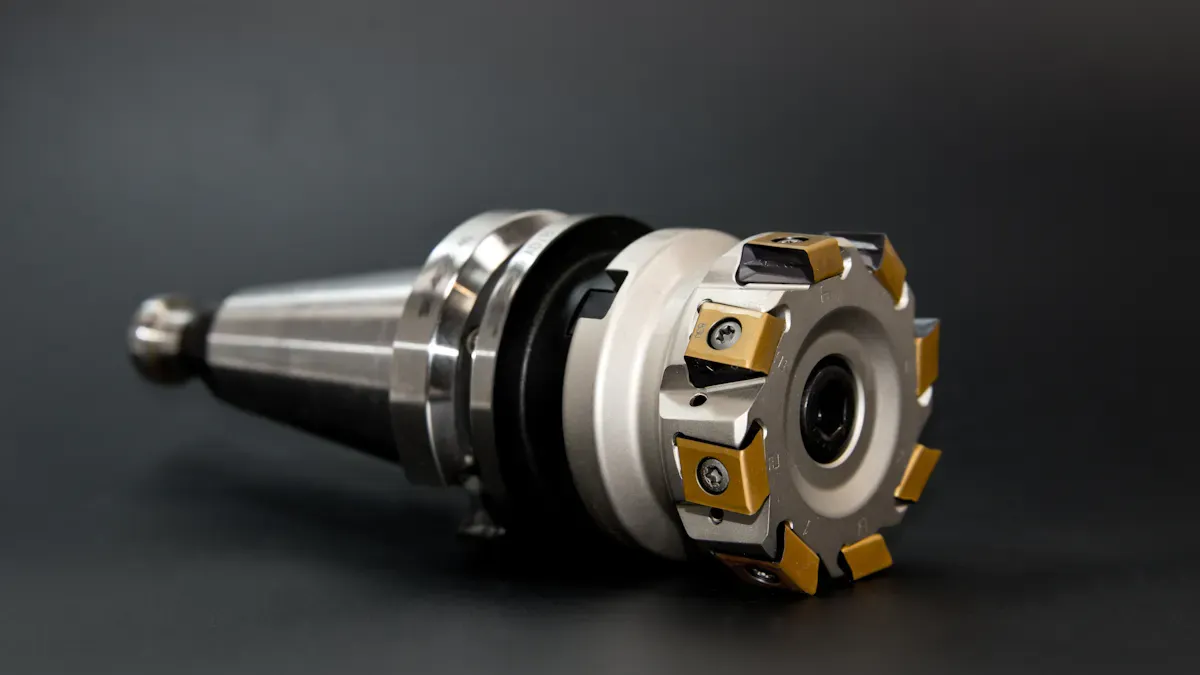
With these features, your smart wearables can handle daily use. The advanced ways of making these parts also allow for detailed designs. These designs improve how the device works without losing strength. For example, CNC machining helps makers create complex shapes that fit perfectly. This ensures all parts work well together.
Cost Efficiency
High-precision manufacturing not only makes wearables stronger but also saves money. By improving how things are made, manufacturers can cut down on waste and costs. This efficiency means faster production times. You can get the newest smart wearables more quickly.
Think about these benefits of saving money:
Less material waste
Quicker production times
Lower labor costs because of automation
Because of this, you can have high-quality wearables at good prices. Using advanced technologies, like vacuum PVD coating and additive manufacturing, makes the production even better. These technologies let makers create thinner and lighter cases without losing strength. This makes your devices more comfortable to wear.
Real-World Examples of Wearables
Fitness Trackers
Fitness trackers often use 316 stainless steel parts to make them stronger and more comfortable. These health gadgets deal with sweat, water, and daily use. The rust resistance of 316 stainless steel helps stop rust and color changes, so your device stays looking new longer. You will see fewer scratches because this material is both hard and easy to work with. Makers smooth the edges with precision chamfering, so your wearable feels nice on your skin without causing irritation.
Many fitness trackers depend on 316 stainless steel to stay accurate and reliable. The strength of the material keeps sensors in place and working well during tough workouts. You can trust these health gadgets to give you steady data, helping you reach your fitness goals.
Smartwatches
Smartwatches gain a lot from 316 stainless steel parts. This material improves water resistance and makes the device last longer. For example, smartwatches made with 316 stainless steel resist rust even in ocean areas. While some wear may happen over time, taking care of your watch keeps it working well for years.
Users love smartwatches like the Samsung Galaxy Watch 3 for their stylish look and strong build. The 316L stainless steel rotating bezel makes it easy to use, letting you access your health data quickly. The lighter and thinner stainless steel case adds comfort, so you can wear your smartwatch all day without feeling uncomfortable.
Here is a quick look at how 316 stainless steel improves your smartwatch experience:
Feature | Benefit |
|---|---|
Protects against sweat and water damage | |
Balanced Hardness | Resists scratches while allowing fine finishes |
Comfort | Smooth edges prevent skin irritation |
By choosing wearables with 316 stainless steel parts, you get devices that last longer, feel better, and work reliably. These materials help health gadgets keep you connected and informed every day.
In conclusion, high-precision 316 stainless steel strip parts are very important for smart wearables. You gain from their great rust resistance and skin safety. These features make your devices last longer and work better. As makers use better methods, you can look forward to smarter and more efficient wearables soon. Using these materials makes sure your health devices stay effective and comfortable. With 316 stainless steel, you choose quality and long-lasting smart wearables.
FAQ
What are the benefits of using 316 stainless steel in smart wearables?
316 stainless steel is very good at stopping rust and is safe for skin. These qualities make wearables last longer and feel comfortable. This makes them great for everyday use and checking your health.
How does 316 stainless steel help with real-time health monitoring?
This material is strong and does not rust easily. This helps sensors work well in different situations. Because of this, you get accurate health information all the time.
Can 316 stainless steel be used in implantable medical devices?
Yes, 316 stainless steel is safe to use inside the body. It does not cause harm and resists rust. This makes it good for medical devices that stay inside you.
What do sensors do in wearable technologies?
Sensors collect information about your health, like heart rate and activity. They let you watch your health in real time. This helps you reach your fitness and health goals.
Can smart health monitoring systems be customized?
Many smart health systems let you change how they look and work. This makes it easier for you to see and understand your health data.
See Also
Upgrading Wearable Technology Using Pre-Plated Steel Strips
The Role of Precision Metal Strips in Electronics Enhancement
Will 316 Stainless Steel Strips Revolutionize AI Cooling Methods
Essential Metal Coatings for Your 304 Stainless Steel Strips
Revolutionary Reel-to-Reel Plating Boosts US Tech Production Efficiency