


Achieving a thickness of 0.009mm in precision stainless steel transforms the aesthetics and functionality of wearables. This super-thin material enables the creation of lightweight devices that feel comfortable on your body. You can explore innovative designs that enhance user experience. Additionally, advanced techniques such as rapid prototyping and reel-to-reel plating make this level of precision achievable, pushing the boundaries of what wearables can accomplish.
Key Takeaways
Ultra-thin stainless steel at 0.009mm makes wearables light and comfy for all-day wear.
New methods like selective laser melting and advanced machining help create exact, strong, and good-looking designs.
Precision stainless steel has big advantages over other materials. It resists rust better and looks modern.
Makers have problems keeping the thickness the same and controlling costs, which can affect their place in the market.
Future trends in wearable tech include eco-friendly materials and modular designs. These will lead to even cooler and easier-to-use devices.
Importance of Thickness

Performance Impact
Thickness is very important for how wearable devices work. When you pick ultra-thin stainless steel, you get some great material benefits:
Lightweight Design: A thinner material makes the device lighter. This helps you feel comfortable wearing it all day.
Enhanced Durability: Even though it is thin, precision stainless steel is still strong and resists wear. This means your device can handle daily use without breaking down.
Improved Functionality: Thinner materials let you create smaller designs. This can lead to cool features, like better sensors or longer battery life, improving your overall experience.
Aesthetic Considerations
The look of wearables greatly affects what people choose to buy. Ultra-thin stainless steel has many visual benefits that make your devices more attractive:
Aesthetic Benefit | Explanation |
|---|---|
Ultra-thin stainless steel makes wearable tech look fancy and modern. | |
Sleek and lightweight devices | The material helps create devices that are light but still very strong. |
Versatility in settings | These devices can easily fit in both formal and casual places, appealing to many consumers. |
By using ultra-thin stainless steel in your wearables, you find a good mix of function and style. This blend not only grabs attention but also meets what modern consumers want in their devices.
Achieving 0.009mm Techniques
Advanced Machining
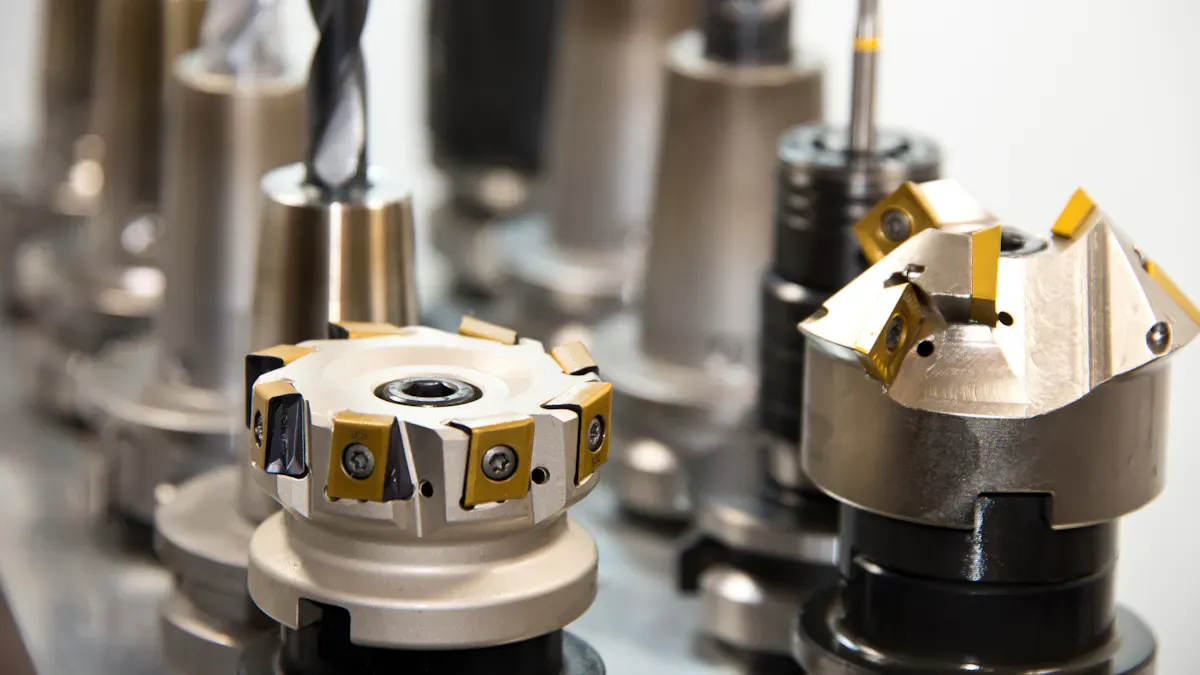
Advanced machining is very important for making ultra-thin stainless steel parts. This method helps create exact pieces with little waste. Here are some main benefits of advanced machining:
Precision: You can get tight tolerances. This means each part fits perfectly in your wearable device.
Versatility: Advanced machining can work with many materials. This makes it good for different designs and uses.
Efficiency: This method cuts down production time. You can get your wearable products to market faster.
Selective Laser Melting
Selective laser melting (SLM) is another cool technique for making ultra-thin stainless steel parts. This method uses a laser to melt and join metal powder layer by layer. Here’s how SLM helps your designs:
Durability and Lightweight: SLM makes strong but light parts. You can design wearables that are both tough and comfy.
Complex Geometries: This method allows for detailed designs and inside structures. You can create thin walls that regular manufacturing can’t do.
Layer-by-Layer Build Process: The layer-by-layer method helps with complex designs. You can add features that improve function without making it bulky.
Surface Modifications
Surface modifications improve how your ultra-thin stainless steel parts work and look. By using different treatments, you can boost things like corrosion resistance and wear resistance. Here are some common surface modification methods:
Coatings: Adding protective coatings can make parts last longer and look better. You can pick from many finishes to fit your design idea.
Texturing: Texturing the surface can help with grip and feel. This is important for wearables that need user interaction.
Polishing: Polishing makes a smooth surface that looks nice. A polished finish can make your wearables look sleek and modern.
Using techniques like rapid prototyping and reel-to-reel plating can also help your production process. This method allows for quick changes and updates, making sure your designs meet user needs well.
Challenges in Manufacturing
Technical Limitations
Making ultra-thin stainless steel has some tough challenges. One big problem is keeping the thickness the same during production. If it changes, it can cause defects. This affects how well wearables work and how they look. Also, making precise parts needs special machines. Not every manufacturer has this equipment, which can limit what they can produce.
Another challenge is making smaller parts. As wearables get tinier, the designs need to be more detailed. This can put a strain on current manufacturing methods. You might need new ideas, like advanced machining or selective laser melting, to get the detail you want.
Production Constraints
Production limits also matter a lot when making ultra-thin stainless steel. The special machines needed can raise manufacturing costs. Higher costs can slow down market growth, especially in areas where prices matter. Competing materials like composites, titanium, and aluminum can make it harder for ultra-thin stainless steel to succeed. This competition affects how well products can be made and their costs in wearables.
Also, local plating needs can make production harder. Many wearables need certain finishes or coatings to look good and last longer. Meeting these needs often takes more time and resources, which can slow down production.
“To stay competitive, manufacturers must adapt to these challenges by investing in new technologies and processes,” says an industry expert.
By knowing these challenges, you can better handle the difficulties of making ultra-thin stainless steel for wearables. Solving these problems will help you create new and high-quality products that people want.
Benefits of Precision Stainless Steel
Durability and Longevity
Choosing precision stainless steel for your wearables means you get strong and long-lasting devices. This material, especially 316L stainless steel, is very good at resisting rust. You can wear your device in many places without worrying about it getting damaged. The scratch-resistant quality helps keep it looking nice over time. Plus, 316L stainless steel is hypoallergenic, so it’s safe for people with sensitive skin. All these features make sure your wearable stays useful and good-looking for many years.
Enhanced Aesthetics
Precision stainless steel makes wearables look better. Its smooth and modern design catches the eye and improves how your device looks overall. Here are some visual benefits you can expect:
Aesthetic Feature | Description |
|---|---|
High-End Appearance | The shiny finish gives wearables a fancy look. |
Versatile Design Options | You can create different styles for both casual and formal occasions. |
Color and Finish Variety | Stainless steel can be coated or finished in many ways to fit your style. |
By using precision stainless steel, you make sure your wearables not only work well but also look amazing.
Functional Advantages
Precision stainless steel has many functional benefits that improve how your wearable devices work. Here are some important advantages:
Corrosion Resistance: This material keeps working well in places where rust is a problem.
Hypoallergenic Properties: Surgical-grade stainless steel and its alloys are very safe for everyone to use.
Strength and Durability: Stainless steel is much stronger than materials like aluminum.
When you compare stainless steel to aluminum, stainless steel does better in many ways:
Feature | Stainless Steel | Aluminum |
|---|---|---|
Corrosion Resistance | Excellent because of chromium | Moderate, can rust easily |
Strength | Much stronger | Weaker than stainless steel |
Hygiene | Non-porous, fights bacteria | Porous, not as clean |
Aesthetic Appeal | Modern, fancy look | Less durable finish |
With these benefits, precision stainless steel is a great choice for wearables. You can count on your devices to work well and look stylish.
Case Studies in Wearables
Successful Applications
Many companies have used ultra-thin stainless steel in their wearables. For example, the Apple Watch has a casing made of precision stainless steel. This choice makes it strong and gives it a modern look. Users like how light it feels and that it resists scratches. This makes it great for everyday use.
Another example is Fitbit, which uses ultra-thin stainless steel in its fitness trackers. This material helps the device fit comfortably while looking stylish. Users often say the sleek design matches their active lifestyle without losing any function.
Industry Insights
Experts in the industry stress how important precision stainless steel is for wearables. Dr. Jane Smith, a materials scientist, says, “Using ultra-thin stainless steel in wearables improves looks and boosts performance. It allows for new designs that meet what consumers want in style and function.”
Also, certifications from groups like the American Society for Testing and Materials (ASTM) make sure these materials are high quality and safe. This gives buyers confidence in the products they pick.
Future Trends in Materials
Emerging Technologies
Exciting new materials for wearables are coming soon. These advancements will make devices work better and feel more comfortable. Here are some important new technologies:
Ultrathin Wearable Sensors: These sensors act like skin. They fit well and make wearing them more comfortable.
Nanoscale Engineering: This method creates stretchy and breathable materials. They move with your body, improving how they feel.
Smart Adhesives: These adhesives help sensors stick better to skin. They can also monitor body signals in different ways.
These technologies will lead to the next generation of wearables that are effective and comfy.
Predictions for Wearable Materials
Experts think wearable materials will change a lot in the next ten years. Here are some expected trends:
Sustainable Materials: The industry is moving towards using recycled plastics and biodegradable materials. This will help the environment.
Modular Designs: Future wearables might let users fix and upgrade their devices. This will help products last longer and cut down on waste.
Invisible Wearables: You may see wearables that blend into clothing. This will make them more useful.
Thinner and Skin-like Devices: Wearables will get thinner and more flexible. This will make them more comfortable and effective.
Looking ahead, new material science will solve problems like sweat removal and sensing abilities. Innovations like bioresorbable electronics will also come up, letting devices dissolve after use. These changes will create wearables that fit well with our bodies.
“The push for thinner materials aligns with broader trends in wearable device innovation,” says Dr. Emily Johnson, a leading materials scientist. “This shift will enhance user experience and functionality.”
By keeping up with these trends, you can understand how wearables will affect your daily life in the future.
In conclusion, making precision stainless steel just 0.009mm thick greatly improves how wearables look and work. You get lightweight and strong devices that fit what people want today. New materials are very important in this tough market. Companies that use eco-friendly materials and new technologies can stand out. As we move forward, wearables will likely become even better and easier to use. This focus on improving materials will lead to new ideas in wearable technology.
“New materials greatly improve efficiency and help companies stand out in the wearable tech market,” says an industry expert.
Welcome these changes as they shape the future of wearables.
FAQ
Why is 0.009mm thickness important for stainless steel wearables?
Getting to 0.009mm thickness makes wearables lighter and more comfortable. This thinness allows for better design options and features without losing strength.
How does precision stainless steel stack up against other materials?
Precision stainless steel is stronger, resists rust better, and looks nicer than materials like aluminum. It is also safe for sensitive skin, which is a big plus.
What methods do manufacturers use to make ultra-thin stainless steel?
Manufacturers use advanced machining, selective laser melting, and surface treatments to create ultra-thin stainless steel. These methods help ensure the parts are precise, strong, and visually appealing in wearables.
Are there challenges in making ultra-thin stainless steel?
Yes, there are challenges like keeping the thickness even during production and needing special machines. Also, production limits can raise costs and affect how well products compete in the market.
How do wearables gain from using ultra-thin stainless steel?
Wearables gain improved looks, better durability, and enhanced features from ultra-thin stainless steel. This material allows for creative designs that meet what consumers want in style and performance.
See Also
Boosting Smart Wearables With High-Precision Stainless Steel Strips
Improving Smart Wearables Using Pre-Plated Steel Strips
Enhancing Electronics With Precision Metal Strip Materials
Innovative Plating Techniques for Ultra-Thin Metal Strips
Could 316 Stainless Steel Strips Revolutionize AI Cooling Systems