
The medical device industry is using etched precision stainless steel springs more and more. These parts have big benefits over regular stamped parts. You get better precision, which means tighter tolerances and more complex designs. Reliability is also important; etched springs can handle tough conditions better, which helps them work consistently. Efficiency gets better too as companies make production easier. Rules like the FDA’s Quality System Regulation and ISO 13485 stress the need for high-quality materials like precision stainless steel springs. These reasons make etched springs the future of making medical devices.
Regulatory Requirement | Description |
|---|---|
FDA’s Quality System Regulation | Sets rules to ensure product quality and safety. |
ISO 13485 | Shows that products meet international safety standards for medical devices. |
Material Standards | Affect market trends, focusing on fatigue resistance and traceability. |
Key Takeaways
Etched precision stainless steel springs are very accurate. They can be as precise as ±0.001 inches, which is important for medical uses.
The etching process can create complex shapes that stamped parts cannot make. This improves how surgical tools and implants work.
These springs resist rust and are safe for the body. This makes them reliable in medical settings.
Making these springs is more efficient with roll-to-roll etching. This cuts costs and waste while keeping high quality.
Using etched springs helps meet strict industry rules. This leads to better results for patients and new designs for medical devices.
Precision & Customization
Tighter Tolerances
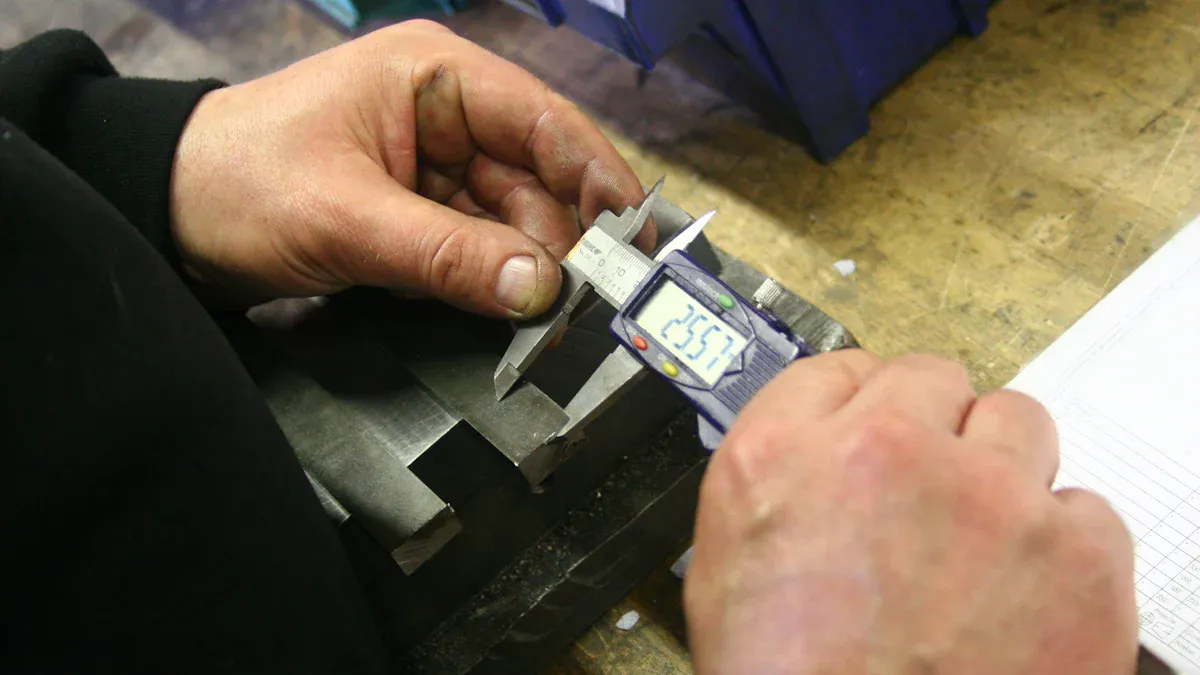
Etched precision stainless steel springs have great benefits for tighter tolerances. The etching process helps make parts with very high precision. For example, you can get tolerances as tight as ±0.001 inches. This is very important for medical uses where accuracy matters a lot.
Process Type | Tolerance Range |
|---|---|
Etched Parts | ± .001” to .010” |
Stamped Parts | Varies, with small differences in springback and size |
This table shows that etched parts are better than stamped parts for tolerance. Stamped parts can have different springback behavior. This can cause size differences. Such problems can affect how well parts fit in medical devices, which might hurt their performance.
Complex Designs
The etching process also allows for complex designs that stamped parts cannot make. With photochemical etching (PCM), you can create detailed shapes and small features. This method makes tiny holes and complex patterns that are needed in many medical uses.
Benefits of Etching for Complex Designs:
No mechanical stress during making, which keeps material properties.
Burr-free edges, making sure parts are safe and reliable for medical use.
High production efficiency, good for both batch and custom production.
For example, in surgical tools, making sharp edges and detailed designs is very important. These features improve how tools work in delicate surgeries. Also, implantable devices like pacemakers need very precise parts to work correctly inside the human body.
Material Benefits for Medical Use
Corrosion Resistance
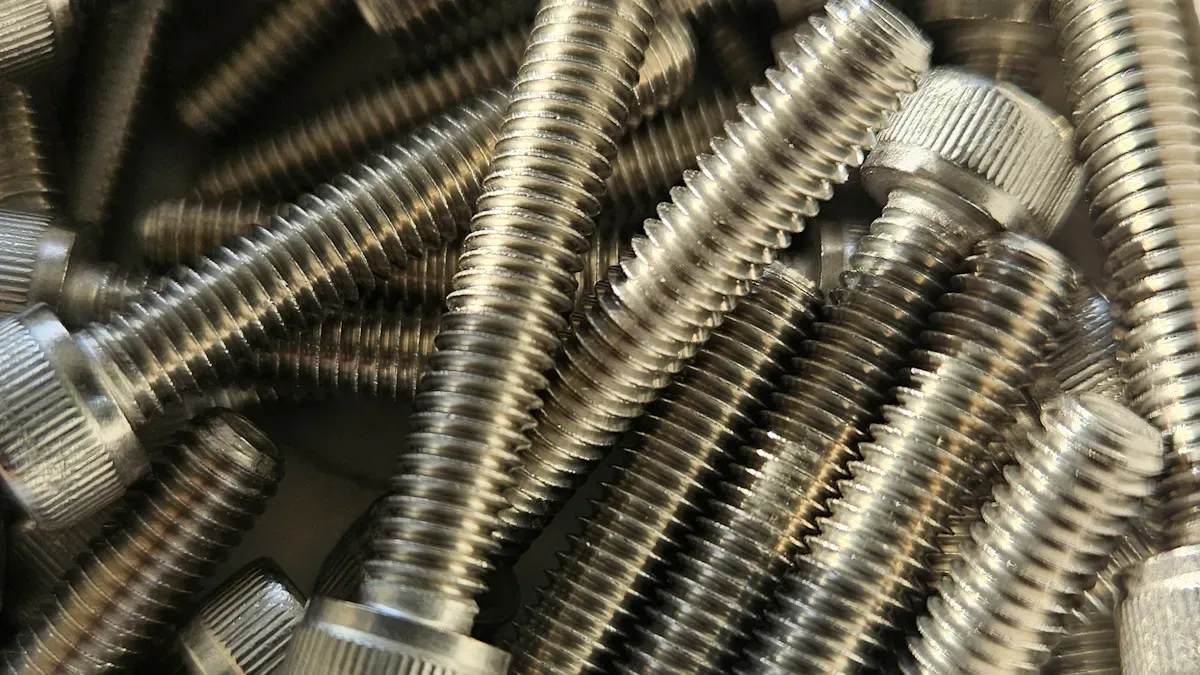
Corrosion resistance is very important for materials in medical devices. Etched precision stainless steel springs are great at this. Stainless steel naturally resists corrosion. This is key in medical settings where parts often touch bodily fluids and go through sterilization.
Key Properties of Stainless Steel:
Excellent Corrosion Resistance: This keeps the springs strong over time.
High Mechanical Strength: This means they last long under pressure, making them good for many uses.
Property | Description |
|---|---|
Corrosion Resistance | Excellent, good for medical settings |
Mechanical Strength | High, lasts long under pressure |
Biocompatibility | Safe for use in medical devices |
These features make etched springs perfect for things like surgical tools, temporary implants, and surgical guides. You can count on these springs to work well in tough situations.
Biocompatibility
Biocompatibility is another important thing to think about when choosing materials for medical devices. You need to make sure the materials won’t cause bad reactions in the body. Etched precision stainless steel springs follow strict biocompatibility rules, so they are safe for medical uses.
Biocompatibility Standards:
ISO 10993: This rule checks the safety of medical devices. The chemical etching method used for these springs makes sure their surfaces are safe.
Surface Chemistry Testing: This test checks that no harmful residues are left on the springs, keeping patients safe.
Biocompatibility Standard | Method to Meet Standard |
|---|---|
ISO 10993 | Chemical etching makes sure surfaces are safe |
Surface Chemistry Testing | Confirms no harmful residues are left |
With these rules in mind, you can safely use etched precision stainless steel springs in many medical applications, knowing they are both effective and safe.
Manufacturing Efficiency
Production Processes
When you look at how etched precision stainless steel springs are made compared to stamped parts, there are big differences. The photochemical etching (PCE) process gives high precision and can create complex shapes. On the other hand, stamping is better for simple shapes and can wear out steel molds. Here’s a quick comparison:
Feature | Photochemical Etching (PCE) | Stamping |
|---|---|---|
Precision | High precision with complex shapes | Lower precision, best for simple shapes |
Tooling | Digital or glass tools, no wear | Steel molds, can wear out |
Material Properties | Keeps material properties without damage | Can degrade due to high impact |
Production Complexity | Can handle complex designs | Good for high-volume runs |
Production Efficiency | Works for low to medium volume with high precision | Best for very high-volume production |
Waste Reduction
Waste reduction is very important for making medical devices efficiently. Studies show that up to 90% of waste in medical devices comes from single-use products. This waste adds a lot to healthcare’s carbon footprint, which is 4% to 10% of global greenhouse gas emissions. By switching to reusable designs, you can cut down environmental impact by 38% to 50%. Hospitals that use sustainable materials and waste reduction methods not only help the environment but also save money. For example, reprocessed single-use devices can cost 25% to 40% less, which could save U.S. hospitals about $465 million in 2023.
Advantages of Roll-to-Roll Continuous Etching in Medical Mass Production
Roll-to-roll continuous etching has great benefits for large-scale medical manufacturing. This method allows for almost unlimited production by processing a wide roll of material in a continuous line. You can make millions of parts in one run, which reduces the chance of damage or mistakes. The continuous process helps keep quality consistent and allows for good monitoring at different stages.
Here’s a quick look at how roll-to-roll etching compares to traditional stamping:
Feature | Roll-to-Roll (R2R) Etching | Traditional Stamping |
|---|---|---|
Production Speed | High-speed, continuous | Intermittent |
Handling Time | Reduced | Increased |
Precision for Thin Materials | Exceptional, micro-features | Limited |
Cost for Bulk Orders | Lower per-unit cost | Higher per-unit cost |
With roll-to-roll etching, you get lower costs per unit and faster prototyping. This method improves design flexibility and ensures burr-free edges, making it perfect for medical uses.
Performance in Medical Devices
Functionality Examples
Etched precision stainless steel springs work really well in many medical uses. For example, in surgical tools, these springs give the right tension and flexibility. They keep tight tolerances, which helps tools work correctly during careful procedures. You can find these springs in tools like surgical clamps and forceps, where precision is very important.
Another use is in implantable devices, like pacemakers. The springs need to work reliably inside the human body. Their resistance to corrosion and biocompatibility make them perfect for this job. You can trust that etched springs will work well, improving the overall reliability of the device.
Safety Considerations
Safety is very important in medical devices. Thin metal parts, like springs, are key for safety, security, and comfort. Etched precision stainless steel springs meet these needs very well. Their burr-free edges come from the burr-free process, which removes sharp edges that could hurt patients.
Stainless steel is a common material for photochemical etching. Its reliability in medical uses is well-known. You can be sure that using these springs reduces risks linked to device failure.
Key Safety Benefits:
More comfort because of smooth edges.
Reliable performance in important applications.
Follows safety standards, keeping patients safe.
Etched precision stainless steel springs have many benefits that make them important for the future of medical technology. These springs allow for flexible tooling, are low in cost, and have tight tolerances. You gain from their ability to keep metal properties while making production consistent.
The global market for precision stainless steel strips is expected to grow a lot. This growth is due to the need for reliable parts in special medical applications. By using these technologies, you can improve the quality and efficiency of your medical devices. This leads to better results for patients.
Key Advantages:
Flexible Tooling
Low Cost
Tight Tolerances
Speed in Production
Using etched springs will help you meet strict industry standards and encourage new ideas in your medical device designs.
FAQ
What is photochemical etching?
Photochemical etching is a way to use chemicals to take away material from a surface. This method helps make parts with high precision and complex designs. It is great for making detailed pieces like springs for medical devices.
How does photochemical machining differ from stamping?
Photochemical machining gives better precision and can create complex shapes without putting stress on the material. Stamping is better for simpler shapes but can wear out molds over time.
Why are etched springs preferred in medical devices?
Etched springs have tighter tolerances, better resistance to corrosion, and improved biocompatibility. These features help ensure they work reliably and safely in important medical uses.
Can etched springs be customized for specific applications?
Yes, etched springs can be changed to fit specific design needs. The photochemical etching process allows for changes in size, shape, and material properties, making them useful for many medical applications.
What are the environmental benefits of using etched springs?
Using etched springs helps reduce waste and supports sustainability. The roll-to-roll continuous etching process creates less scrap and helps make reusable medical devices, which lowers the overall impact on the environment.
See Also
Boosting Smart Wearables With High-Precision Stainless Steel Strips
Improving Smart Wearables Through Pre-Plated Steel Strips
Elevating Electronic Devices With Precision Metal Strip Materials
Achieving Ultra-Thin 0.009mm Precision Steel For Wearable Tech
Revolutionizing US Tech Manufacturing With Tool-Free Selective Plating