
Reducing costs in making I/O interfaces is crucial for your business. Utilizing selective plating for I/O interfaces can help you save money. This innovative mold-free method minimizes material waste and enhances production speed. As a result, you can maintain high quality while effectively managing costs.
Key Takeaways
Selective plating cuts down on waste. It only puts coatings where they are needed. This saves money and is good for the environment.
Mold-free selective plating makes production faster and cheaper. It removes the need for molds. This helps with quick design changes and better manufacturing.
Using selective plating makes I/O interfaces more reliable. It reduces defects and makes strong connections. This is very important for high-performance applications.
Dependency of High-Frequency I/O Interfaces on Precious Metal Coatings
Reasons for Precious Metal Coating Requirements
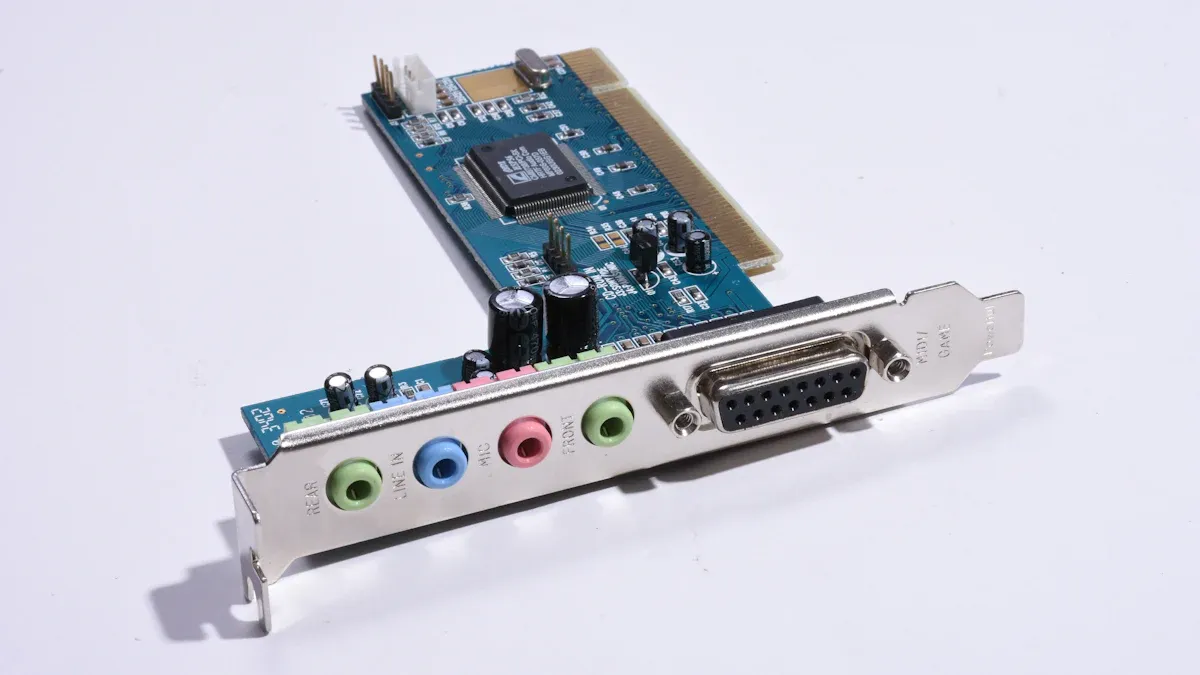
High-frequency I/O interfaces depend a lot on precious metal coatings like gold and palladium. These coatings are very important for good performance. Here are some reasons why they are needed:
Signal Integrity: Precious metals have great conductivity. This helps keep strong signals and lowers interference. You want your devices to talk to each other well, and these coatings help with that.
Durability: Precious metals do not corrode or wear easily. This helps your parts last longer. You can be sure that your devices will work well over time, even in tough conditions.
Overall Performance: The mix of conductivity and durability boosts the performance of your I/O interfaces. This leads to quicker data transfer rates and more dependable connections.
Using cheap microfluidic devices can also gain from these coatings. They help make sure that microfluidic platforms work well. As you look into open-source solutions, think about how precious metal coatings can improve your designs.
The BOM Cost Crisis Caused by Full Gold Plating
Reasons for Precious Metal Coating Requirements
Using full gold plating makes your bill of materials (BOM) costs go up a lot. Gold is often used for high-frequency I/O interfaces. This is because it conducts electricity well and resists rust. These features are important for keeping signals strong. But, gold is expensive, and the electroplating process is complicated. This can raise the overall price of your product.
Here are some main reasons for the cost crisis:
Material Costs: Gold prices change a lot. Even a thin layer can cost a lot. The thickness of the gold layer affects the final product price.
Manufacturing Complexity: The electroplating process needs special machines and skilled workers. This can make production take longer and cost more.
Impact on Budgets: Using too much precious metal can hurt your budget. It can be hard to keep quality high and prices low, especially in tough markets.
Product Pricing: Higher BOM costs usually mean higher retail prices. This can make your products less appealing to buyers, especially when cheaper options are available.
In microfluidics and open-source solutions, these cost issues are even more important. You need to think about how full gold plating changes your overall plan and pricing.
Selective Plating for I/O Interfaces
Advantages of Selective Plating
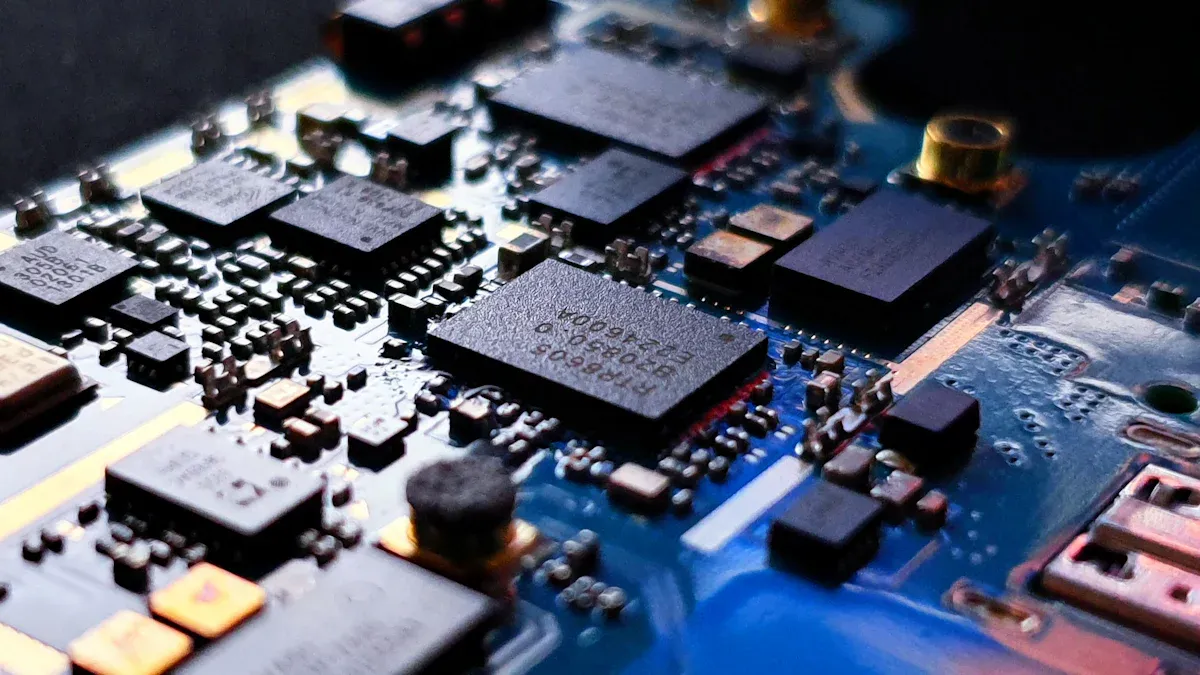
Selective plating is a method that puts metal coatings only on certain parts of a surface. This technique is very important for I/O interfaces, where being precise and efficient matters a lot. By focusing on specific areas, you can get many benefits.
Minimized Material Waste: Selective plating uses less precious metal. Instead of covering whole surfaces, you only coat where it’s needed. This saves materials and cuts costs. For example, in microfluidics, selective plating prevents extra material that could cause problems like intermetallic compound growth and thermal mismatch stresses. By reducing waste, you save money and help the environment.
Lower Production Costs: Selective plating is cost-effective because it works efficiently. You can make production easier by not needing a lot of masking and complicated setups. This makes things faster and lowers labor costs. Many manufacturers say that using selective plating has helped them create low-cost designs without losing quality.
Enhanced Reliability: Selective plating makes I/O interfaces more reliable. By coating only where it’s needed, you lower the chance of defects from over-plating. This precision improves how well your devices work, making sure they function well in different situations. For instance, in point-of-care diagnostics, reliable connections are key for getting accurate results. Selective plating helps with this by giving strong and dependable interfaces.
Adaptability to Complex Designs: Selective plating can work with complex I/O interface designs. But there are some technical challenges. You might run into issues like material compatibility, sealing and packaging problems, and signal integrity issues. Solving these problems needs careful planning and engineering. Here are some common challenges to think about:
Material Compatibility: Regular electronic materials might not handle certain fluids well.
Sealing and Packaging Issues: Making leak-proof connections can be hard.
Signal Integrity Concerns: Fluids near electronics can cause noise problems.
Power Management Difficulties: Balancing electrical and mechanical power needs can be tough.
Lack of Standardization: Not having set design rules can slow down use.
Even with these challenges, the benefits of selective plating are much greater than the downsides. Many manufacturers have used this method successfully, leading to better production efficiency and lower costs.
Mold-Free Selective Plating Benefits
Application of Stainless Steel Strips
Mold-free selective plating has many benefits for manufacturers, especially with stainless steel strips. By not using molds, you can lower costs and speed up production. Here’s how:
Cost Reduction: You save money on materials and labor since there are no molds to make or maintain. This helps you use your resources better.
Faster Production: Without molds, you can make things faster. You can easily change designs or production amounts without delays. This quickness is important in fields like microfluidics and open-source hardware, where fast prototyping is needed.
Enhanced Quality: Mold-free selective plating makes your products better. It applies coatings only where they are needed, which lowers the chance of defects. This is especially helpful in areas like point-of-care diagnostics, where strong connections are key for accurate results.
Increased Reliability: Products made with this method are more durable. Targeted coatings reduce the risk of over-plating, which can cause weak bonds and failures. This reliability is crucial for good performance in tough conditions.
For example, a top electronics manufacturer switched to mold-free selective plating for their stainless steel strips. They saw a 30% reduction in production costs and a 25% increase in product reliability. This change not only helped their profits but also made customers happier because there were fewer product failures.
However, there are some downsides to mold-free selective plating. Sometimes, it can cause weak bonding between layers, higher resistivity, and more oxidation. These issues can impact the performance of I/O interfaces. Here’s a summary of some limitations:
Limitation | Description |
|---|---|
Poor adhesion | The process often results in weak bonding between layers, leading to potential failures. |
Elevated resistivity | Increased electrical resistance can affect the performance of I/O interfaces. |
Increased susceptibility to oxidation | The materials used are prone to oxidation, which can degrade their performance over time. |
Dependence on expensive or toxic activators | The use of costly or hazardous materials complicates the manufacturing process. |
Inadequate long-term mechanical durability | The interfaces may not withstand repeated mechanical stress, leading to premature failure. |
Even with these challenges, the benefits of mold-free selective plating are much greater than the downsides. As the market for selective plating technologies grows, thanks to new technology and rising demand in areas like automotive and aerospace, more innovations are expected.
Key Drivers and Trends | Description |
|---|---|
Technological Advancements | Integration of AI and IoT for efficiency and quality control |
Regulatory Changes | Evolving regulations for safer, greener processes |
Sector Demand | Increased adoption in automotive and aerospace sectors |
Consumer Electronics | Rising demand for miniaturized, high-quality plating solutions |
Regional Growth | Significant market penetration in Asia-Pacific and Latin America |
Projected Growth Rate | CAGR of more than 5.8% from 2023 to 2030 |
By using mold-free selective plating, your business can benefit from these trends while keeping production cost-effective and high-quality.
Mold-free selective plating has many benefits for making your I/O interfaces. You can save money and make your products better and more reliable. This method helps you work with complicated designs and meet the needs of open-source projects. Think about using mold-free selective plating to improve how you make things and stay ahead of your competition.
FAQ
What is selective plating?
Selective plating puts metal coatings only on certain spots. This cuts down on waste and costs while making products more reliable.
How does mold-free selective plating save costs?
Mold-free selective plating removes the need for molds. This lowers material and labor costs and makes production faster.
What industries benefit from selective plating?
Industries such as electronics, automotive, and aerospace gain from selective plating. It is efficient and meets complex design needs.
See Also
Innovative Moldless Selective Plating Technology for AI Processors
Tool-Free Selective Plating: Boosting US Tech Manufacturing Efficiency
Moldless Continuous Selective Plating for Gold Coating Thin Strips
Achieving Cost Efficiency Through Selective Reel-to-Reel Plating
Improving Smart Wearables Using Pre-Plated Stainless Steel Strips