
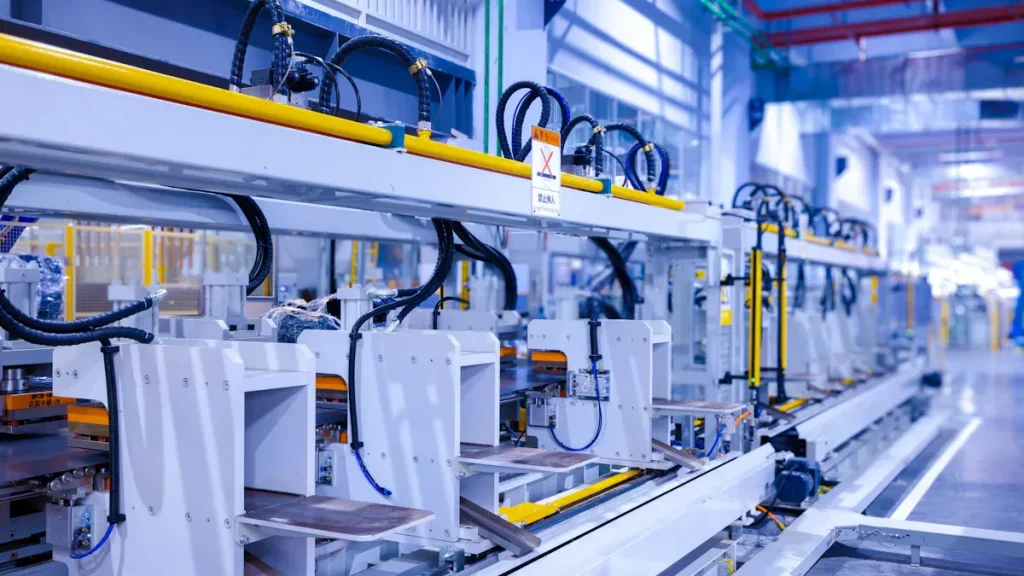
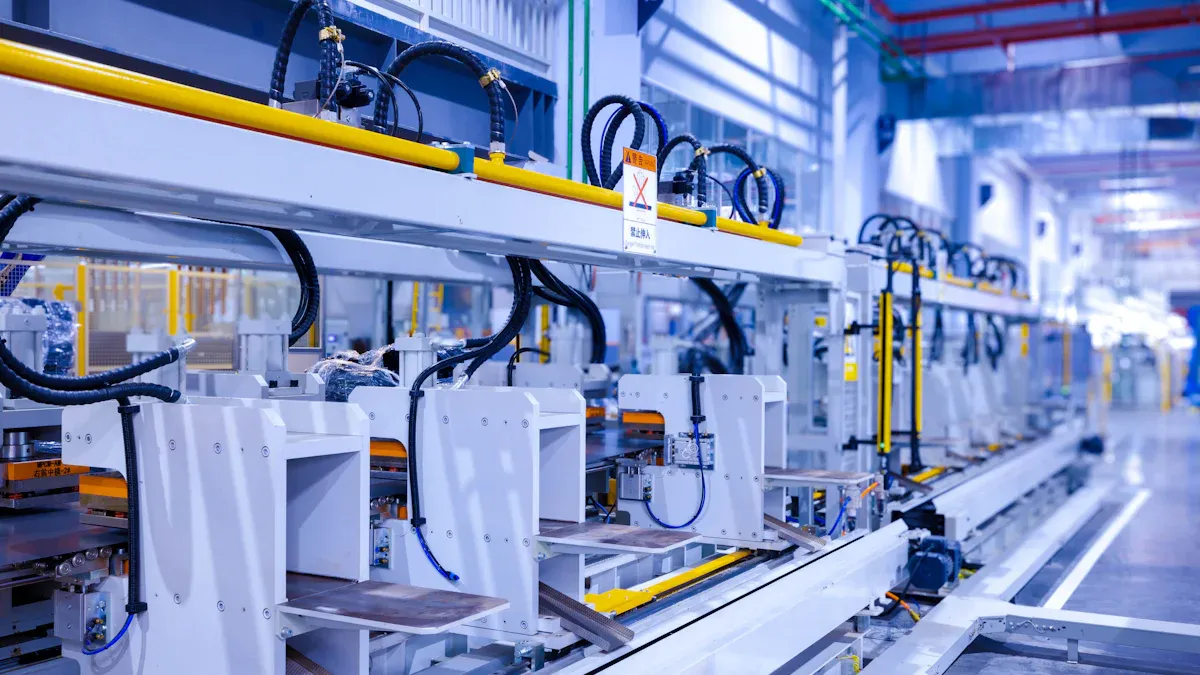
Roll-to-roll continuous etching is a big step in electronics. This new technology helps make products quickly and saves money. As more companies use roll-to-roll methods, they get benefits like less waste and lower labor costs. This technology helps meet the rising need for flexible electronics and renewable energy.
Stainless steel etching materials make this even better. They are strong and flexible. These materials work for many uses, helping to meet the changing needs of today’s electronics.
Key Takeaways
Roll-to-roll continuous etching makes production faster and cheaper. It does this by cutting down on waste and handling.
Stainless steel etching materials are strong and resist rust. This helps electronic parts last longer.
The market for stainless steel etching is growing fast. It is expected to reach USD 7.8 billion by 2033.
Using screen printing and electroplating improves product quality. It also allows for new designs in electronics.
Using these technologies helps companies meet the growing need for flexible and efficient electronic solutions.
Roll-to-Roll Etching Overview
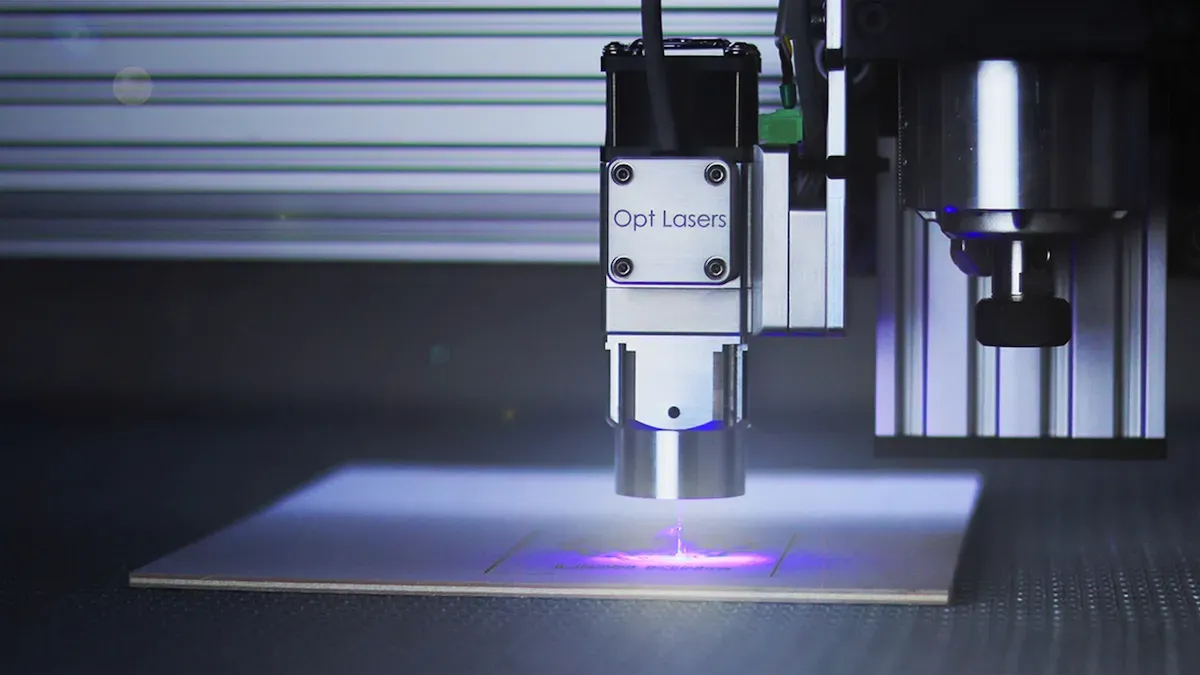
Process and Efficiency
Roll-to-roll processing is changing the electronics industry. This method lets manufacturers make electronic parts on a long roll of material. This greatly improves how fast they can produce items. The process has several important steps:
Unwinding: First, unwind a roll of foil while keeping it tight to avoid problems.
Foil Alignment: An edge guide system helps keep the foil straight as it moves through the machines.
Preprocessing: The foil might get treatments to make its surface better before etching.
Processing Steps: Different techniques, like etching, create shapes or patterns on the foil.
Drying and Curing: After processing, the material is dried or cured to ensure it is good quality.
Analysis/Quality Control: Quality checks make sure the finished product meets the right standards.
Rewinding: Finally, the finished product is rolled back onto another roll.
This smooth process leads to high production speed. Continuous unwinding, processing, and rewinding remove the stops and starts of old panel processing. Because of this, you can expect lower costs for each unit due to less waste and handling. The tight control of web tension and flow keeps everything uniform and precise, making sure each product is high quality.
Cost Reduction and Quality
Using roll-to-roll continuous etching not only makes things faster but also cuts costs a lot. Here are some benefits you can expect:
Benefit | Description |
|---|---|
High Production Throughput | Continuous processing removes delays, allowing for quicker production cycles. |
Lower Cost Per Unit | Web-based processing reduces waste and handling, making it cheaper for large amounts. |
Exceptional Uniformity & Precision | Steady web tension and flow keep high consistency in size and process. |
The quality of products made with roll-to-roll etching is very good. You can reach precision levels of ±0.005 mm, which is important for wearables, IoT ribbons, medical sensors, and large flexible electronics. This precision makes sure your products meet and even exceed industry standards.
Adding roll-to-roll etching to your manufacturing can greatly improve both speed and quality. Many companies have already seen these benefits, reporting faster production and lower costs. As the need for flexible electronics grows, using this new technology will help you stay ahead in the industry.
Stainless Steel Etching Materials
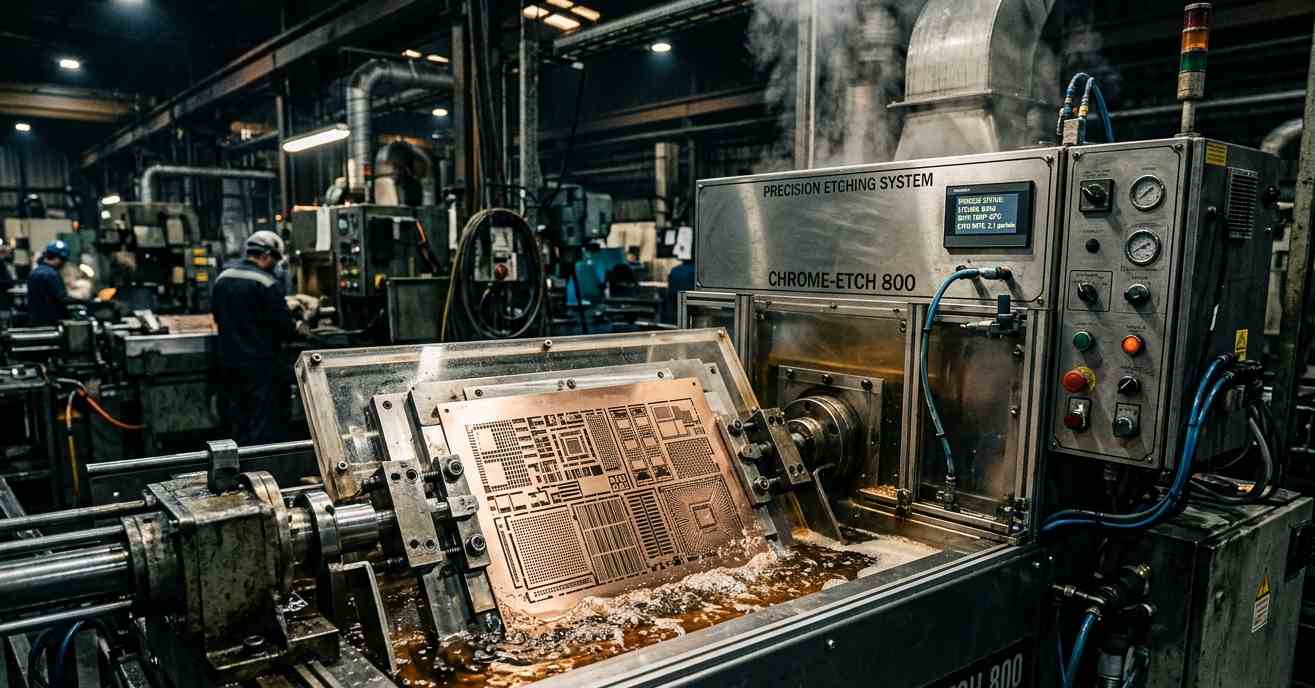
Applications in Electronics
Stainless steel etching materials are very important in electronics. They have special features that make them great for many uses. Here are some key features of stainless steel that make it good for etching:
Property | Description |
|---|---|
Stainless steel does not rust easily, making it great for electronics. | |
Strength | It is very strong, which helps it last in many uses. |
Durability | This material lasts a long time, which is important for electronic parts. |
Biocompatibility | Stainless steel is safe for use in sensitive electronic devices. |
Precision Capabilities | Chemical etching allows for detailed designs and accuracy in making electronic parts. |
Using stainless steel in electronics has many advantages. First, its rust resistance makes electronic parts last longer. This means devices can work well in tough conditions. Second, the strength of stainless steel helps parts stay strong over time. This is very important for devices that get a lot of stress.
Also, stainless steel etching materials help with making things accurately. The chemical etching process lets you create detailed designs without causing heat damage. This leads to high-quality parts with smooth surfaces, which helps them work better.
Here are some common electronic devices that use stainless steel etching materials:
EMI/RFI shielding
Flat springs
Step lids
Micro contacts
Mesh screens
The benefits of stainless steel go beyond just being strong. Its great ability to conduct heat helps keep devices working well when they get hot. Plus, the small tolerances from etching lower friction between parts. This makes electronic devices work more efficiently.
Comparing Etching Methods
Roll-to-Roll vs. Traditional Etching
When you look at roll-to-roll processing and traditional etching methods, you see big differences in how well they work and how much they can grow. The table below shows these differences:
Aspect | Roll-to-Roll Processing | Traditional Etching (Photolithography) |
|---|---|---|
Throughput | Faster production speeds because of continuous making | Slower production because of batch making |
Scalability | Easier to scale for large-area uses | Harder to scale because of size limits and batch work |
Precision | Usually lower detail than traditional methods | High detail and accuracy for complex designs |
Roll-to-roll etching greatly cuts down on material waste. This method uses raw materials better and creates less scrap, which is good for the environment. On the other hand, traditional methods often remove a lot of copper, causing more waste.
Stainless Steel vs. Other Materials
Stainless steel is special among materials used for etching in electronics. Here are some benefits it has over other options:
Parts are burr-free and smooth with precise edges.
Keeps metal qualities like strength and hardness.
Can create complex and detailed designs.
Fast prototyping with easy design changes.
In comparison, copper is very conductive and easy to shape, but it isn’t as durable as stainless steel. Aluminum is light and resists corrosion, but it isn’t as strong as stainless steel.
Stainless steel also has great resistance to rust, making it good for many environments. Its hardness ranges from 80 to 600 HB, which helps it handle tough jobs. This strength makes its higher initial cost worth it, especially for long-term use.
By choosing stainless steel for your etching needs, you make sure your electronic parts stay strong and work well over time.
Seamless Delivery Model Integrating Screen Printing and Electroplating
Integration Process and Workflow
Combining screen printing and electroplating makes a smooth delivery model in electronics making. This mix helps you make high-quality electronic parts quickly. The process starts with screen printing conductive inks on flexible materials. This step makes the patterns needed for electrical connections. After printing, you use electroplating to improve the conductivity and strength of these printed patterns.
The workflow has several important steps:
Preparation: Begin with a clean surface to help the conductive ink stick well.
Screen Printing: Use a screen printing method to apply the conductive ink. This way, you can control the thickness and pattern of the ink precisely.
Electroplating: Dip the printed surface into an electroplating bath. This step adds a layer of metal to the printed areas, boosting conductivity and strength.
Quality Control: Use a Quality Management System (QMS) to check production. Real-time monitoring through Manufacturing Execution Systems (MES) helps find and fix quality problems right away.
This combined method makes production smoother, leading to high output and efficient production cycles.
Benefits for Electronics Manufacturing
The benefits of this smooth delivery model are important. First, it improves product quality. The mix of QMS with MES helps with tracking and responsibility. This makes sure that manufacturers meet customer needs and boost satisfaction.
Second, this model encourages innovation. By mixing 3D printing with metal plating, you can create complex and custom parts. This combined method improves strength, conductivity, and resistance to wear. Also, printed electronics technology allows for eco-friendly and flexible devices. Conductive ink printing technology cuts costs and speeds up production, making it great for large-scale making.
Roll-to-roll continuous etching and stainless steel etching materials have big benefits that can change electronics. Here’s what you can look forward to:
High Efficiency: Roll-to-roll processing makes production faster and cheaper.
Durability: Stainless steel is strong and resists rust, making electronic parts last longer.
Market Growth: The stainless steel etching market is expected to hit USD 7.8 billion by 2033, growing at a rate of 7.5% from 2026 to 2033.
As the need for flexible and efficient electronics increases, these technologies will be very important for new ideas and being eco-friendly in the industry. Using these new methods will help you stay ahead in a fast-changing market.
FAQ
What is roll-to-roll continuous etching?
Roll-to-roll continuous etching is a way to make electronic parts on a long roll of material. This method makes production faster and cheaper by creating items quickly with less waste.
How does stainless steel improve electronic devices?
Stainless steel helps electronic devices by being resistant to rust, strong, and long-lasting. Its ability to work well in different conditions makes it great for things like EMI shielding and micro contacts.
What are the benefits of using lithium-ion batteries?
Lithium-ion batteries are great because they hold a lot of energy, are light, and last a long time. They work well for storing energy in portable electronics and electric cars.
How does roll-to-roll processing compare to traditional methods?
Roll-to-roll processing is quicker and more efficient than older methods. It creates less waste and is easier to scale up, making it perfect for producing flexible electronics in large amounts.
Why is surface quality important in etching?
Surface quality matters in etching because it affects how well electronic parts work. Good surfaces lower friction and improve conductivity, which leads to better performance in devices.
See Also
Continuous Etching Innovations Revolutionizing Energy Battery Manufacturing
Enhancing Electronics: The Role of Precision Metal Strip Materials
Could 316 Stainless Steel Strips Lead AI Cooling Innovations?
Etched Stainless Steel Springs: The Future of Medical Device Components
Revolutionizing Tech Manufacturing with Tool-Free Selective Plating