
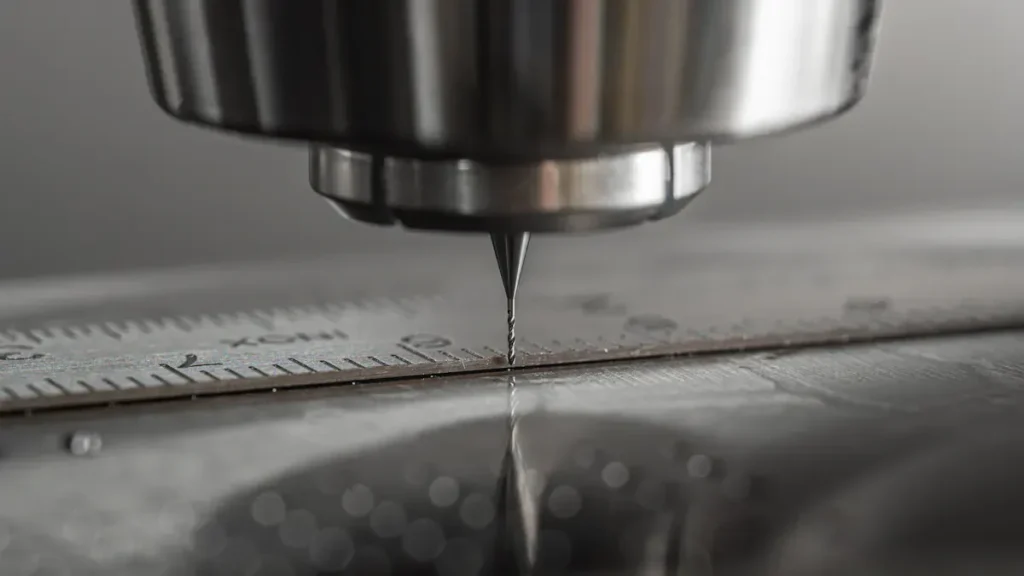
Choosing the best selective plating services for connectors is very important. It helps make them work better and last longer. Selective plating makes them stronger and helps them resist wear. This is really important in industrial uses. When you pick a service provider that fits your needs, your connectors will work well in tough situations. This decision can greatly affect how well your products work and how reliable they are.
Key Takeaways
Selective plating makes connectors work better. It adds metal coatings only where they are needed. This helps them last longer and conduct electricity well.
Pick a selective plating service that has industry certifications. Look for ones like ISO 13485:2016. This shows they follow quality and safety rules.
Check the materials used in selective plating. Silver and nickel are good choices. They help with conductivity and resist corrosion.
Focus on quality by choosing providers that keep plating thickness the same. Strong adhesion is important for long-lasting performance.
Think about durability and performance. This is important for different industries. Connectors need to handle tough conditions.
What is Selective Plating?
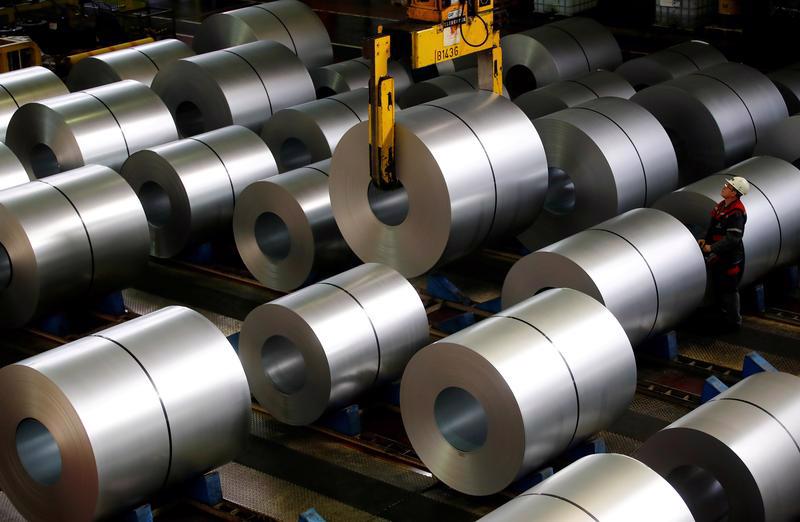
Selective plating is a special process. It puts a thin layer of metal on certain parts of a connector. This method helps the connector work better and be more reliable. By focusing on specific areas, you can make your connectors last longer and work well in tough situations.
Benefits of Selective Plating
Selective plating has many benefits. Here are some important ones:
Enhanced Electrical Performance: Selective plating helps conductivity in key areas. This means better signal transmission.
Corrosion Resistance: Protective coatings keep connectors safe from things that cause corrosion.
Cost Efficiency: Selective plating uses less material. It only coats where needed, which lowers production costs.
Improved Durability: This process makes connectors last longer. It gives extra protection against wear and tear.
“Selective plating allows manufacturers to optimize performance while minimizing costs,” says an industry expert. This new method helps you get high-quality connectors without spending too much.
Applications in Various Industries
Selective plating is used in many industries, each with its own needs. Here are some common sectors that benefit from this technology:
Industry | Specific Requirements |
|---|---|
Needs durability and resistance to fretting | |
Energy & Technology | Needs durability and resistance to fretting |
Semi-Conductors & Electronics | Needs durability and resistance to fretting |
Aerospace & Defense | Needs durability and resistance to fretting |
In these fields, selective plating services for connectors are very important. They help products meet strict performance standards. For example, in medicine, connectors must handle frequent use and different substances. In aerospace, connectors must survive extreme conditions while staying reliable.
The selective plating process usually has several steps:
Target connector surfaces include contact points, high-friction areas, and spots that might corrode.
Masking methods like photoresist and stencil masking help define coated and uncoated areas.
The deposition method can be electroplating, electroless plating, or hybrid methods. This ensures strong adhesion and reduces edge effects.
By learning about selective plating and its uses, you can make smart choices when picking a service provider for your connectors.
Evaluating Selective Plating Services for Connectors
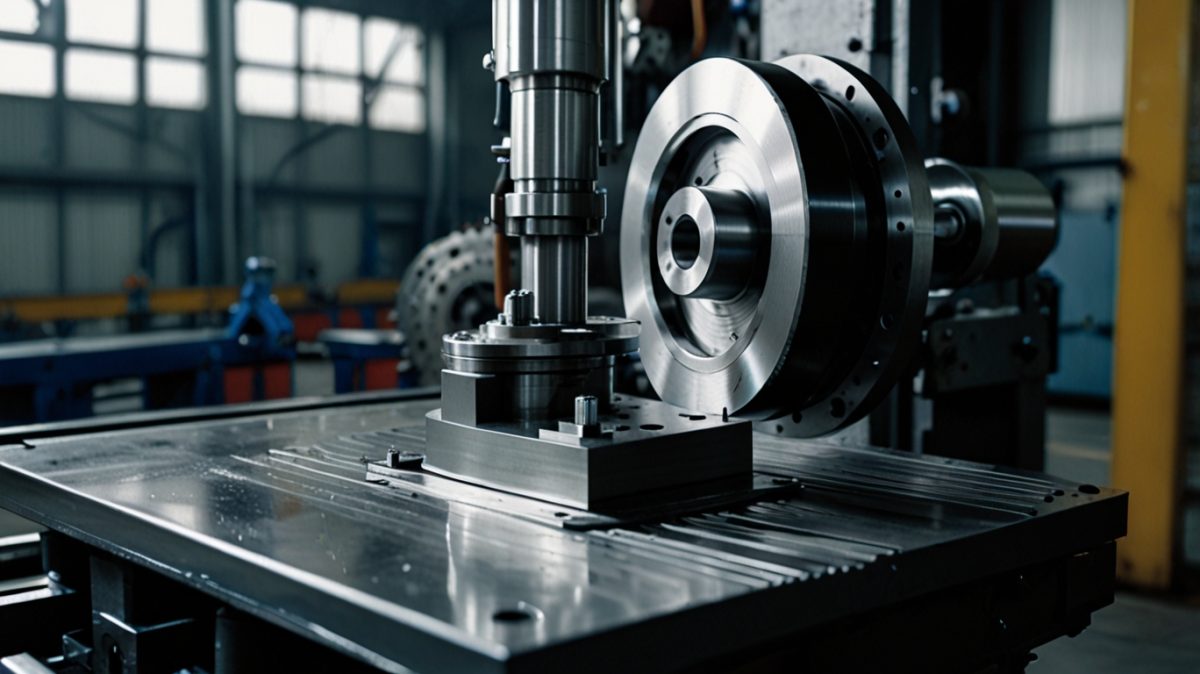
Choosing the right selective plating service for your connectors takes careful thought. You need to make sure the service provider meets your quality needs and follows industry rules. Here are some important things to think about:
Quality and Reliability
Quality and reliability are very important when picking a plating service. You should find providers that use advanced selective plating methods. These methods make sure coatings go only on the needed parts of connectors. This keeps the right properties and performance while making them last longer. It also saves money by not coating areas that don’t need it.
When checking for quality, think about these points:
Consistent Plating Thickness: Good service providers keep the plating thickness even on all connectors. This is important for how well they work.
Adhesion Strength: Strong adhesion stops the plating from peeling or flaking. This helps with long-lasting performance.
Durability Testing: Look for companies that do thorough testing to ensure their coatings last under different conditions.
“We chose a selective plating service that showed they care about quality. Their focus on plating thickness and adhesion has really improved our product reliability,” says a happy customer from the electronics field.
Certifications and Standards
Certifications and industry standards are very important when looking at selective plating services. They show that a provider follows known quality guidelines. Here are some key certifications to check for:
Certification |
|---|
Reach Compliant |
RoHS Compliant |
These certifications make sure the service provider meets safety and environmental rules. They also show a commitment to quality management. When you pick a certified provider, you can trust they follow the best practices in selective plating.
Comparing Coating Materials and Techniques
Common Materials for Connectors
When you choose a selective plating service, think about the materials used for coating connectors. Different materials have special benefits that improve performance and durability. Here are some common coating materials:
Silver: Silver plating is great for conductivity. It helps electrical performance.
Nickel: Nickel offers good corrosion resistance and durability. This makes it a popular choice.
Cadmium: Cadmium plating protects against corrosion, especially in tough environments.
Zinc-Nickel alloys: These alloys mix zinc and nickel benefits. They provide strong corrosion resistance.
Cobalt Chromium Carbide: This material helps with wear resistance. It is good for high-friction uses.
Anodizing treatments: Anodizing makes surfaces harder and more resistant to corrosion, especially for aluminum connectors.
Choosing the right material depends on what you need. For high conductivity, silver might be best. If you need corrosion resistance, nickel or zinc-nickel alloys could work better.
Innovative Techniques
Besides picking the right materials, look into new plating techniques. These techniques can greatly affect how well your connectors work and their costs. One technique is free-form selective plating. This method does not need molds. It lowers production costs and speeds up manufacturing.
Another new method is hybrid plating. This combines different plating methods for the best results. It allows for precise control over coating thickness and properties. This ensures connectors meet strict industry standards.
Certifications like ISO 9001 and IPC-A-610 show that plating services follow high-quality standards. By choosing a certified service provider, you can trust they use best practices in selective plating.
“Innovative techniques in selective plating have transformed our production process, allowing us to reduce costs while maintaining high quality,” says a satisfied customer from the aerospace industry.
By knowing about the materials and techniques available, you can make smart choices when picking a selective plating service for your connectors.
Importance of Durability and Performance
Durability and performance are very important for connectors. You want your connectors to last and work well. One big problem is fretting. This happens when connectors move a little and wear down at contact points. This wear can lead to bad electrical connections or even failure.
Fretting Resistance
To fight fretting, think about using selective plating services for connectors. These services put coatings on the parts that touch the most, like pin noses and contact lands. This focused method helps reduce wear and makes connectors last longer while keeping their electrical performance.
Materials like noble metals—gold, palladium, and platinum—are great choices. They resist corrosion and have stable electrical properties. Nickel-based systems give a strong, wear-resistant base. Also, low-friction coatings like diamond-like carbon (DLC) can boost performance. The thickness of these coatings matters; noble metals usually go on in thin layers (0.5–5 μm) to balance performance and cost.
Performance Metrics
You can check how well selective plating works in connectors by looking at performance metrics like durability and fretting resistance. Selective plating improves these metrics by using special coating materials and thicknesses. This creates a strong, low-friction surface. This is very important at contact points where wear happens the most.
By focusing on durability and performance, you can solve customer problems and meet market needs. Customers want reliable connectors that can handle tough conditions without losing performance. New plating techniques not only make connectors last longer but also cut costs, making them a good choice for manufacturers.
“Our connectors have shown great durability since we switched to selective plating services. The performance metrics speak for themselves,” says a happy customer from the electronics sector.
By prioritizing durability and performance, you make sure your connectors meet the high standards needed in many industries.
Choosing the right selective plating service for your connectors is very important. You should match the service provider’s skills with what you need. Think about these key points:
Quality Assurance: Make sure the provider uses advanced methods for steady results.
Certifications: Find certified providers to ensure they follow industry rules.
Material Selection: Pick materials that improve performance and last longer.
Working with a certified selective plating service makes connectors stronger and helps with fretting resistance. This focused method strengthens important contact areas, which reduces wear and keeps contact resistance steady over time. By making smart choices, you can ensure the best performance in tough situations.
FAQ
What is selective plating?
Selective plating is a way to put a thin metal layer on certain parts of a connector. This process helps the connector work better and last longer while using less material.
Why should I choose selective plating over traditional plating?
Selective plating only covers the needed areas. This improves electrical performance and helps resist corrosion. It also saves material and cuts down production costs.
How do I know if a plating service is reliable?
Check for providers with industry certifications like ISO 9001. Look at customer reviews and case studies to see how good their quality and reliability are.
What materials are commonly used in selective plating?
Common materials are silver for good conductivity, nickel for resisting corrosion, and zinc-nickel alloys for better durability. Choose based on what you need for your application.
How does selective plating improve connector performance?
Selective plating boosts electrical conductivity and reduces wear at contact points. This means better performance and longer-lasting connectors in tough situations.
See Also
Vietnam’s Mold-Free Selective Plating for 3C Connectors
Affordable Selective Plating Options for I/O Interfaces
The Impact of Selective Electroplating on Lead Frame Quality
Reducing Gold Plating Expenses in I/O Interfaces Effectively