


ISO certification plays a critical role in ensuring quality and reliability for manufacturers in the medical and aerospace sectors. Certified companies, such as precision stainless steel strip manufacturers, can consistently deliver high-quality products. In the medical industry, where precision is vital, ISO 13485 certification becomes a strategic advantage. For aerospace applications, adherence to AMS standards guarantees that stainless steel strips meet essential performance criteria. These certifications not only enhance product reliability but also foster trust among clients, ensuring safety and durability in their applications.
Key Takeaways
ISO certification ensures consistent quality and reliability in precision stainless steel strips.
Manufacturers with ISO certification help clients comply with regulatory standards, enhancing safety.
High-quality stainless steel strips improve the performance of medical and aerospace applications.
Choosing an ISO-certified manufacturer fosters trust and confidence in product safety and durability.
Investing in certified materials leads to better operational efficiencies and cost reductions.
ISO Certification Benefits
ISO certification serves as a hallmark of quality for manufacturers, especially in the medical and aerospace sectors. This certification ensures that companies adhere to rigorous standards, which leads to consistent product quality and reliability. For manufacturers of precision stainless steel strips, ISO certification is not just a formality; it is essential for maintaining high standards in critical applications.
Definition and Overview
ISO, or the International Organization for Standardization, develops and publishes international standards. These standards cover various aspects of manufacturing, including quality management, safety, and efficiency. For instance, ISO 13485 focuses on quality management systems in the medical device industry, while AS9100 addresses quality management for aerospace organizations. Both certifications help manufacturers align their processes with regulatory expectations and industry best practices.
Advantages for Clients
Clients in the medical and aerospace industries experience numerous benefits when sourcing from ISO-certified manufacturers. These advantages include:
Regulatory Compliance: Compliance with ISO 13485 helps organizations align with regulatory expectations across various jurisdictions.
Improved Efficiencies: ISO certification leads to enhanced operational efficiencies, which can translate into faster production times and reduced costs.
Enhanced Customer Relations: Improved customer relations are a direct benefit of ISO certification, as clients feel more confident in the quality of the products they receive.
Cost Reduction: ISO certifications help keep costs down for end-users by reducing manufacturing errors. This ultimately lowers costs for consumers.
In fact, studies show that 85% of certified organizations reported improved company perception and higher demand for their products. This positive feedback loop reinforces the importance of choosing an ISO-certified precision stainless steel strip manufacturer.
To further illustrate the benefits of ISO certification, consider the following table that outlines how it reduces risks for clients purchasing precision stainless steel strips:
Aspect | Explanation |
|---|---|
Consistency | ISO standards ensure that stainless steel products consistently meet specific quality and performance requirements. |
Interoperability | ISO standards facilitate the interoperability of stainless steel components across different manufacturers and regions. |
Safety | ISO standards often include safety-related requirements that are critical in industries like aviation, where safety is paramount. |
Regulatory Compliance | Many aviation regulatory authorities, such as the FAA, recognize and require compliance with specific ISO standards. |
By choosing an ISO-certified manufacturer, clients can trust that they are sourcing high-quality materials that meet stringent safety and performance criteria. This trust is vital in industries where precision and reliability are non-negotiable.
Applications in Medical Devices
Use in Medical Equipment
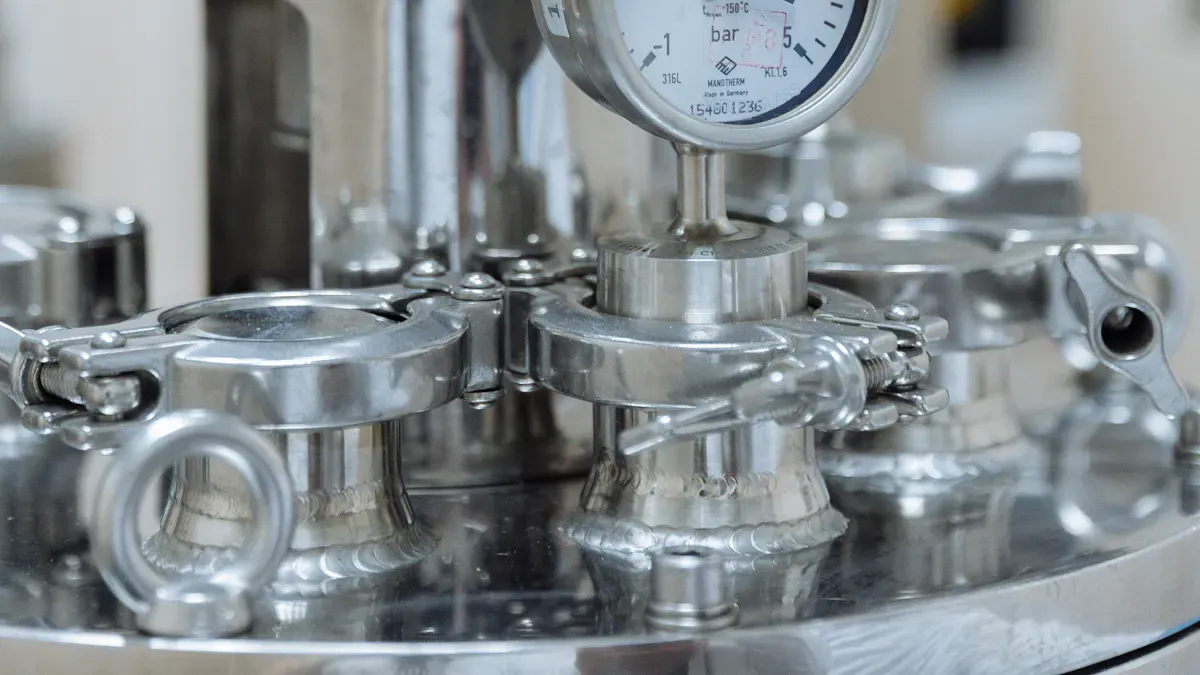
Precision stainless steel strips play a vital role in the manufacturing of medical devices. These strips are essential for creating components that require high accuracy and durability. Medical equipment such as surgical instruments, diagnostic devices, and implantable devices often rely on these strips for their construction.
For instance, miniature surgical instruments benefit from the precision machining capabilities of stainless steel strips. This allows manufacturers to produce extremely small and accurate components. Additionally, multi-axis machining enables the creation of parts with advanced features and high tolerances. These characteristics are critical for the performance of devices like stents and pacemakers.
Moreover, thin wall machining techniques allow for the production of lightweight components. This is particularly important for implantable devices and portable diagnostic equipment, as it enhances patient comfort and usability. The versatility of precision stainless steel strips makes them an ideal choice for various medical applications.
Compliance with Standards
Compliance with regulatory standards is crucial for manufacturers of medical devices. Precision stainless steel strips must meet specific requirements to ensure safety and efficacy. The following table outlines key regulatory standards that apply to these materials:
Regulatory Standard | Description |
|---|---|
FDA Framework | Requires materials to demonstrate safety and efficacy through rigorous testing, with different classes of devices having varying levels of scrutiny. |
ISO 10993 | A set of standards for biological evaluation of medical devices, determining the necessary tests based on the nature and duration of body contact. |
CE Marking | Indicates compliance with EU Medical Device Regulation, requiring a Technical File that includes material information in accordance with ISO 10993. |
ISO-certified manufacturers ensure compliance with these standards through structured quality management systems. For example, ISO 13485 enables manufacturers to define their production processes clearly. This structured approach helps guarantee that the final products meet safety standards and customer requirements.
Key aspects of compliance include:
Rigorous quality management systems are essential for FDA compliance.
Comprehensive documentation is required for successful market entry.
Validated processes are crucial for sustained production.
By adhering to these standards, manufacturers can assure clients that they are sourcing high-quality materials that meet stringent safety and performance criteria. This commitment to quality is vital in the medical industry, where precision and reliability are non-negotiable.
Aerospace Applications of Stainless Steel Strips
Importance in Aerospace Parts
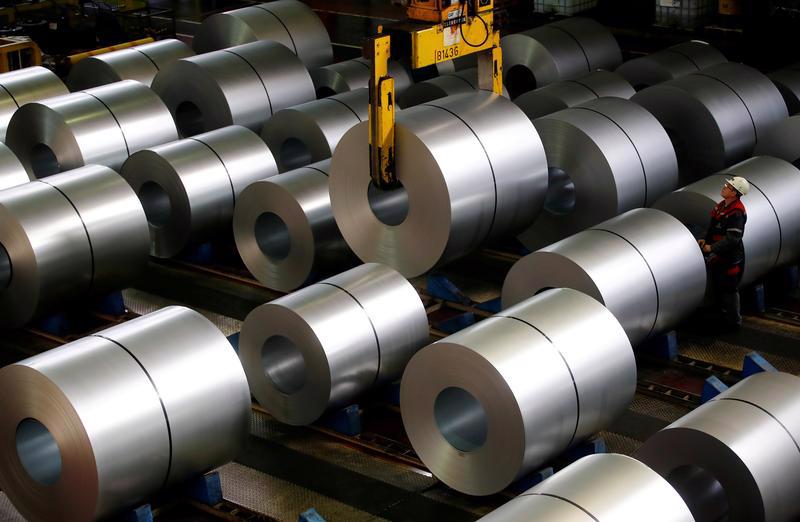
Precision stainless steel strips play a crucial role in aerospace components. Their unique properties make them ideal for various applications within the industry. Key benefits include:
Machinability and Weldability: These features allow manufacturers to achieve precise tolerances during production.
Corrosion Resistance: Stainless steel strips withstand harsh environmental conditions, ensuring longevity in aircraft components.
High Strength: The material’s tensile strength and shear modulus enable it to absorb impact stresses, particularly in landing gear systems.
Aircraft components face extreme conditions, necessitating materials that can endure fatigue and stress corrosion cracking. The aerospace industry demands excellent strength-to-weight ratios to maintain structural integrity while minimizing weight. Precision stainless steel strips meet these requirements effectively.
Material Integrity and Reliability
Ensuring the integrity of aerospace components is vital for safety and performance. Manufacturers employ various testing methods to verify the quality of stainless steel strips. These methods include:
Corrosion Testing: Evaluates resistance to corrosion in different environments.
Fatigue Testing: Assesses durability under cyclic loading conditions.
Tensile Testing: Measures strength and ductility.
Testing Method | Description |
|---|---|
Corrosion Testing | Evaluates the material’s resistance to corrosion in various environments. |
Chemical Analysis | Determines the composition of the stainless steel to ensure quality. |
Failure Testing | Assesses the material’s performance under stress until failure occurs. |
Fatigue Testing | Tests the material’s durability under cyclic loading conditions. |
Non-destructive testing methods, such as ultrasonic and radiographic testing, are essential for identifying material inconsistencies without compromising usability. These techniques help ensure that components like aircraft engine turbine blades maintain their integrity under extreme conditions.
ISO-certified manufacturers address reliability concerns by adhering to strict standards. They ensure that stainless steel products consistently meet quality and performance requirements. This commitment to safety and regulatory compliance is critical in aviation, where the stakes are high.
By choosing a precision stainless steel strip manufacturer, aerospace companies can trust that they are sourcing materials that enhance performance and safety in their applications.
Choosing a Precision Stainless Steel Strip Manufacturer
Selecting a reliable precision stainless steel strip manufacturer is crucial for companies in the medical and aerospace sectors. The right manufacturer ensures that products meet stringent quality and safety standards. Here are key criteria to consider when making this choice:
Key Selection Criteria
Criteria | Description |
|---|---|
Compliance and Regulatory Support | Look for manufacturers that adhere to quality management systems like ISO 13485:2016. This ensures documented processes for design control, traceability, and inspection. |
Comprehensive Secondary Operations | Choose manufacturers that offer value-added services such as deburring, passivation, and electropolishing. These enhance the functionality and safety of medical devices. |
Prototyping and Low-Volume Production | Ensure the manufacturer can produce functional prototypes and facilitate low-volume production for testing and regulatory verification. |
Manufacturers demonstrate their expertise through various applications. They contribute to lifesaving innovations in the medical sector, create sensor diaphragms for electronics, and supply brazing foil for nuclear reactor fuel bundles. Their capabilities extend to aerospace applications and oil and gas sectors. Advanced rolling mills, such as 20Hi precision rolling mills, allow manufacturers to achieve extremely close tolerances and flatness requirements. This precision is vital for industries that demand high-quality materials.
Quality Assurance and Support
Ongoing quality assurance and technical support are essential for maintaining product integrity. ISO-certified manufacturers implement robust quality management systems (QMS) to ensure compliance with safety standards. They provide various services, including:
Service Type | Description |
|---|---|
Designated Supplier Quality Rep (DSQR) | Programs to meet strict standards for product quality in aerospace. |
Supplier Scorecarding | Monitoring suppliers to ensure compliance with quality standards. |
Specification Compliance Assistance | Support for products and processes to meet required specifications. |
By focusing on these criteria, companies can select a precision stainless steel strip manufacturer that meets their needs. This choice enhances product reliability and safety in critical applications.
ISO certification plays a vital role in ensuring quality and reliability for manufacturers of precision stainless steel strips. Choosing a reliable manufacturer offers numerous benefits, including compliance with industry standards and enhanced product safety.
Key Takeaways:
ISO-certified manufacturers provide consistent quality.
They help clients meet regulatory requirements.
Quality materials enhance safety in medical and aerospace applications.
Investing in high-quality stainless steel strips ensures that manufacturers can deliver safe and effective products. This commitment to quality is essential in industries where precision matters most.
FAQ
What is ISO certification, and why is it important?
ISO certification signifies that a manufacturer meets international quality standards. It ensures consistent product quality and reliability, which is crucial in industries like medical and aerospace.
How do precision stainless steel strips benefit medical devices?
Precision stainless steel strips provide durability and accuracy in medical devices. They are essential for creating components that require high precision, such as surgical instruments and implantable devices.
What are the key properties of stainless steel strips used in aerospace?
Stainless steel strips used in aerospace possess high strength, corrosion resistance, and excellent machinability. These properties ensure that components can withstand extreme conditions and maintain safety.
How can I verify a manufacturer’s ISO certification?
You can verify a manufacturer’s ISO certification by checking their official website or contacting them directly. Many manufacturers display their certifications prominently to assure clients of their compliance.
What additional services should I look for in a manufacturer?
Look for manufacturers that offer value-added services such as deburring, passivation, and electropolishing. These services enhance the functionality and safety of the final products.
See Also
The Role Of 316 Stainless Steel In Smart Wearable Devices
Leading Supplier Of C17200 Beryllium Copper For Aerospace And Medical
Etched Stainless Steel Springs: The Future Of Medical Device Components
Enhancing Electronic Products With Precision Metal Strip Materials
Selective Plating Solutions Without Molds For AI And Medical Connectors