
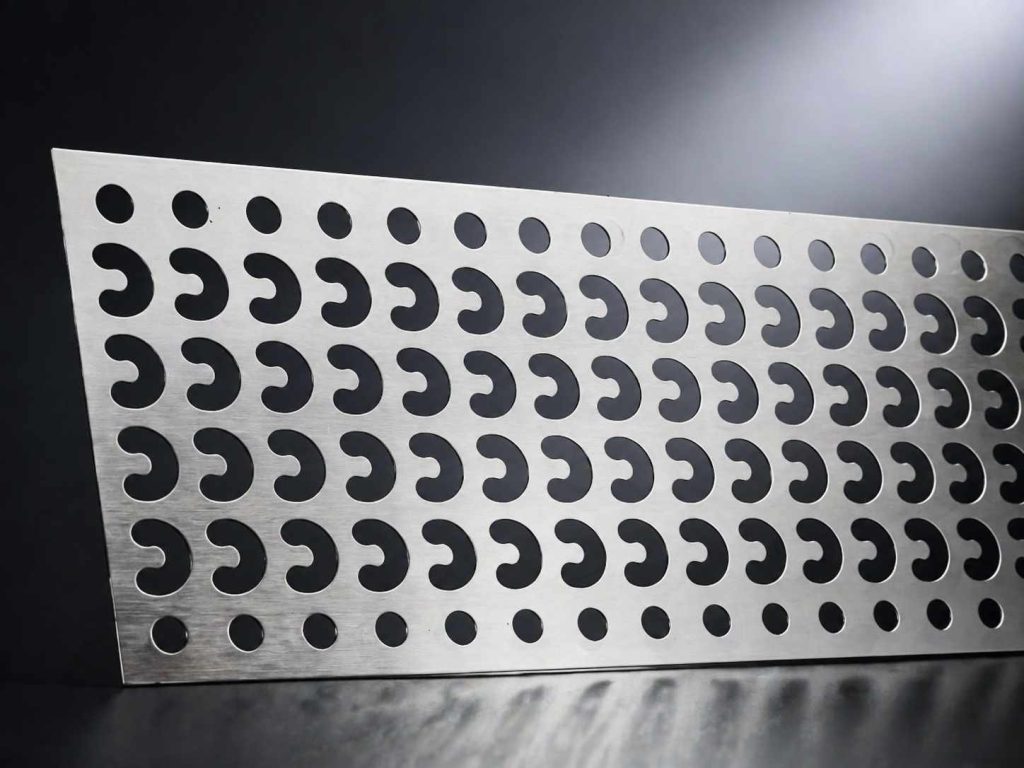
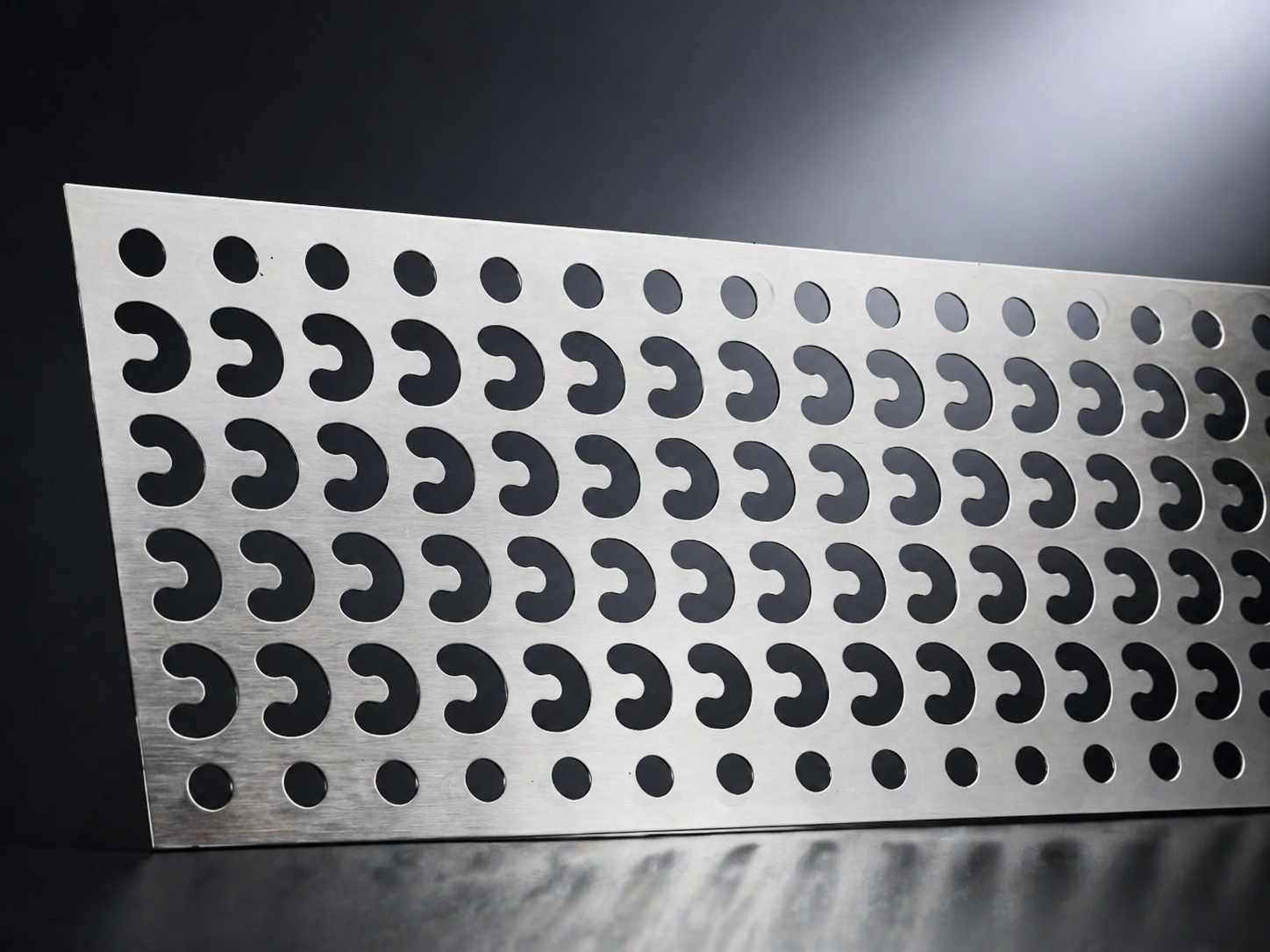
Corrosion resistance plays a crucial role in the longevity of electronic components. When you use materials that are prone to corrosion, you risk damaging the integrity and performance of your devices. This is where nickel plated steel strips come into play. By applying a nickel layer, you enhance the steel’s resistance to rust and wear. The resulting plated surface not only protects against environmental factors but also ensures that your components maintain optimal functionality over time.
Key Takeaways
Nickel plated steel strips significantly enhance corrosion resistance, prolonging the lifespan of electronic components.
Understanding electromagnetic interference (EMI) is crucial; nickel plated steel strips help mitigate its effects, ensuring reliable device performance.
These strips offer excellent electrical conductivity, making them a cost-effective alternative to pure nickel in many applications.
Nickel plated steel strips are versatile, finding use in various industries, including electronics, automotive, and aerospace.
Utilizing nickel plated steel strips can lead to fewer repairs and replacements, ultimately saving time and money.
Electromagnetic Interference (EMI)
Understanding EMI
Electromagnetic Interference (EMI) refers to the disruption of electronic devices caused by electromagnetic radiation. This interference can stem from both natural and man-made sources. Understanding these sources is crucial for designing reliable electronic components. Here’s a breakdown of the primary sources of EMI:
Type | Sources |
|---|---|
Natural | Lightning strikes, Cosmic microwave background, Solar flares |
Man-made | Power lines, Motors, Cellular networks, Other electronic devices |
Effects on Component Performance
EMI can significantly impact the performance and reliability of electronic components. You may experience various issues, including:
Signal integrity problems, leading to disturbances in electronic components.
System malfunctions or even complete failures.
In digital circuits, EMI can cause bit errors, clock jitter, and false triggering of logic gates.
Analog circuits may suffer from noise, distortion, and unwanted oscillations, degrading signal quality.
To combat these challenges, incorporating nickel plated steel strips into your designs can be highly beneficial. These strips possess unique properties that help mitigate EMI effects.
Steel provides excellent conductivity and high relative permeability, enhancing its effectiveness in low-frequency magnetic shielding (below 100 kHz).
Nickel alloys, such as Mu-metal, offer superior low-frequency magnetic shielding, crucial for protecting sensitive electronic components.
Nickel plated steel strips work through two primary mechanisms: reflection and absorption. The conductive surface reflects a significant portion of the incident electromagnetic energy due to impedance mismatch. Any remaining energy generates eddy currents, converting electromagnetic energy into heat. This dual action effectively reduces EMI, ensuring your electronic components operate reliably in various environments.
By understanding EMI and utilizing nickel plated steel strips, you can enhance the durability and performance of your electronic devices.
Benefits of Nickel Plated Steel Strip
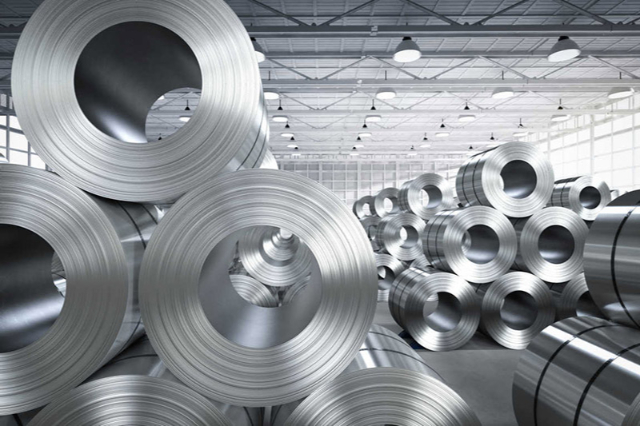
Corrosion Resistance
Corrosion resistance is one of the standout features of nickel plated steel strips. When you use these strips in your electronic components, you benefit from a robust barrier against corrosion. This is particularly important for devices exposed to moisture and other corrosive elements. The unique structure of duplex nickel plating enhances this protection, prolonging the lifespan of your electronic devices and reducing the frequency of maintenance.
Nickel plating acts as a strong barrier against corrosion.
It significantly reduces the risk of damage from environmental factors.
You can expect longer-lasting performance from your components.
By minimizing corrosion, you not only enhance the durability of your devices but also improve their reliability. This means fewer repairs and replacements, ultimately saving you time and money.
Electrical Conductivity
Electrical conductivity is another critical advantage of nickel plated steel strips. These strips provide excellent conductivity, making them suitable for various electronic applications. Here’s a comparison of the electrical conductivity of nickel plated steel strips versus alternative conductive materials:
Material | Current Carrying Capacity (A/mm²) | |
|---|---|---|
Pure Nickel | Low (~7-10) | ~10 |
Nickel-Plated Steel | High (~4x Pure Nickel) | ~7 |
Copper | N/A | ~30 |
While nickel plated steel strips have a higher resistance compared to pure nickel, they still offer adequate performance for many applications. Their versatility allows them to serve as a cost-effective alternative to pure nickel components.
However, it’s essential to consider how the electrical properties of nickel can influence signal integrity in electronic circuits. The ferromagnetic nature of nickel can lead to signal degradation, particularly at higher frequencies. Here’s a breakdown of how nickel affects signal integrity:
Aspect | Description |
|---|---|
Ferromagnetic Properties | Nickel’s ferromagnetic nature can lead to signal degradation. |
Bulk Resistivity | Increased bulk resistivity of nickel reduces skin depth, increasing resistance and inductance. |
Frequency Impact | Higher insertion losses and group delay dispersion occur particularly between 2 and 3 GHz. |
Surface Roughness | Variations in surface roughness can increase resistive losses and distort S-parameters, affecting high-frequency performance. |
Despite these challenges, nickel plated steel strips remain a reliable choice for many electronic applications. They are ideal for battery connections, suitable for spot welding and soldering, and widely used in manufacturing solar panels, switches, and circuit boards.
Applications of Nickel Plated Steel Strip

Electronics and Battery Technology
Nickel plated steel strips play a vital role in the electronics and battery technology sectors. Their unique properties make them ideal for various applications, enhancing performance and safety. In consumer electronics, these strips are commonly used in battery connections, where they provide reliable conductivity and corrosion resistance.
Here’s a quick overview of the pros and cons of using nickel plated steel strips in battery technology:
Pros | Cons |
|---|---|
Lower cost | High resistance (heating issues) |
Higher tensile strength | Poor corrosion resistance if scratched |
Harder to weld reliably | |
Best for low-cost, low-drain devices |
The demand for nickel plated steel strips in the electronics industry is significantly driven by the rise of electric vehicles and renewable energy systems. These applications require materials that offer high corrosion resistance and durability, which nickel plating provides. Additionally, the electronics sector utilizes these strips for their conductivity in various components such as connectors and switches.
Other Industrial Uses
Beyond electronics, nickel plated steel strips find applications across various industries. Their versatility and durability make them suitable for numerous industrial uses. Here’s a look at some common applications:
Industry | Application Description |
|---|---|
Automotive | Nickel plated bus bars are used in battery management systems and power distribution in electric and hybrid vehicles. |
Aerospace | Nickel plated bus bars are employed in aircraft electrical systems for power distribution and component connection. |
The increasing focus on eco-friendly manufacturing processes and stringent environmental regulations is pushing manufacturers to innovate in plating technologies. This trend is crucial for the growth of nickel plated steel strips, as companies are developing specialized formulations to meet the demands of modern applications.
Material Properties and Manufacturing
Ductility and Precision
Nickel plated steel strips exhibit remarkable ductility, allowing them to withstand significant deformation without breaking. This property is essential for applications requiring intricate shapes and designs. The precision of these strips is equally impressive, making them suitable for high-performance electronic components. The manufacturing process involves several key steps to ensure that you receive a product that meets stringent quality standards.
Electroplating: This electrochemical process deposits nickel onto the steel surface, enhancing its properties.
Electroless Plating: This method allows for nickel deposition without electric current, ensuring uniform coverage.
The combination of these processes results in a nickel plated strip that maintains its integrity under various conditions.
Continuous Electroplating Process
The continuous electroplating process is vital for producing nickel plated steel strips efficiently. This method allows for high-speed production while ensuring a uniform nickel layer across the surface. Here are the main steps involved:
Step | Description |
|---|---|
Pre-cleaning and degreasing | Removal of oils and contaminants using solvent or alkaline cleaners. |
Rinse and inspection | Rinsing to remove residues and correcting defects. |
Surface conditioning and activation | Preparing the surface for nickel bonding through acid treatments. |
Strike plating (when required) | Applying a thin layer to improve adhesion. |
Main nickel electroplating | Parts are plated in a nickel bath with controlled conditions. |
Rinsing, post-treatments and drying | Final rinses, optional treatments, and drying of parts. |
This process not only enhances the appearance of the plated steel but also significantly improves its functionality. The uniform distribution of the nickel layer ensures that the strips maintain their corrosion resistance and electrical conductivity.
Incorporating nickel plated steel strips into your electronic components offers numerous advantages. These strips enhance mechanical properties, such as tensile strength and abrasion resistance, which contribute to overall durability. You benefit from improved surface finishes that reduce friction, making handling easier and extending product lifespan.
Additionally, the corrosion resistance provided by nickel plating is crucial for the longevity of your devices. Enhanced conductivity further improves performance in various electronic applications. By choosing nickel plated steel strips, you ensure that your components remain reliable and efficient over time.
FAQ
What are nickel plated steel strips?
Nickel plated steel strips are steel strips coated with a layer of nickel. This coating enhances corrosion resistance and electrical conductivity, making them ideal for various electronic applications.
How do nickel plated steel strips improve durability?
The nickel layer acts as a protective barrier against environmental factors, reducing the risk of corrosion. This protection prolongs the lifespan of electronic components and minimizes maintenance needs.
Can I use nickel plated steel strips in high-frequency applications?
While nickel plated steel strips are suitable for many applications, their ferromagnetic properties may lead to signal degradation at higher frequencies. Consider your specific requirements before use.
What industries benefit from nickel plated steel strips?
Industries such as electronics, automotive, aerospace, and renewable energy utilize nickel plated steel strips. Their versatility makes them valuable in applications requiring durability and conductivity.
How are nickel plated steel strips manufactured?
Manufacturers use processes like electroplating and electroless plating to apply nickel onto steel strips. These methods ensure uniform coverage and enhance the strips’ mechanical and electrical properties.
See Also
Boosting Electronics With Precision Metal Strip Materials
Improving Smart Wearables Using Pre-Plated Steel Strips
Exploring Roll-to-Roll Etching Benefits for Future Electronics
Strategies to Lower Plating Mold Expenses for Electronics Makers