
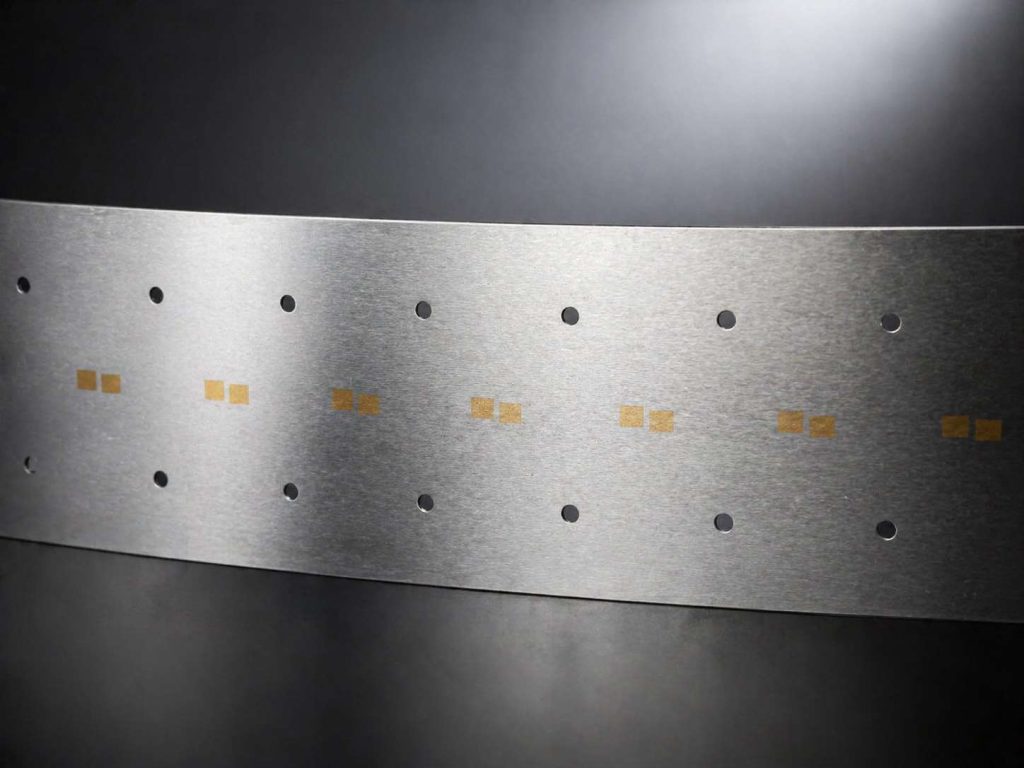
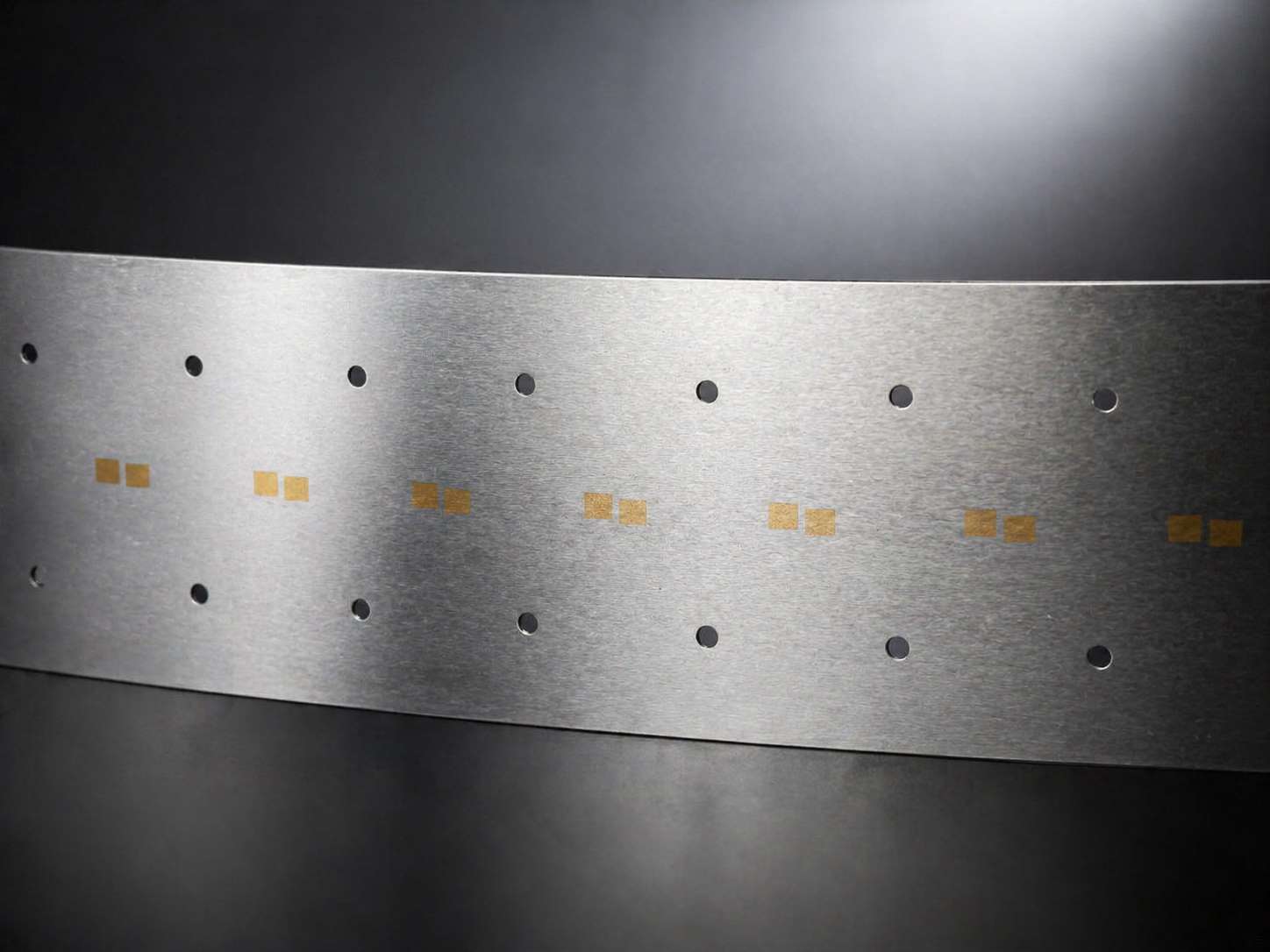
Continuous electroplating strip technology plays a vital role in modern manufacturing. This process allows you to achieve high-quality finishes on metal strip materials, enhancing their performance and durability. You can find applications of continuous electroplating across various industries, from electronics to automotive. The benefits are significant, including improved corrosion resistance and aesthetic appeal. By utilizing continuous electroplating, you ensure that your products meet the high standards of today’s competitive market.
Key Takeaways
Understand the importance of electrolyte composition. Choosing the right chemicals affects adhesion, brightness, and durability of coatings.
Maintain optimal temperature and humidity levels. Ideal conditions prevent defects and ensure high-quality electroplating results.
Implement regular maintenance and calibration of equipment. This practice prevents contamination and ensures consistent production quality.
Utilize automation and real-time monitoring systems. These technologies enhance efficiency, improve safety, and maintain quality control.
Optimize fluid dynamics with precise flow rates. Accurate delivery of electrolytes leads to uniform coating thickness and reduced waste.
Principles of Electroplating
Electroplating Chemistry
Electroplating involves a fascinating chemical process that allows you to deposit a layer of metal onto a substrate. This process relies on an electrolytic solution, which contains metal ions. When you apply an electric current, these ions migrate to the substrate and form a solid metal layer. The quality of this layer depends on several factors, including the composition of the electrolyte, temperature, and current density.
The electrolytic process can be broken down into a few key components:
Electrolyte Composition: The choice of chemicals in the electrolyte significantly impacts the quality of the electroplated layers. Different metals require specific formulations to achieve optimal results.
Current Density: This refers to the amount of electric current per unit area of the substrate. Adjusting the current density can influence the thickness and uniformity of the coating.
Temperature Control: Maintaining the right temperature is crucial. If the temperature is too high, it can lead to defects in the coating. For instance, temperatures between 20-26°C are ideal for the electroplating industry, with humidity levels between 50-73% to ensure cleanliness.
Quality Influencing Factors
Several factors influence the quality of electroplated coatings. Understanding these factors can help you achieve superior results in your electroplating processes. Here are some key elements to consider:
Electrolyte Composition: The composition of plating chemicals affects coating properties. Key factors include:
Adhesion strength
Brightness
Color
Mechanical durability
Chemical resistance
The table below summarizes how different electrolyte compositions impact these properties:
Property
Impact of Electrolyte Composition
Adhesion Strength
Varies with chemical formulation and bath control
Brightness
Influenced by the selection of plating chemicals
Color
Dependent on the electrolyte used
Mechanical Durability
Affected by the stability of the plating bath
Chemical Resistance
Determined by the chemical selection
Temperature Control: As mentioned earlier, temperature plays a vital role in the electroplating process. If the temperature is too high, it can lead to sweating on the product, contaminating it and reducing quality. Therefore, you must control temperature and humidity in your cleanroom environment.
Bath Stability: The stability of the plating bath is essential for consistent quality. Regular monitoring and adjustments can help maintain optimal conditions.
By paying attention to these factors, you can enhance the quality of your electroplated coatings, ensuring they meet the demands of various applications in the electroplating industry.
Continuous Electroplating Strip Process
Equipment Overview
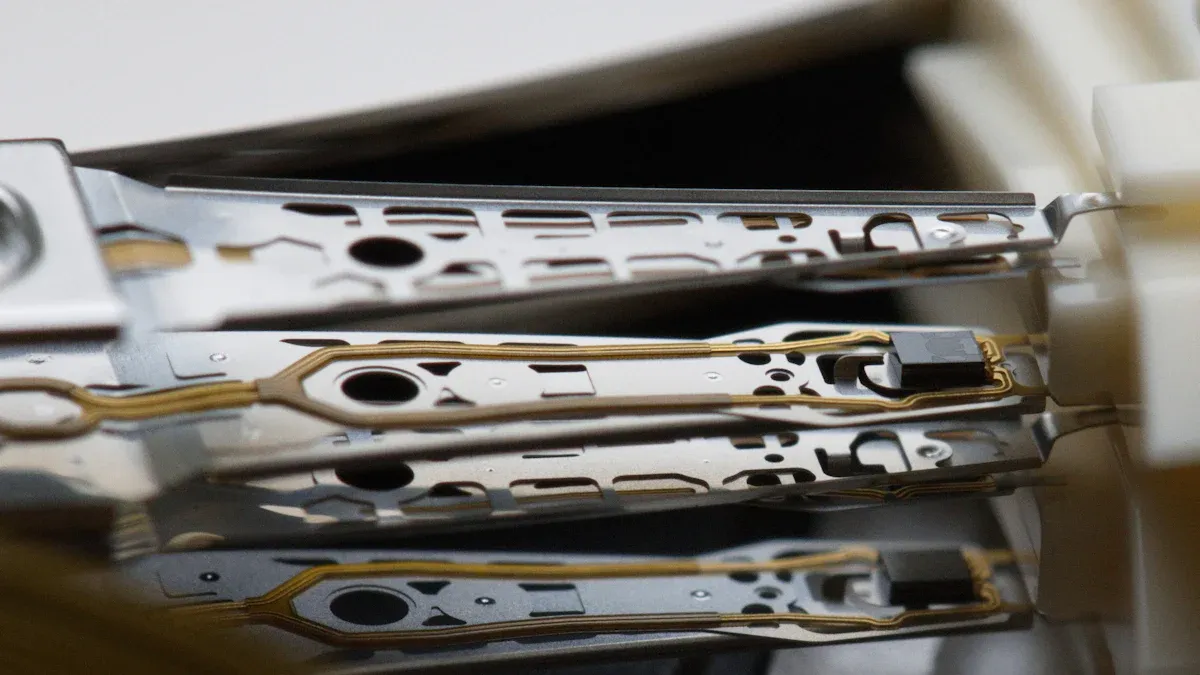
In continuous electroplating, the right equipment is crucial for achieving high-quality coatings on metal strips. You will find that various types of electroplating equipment work together to create an efficient and effective process. Here are some key components of a typical continuous electroplating system:
Electrolytic Cells: These cells hold the electrolyte solution and facilitate the electroplating process. They come in different designs, including vertical continuous plating lines, which maximize space and efficiency.
Anodes and Cathodes: Anodes supply metal ions to the electrolyte, while cathodes serve as the substrate where the coating forms. The choice of materials for these components can affect the quality of the coating.
Heating and Cooling Systems: Maintaining the right temperature is essential for optimal electroplating. These systems help regulate the temperature of the electrolyte, ensuring consistent results.
Filtration Units: These units remove impurities from the electrolyte, which can negatively impact the coating quality. Regular maintenance of filtration systems is vital for long-term performance.
Automation Systems: Robotic arms and programmable logic controllers (PLCs) streamline the process, allowing for precise control over various parameters.
Process Flow and Automation
The flow of the continuous electroplating strip process is designed to maximize efficiency and quality. You can expect a systematic approach that includes several stages:
Preparation: The metal strips undergo cleaning and surface preparation to ensure proper adhesion of the coating.
Electroplating: The strips pass through the electrolytic cells, where the electroplating occurs. Here, the electric current drives metal ions from the anode to the cathode, forming a uniform coating.
Post-Treatment: After electroplating, the strips may undergo additional treatments, such as rinsing or drying, to enhance the coating’s properties.
Automation plays a significant role in this process. By deploying advanced technologies, you can achieve:
Improved safety
Traceability of materials
Quality control throughout the process
Energy-efficient operations
Automation systems, such as IoT sensors, monitor key performance indicators (KPIs) and material behavior during processing. This data empowers you to make informed decisions that improve throughput, reduce waste, and ensure consistent product quality.
“By collecting data from machines and processing units, we can monitor key performance indicators (KPIs) and material behavior during processing. This empowers us to make informed decisions that improve throughput, reduce waste, and ensure consistent product quality.”
With the right equipment and a well-automated process flow, you can achieve high-quality continuous electroplating that meets the demands of modern manufacturing.
Role of Flow Meters and Nozzles
Precision in Delivery
In continuous electroplating, precision in delivery is crucial. Flow meters and nozzles play a significant role in ensuring that the electrolyte reaches the metal strips uniformly. When you maintain accurate flow rates, you enhance the consistency of the coating. This consistency leads to better adhesion and improved quality of the protective layers.
Consider the following benefits of precise delivery:
Uniform Coating Thickness: Accurate flow rates help achieve a uniform thickness across the entire surface of the substrate. This uniformity is essential for both aesthetic and functional purposes.
Reduced Waste: By controlling the flow, you minimize excess electrolyte usage. This reduction not only saves costs but also decreases environmental impact.
Enhanced Quality Control: With precise delivery, you can monitor the process more effectively. This monitoring allows for quick adjustments, ensuring that the electroplating process remains within optimal parameters.
Optimizing Fluid Dynamics
Optimizing fluid dynamics is another critical aspect of the electroplating process. Properly designed nozzles can significantly influence the flow patterns of the electrolyte. When you optimize these patterns, you improve the efficiency of the electroplating process.
Here are some key considerations for optimizing fluid dynamics:
Nozzle Design: The shape and size of the nozzle affect how the electrolyte interacts with the substrate. A well-designed nozzle can create a turbulent flow, which enhances the transport of metal ions to the surface.
Flow Rate Adjustments: Adjusting the flow rate based on real-time data can lead to better coating results. For instance, increasing the flow rate during peak production times can help maintain consistent quality.
Expert Insights: According to industry experts, optimizing fluid dynamics can lead to a 15% increase in coating efficiency. This improvement translates to higher productivity and lower operational costs.
By focusing on precision in delivery and optimizing fluid dynamics, you can achieve high-quality electroplating results. These practices not only enhance the performance of your coatings but also contribute to the overall efficiency of your manufacturing process.
Bonysn’s continuous electroplating technology
The process covers a wide range
Bonysn’s continuous electroplating technology offers a versatile solution for various industrial applications. You can choose from a broad spectrum of electroplating options, including:
Gold: Options like immersion gold plating, brush gold plating, wheel gold plating, and dot gold plating.
Silver: Fully plated silver and selective silver, including bright and frosted finishes.
Tin: Fully plated tin and selective tin plating, featuring bright pure tin and snow-white pure tin.
Nickel: Bright nickel, semi-bright nickel, multi-layer nickel, black nickel, and pearl nickel.
Copper: Acid copper and alkaline copper options.
This extensive range allows you to meet specific requirements for different projects, ensuring that you achieve the desired aesthetic and functional properties.
High efficiency and consistency
With Bonysn’s technology, you can expect high efficiency and consistency in your electroplating processes. The advanced automation systems streamline operations, allowing for precise control over parameters such as current density and temperature. This precision leads to uniform coating thickness and improved adhesion, which are crucial for achieving high-quality finishes.
Moreover, the technology minimizes waste and optimizes resource usage. By maintaining consistent conditions, you can enhance the overall quality of your coatings. This efficiency not only saves time but also reduces operational costs, making it a smart choice for mass production.
Possess national invention patents
Bonysn’s commitment to innovation is evident in its possession of national invention patents. These patents reflect the company’s dedication to advancing electroplating technology. By utilizing patented processes, you can trust that Bonysn’s solutions are at the forefront of the industry. This innovation translates into better performance and reliability for your electroplating needs.
Best Practices for Quality Assurance
Maintenance and Calibration
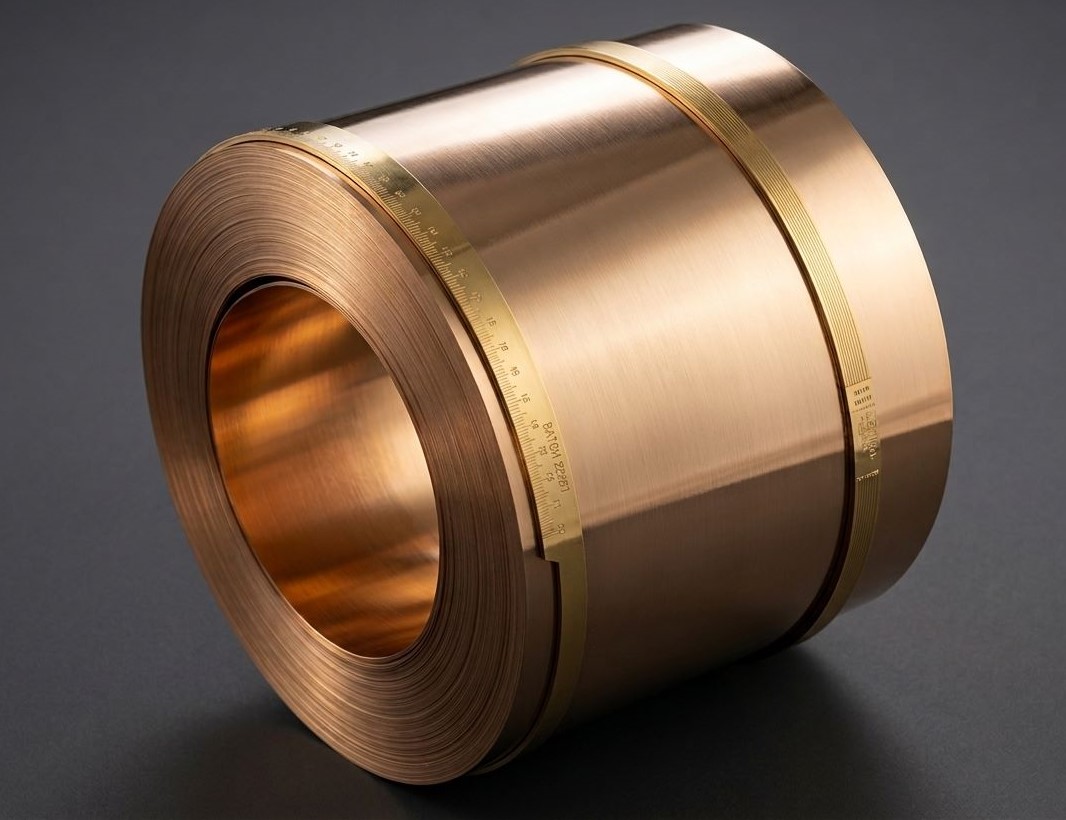
To ensure high-quality electroplating, regular maintenance and calibration of equipment are essential. You should establish a routine schedule for inspecting and cleaning electroplating systems. This practice prevents buildup and contamination, which can affect the coating quality. Calibration of flow meters and temperature controls ensures that the electroplating process remains consistent. You might consider using automated systems to alert you when calibration is needed. This proactive approach minimizes downtime and maintains optimal production conditions.
Monitoring Techniques
Monitoring techniques play a crucial role in maintaining the quality of electroplating. Implementing real-time monitoring systems allows you to track key parameters such as current density and electrolyte composition. These systems provide immediate feedback, enabling you to make adjustments swiftly. You should also consider integrating IoT sensors to gather data on the electroplating process. This data helps identify trends and potential issues before they impact the coating quality.
Tip: Regularly review the data collected from monitoring systems to ensure the electroplating process stays within industry standards.
By adopting these best practices, you enhance the reliability and efficiency of your electroplating operations. Consistent monitoring and maintenance ensure that your coatings meet the high standards required in mass production.
In summary, achieving high-quality continuous electroplating is essential for successful mass production. You must focus on several key factors, including the selection of compatible plating chemicals and maintaining bath stability. These practices ensure consistent quality throughout long production cycles. Conducting trials before mass production helps you evaluate compatibility with existing systems and adjust formulations as necessary. By implementing these best practices, you can enhance the performance and durability of your electroplated products, ensuring they meet the demands of today’s competitive market.
FAQ
What industries benefit from continuous electroplating?
You can find continuous electroplating in various industries, including electronics, automotive, and aerospace. This process enhances product durability and performance, meeting the high standards of modern manufacturing.
How does Bonysn ensure quality in electroplating?
Bonysn employs advanced automation and real-time monitoring systems. These technologies maintain optimal conditions, ensuring consistent quality in electroplating processes and reducing defects.
What types of coatings can Bonysn provide?
Bonysn offers a wide range of coatings, including gold, silver, nickel, tin, and copper. Each option can be tailored to meet specific aesthetic and functional requirements for your projects.
How does automation improve the electroplating process?
Automation streamlines operations, allowing for precise control over parameters like current density and temperature. This leads to uniform coating thickness and improved adhesion, enhancing overall quality.
Why choose Bonysn for continuous electroplating?
Bonysn’s technology combines efficiency, consistency, and patented processes. This commitment to innovation ensures you receive high-quality electroplating solutions tailored to your needs.
See Also
Enhancing Lead Frame Quality Through Selective Electroplating
Spot Gold Plating On Thin Strips Using Moldless Selective Plating
Revolutionizing Battery Production With Roll-to-Roll Etching
Strategies To Lower Plating Mold Expenses For Electronics Makers
Vietnam’s OEM Assembly Lines Benefit From Continuous Metal Etching