
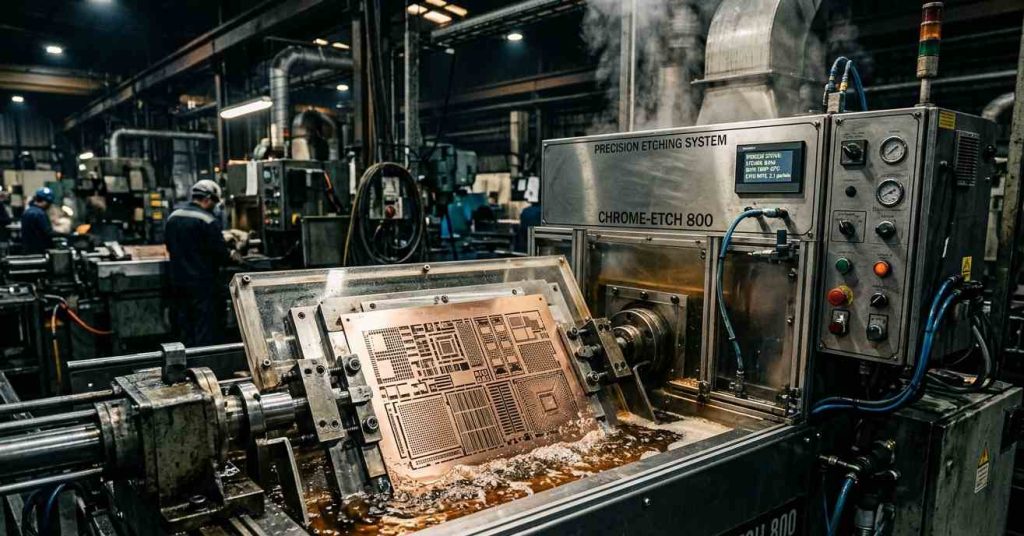
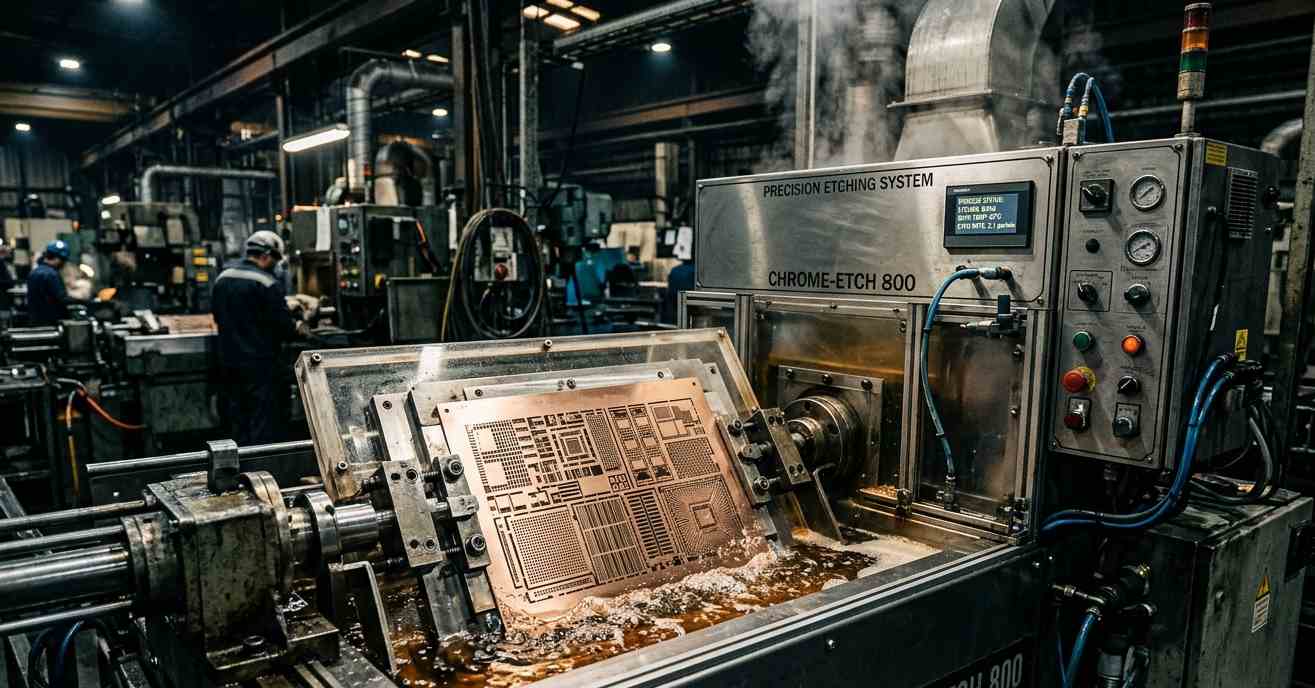
Tool-free selective plating changes US tech manufacturing. This new process makes things faster by removing complex tools. You can save a lot of money, which helps with pricing. Also, the quality of plated parts gets better, leading to improved product performance. By using tool-free continuous plating, your business can succeed in a tougher market.
Key Takeaways
Tool-free continuous plating makes production faster. It removes the need for molds and complicated tools.
This new method cuts costs by reducing waste and setup expenses.
High precision in plating keeps quality consistent. It meets the needs of industries like semiconductors and aerospace.
Using eco-friendly practices with tool-free plating helps support sustainability in tech manufacturing.
To stay competitive, companies must use new technologies like tool-free selective plating.
Reel-to-Reel Plating Overview
Limitations of Traditional Methods
Reel-to-reel plating is important for making metal strips and foils. In this method, metal strips move through plating baths. This adds a thin layer of metal. However, this process needs special tools and molds. These are used to shape and cover areas for plating. While it works, traditional methods have some problems.
First, custom tools slow down production. You need to design and make molds before plating starts. This takes time and costs money. Second, these tools limit flexibility. If you want to change plating patterns, you must create new molds. This makes it hard to quickly adjust to design changes. Third, traditional plating uses too many chemicals and raises environmental issues. The process can create extra waste and needs careful handling of dangerous materials. Finally, precision is a problem. Industries like semiconductor packaging need tighter tolerances. Traditional methods often fail to meet these high standards.
Need for Innovation
You feel pressure to be more efficient, cut costs, and meet quality standards. The market wants faster turnaround times and greener processes. Emerging economies and digital changes are growing the plating industry quickly. You also need more precision for advanced uses like AI chips, electric cars, and aerospace parts.
Innovation Drivers | Description |
|---|---|
New technology and players increase demand for plating solutions. | |
Eco-Friendly Processes | Green methods lower waste and environmental harm. |
Precision and Efficiency | High-precision plating is crucial for modern tech manufacturing. |
Investment in R&D | Companies create next-gen systems with better control and fewer emissions. |
Adoption of Sustainable Chemistries | New chemistries enhance process control and follow regulations. |
Tool-free continuous plating solves many of these problems. By removing the need for molds and tools, you gain speed and flexibility. This technology also supports eco-friendly chemicals and provides the precision needed for today’s manufacturing. As a result, you can lower costs, boost quality, and speed up production cycles.
Using tool-free continuous plating helps you stay competitive in a fast-changing market. It offers a way to meet rising demands while supporting green and efficient manufacturing practices.
Tool-Free Continuous Plating Technology
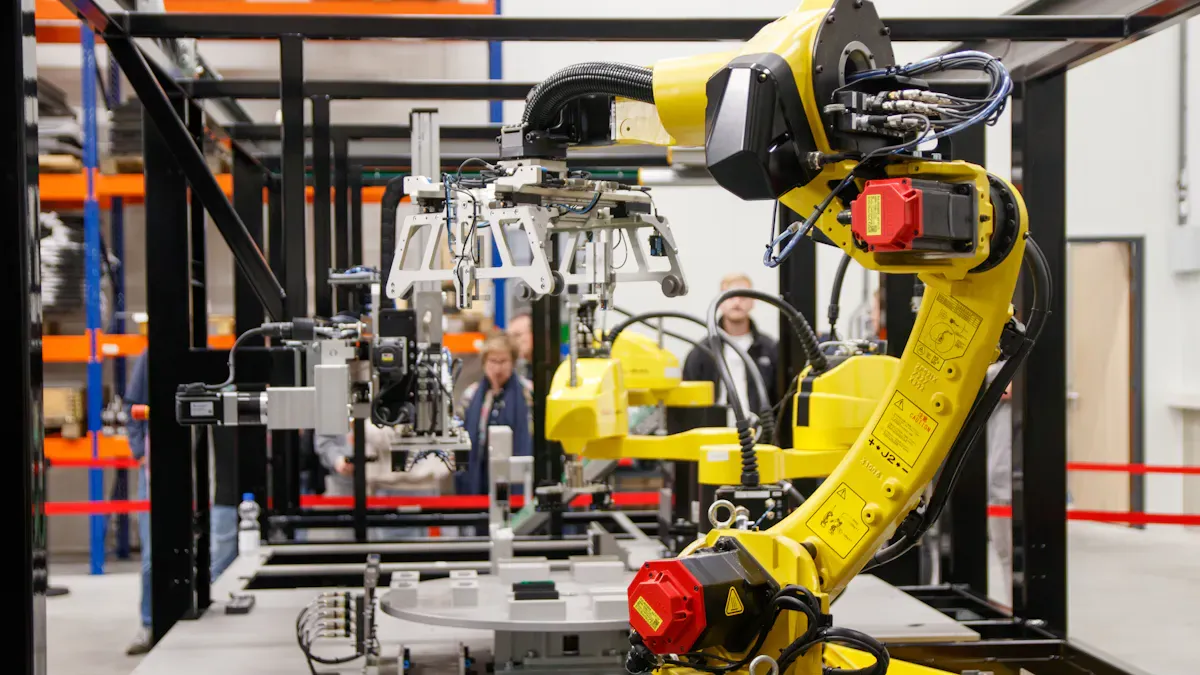
Key Features
Tool-free continuous plating is a big step forward in manufacturing. This method gets rid of molds and complex tools. This makes the process faster and more efficient. Here are some important features:
Automation: This technology is very automated. It cuts down on human mistakes and speeds up production.
Coating Control: You have exact control over how thick the plating is. This makes sure every layer meets your needs.
Production Speed: Tool-free continuous plating works quickly. It is great for making large amounts of products.
Material Compatibility: It works best with long, even items. This allows for consistent plating over long lengths.
Initial Setup Cost: The starting costs can be lower than traditional methods. Traditional methods often need expensive tools.
Feature | Traditional Methods | |
|---|---|---|
Automation | Very automated | Varies, often less automated |
Coating Control | Exact control over thickness | Limited control |
Production Speed | Fast, good for volume | Slower, often batch processing |
Material Compatibility | Long, even items | More versatile, various shapes |
Initial Setup Cost | Possibly lower | Often higher due to tooling |
How It Works
The tool-free continuous plating process is simple but clever. Instead of using molds, this technology uses advanced systems. These systems apply plating materials directly onto the surface. Here’s how it works:
Substrate Preparation: You start with a clean surface. This is important for good sticking.
Plating Application: The plating solution goes directly onto the surface as it moves through the system. This removes the need for molds.
Control Systems: Advanced systems check the thickness and quality of the plating while it happens. This helps you get the right specifications without over- or under-plating.
Finalization: After plating, the surface goes through a drying or curing process. This makes the coating solid.
Experts say that “tool-free continuous plating not only improves efficiency but also greatly cuts down on waste. This makes it a smart choice for modern manufacturing.” This new method helps you quickly adjust to market changes while keeping high-quality standards.
By using tool-free continuous plating, you put your business at the front of manufacturing technology. This method not only makes production easier but also shows your commitment to being sustainable and maintaining quality.
Benefits of Tool-Free Continuous Plating
Efficiency Improvements
Tool-free continuous plating makes manufacturing much more efficient. It removes the need for molds and complex tools. This helps you speed up production. You can set up faster and switch between different plating jobs quickly. You can expect:
Reduced Downtime: No mold changes mean fewer breaks in production.
Increased Throughput: Automation helps you make more parts in less time.
Flexibility: You can easily change designs without making new molds.
This efficiency helps you meet tight deadlines and respond to market needs quickly.
Cost Reductions
Cost savings are another big benefit of tool-free continuous plating. By not using molds and tools, you lower initial setup costs. Here’s how you can save:
Lower Material Costs: The process uses fewer chemicals. This cuts costs and is better for the environment. Electroless nickel plating, for example, is less harmful than traditional methods.
Reduced Waste: Better control over plating means less waste. This is important as environmental rules push for greener manufacturing.
Long-Term Savings: The initial investment in technology might seem high. However, long-term savings from lower labor and material costs make it a smart choice.
Quality Enhancements
Quality is very important in tech manufacturing, and tool-free continuous plating does well here. You can achieve:
Consistent Coating Thickness: You have precise control over how thick the plating is. This ensures every part meets your needs. This is crucial for industries needing high tolerances, like semiconductors and aerospace.
Improved Surface Finish: The advanced technology used gives a better surface finish, improving your products’ overall quality.
Compliance with Industry Standards: Many companies use tool-free continuous plating and get certifications for quality and environmental standards. This boosts your credibility and shows customers you care about excellence.
By using tool-free continuous plating, you help your business gain better efficiency, lower costs, and higher quality. This technology meets today’s manufacturing needs and prepares you for future challenges in the tech industry.
Case Studies of Implementation
Bonysn’s Innovations
Bonysn is a leader in tool-free continuous plating technology. They have a new way that removes the need for molds. This helps make production faster and cuts costs. For example, Bonysn created a special system that puts plating materials right on metal strips. This method speeds up the process and improves the final product’s quality.
“With our tool-free technology, we reduced production time by 30%,” says a Bonysn engineer. “This change allows us to meet customer demands quickly while maintaining high standards.”
Bonysn also cares about being eco-friendly. They use safe chemicals that reduce waste and harm to the environment. This focus on green practices matches the industry’s move toward responsible manufacturing.
Industry Impact
Other companies are also using tool-free continuous plating. For example, a top semiconductor maker used this technology to make their production line better. They reported a 25% boost in efficiency and a big drop in material waste.
Company Name | Innovation Impact | Efficiency Gain |
|---|---|---|
Bonysn | Reduced production time by 30% | 30% |
Semiconductor Co. | Increased efficiency by 25% | 25% |
Automotive Supplier | Enhanced quality and reduced costs | 20% |
These examples show how tool-free continuous plating is changing manufacturing in many areas. Companies gain from better efficiency, lower costs, and higher quality. As more businesses start using this technology, you will see a big change in manufacturing.
By looking at these case studies, you can see the real benefits of tool-free continuous plating. This technology not only improves production but also helps support eco-friendly practices in tech manufacturing.
Future Implications for US Tech Manufacturing
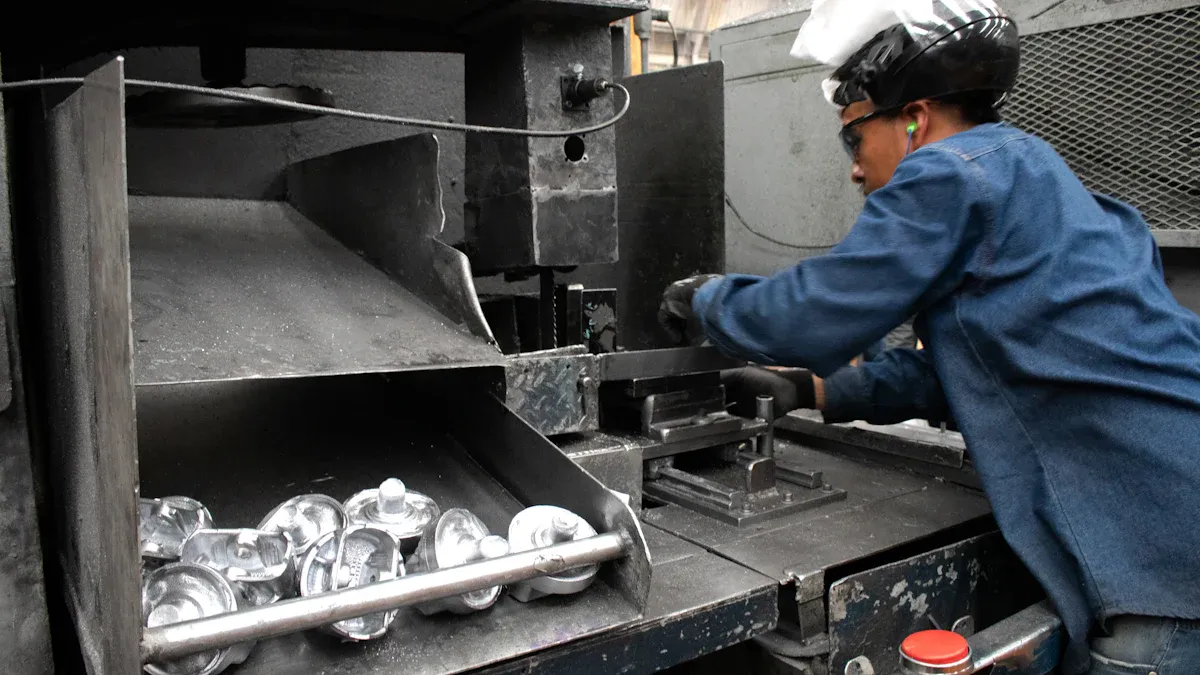
Trends in Manufacturing
The way we make things is changing fast. You can see some important trends that will shape tech manufacturing:
Increased Automation: More companies are using machines to work faster. This helps reduce mistakes and speeds up making products.
Sustainability Focus: Businesses care more about being eco-friendly. They look for ways to create less waste and use safer materials.
Customization Demand: Customers want products made just for them. Manufacturers need to change quickly to meet these special requests.
Advanced Materials: New materials make products work better. These changes create a need for better plating methods.
These trends show why it’s important to use technologies like tool-free continuous plating. This method fits well with the need for speed and being eco-friendly.
Challenges and Solutions
Even though the future seems bright, there are still challenges. You might deal with problems like:
Initial Investment Costs: Switching to new technologies can cost a lot. Companies need to think about the long-term benefits compared to the upfront costs.
Skill Gaps: As machines take over more tasks, workers need new skills. Training programs can help fill this gap.
Regulatory Compliance: Following environmental rules can be tricky. It’s important to stay updated on law changes.
To solve these challenges, think about these solutions:
Phased Implementation: Slowly start using tool-free continuous plating. This way, you can control costs and avoid big disruptions.
Invest in Training: Offer training for your workers. This helps ensure your team can use new technologies well.
Engage with Experts: Work with industry experts. Their advice can help you understand regulations and improve processes.
By solving these challenges, you can set your business up for success in the changing tech manufacturing world.
Tool-free selective plating changes US tech manufacturing in important ways. This method helps you make complex parts with special materials. You get more design options without needing traditional tools. Here are some main benefits:
It allows quick manufacturing without needing a lot of products.
The process supports digital production, which cuts down on central sites.
Selective plating improves performance by adding metals only where needed.
Using this technology is key to staying competitive. It helps you meet strict performance standards while saving money. Use tool-free selective plating to be a leader in modern manufacturing.
FAQ
What is tool-free selective plating?
Tool-free selective plating is a way to make things without using molds or complicated tools. This method helps you produce items faster, save money, and improve the quality of metal parts.
How does tool-free continuous plating improve efficiency?
This method makes things more efficient by using machines to automate tasks. It cuts down on waiting times and lets you switch between different plating jobs quickly. You can create more parts in less time without the delays that come with traditional tools.
What industries benefit from this technology?
Industries like semiconductors, aerospace, automotive, and renewable energy gain a lot from this technology. Tool-free selective plating helps them meet their needs for speed, precision, and eco-friendly methods.
Are there environmental benefits to using this technology?
Yes! Tool-free continuous plating creates less chemical waste and uses safer materials. This fits well with the industry’s move towards greener manufacturing practices.
How can I implement tool-free selective plating in my business?
Begin by looking for suppliers and technology companies that focus on tool-free continuous plating. Think about starting slowly to manage costs and train your workers properly.
See Also
Innovative Mold-Free Selective Coating Technology for AI Processors
Continuous Roll Etching: Revolutionizing Production of Energy Batteries
The Impact of Precision Metal Strips on Electronics Performance
Improving Smart Wearables Using Pre-Coated Stainless Steel Strips
Essential Metal Coatings for Your 304 Stainless Steel Strips