
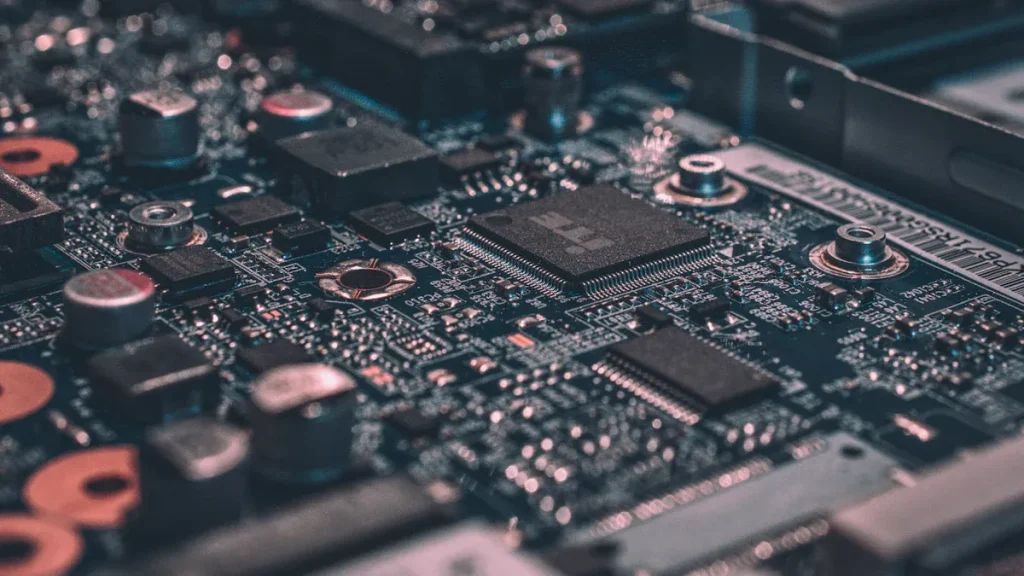
In the fast-evolving electronics industry, you face increasing demands for efficiency and quality. Mold-free selective plating services have emerged as a crucial solution, especially for 3C electronic connectors. This innovative approach eliminates the need for traditional molds, allowing for greater flexibility and precision in production. By adopting these services, you not only enhance the reliability of your connectors but also keep pace with the rapid technological advancements shaping the market.
Key Takeaways
Mold-free selective plating enhances the quality of 3C electronic connectors by ensuring precise control over plating thickness and reducing defects.
This innovative process is cost-efficient, as it eliminates the need for expensive molds and minimizes waste, leading to significant savings.
Choosing mold-free selective plating supports environmental sustainability by using fewer chemicals and generating less waste compared to traditional methods.
The flexibility of mold-free techniques allows for rapid design adjustments, enabling manufacturers to respond quickly to market demands.
Adopting mold-free selective plating positions your products for success in the competitive electronics market by improving quality and efficiency.
Advantages of Mold-free Selective Plating
Enhanced Quality
Mold-free selective plating services significantly improve the quality of 3C electronic connectors. This innovative process allows for precise control over the plating thickness and uniformity. You can expect a consistent finish that meets stringent industry standards. The elimination of molds reduces the risk of defects, ensuring that each connector performs reliably in various applications. As a result, you enhance the overall durability and functionality of your products.
Cost Efficiency
Cost efficiency is another major advantage of mold-free selective plating services. Traditional plating methods often involve high setup costs due to mold creation and maintenance. By eliminating molds, you reduce these initial expenses. Additionally, the streamlined process minimizes waste and lowers material costs. This efficiency translates into significant savings for your production line. You can allocate resources more effectively, allowing for competitive pricing in the market.
Environmental Benefits
The environmental impact of mold-free selective plating services is noteworthy. Traditional plating processes often generate hazardous waste and require extensive chemical treatments. In contrast, mold-free techniques utilize fewer chemicals and produce less waste. This approach aligns with global sustainability goals and helps you meet regulatory requirements. By choosing mold-free selective plating, you contribute to a greener future while maintaining high-quality production standards.
The Mold-free Selective Plating Process
Step-by-Step Overview
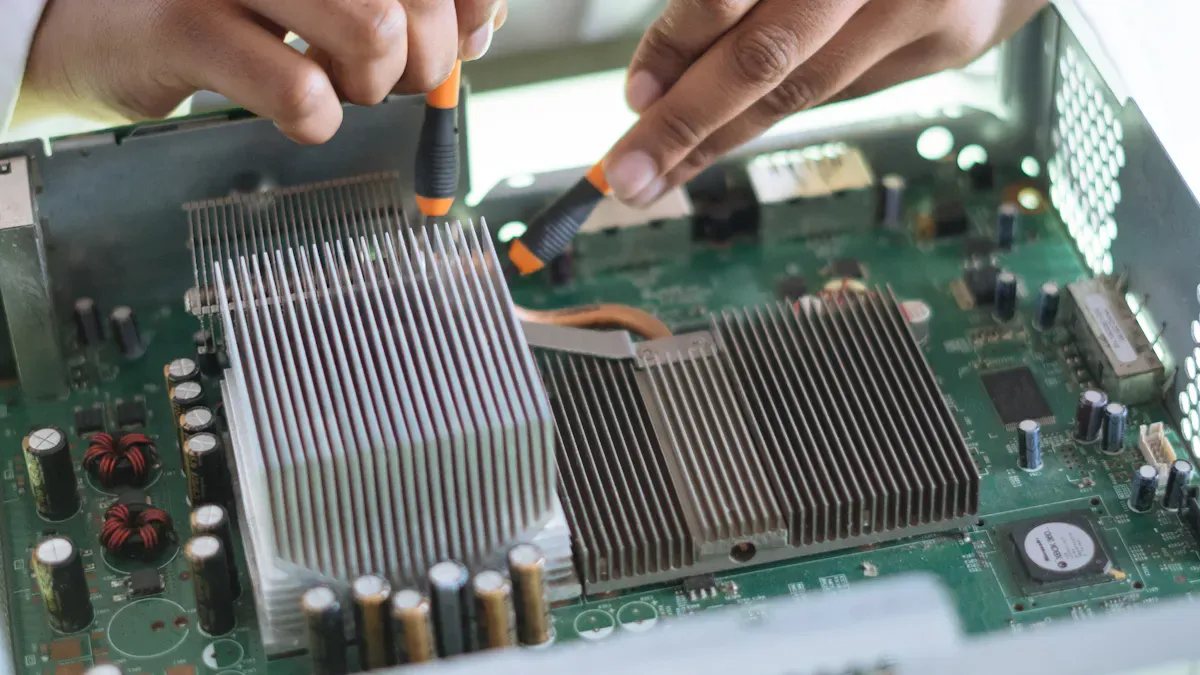
The mold-free selective plating process involves several key steps that ensure precision and quality in the production of 3C electronic connectors. Here’s a breakdown of the process:
Surface Preparation: Begin by cleaning the substrate to remove any contaminants. This step is crucial for achieving optimal adhesion of the plating material.
Masking: Apply a masking material to areas that should not be plated. This ensures that only the desired sections receive the plating, enhancing efficiency and reducing waste.
Plating Application: Utilize advanced plating techniques to deposit the metal onto the exposed areas. This can involve various methods, such as electroplating or electroless plating, depending on the specific requirements.
Post-Plating Treatment: After plating, perform any necessary treatments to enhance the properties of the plated surface. This may include processes like annealing or passivation.
Quality Inspection: Conduct thorough inspections to ensure that the plating meets industry standards. This step is vital for maintaining the reliability and performance of the connectors.
Technology Innovations
Innovations in technology have revolutionized the mold-free selective plating services, particularly those offered by companies like Bonysn. Their cutting-edge techniques eliminate the need for traditional molds, resulting in several advantages:
Flexibility: The absence of molds allows for rapid adjustments in design and production. You can easily modify specifications without incurring high costs or delays.
Precision: Advanced control systems enable precise plating thickness and uniformity. This level of accuracy is essential for meeting the stringent demands of the electronics industry.
Sustainability: The innovative processes reduce chemical usage and waste generation. This aligns with global sustainability initiatives and helps you comply with environmental regulations.
Speed: The streamlined workflow significantly shortens production cycles. You can respond quickly to market demands, ensuring that your products remain competitive.
By leveraging these technological advancements, you can enhance the quality and efficiency of your 3C electronic connectors while also contributing to a more sustainable manufacturing process.
Comparison with Traditional Plating Methods
Efficiency and Speed
Mold-free selective plating services offer significant advantages over traditional plating methods. You can expect faster production cycles due to the elimination of mold creation. Traditional methods often require lengthy setup times, which can delay your projects. In contrast, mold-free techniques allow for rapid adjustments in design, enabling you to respond quickly to market demands. This efficiency not only saves time but also reduces costs associated with prolonged production schedules.
Quality Outcomes
When it comes to quality, mold-free selective plating services consistently outperform traditional methods. The precision of this innovative process ensures uniform plating thickness and minimizes defects. Traditional plating often struggles with inconsistencies, leading to higher rejection rates. According to industry standards, such as those set by the International Organization for Standardization (ISO), maintaining quality is crucial for reliability in electronic connectors. By choosing mold-free services, you enhance the durability and performance of your products, meeting or exceeding these standards.
Application in 3C Connectors
The application of mold-free selective plating services in 3C electronic connectors is transformative. You can apply these services to various connector types, including those used in smartphones, computers, and wearables. The flexibility of mold-free techniques allows for intricate designs that traditional methods cannot achieve. This capability is essential as the demand for compact and efficient connectors continues to rise. As a result, you can create products that not only meet current market needs but also anticipate future trends.
By understanding these differences, you can make informed decisions that enhance your production processes and product quality.
Real-world Applications in Vietnam
Success Stories
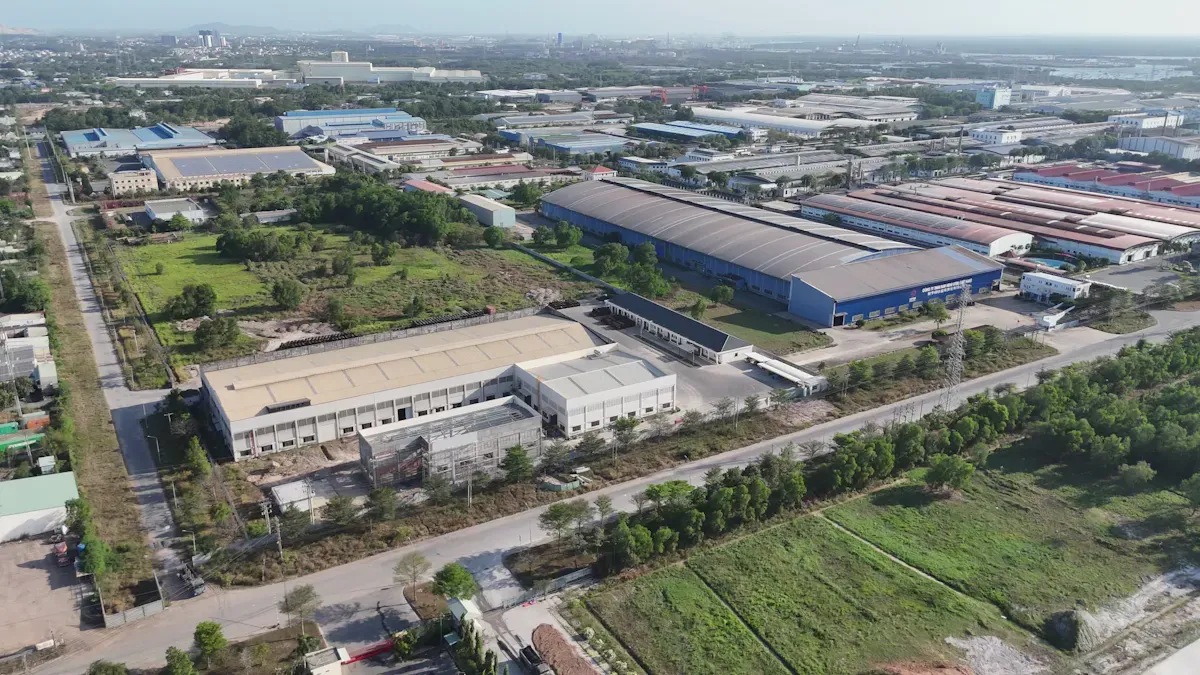
In Vietnam, companies like Bonysn have successfully implemented mold-free selective plating services, showcasing the transformative impact of this technology. For instance, Bonysn partnered with a leading smartphone manufacturer to enhance the quality of their connectors. By utilizing mold-free techniques, they achieved a 30% reduction in production costs while improving the durability of the connectors. This success story illustrates how innovative plating solutions can drive efficiency and quality in the competitive electronics market.
Another notable example involves a local automotive parts supplier. They adopted mold-free selective plating services to produce high-performance connectors for electric vehicles. The flexibility of this process allowed them to quickly adapt to changing design specifications, resulting in faster time-to-market. Their ability to meet stringent industry standards has positioned them as a trusted supplier in the rapidly growing electric vehicle sector.
Industry Impact
The adoption of mold-free selective plating services in Vietnam is reshaping the electronics industry. This technology not only enhances product quality but also promotes sustainability. As companies strive to meet environmental regulations, the reduced chemical usage and waste generation associated with mold-free techniques become significant advantages.
Moreover, the ability to produce intricate designs without the constraints of traditional molds opens new avenues for innovation. Manufacturers can explore advanced connector designs that cater to the evolving needs of consumers. This adaptability is crucial as the demand for compact and efficient electronic devices continues to rise.
In summary, choosing mold-free selective plating services in Vietnam offers numerous advantages for your 3C electronic connectors. You benefit from enhanced quality, cost efficiency, and environmental sustainability. This innovative process allows for precise control and rapid production, meeting the evolving demands of the electronics industry. By adopting these services, you position your products for success in a competitive market. Embrace the future of plating technology and elevate your manufacturing capabilities today!
FAQ
What is mold-free selective plating?
Mold-free selective plating is a process that applies metal coatings to specific areas of a substrate without using traditional molds. This technique enhances flexibility, precision, and efficiency in manufacturing 3C electronic connectors.
How does mold-free plating improve quality?
Mold-free plating ensures uniform thickness and reduces defects. This precision leads to higher durability and reliability in electronic connectors, meeting stringent industry standards.
What industries benefit from mold-free selective plating?
Industries such as electronics, automotive, and renewable energy benefit significantly. Mold-free plating supports the production of high-performance connectors for smartphones, electric vehicles, and advanced technology applications.
Is mold-free selective plating environmentally friendly?
Yes, mold-free selective plating generates less waste and uses fewer chemicals compared to traditional methods. This approach aligns with sustainability goals and helps companies comply with environmental regulations.
How can I implement mold-free selective plating in my production?
To implement mold-free selective plating, partner with specialized service providers like Bonysn. They offer advanced technologies and expertise to integrate this innovative process into your manufacturing operations.
See Also
Innovative Mold-Free Selective Plating Technology for AI Processors
Continuous Mold-Free Selective Plating for Gold on Thin Strips
Advanced Reel-to-Reel Plating: Boosting US Tech with Selective Methods
Affordable Selective Plating Strategies for I/O Interface Solutions
Reducing Gold Plating Expenses in I/O Interfaces with Moldless Techniques