
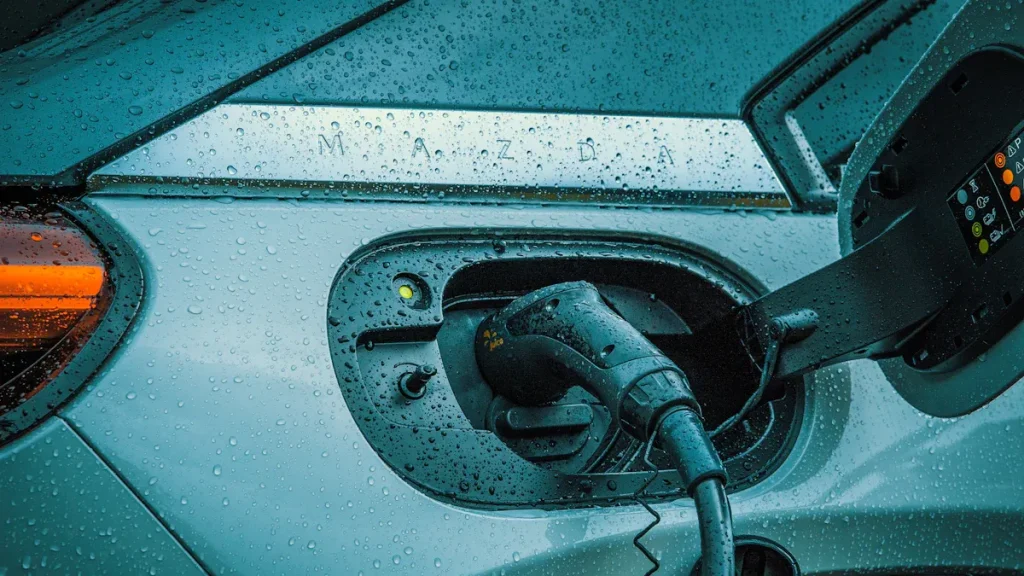
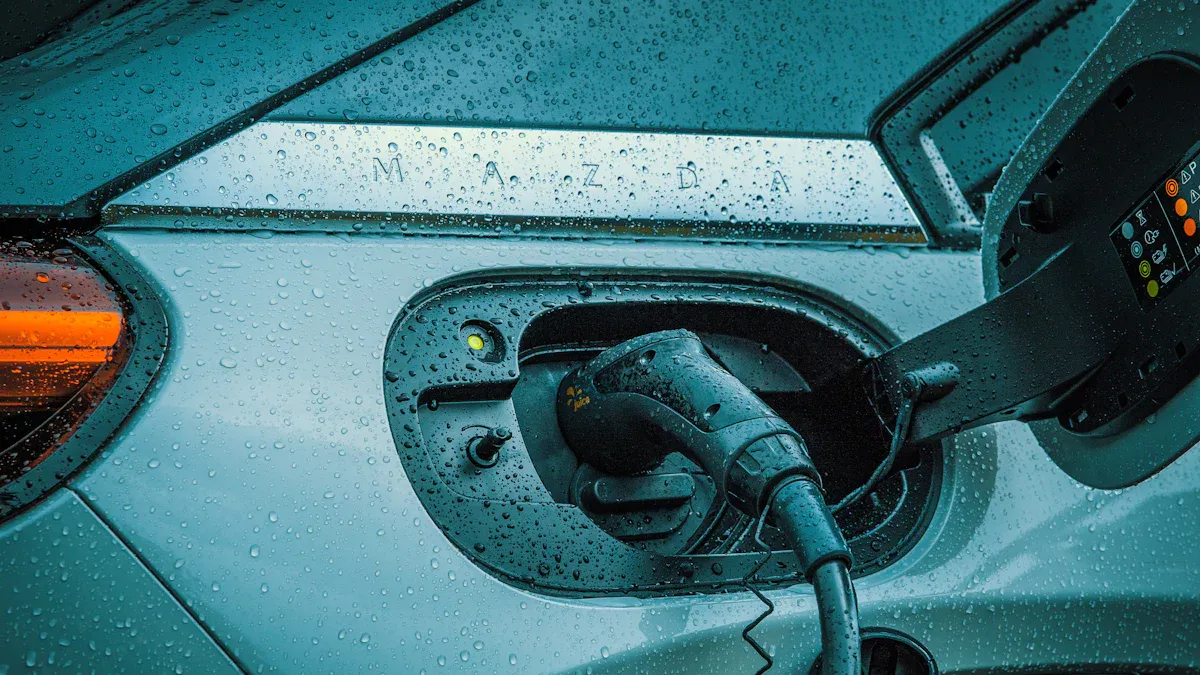
In the rapidly evolving electric vehicle (EV) market in Vietnam, precision titanium copper alloy strips play a crucial role. These advanced materials enhance the performance of EV battery terminals, ensuring reliable energy transfer. Their superior conductivity and strength contribute to the overall efficiency of battery systems. By choosing titanium copper alloy strips, you invest in the future of sustainable transportation, promoting both safety and longevity in electric vehicle technology.
Key Takeaways
Titanium copper alloy strips enhance EV battery performance with superior conductivity, ensuring efficient energy transfer.
These alloys offer remarkable durability and corrosion resistance, contributing to the long-lasting reliability of battery terminals.
Manufacturers in Vietnam utilize innovative techniques, like moldless electroplating, to produce high-quality titanium copper alloy strips efficiently.
The growing EV market in Vietnam increases the demand for titanium copper alloy strips, making them essential for future electric vehicle technology.
Choosing titanium copper alloys supports sustainable transportation by improving vehicle efficiency and performance.
Benefits of Titanium Copper Alloys
Conductivity and Performance
When it comes to electric vehicle (EV) battery terminals, the conductivity of materials is paramount. Titanium copper alloys excel in this area, offering superior electrical conductivity compared to traditional materials. This enhanced conductivity translates into improved energy transfer, which is essential for the efficient operation of EV batteries.
High Conductivity: Titanium copper alloy strips provide excellent conductivity, ensuring minimal energy loss during transmission.
Performance Efficiency: With better conductivity, these alloys help maintain optimal battery performance, allowing for faster charging and discharging cycles.
By choosing titanium copper alloy strips, you ensure that your EV battery terminals operate at peak efficiency, enhancing the overall performance of your electric vehicle.
Durability and Strength
Durability is another critical factor when selecting materials for EV battery terminals. Titanium copper alloys are known for their remarkable strength and resilience. These properties make them ideal for withstanding the demanding conditions often encountered in electric vehicles.
Corrosion Resistance: Titanium copper alloys resist corrosion, which is vital for maintaining the integrity of battery terminals over time.
Mechanical Strength: The strength of these alloys allows them to endure mechanical stress without deforming, ensuring long-lasting performance.
Incorporating titanium copper alloy strips into your EV battery terminals not only enhances durability but also contributes to the overall reliability of the vehicle. You can trust that these materials will perform well under various conditions, providing peace of mind as you drive.
Summary
In summary, the benefits of titanium copper alloys are clear. Their superior conductivity and performance enhance energy transfer, while their durability and strength ensure long-lasting reliability. By utilizing titanium copper alloy strips in EV battery terminals, you invest in a material that supports the future of electric vehicles in Vietnam.
Applications of Titanium Copper Alloy Strips
Role in EV Battery Terminals
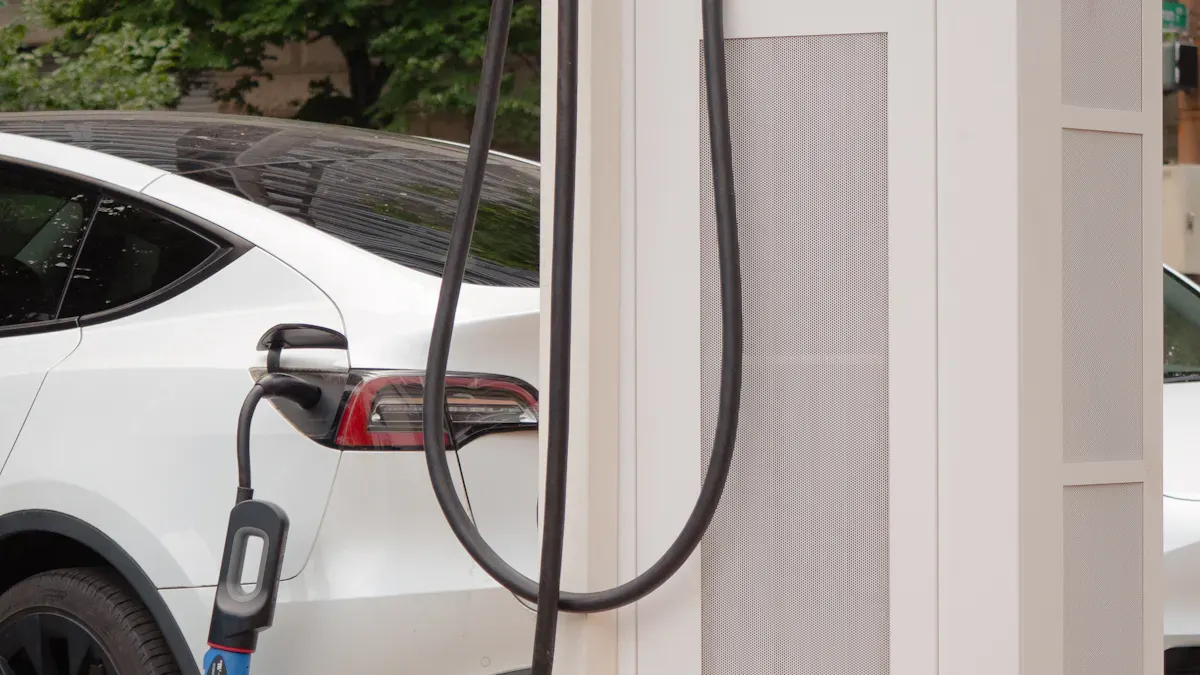
Titanium copper alloy strips serve a vital function in EV battery terminals. These strips connect the battery cells to the vehicle’s electrical system, facilitating efficient energy transfer. Their unique properties make them ideal for this application.
Enhanced Conductivity: The superior conductivity of titanium copper alloy strips ensures minimal energy loss. This characteristic allows for faster charging and discharging cycles, which is crucial for the performance of electric vehicles.
Weight Reduction: Compared to traditional materials, titanium copper alloys are lighter. This weight reduction contributes to improved vehicle efficiency and range, making them a preferred choice for modern EV designs.
Corrosion Resistance: The resistance to corrosion ensures that the battery terminals maintain their integrity over time. This durability is essential for the longevity of the vehicle’s electrical system.
For instance, manufacturers like Bonysn have successfully integrated titanium copper alloy strips into their EV battery terminal designs. Their innovative approach has led to increased reliability and performance, showcasing the advantages of these advanced materials.
Comparison with Traditional Materials
When comparing titanium copper alloy strips to traditional materials, the differences become clear. Traditional materials, such as pure copper or aluminum, often fall short in several key areas:
Conductivity: While copper is known for its conductivity, titanium copper alloys outperform it by providing enhanced energy transfer capabilities. This improvement translates into better overall battery performance.
Durability: Traditional materials may corrode over time, leading to potential failures in the electrical system. In contrast, titanium copper alloys resist corrosion, ensuring long-lasting performance and reliability.
Weight: Traditional materials can add unnecessary weight to the vehicle. The lightweight nature of titanium copper alloys helps manufacturers create more efficient and agile electric vehicles.
Manufacturing in Vietnam
Innovative Techniques
In Vietnam, companies like Bonysn lead the way in manufacturing precision titanium copper alloy strips. They employ cutting-edge techniques that enhance production efficiency and product quality. One notable innovation is the “free-form” moldless electroplating technology. This technique significantly reduces costs and accelerates production timelines. As a result, manufacturers can meet the growing demand for EV components without compromising quality.
“Our moldless electroplating technology allows us to produce high-performance materials quickly and efficiently,” says a Bonysn representative. “This innovation positions us at the forefront of the industry.”
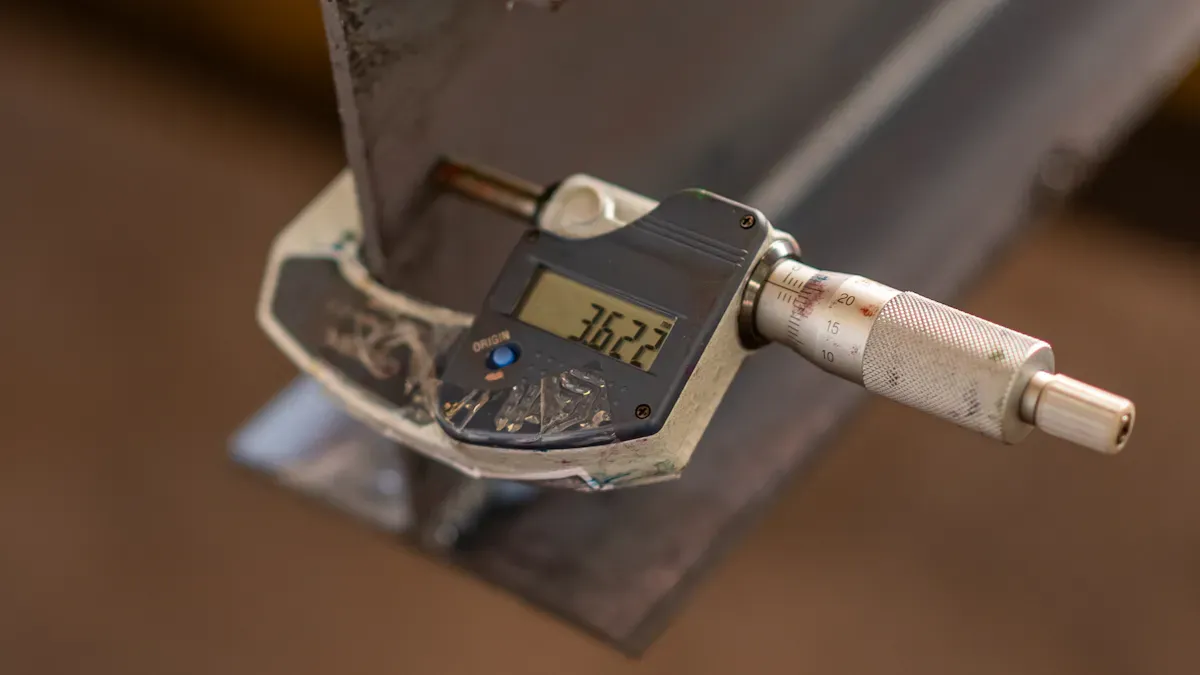
Additionally, the integration of advanced roll-to-roll etching processes ensures precision and consistency. This method allows for the production of ultra-thin strips, with thicknesses as low as 0.009 mm. Such precision is crucial for applications in EV battery terminals, where every millimeter counts.
Quality Control Standards
Quality control is paramount in the manufacturing of titanium copper alloy strips. Companies in Vietnam adhere to stringent quality standards to ensure their products meet international benchmarks. For instance, Bonysn follows ISO 9001 certification, which emphasizes a systematic approach to quality management.
Regular Testing: Manufacturers conduct regular tests on their materials to assess conductivity, strength, and corrosion resistance. This testing guarantees that only the highest quality strips reach the market.
Traceability: Each batch of alloy strips undergoes thorough documentation, allowing for traceability throughout the production process. This practice enhances accountability and ensures compliance with industry standards.
By implementing these rigorous quality control measures, manufacturers in Vietnam not only enhance their reputation but also contribute to the reliability of EV battery systems globally. You can trust that the titanium copper alloy strips produced in Vietnam meet the highest standards of quality and performance.
Market Trends for EVs in Vietnam
Growth of the EV Market
The electric vehicle market in Vietnam is experiencing remarkable growth. As of Q3 2025, over 183,000 electric cars are on the roads, alongside 974 electric buses in operation. This surge reflects strong government support and favorable market dynamics.
From 2018 to July 2023, more than 20,000 EVs were registered in Vietnam.
The number of EVs skyrocketed from 167 in 2021 to 12,585 in 2023.
This rapid increase indicates a growing acceptance of electric vehicles among consumers. You can expect this trend to continue as more manufacturers enter the market and technology advances.
Future Outlook for Alloy Strips
The rising demand for electric vehicles directly impacts the market for titanium copper alloy strips. As manufacturers seek materials that enhance performance and reliability, titanium copper alloys will become increasingly essential.
Increased Demand: With the EV market expanding, the need for high-quality battery terminals will rise. This demand will drive the production of titanium copper alloy strips.
Technological Advancements: Innovations in manufacturing processes, such as those implemented by companies like Bonysn, will further enhance the quality and efficiency of alloy strips.
You can anticipate that as the EV market grows, the use of titanium copper alloy strips will become a standard in battery terminal applications. This shift will not only improve vehicle performance but also contribute to the sustainability goals of the automotive industry in Vietnam.
By staying informed about these trends, you position yourself to make better decisions regarding materials and technologies in the evolving landscape of electric vehicles.
In summary, precision titanium copper alloy strips offer significant advantages for EV battery terminals. Their superior conductivity enhances energy transfer, while their durability ensures long-lasting performance. You can rely on these materials to improve the efficiency and reliability of electric vehicles. As the EV market in Vietnam continues to grow, the demand for high-quality alloy strips will rise. Embracing these innovations positions you at the forefront of sustainable transportation.
FAQ
What are titanium copper alloy strips used for in EVs?
Titanium copper alloy strips connect battery cells to the vehicle’s electrical system. They enhance energy transfer, improve performance, and ensure durability in EV battery terminals.
How do titanium copper alloys compare to traditional materials?
Titanium copper alloys outperform traditional materials like copper and aluminum in conductivity, corrosion resistance, and weight. This makes them a superior choice for EV battery terminals.
Why is manufacturing in Vietnam advantageous?
Vietnam offers innovative manufacturing techniques, such as moldless electroplating and advanced etching processes. These methods enhance production efficiency and maintain high-quality standards for titanium copper alloy strips.
What quality control measures are in place?
Manufacturers in Vietnam, like Bonysn, adhere to strict quality control standards. They conduct regular testing and maintain traceability to ensure that only high-quality alloy strips reach the market.
What is the future outlook for titanium copper alloy strips?
As the EV market grows, the demand for titanium copper alloy strips will increase. Innovations in manufacturing will further enhance their quality and efficiency, solidifying their role in the industry.
See Also
Discovering C17200 Beryllium Copper’s Role In EV Connector Performance
Durable Copper Alloy Strips Ensuring Dependable Connector Performance
Robust Copper Alloy Strips Designed For Military And Aviation Use
Enhancing Electronics With Precision Metal Strip Materials Explained
Revolutionizing Battery Manufacturing With Roll-to-Roll Etching Techniques