


Choosing a dependable supplier for pre-plated metal strips is essential in electronics manufacturing. A reliable supplier guarantees you receive top-notch products that align with your specifications. Key considerations include continuous electroplating capabilities, quality assurance processes, relevant certifications, and industry experience. These factors not only bolster the reliability of your supply chain but also contribute to the overall success of your projects. When assessing potential suppliers, prioritize these criteria to secure a partner who can effectively meet your needs.
Key Takeaways
Prioritize suppliers with strong quality assurance processes. This ensures you receive durable and reliable pre-plated metal strips.
Look for suppliers with relevant certifications. Certifications like CE, RoHS, and REACH guarantee product safety and compliance with industry standards.
Choose suppliers with industry experience. Experienced suppliers can provide valuable insights and adapt to your specific needs.
Establish clear communication with your supplier. Regular updates and prompt responses help maintain a positive working relationship.
Evaluate pricing structures for transparency. Understanding costs can help you find the best value for your investment in pre-plated metal strips.
Criteria for Supplier Selection

Quality Assurance
When selecting a supplier for pre-plated metal strips, prioritize those with robust quality assurance processes. Continuous electroplating technology plays a crucial role here. It enhances the quality of pre-plated metal strips by providing a consistent and well-adhered electroplated layer. This results in better corrosion resistance, increased durability, and improved aesthetics. Suppliers offering large coil weights and long meter continuous strips can significantly reduce downtime, ensuring efficient production processes. Their ability to handle mass production and provide stable cross-border logistics further underscores their reliability.
Certifications
Certifications and compliance with industry standards are non-negotiable when choosing a supplier. These certifications ensure that the products meet safety and quality benchmarks. Consider the following certifications and standards:
CE Marking: Ensures compliance with EU directives, allowing products to circulate freely within the European market.
RoHS: Restricts hazardous substances in electrical and electronic equipment to protect human health and the environment.
REACH: Manages the registration, evaluation, authorization, and restriction of chemicals, impacting all industries.
WEEE & EPR: Focuses on the lifecycle management of electronic products, including collection, recycling, and disposal.
GDPR & CCPA: Relevant for smart devices, ensuring compliance with data protection regulations.
These certifications not only validate the supplier’s commitment to quality but also enhance your product’s marketability.
Experience
Experience in the industry is a testament to a supplier’s capability and reliability. A supplier with a proven track record in providing pre-plated metal strips can offer insights and solutions tailored to your needs. Look for suppliers who have worked with diverse industries and have adapted to evolving technological demands. Their expertise can guide you in selecting the right materials and processes, ensuring your projects meet the highest standards.
Supplier Reliability
Communication
Effective communication is vital for maintaining supplier reliability in electronics manufacturing. You should prioritize suppliers who demonstrate strong communication practices. Here are some best practices to consider:
Set Clear Expectations: Use straightforward language to ensure mutual understanding of goals.
Provide Regular Updates: Keep suppliers informed about changes and developments to prevent issues.
Address Concerns Promptly: Engage with suppliers to resolve conflicts quickly and maintain a positive working relationship.
Foster Collaboration: Build trust and define clear goals to facilitate open communication and develop long-term partnerships.
By implementing these practices, you can enhance the reliability of your supplier relationships.
Delivery Timelines
Timely delivery is another critical aspect of supplier reliability. You need to ensure that your supplier can meet your production schedules consistently. A reliable supplier will have established processes to manage delivery timelines effectively. Consider the following factors when evaluating a supplier’s delivery capabilities:
Quality Management System: A stringent Quality Management System approved to AS9120 standard ensures that the supplier maintains high-quality standards throughout the production process.
Industry Standards Compliance: Suppliers should only purchase components from sources that adhere to required industry standards and quality control procedures.
Continuous Improvement Policy: A commitment to continuous improvement helps ensure ongoing quality and traceability.
Evidence Type | Description |
|---|---|
Quality Management System | The supplier operates a stringent Quality Management System approved to AS9120 standard. |
Industry Standards Compliance | They only purchase components from suppliers who adhere to required industry standards and quality control procedures. |
A policy of continuous improvement is in place to ensure ongoing quality and traceability. |
By focusing on these elements, you can select a supplier who not only meets your quality requirements but also delivers on time, ensuring the smooth operation of your manufacturing processes.
Product Quality of Pre-plated Metal Strip
Material Specifications
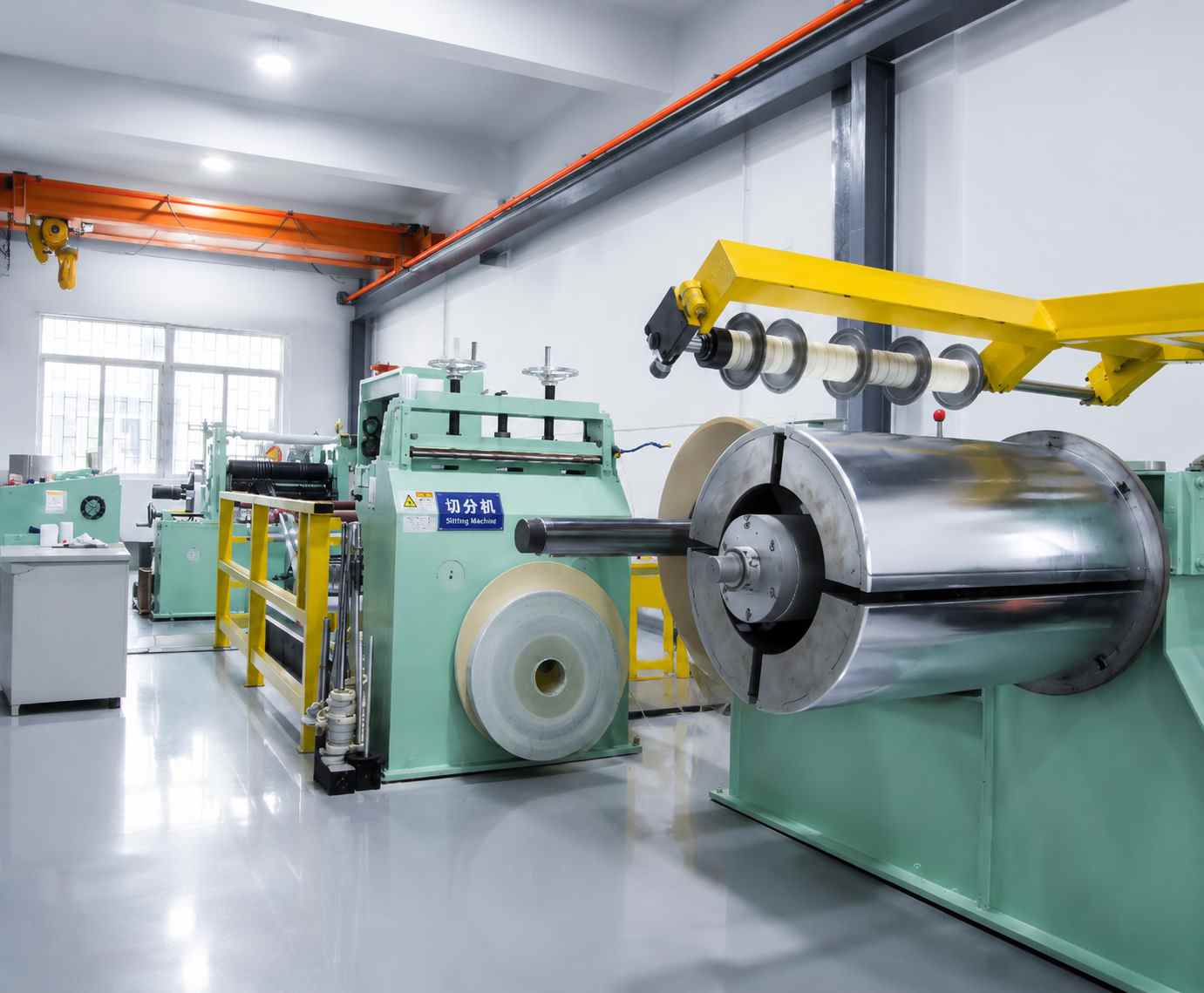
When selecting a pre-plated metal strip for your electronics manufacturing needs, understanding material specifications is crucial. These specifications ensure that the strips meet the necessary performance and durability standards. Commonly required materials include:
High-quality PCM (Pre-Coated Metal)
SUSLIKE
VCM (Vinyl-Coated Metal)
Carbon steel
Stainless steel
Aluminum
Each material offers unique benefits. For instance, stainless steel provides excellent corrosion resistance, while aluminum is valued for its lightweight properties. Choosing the right material impacts the overall performance and longevity of your electronic devices.
Testing Processes
Testing processes play a pivotal role in maintaining the quality of pre-plated metal strips. They ensure that the materials meet stringent quality and performance standards. Key testing stages include:
Raw material inspection: This step verifies the quality of input materials, checking technical parameters with specialized testing equipment.
In-process inspection: Detects defects during production, ensuring component quality through optical testing equipment.
Finished product testing: Confirms that the final product meets quality and performance standards, including environmental resistance tests.
These testing processes guarantee that the pre-plated metal strips you use are reliable and efficient. They help prevent potential failures in electronic devices, ensuring that your products perform optimally in various conditions.
In the realm of electroplating, you have several options to choose from, each offering distinct advantages. Gold plating, for example, provides excellent conductivity and corrosion resistance. Silver plating is known for its high electrical conductivity, while nickel plating offers a robust protective layer. By selecting the appropriate type of electroplating, you can tailor the pre-plated metal strips to meet specific application requirements.
Cost Factors
Pricing Structures
When evaluating suppliers for pre-plated metal strips, understanding their pricing structures is crucial. You should look for transparency in pricing, which allows you to compare costs effectively. Suppliers often offer different pricing models, such as volume-based discounts or long-term contract pricing. These models can significantly impact your overall costs. By analyzing these structures, you can identify opportunities for cost savings and ensure that you are getting the best deal for your investment.
Value for Money
Ensuring value for money involves more than just looking at the price tag. You need to assess the quality of the products and services provided by the supplier. Suppliers demonstrate value for money through several key performance indicators (KPIs):
Compliance Rate KPI: This measures how often suppliers meet their contractual obligations regarding pricing, delivery, and quality.
Pricing and Competitiveness KPI: This compares supplier pricing to competitors, ensuring you receive fair market value for the quality of service.
Product/Service Defect Rate KPI: This tracks the number of defective products or services received, helping you assess supply quality.
By focusing on these KPIs, you can gauge whether a supplier offers good value for money. A supplier with a high compliance rate and low defect rate typically indicates reliability and quality, justifying the investment. Additionally, competitive pricing ensures you are not overpaying for the services received. Ultimately, selecting a supplier who excels in these areas will enhance your production efficiency and contribute to the success of your electronics manufacturing projects.
Building Relationships
Trust
Building trust with your pre-plated metal strip supplier is essential for a successful partnership. Trust fosters collaboration and encourages open dialogue, which can lead to better problem-solving and innovation. Here are some key strategies to establish trust:
Consistency: Always deliver on your promises. Meeting deadlines and maintaining quality standards builds confidence in your reliability.
Transparency: Share relevant information about your projects and expectations. This openness helps suppliers understand your needs better.
Feedback: Provide constructive feedback regularly. Acknowledging their strengths and areas for improvement strengthens the relationship.
Communication
Effective communication is the backbone of any strong supplier relationship. You should prioritize clear and consistent communication methods. Consider these effective strategies:
Oral Communication: Regular phone calls or video meetings can help clarify expectations and address concerns promptly.
Written Contracts: Ensure that all agreements are documented. This practice protects both parties and sets clear guidelines.
Information Sharing: Regularly share updates, feedback, and performance metrics. This practice keeps everyone aligned and informed.
Utilizing tools like online meetings, chats, and document sharing enhances collaboration. Open and transparent communication fosters long-term relationships. Schedule regular meetings to discuss performance and encourage collaboration to resolve issues quickly.
By focusing on trust and communication, you can build a solid foundation with your supplier. This foundation will not only enhance your working relationship but also contribute to the overall success of your electronics manufacturing projects.
Selecting a reliable supplier for pre-plated metal strips is crucial for your electronics manufacturing success. You should evaluate potential suppliers based on several key criteria, including quality assurance, certifications, and experience.
Utilize cognitive procurement systems to analyze historical performance metrics and quality compliance records.
Integrate environmental scorecards into your vendor evaluations to prioritize suppliers with energy reduction programs and verified emissions data.
By applying these criteria, you can ensure that you partner with a supplier who meets your needs and enhances your production efficiency. Take the time to assess your options carefully, and you will find a trustworthy partner for your projects.
FAQ
What should you consider when evaluating a supplier’s capacity for high-volume orders?
You should assess the supplier’s production capabilities and past performance in handling large orders. Look for evidence of stable supply chains and efficient logistics services to ensure they can meet your demands consistently.
How can you ensure the quality of pre-plated metal strips?
Verify the supplier’s certifications and quality assurance processes. Look for compliance with industry standards and customer reviews that highlight product reliability and performance.
What are the benefits of continuous electroplating technology?
Continuous electroplating provides a consistent finish and enhances the durability of pre-plated metal strips. This technology reduces downtime and improves production efficiency, making it ideal for high-demand applications.
How do you handle frequent material changes that cause downtime?
Choose suppliers with flexible production processes and a diverse range of materials. This flexibility helps minimize disruptions and ensures a steady supply of pre-plated metal strips tailored to your needs.
Why is communication important in supplier relationships?
Effective communication ensures clear expectations and timely updates. It helps resolve issues quickly and fosters a collaborative partnership, enhancing the overall reliability of your supply chain.