
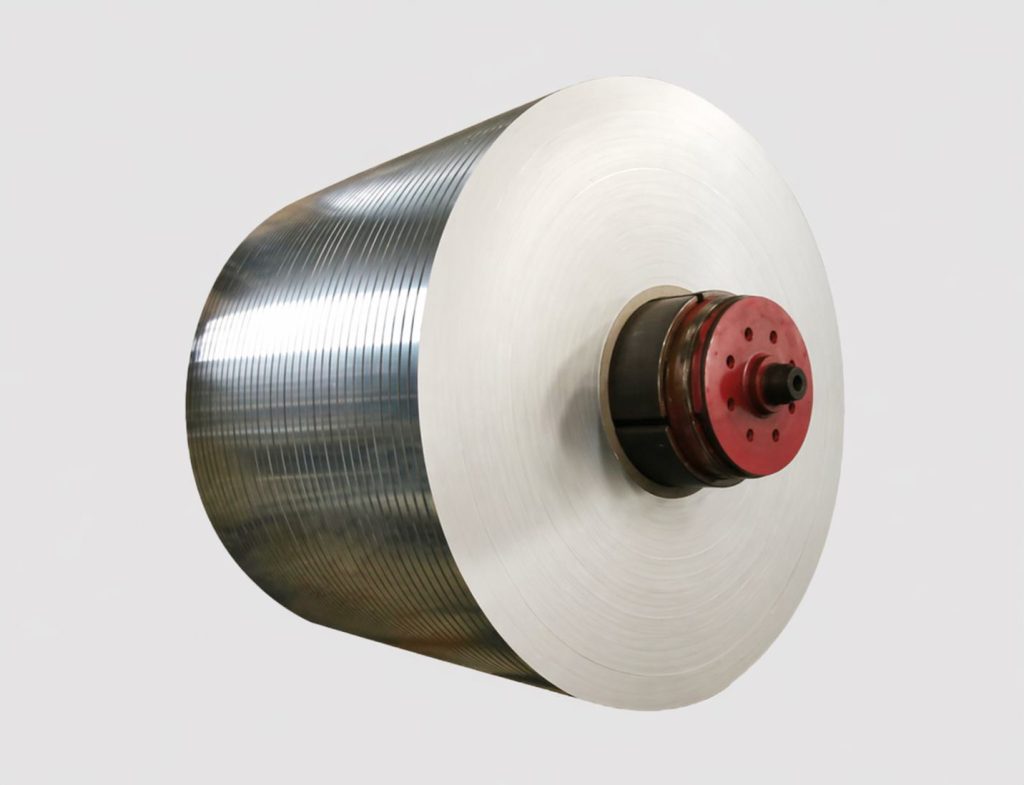
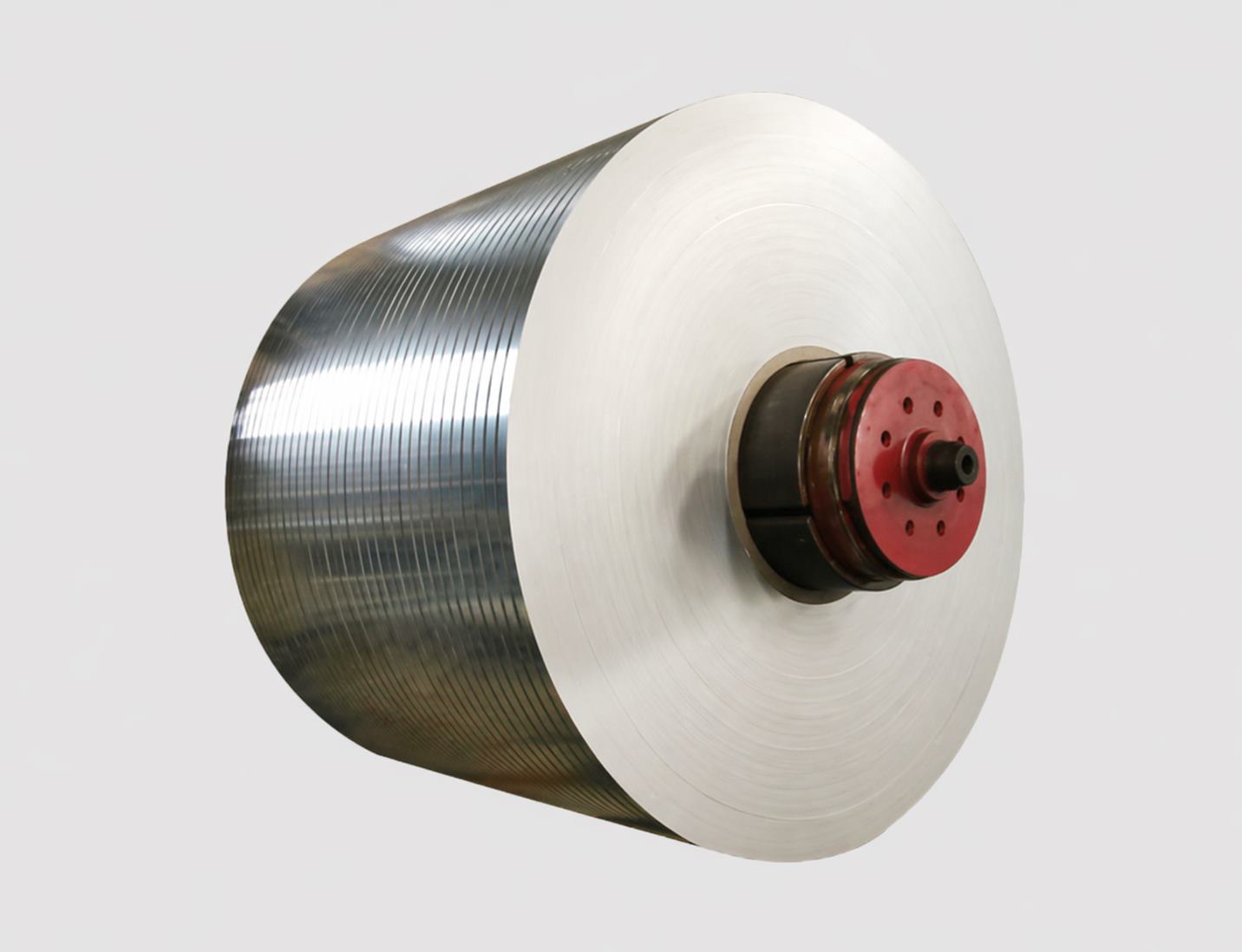
Precision stainless steel strips play a vital role in chip packaging, ensuring that your products remain reliable and effective. Their durability stems from materials like 304 stainless steel, known for exceptional corrosion resistance. This quality is crucial, especially when you consider that post-machining treatments can enhance both corrosion resistance and surface durability, extending service life by 30% to 50%.
Additionally, these strips offer high precision, which is essential for achieving exact dimensions during manufacturing. Techniques that optimize machining prevent surface hardness increases, ensuring your final product meets stringent industry standards. With protective strategies like rust-preventive oil films, you can safeguard against oxidation and mechanical damage, further enhancing the overall integrity of your chip packaging.
Key Takeaways
Precision stainless steel strips enhance chip packaging reliability by providing excellent thermal management and electrical conductivity.
Choosing high-quality materials like 304 stainless steel significantly extends the lifespan of semiconductor devices, protecting them from environmental damage.
Investing in precision stainless steel strips leads to cost savings by reducing waste and minimizing the need for rework during manufacturing.
These strips achieve tight dimensional tolerances, ensuring that each component fits perfectly, which is crucial for optimal device performance.
The durability and corrosion resistance of precision stainless steel strips make them superior to alternatives like aluminum and plastic, ensuring long-term reliability.
Material Choice Importance
Impact on Reliability
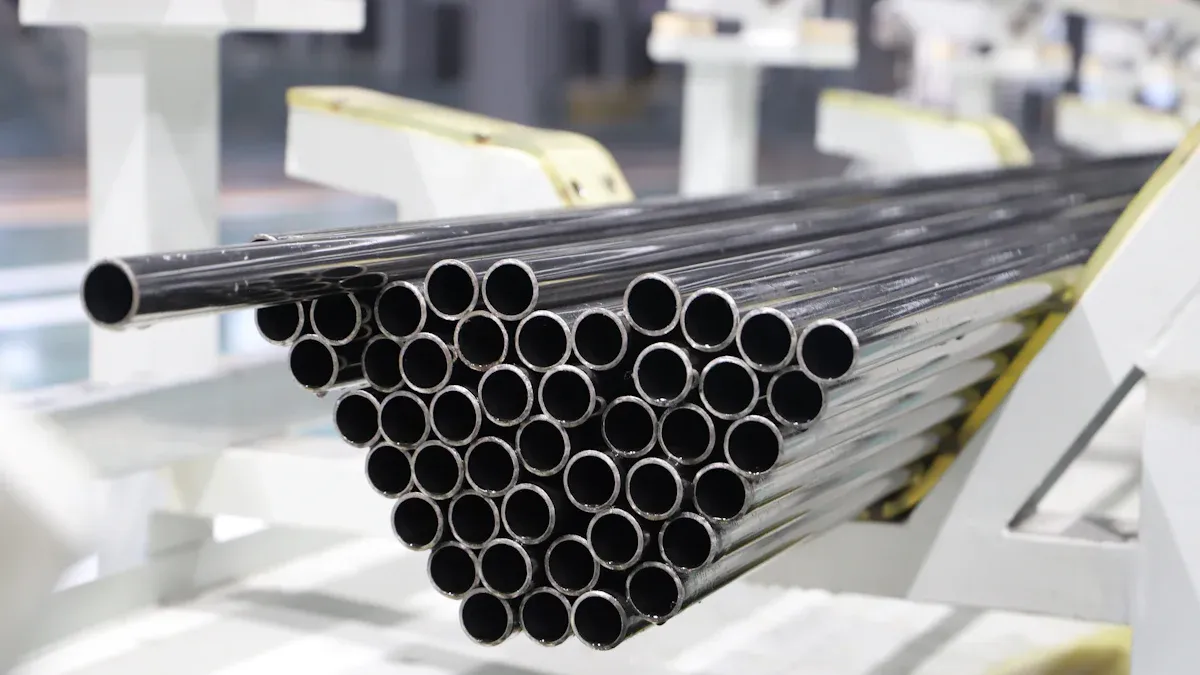
Selecting the right materials for chip packaging significantly influences the reliability and performance of semiconductor devices. When you choose precision stainless steel strips, you enhance thermal management, which is crucial for maintaining optimal device performance. Effective thermal management prevents overheating, ensuring that your chips operate efficiently over time.
Moreover, the materials you select directly affect electrical interconnections. High-quality stainless steel strips provide excellent conductivity, which is vital for the overall functionality of your semiconductor devices. If the materials fail to meet industry standards, you risk compromising the integrity of your entire packaging solution.
Lastly, protection against environmental damage is paramount. The right materials safeguard your chips from moisture, dust, and other harmful elements. This protection extends the longevity of your devices, ensuring they perform reliably throughout their lifecycle.
Role in Efficiency
Efficiency in manufacturing processes hinges on the materials you use. Precision stainless steel strips streamline production by allowing for high-speed processing and reduced waste. Their micron-level thickness tolerance control ensures that each strip meets exact specifications, minimizing the need for rework and enhancing overall productivity.
Incorporating these strips into your packaging solutions also leads to better surface flatness. This quality is essential for achieving tight tolerances in assembly, which ultimately improves the performance of the final product. By choosing precision stainless steel strips, you align your manufacturing processes with industry demands, ensuring that you remain competitive in a fast-paced market.
Advantages of Precision Stainless Steel Strip
Durability and Strength
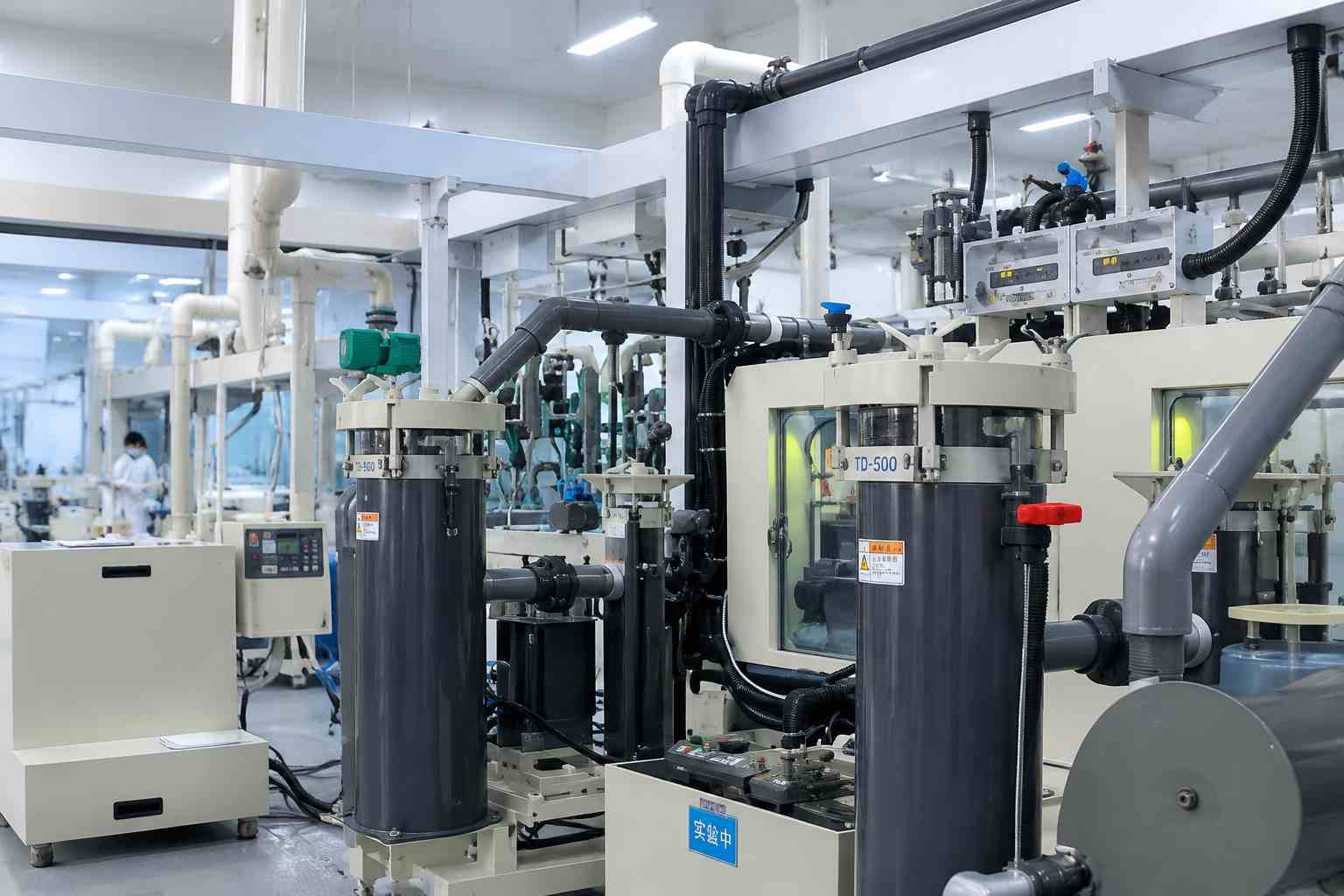
Precision stainless steel strips offer exceptional durability and strength, making them ideal for semiconductor packaging. You can rely on these strips to withstand the rigors of manufacturing and environmental challenges. The 304 stainless steel strip, in particular, excels in harsh conditions, ensuring that your chips remain protected. This durability stems from the material’s ability to resist deformation and maintain structural integrity over time.
Precision Engineering
When it comes to precision engineering, these strips shine. They achieve tight dimensional tolerances, which are crucial for automated production processes. For instance, you can expect tolerances as precise as ±0.02 mm. This level of accuracy ensures that each strip fits perfectly within your packaging solutions, enhancing overall performance.
Tolerance Level | Description |
|---|---|
0.1 mm | Achievable tolerance for precision |
0.2 mm | Standard tolerance in semiconductor |
Corrosion Resistance
Corrosion resistance plays a vital role in the longevity of your chips. The 304 stainless steel strip’s ability to resist oxidation and pitting ensures that your components maintain their integrity over time. This resistance is enhanced by a protective chromium oxide layer that forms on the surface, safeguarding against environmental damage. By choosing precision stainless steel strips, you significantly extend the lifespan of your semiconductor devices.
Cost-Effectiveness
Investing in precision stainless steel strips can lead to substantial cost savings. Here are some key points to consider:
Precision stainless steel strips offer superior strength and durability compared to aluminum foil.
They have better barrier properties, which reduces spoilage rates.
Less material usage leads to overall cost savings in packaging.
By opting for these strips, you not only enhance the quality of your packaging but also improve your bottom line. The combination of durability, precision, and cost-effectiveness makes precision stainless steel strips an invaluable asset in semiconductor packaging.
Applications in Semiconductor Packaging
Use in Chip Enclosures
Precision stainless steel strips play a crucial role in chip enclosures within the semiconductor industry. Their exceptional properties make them ideal for protecting sensitive components. Here are some key attributes that highlight their importance:
Attribute | Description |
|---|---|
Dimensional Stability | Exceptional stability critical for precision work |
Corrosion Resistance | Essential for maintaining integrity in environments |
Cleanroom Compatibility | Necessary for contamination-sensitive processes |
You can rely on corrosion-resistant materials like 316L and 304 for cleanroom environments. These materials are suitable for both wetted and structural parts in semiconductor manufacturing. By using precision stainless steel strips, you ensure that your chip enclosures provide the necessary protection against environmental factors, thus enhancing the reliability of your semiconductor devices.
Integration in Advanced Techniques
High-precision etched lead frames are integral to modern chip packaging. They serve multiple functions that directly impact the performance of semiconductor devices. Here’s how they contribute:
Support stable electrical connections.
Facilitate heat dissipation from the chip.
Ensure tight tolerances for modern semiconductor designs.
These lead frames provide mechanical support for semiconductor chips and establish electrical pathways for chip-to-board connections. They also facilitate thermal management, which is essential for dissipating heat effectively. The precision of these lead frames directly influences the performance and reliability of your semiconductor devices.
Incorporating high-precision etched lead frames into your packaging solutions allows for complex designs and fine tolerances that modern devices demand. This integration not only enhances the functionality of your products but also aligns with market demands for efficiency and reliability in microelectronic applications.
By choosing precision stainless steel strips and high-precision etched lead frames, you position your products for success in the competitive semiconductor landscape.
Comparison with Other Materials
Performance Against Alternatives
When you compare precision stainless steel strips to alternative materials, the advantages become clear. For instance, aluminum and plastic are common substitutes, but they often fall short in critical areas. Here’s a comparison of key performance metrics:
Material | Strength | Corrosion Resistance | Thermal Conductivity | Cost |
|---|---|---|---|---|
Precision Stainless Steel Strip | High | Excellent | Good | Moderate |
Aluminum | Moderate | Fair | Excellent | Low |
Plastic | Low | Poor | Poor | Low |
Precision stainless steel strips, particularly the 304 stainless steel strip, excel in strength and corrosion resistance. This makes them ideal for environments where durability is essential. In contrast, aluminum may offer good thermal conductivity but lacks the strength needed for long-term reliability. Plastic, while cost-effective, does not provide the necessary protection for sensitive semiconductor components.
Long-Term Benefits
Investing in precision stainless steel strips yields significant long-term benefits. These strips not only enhance the performance of your chip packaging but also reduce maintenance costs over time. Here are some key advantages:
Longevity: The durability of precision stainless steel strips ensures that your packaging remains intact for extended periods, minimizing the need for replacements.
Reduced Downtime: With superior thermal stability, these strips help maintain optimal operating conditions, reducing the risk of overheating and subsequent failures.
Cost Efficiency: Although the initial investment may be higher, the long-term savings from reduced replacements and maintenance make precision stainless steel strips a cost-effective choice.
Precision stainless steel strips are essential for effective chip packaging. They ensure high dimensional accuracy, which is crucial for the proper functioning of semiconductor devices. Even minor inaccuracies can lead to significant issues, including product failures and losses. By adhering to industry standards like JEDEC and ISO, you maintain the reliability and traceability of your components.
In summary, the durability, precision, and corrosion resistance of these strips make them superior to alternative materials. Investing in precision stainless steel strips not only enhances your packaging solutions but also positions your products for success in a competitive market.
FAQ
What are precision stainless steel strips used for in chip packaging?
Precision stainless steel strips are essential for creating chip enclosures and lead frames. They provide structural support, enhance thermal management, and protect sensitive components from environmental damage.
How do precision stainless steel strips improve chip reliability?
These strips enhance thermal management and electrical conductivity, ensuring optimal performance. Their durability protects chips from moisture and dust, extending their lifespan and reliability.
What advantages do precision stainless steel strips offer over aluminum?
Precision stainless steel strips provide superior strength and corrosion resistance compared to aluminum. They also maintain dimensional stability, which is crucial for high-precision applications in semiconductor packaging.
Are precision stainless steel strips cost-effective?
Yes, while the initial investment may be higher, their durability and reduced maintenance costs lead to long-term savings. They minimize the need for replacements, making them a cost-effective choice.
How do I choose the right precision stainless steel strip for my application?
Consider factors such as thickness, corrosion resistance, and specific industry requirements. Consulting with suppliers can help you select the best strip for your unique needs.
See Also
Enhancing Electronics With Precision Metal Strip Materials
The Impact of 316 Stainless Steel on Smart Wearables
Etched Stainless Steel Springs Revolutionizing Medical Device Manufacturing
Essential Metal Coatings for Your 304 Stainless Steel Strip
Exploring 316 Stainless Steel Strips for AI Cooling Innovations