
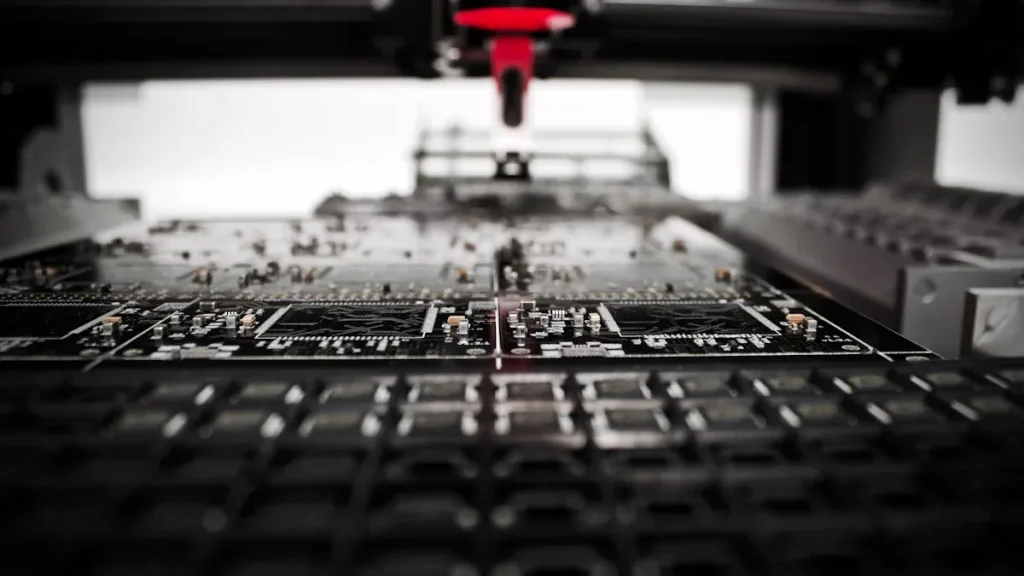
Precision is very important in making semiconductors. You must get exact measurements for the best device performance. When you achieve ±0.005mm precision in metal etching, your devices become much more reliable. For instance, high-density electronic connectors and wafer probe cards need very precise features at pitches as small as 0.4 mm. This level of accuracy helps performance and boosts productivity and yield rates in semiconductor production.
Spending money on better process control helps productivity and increases yield rates. This makes precision a key part of modern manufacturing.
Key Takeaways
Getting ±0.005mm precision in metal etching helps devices work better and last longer.
Using advanced etching tools, like laser etching, makes precision and speed better.
High-precision etching results in fewer mistakes and boosts production efficiency.
Knowing how materials act is important for keeping precision; different materials need special processes.
Upgrading machines can fix precision problems, making sure quality stays high in semiconductor making.
Precision in Semiconductor Manufacturing
Impact on Device Performance
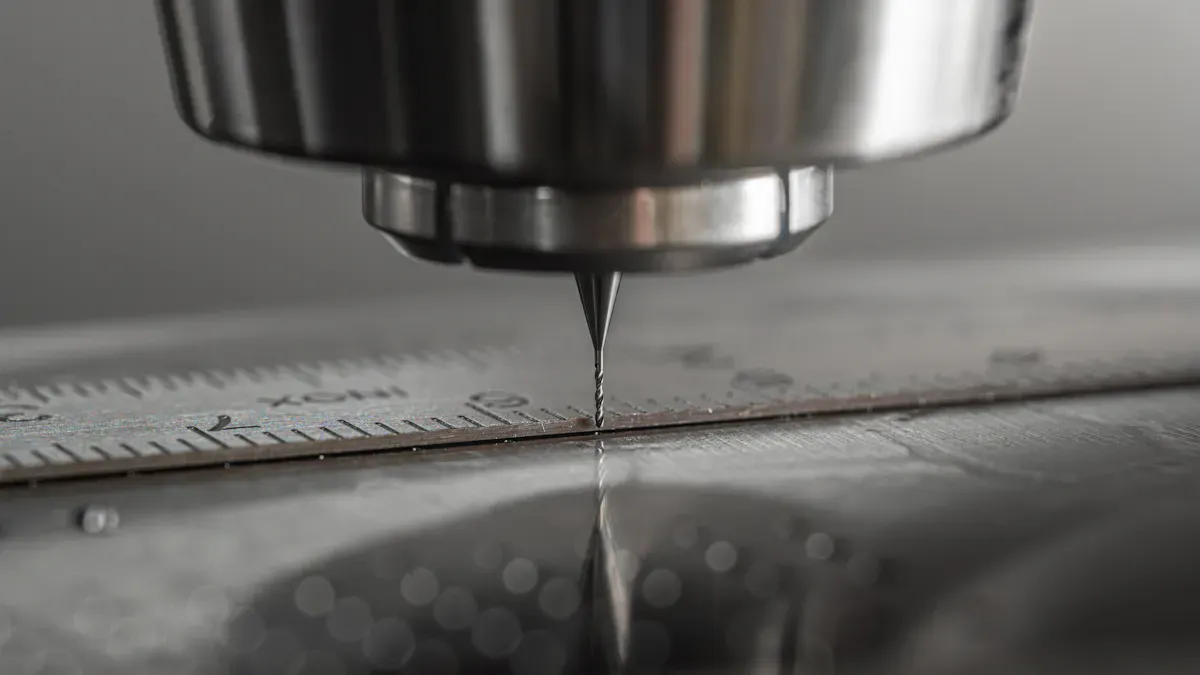
Precision in metal etching affects how well devices work. When you get ±0.005mm precision, your parts fit together just right. This accuracy improves electrical connections and signal quality. For example, in high-frequency uses, even a small mistake can cause big problems. You want your devices to work well, and precision helps with that.
Many manufacturers say that using precise metal etching has improved their products. One user said that after changing to a better etching method, their electronic connectors had fewer problems. This change made customers happier and cut down on warranty claims.
Reliability and Longevity
Reliability is very important in semiconductor uses. When you use precise metal etching, your devices last longer. Parts made with high precision are less likely to break under pressure. They handle temperature changes and physical forces better than those made with less care.
Think about a case where a manufacturer made a batch of semiconductor chips. By using ±0.005mm precision in their etching, they found that the chips lasted longer in real life. Customers had fewer problems, which helped the manufacturer build a better reputation.
Techniques for Metal Etching Precision
Advanced Etching Technologies
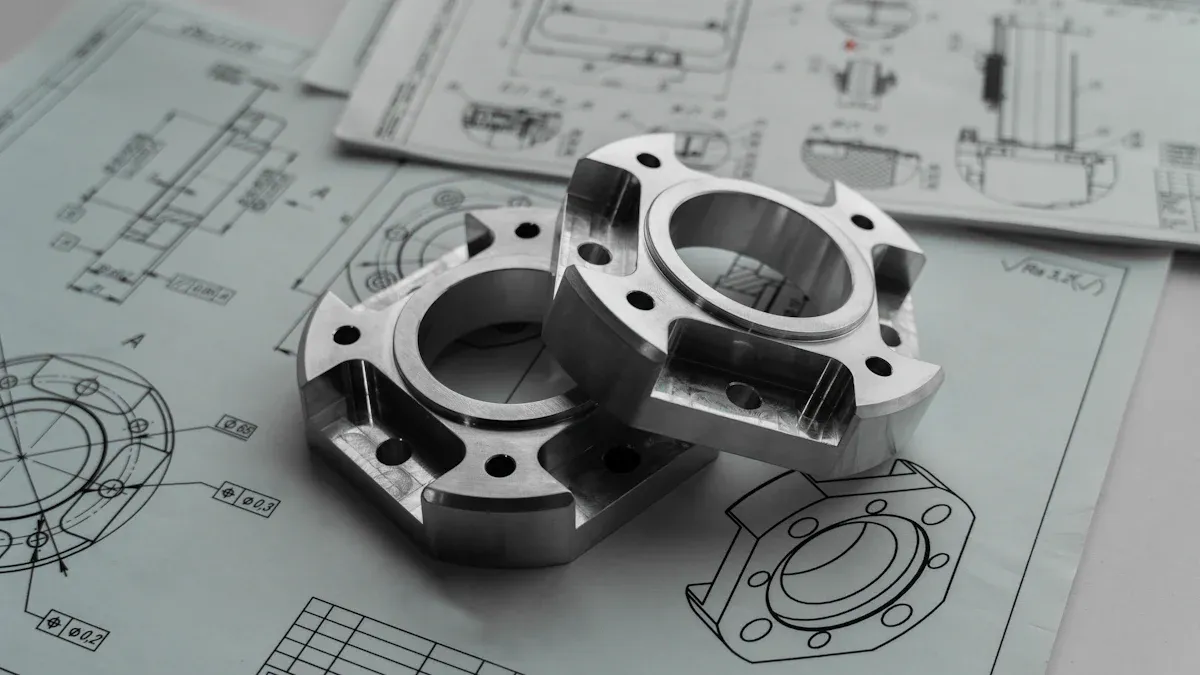
To get ±0.005mm precision in metal etching, you need to use advanced technologies. These technologies improve both precision and speed. They are very important in making semiconductors. Here’s a look at some common etching methods:
Technology | Precision | Throughput |
|---|---|---|
Lower precision because of manual steps | Lower speed due to slow processes | |
Laser Etching | Higher precision with automated steps | Higher speed, can finish etching in seconds |
Laser etching is a top choice for manufacturers. It gives high precision and fast results. This lets you make detailed designs quickly. This technology uses focused laser beams to take away material. This helps you meet the exact needs for modern semiconductor uses.
Process Control
Good process control is very important for keeping precision in metal etching. New ideas in this area lower defect rates. This makes sure your semiconductor devices work well. Here are some important improvements in process control:
Using advanced gases, like heated Nitrogen, creates a stable atmosphere. This helps reduce oxidation, which is very important in semiconductor metal etching.
The automated control system changes the gas mix in the atmosphere. This stops problems like using too much Nitrogen, which can cause defects.
These improvements not only make soldering joints better but also lower the overall defect rate in manufacturing.
By using these process control methods, you can make sure your metal etching works well and efficiently. This leads to better quality products and happier customers.
Benefits of High-Precision Metal Etching
Design Flexibility
High-precision metal etching gives you great design flexibility. With ±0.005mm precision, you can make detailed patterns and features that fit your needs. This flexibility helps you change designs quickly. For example, if you need to adjust a part for a new use, precise etching makes it easier to change without losing quality.
You can also try out different designs that were hard to do before. This ability leads to new product ideas and helps you stay ahead of competitors. Many manufacturers say that high-precision etching has helped them create special parts that are unique in the market.
“The ability to create complex designs with high precision has transformed our product line,” said a leading manufacturer in the semiconductor industry. “We can now meet customer demands faster and more efficiently.”
Yield Rates
Better yield rates are another big benefit of high-precision metal etching. When you get precise measurements, you cut down on defects in your products. This means fewer rejected items and better overall production efficiency.
Think about this: when you use ±0.005mm precision, you lower the chances of mistakes during manufacturing. This precision makes sure each part fits just right, which is very important for semiconductor uses. Higher yield rates mean you can make more usable products from each batch, saving you time and resources.
Industry standards, like those from the International Organization for Standardization (ISO), stress how important precision is in manufacturing. Following these standards not only improves your yield rates but also builds your reputation in the market. Customers trust manufacturers who always provide high-quality products.
Challenges in Maintaining Precision
Equipment Limitations
You might run into problems with your equipment when trying for ±0.005mm precision in metal etching. Older machines often do not have the right technology for such tight measurements. These machines can give uneven results, which can cause defects in your products.
To fix these problems, think about buying new etching machines. Newer machines have better features like automatic calibration and real-time monitoring. These upgrades help keep precision and lower the chances of mistakes.
“Upgrading our etching equipment significantly improved our production quality,” shared a semiconductor manufacturer. “We now achieve higher precision with fewer defects.”
Material Variability
Material differences can also make it hard to keep precision. Different materials act differently during etching. For example, amorphous plastics shrink evenly, allowing for tighter tolerances. On the other hand, semi-crystalline plastics shrink unevenly, needing a wider process window.
Here’s a quick look at how different materials affect precision:
Material Type | Shrinkage Behavior | Precision Tolerance Impact |
|---|---|---|
Amorphous Plastics | Uniform shrinkage (0.4% to 0.7%) | Tighter tolerances achievable due to predictability |
Semi-crystalline Plastics | Anisotropic shrinkage (1.5% to 2.5%) | Wider process window needed due to variability |
To handle these differences, you should test the materials you use carefully. Knowing how each material acts will help you change your processes as needed. This careful approach can lead to better results and higher-quality products.
By tackling equipment issues and material differences, you can improve your precision in metal etching. This attention to detail will help your semiconductor applications and boost your reputation in the industry.
Getting ±0.005mm precision in metal etching is very important for the future of semiconductors. This level of precision makes devices work better, last longer, and be more reliable. You can look forward to new etching technologies, like laser microfabrication systems, which will help make production faster and cheaper. When you think about investing in high-precision metal etching, keep in mind the benefits of laser marking and the need for good supplier support. Using these new technologies will help you succeed in a tough market.
FAQ
What is metal etching?
Metal etching is a way to make things by taking away material from a metal surface. This creates exact patterns or features. It is very important in making semiconductors because accuracy affects how well devices work.
Why is ±0.005mm precision important?
Getting ±0.005mm precision makes sure that parts fit together just right. This accuracy improves electrical connections and signal quality. As a result, devices work better and are more reliable.
What technologies are used for high-precision etching?
Advanced technologies like laser etching and chemical etching are often used. Laser etching gives high precision and speed. This makes it great for detailed designs in semiconductor manufacturing.
How does material variability affect etching precision?
Different materials act differently during etching. For example, amorphous plastics shrink evenly, which allows for tighter tolerances. On the other hand, semi-crystalline plastics may need wider process windows because they shrink unevenly.
What are the main challenges in maintaining precision?
Main challenges include problems with equipment and differences in materials. Older machines might not reach tight tolerances. Also, different materials can behave unpredictably during etching, which affects overall precision.
See Also
Exploring Roll-to-Roll Etching Benefits for Future Electronics
Reaching 0.009mm Precision Thickness in Stainless Steel Wearables
Enhancing Electronics with Precision Metal Strip Materials
A Comprehensive Guide to Sourcing 0.009mm Stainless Steel Foil
Innovative Moldless Plating Techniques for 0.009mm Gold Strips