
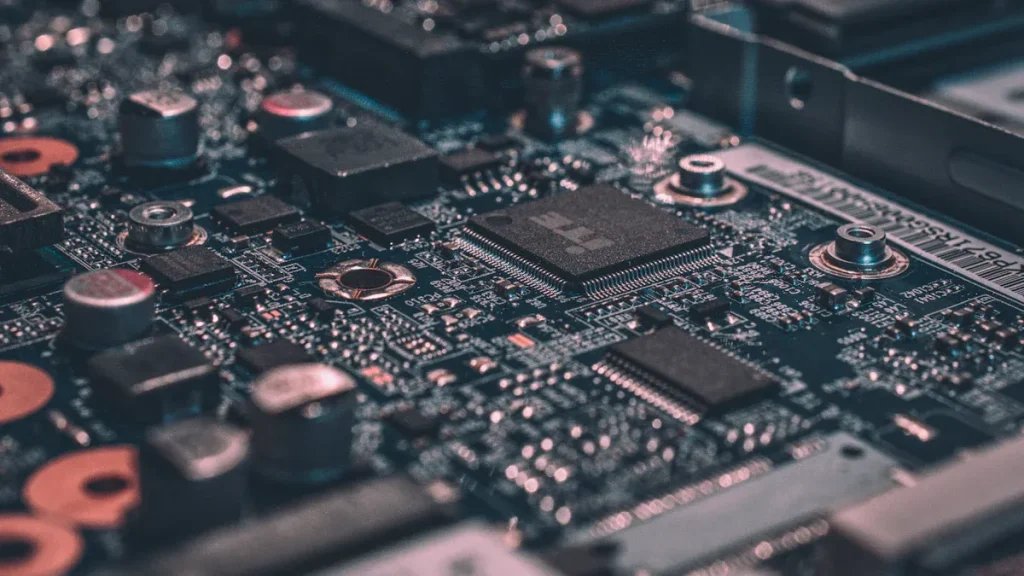
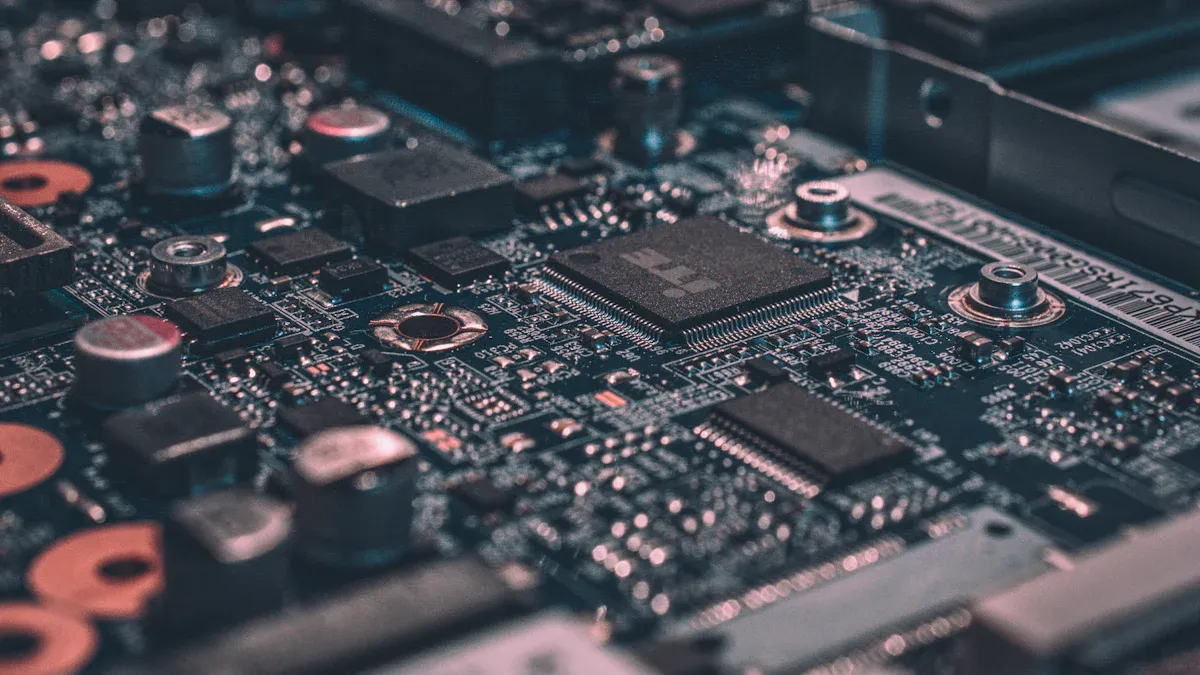
Mold-free selective plating is revolutionizing manufacturing in India’s PLI electronics sector. This innovative technique eliminates the need for traditional molds, allowing for faster production cycles and reduced costs. The demand for efficient and cost-effective manufacturing solutions has surged in recent years. For instance, mobile phone production in India skyrocketed from 60 million units in 2015 to an impressive 310 million units in 2022. Additionally, the domestic demand for consumer electronics is expected to reach USD 21.18 billion by 2025. As manufacturers like you seek to stay competitive, adopting mold-free selective plating service can provide the edge needed in this rapidly evolving market.
Key Takeaways
Mold-free selective plating eliminates the need for traditional molds, leading to faster production and lower costs.
This technique improves product quality by ensuring a smoother surface finish and consistent thickness, enhancing durability.
Adopting mold-free plating aligns with sustainable practices, reducing hazardous chemical use and minimizing waste.
Manufacturers can achieve significant efficiency gains, with reported reductions in production time and defect rates.
Embracing mold-free selective plating positions your business competitively in the growing electronics market.
What Is Mold-Free Selective Plating?
Mold-free selective plating is an innovative technique that allows manufacturers to apply metal coatings without the need for traditional molds. This method is particularly relevant in the electronics sector, where precision and efficiency are paramount. By eliminating molds, you can significantly reduce production costs and time, making it an attractive option for manufacturers looking to enhance their competitiveness.
Key Challenges of Traditional Plating
Traditional plating methods come with several challenges that can hinder production efficiency and product quality. Here are some of the primary issues you may encounter:
Surface Defects: Traditional plating often results in defects like pits or nodules on the plated surface. These imperfections can negatively impact both the appearance and performance of the final product.
Adhesion Issues: You might face problems with adhesion, leading to peeling, flaking, or delamination of the chrome layer. This can compromise the durability of your components.
Uneven Thickness: Achieving a uniform thickness distribution can be difficult. Variations in thickness can affect wear resistance and lead to brittleness in the final product.
Environmental Concerns: The use of hazardous chemicals, such as hexavalent chromium, poses significant health and environmental risks. Additionally, hard chrome plating generates toxic sludge containing heavy metals, complicating disposal and increasing contamination risks.
How Mold-Free Techniques Overcome These Challenges
Mold-free selective plating techniques address these challenges effectively, offering numerous advantages:
Improved Surface Quality: By using advanced technology, you can achieve a smoother and more uniform surface finish. This reduces the likelihood of defects and enhances the overall quality of your products.
Enhanced Adhesion: Mold-free methods promote better adhesion of the plating material. This leads to stronger, more durable coatings that resist peeling and flaking.
Consistent Thickness: The precision of mold-free selective plating ensures a consistent thickness across the entire surface. This uniformity improves wear resistance and overall product longevity.
Reduced Environmental Impact: Mold-free techniques minimize the use of hazardous chemicals, leading to a lower environmental footprint. Transitioning to these methods can also reduce waste generation and compliance costs over time.
In the context of India’s PLI scheme, adopting mold-free selective plating service aligns with the government’s push for sustainable manufacturing practices. This innovative approach not only meets industry standards but also positions you as a forward-thinking manufacturer ready to embrace the future of production.
Advantages of Mold-Free Selective Plating Service
Mold-free selective plating service offers numerous advantages that can significantly enhance your manufacturing processes. Here are some key benefits you should consider:
Cost Reduction and Efficiency Gains
One of the most compelling reasons to adopt mold-free selective plating is the potential for cost savings. By eliminating the need for molds, you can reduce both initial setup costs and ongoing production expenses. Here’s how:
Lower Material Costs: Traditional plating often requires expensive molds that can be costly to produce and maintain. With mold-free techniques, you avoid these expenses entirely.
Faster Production Times: Without molds, you can streamline your production process. This leads to quicker turnaround times, allowing you to meet customer demands more efficiently.
Reduced Waste: Mold-free methods generate less waste compared to traditional plating. This not only saves money but also aligns with sustainable manufacturing practices.
Environmental Benefits and Sustainability
In today’s manufacturing landscape, sustainability is more important than ever. Mold-free selective plating service contributes positively to environmental efforts:
Tip: Transitioning to mold-free techniques can enhance your brand’s reputation as an environmentally responsible manufacturer.
Minimized Chemical Use: Mold-free plating reduces the reliance on hazardous chemicals, which can pose risks to both health and the environment. This shift helps you comply with stricter regulations and reduces liability.
Lower Energy Consumption: The efficiency of mold-free processes often results in lower energy usage during production. This not only cuts costs but also decreases your carbon footprint.
Waste Reduction: By minimizing waste generation, you contribute to a more sustainable manufacturing ecosystem. This can lead to improved relationships with customers who prioritize eco-friendly practices.
Enhanced Quality and Precision
Quality is paramount in manufacturing, especially in the electronics sector. Mold-free selective plating service enhances product quality in several ways:
Superior Surface Finish: The advanced technology used in mold-free plating results in a smoother and more uniform surface. This improves the aesthetic appeal and functionality of your products.
Consistent Thickness: Achieving uniform thickness across components is crucial for performance. Mold-free techniques ensure that you maintain consistent thickness, enhancing durability and reliability.
Improved Adhesion: Mold-free methods promote better adhesion of the plating material. This leads to stronger coatings that resist peeling and flaking, ensuring your products stand the test of time.
By embracing mold-free selective plating service, you position your manufacturing operations for success. The combination of cost savings, environmental benefits, and enhanced quality makes this innovative approach a smart choice for any manufacturer in the PLI electronics sector.
The Process of Mold-Free Selective Plating
Step-by-Step Overview
Understanding the steps involved in the mold-free selective plating process can help you appreciate its efficiency and effectiveness. Here’s a breakdown of the key steps:
Description | |
|---|---|
1 | Preparation: Clean the plastic part thoroughly to ensure no impurities affect the final finish. |
2 | Base Layer Application: A conductive layer, often nickel or copper, is applied to give the subsequent chrome layer something to adhere to. |
3 | Electroplating: The part is submerged in a bath of electrolyte solution containing chromium ions. An electric current is passed through the solution, causing the chromium to deposit onto the plastic surface. |
4 | Finishing Touches: After plating, the part is rinsed off, and a final polish may be applied to ensure the desired shine is achieved. |
Technology and Equipment Used
The technology behind mold-free selective plating is cutting-edge and designed for precision. You will find that the equipment used in this process plays a crucial role in achieving high-quality results. Key components include:
Electrolytic Bath: This is where the electroplating occurs. The bath contains a solution rich in metal ions, which are essential for the plating process.
Power Supply: A reliable power source is necessary to provide the electric current needed for the electroplating process. This ensures that the metal ions deposit evenly on the surface.
Cleaning Equipment: Proper cleaning tools and solutions are vital for preparing the parts before plating. This step ensures that contaminants do not interfere with adhesion.
Polishing Tools: After plating, polishing tools help achieve the desired surface finish, enhancing both appearance and functionality.
By utilizing these advanced technologies and equipment, you can ensure that your mold-free selective plating service meets industry standards and delivers exceptional quality.
Real-World Applications and Success Stories
Case Studies from Indian Manufacturers
Several Indian manufacturers have successfully implemented mold-free selective plating service, showcasing its benefits. For instance, a leading electronics manufacturer in Pune adopted this technology to enhance their production of smartphone components. By switching to mold-free techniques, they reduced production costs by 30% and improved their turnaround time by 40%. This shift allowed them to meet increasing market demands without compromising quality.
Another example comes from a connector manufacturer in Bangalore. They faced challenges with traditional plating methods, including high defect rates and long lead times. After transitioning to mold-free selective plating, they reported a significant decrease in defects and a 50% reduction in production time. This improvement not only boosted their efficiency but also strengthened their position in the competitive OEM market.
Impact on OEM Connector Production
The impact of mold-free selective plating service on OEM connector production is profound. Manufacturers can achieve higher precision and quality in their products. For example, a connector company in Chennai utilized this service to produce connectors for electric vehicles. The enhanced surface finish and consistent thickness improved the connectors’ performance and reliability, meeting stringent industry standards.
Moreover, the environmental benefits of mold-free techniques resonate well with today’s market. Many manufacturers are now prioritizing sustainability. By adopting mold-free selective plating, they minimize hazardous waste and reduce energy consumption. This commitment to eco-friendly practices not only attracts environmentally conscious customers but also aligns with government initiatives under the PLI scheme.
Mold-free selective plating offers significant advantages for manufacturers in India’s PLI electronics sector. You can reduce costs, enhance production efficiency, and improve product quality by adopting this innovative service. The process eliminates the need for traditional molds, allowing for faster turnaround times and consistent results.
Tip: Embrace mold-free selective plating to align with industry trends and meet growing market demands.
By integrating this technology, you position your business for success in a competitive landscape. Explore mold-free selective plating today to elevate your manufacturing capabilities!
FAQ
What is mold-free selective plating?
Mold-free selective plating is a technique that applies metal coatings without traditional molds. This method enhances production efficiency and reduces costs, making it ideal for manufacturers in the electronics sector.
How does mold-free plating improve product quality?
Mold-free plating ensures a smoother surface finish and consistent thickness. This leads to better adhesion and durability, resulting in higher-quality products that meet industry standards.
What industries benefit from mold-free selective plating?
Industries such as electronics, automotive, and renewable energy benefit significantly from mold-free selective plating. This technique enhances production efficiency and product quality across various applications.
Is mold-free selective plating environmentally friendly?
Yes, mold-free selective plating minimizes the use of hazardous chemicals and reduces waste generation. This approach aligns with sustainable manufacturing practices and lowers your environmental footprint.
How can I implement mold-free selective plating in my manufacturing process?
To implement mold-free selective plating, partner with a specialized service provider. They will guide you through the necessary steps and help integrate this innovative technology into your production line.
See Also
Exclusive Mold-Free Plating Solutions for U.S. AI Chip Makers
Tailored Mold-Free Plating Services for German Automotive Connectors
Vietnam’s Mold-Free Plating Solutions for 3C Electronic Connectors
Mold-Free Plating Services Supporting Saudi Arabia’s Vision 2030 EV
Cost-Effective Mold-Free Plating Services Available in Vietnam