
In Japan’s fast-evolving manufacturing landscape, mold-free selective plating service emerges as a game-changer. This innovative technology addresses the pressing need for efficient and cost-effective solutions in micro-connectors and robotics. Over the past five years, the demand for advanced surface treatment technologies has surged across sectors like automotive and electronics. Manufacturers increasingly prioritize high-quality standards while adapting to stringent environmental regulations, such as the ELV and RoHS directives. These factors drive the shift towards mold-free selective plating, highlighting its significance in modern production.
Key Takeaways
Mold-free selective plating eliminates the need for molds, reducing production costs and lead times significantly.
This innovative technology enhances design flexibility, allowing manufacturers to quickly adapt to changes without delays.
Mold-free selective plating supports environmental sustainability by minimizing waste and harmful chemical usage.
Industries like robotics and electronics benefit from improved quality and efficiency, leading to higher customer satisfaction.
Adopting mold-free selective plating can give manufacturers a competitive edge in the fast-paced technology market.
Mold-Free Selective Plating Service Overview
Challenges of Traditional Plating
Traditional plating methods often face significant challenges. These include:
High Costs: The need for molds increases production expenses.
Long Lead Times: Creating molds can delay the manufacturing process.
Limited Flexibility: Adjusting designs requires new molds, which is time-consuming and costly.
Environmental Concerns: Many traditional plating processes involve harmful chemicals, raising compliance issues with regulations.
These challenges hinder manufacturers from achieving efficiency and adaptability in their production lines.
Innovations in Free-Form Technology
Mold-free selective plating service revolutionizes the plating landscape. This innovative approach eliminates the need for molds, allowing for:
Rapid Prototyping: You can quickly create prototypes without the lengthy mold-making process.
Cost Reduction: By removing mold costs, you significantly lower overall production expenses.
Design Flexibility: You can easily modify designs without the constraints of traditional methods.
Sustainability: This technology reduces waste and minimizes the use of harmful chemicals, aligning with modern environmental standards.
The significance of mold-free selective plating in manufacturing cannot be overstated. It enhances production capabilities in micro-connectors and robotics, where precision and efficiency are paramount. As industries evolve, adopting such innovative solutions becomes essential for staying competitive.
Advantages of Mold-Free Selective Plating
Cost Efficiency and Speed
Mold-free selective plating service offers significant cost savings and faster production times. By eliminating the need for molds, you reduce both initial setup costs and ongoing expenses. This service allows you to:
Lower Production Costs: Without molds, you avoid high upfront investments. This reduction in costs can lead to more competitive pricing for your products.
Accelerate Time-to-Market: The absence of mold creation shortens lead times. You can move from design to production in a fraction of the time, allowing you to respond quickly to market demands.
Enhance Flexibility: You can easily adjust designs without the delays associated with traditional methods. This flexibility is crucial in industries like robotics and micro-connectors, where rapid innovation is key.
For example, a leading manufacturer of micro-connectors recently adopted mold-free selective plating. They reported a 30% reduction in production costs and a 50% decrease in lead times. This shift allowed them to launch new products faster, gaining a competitive edge in the market.
Environmental Impact and Quality
Mold-free selective plating service also brings substantial environmental benefits while maintaining high-quality standards. This innovative approach aligns with modern sustainability goals. Here’s how:
Reduced Waste: Traditional plating often generates significant waste due to excess materials and the need for molds. Mold-free methods minimize this waste, contributing to a cleaner production process.
Lower Chemical Usage: Many conventional plating processes rely on harmful chemicals. Mold-free selective plating reduces or eliminates these substances, making your manufacturing practices more environmentally friendly.
Consistent Quality: This service ensures high-quality finishes without the imperfections that can arise from traditional methods. You achieve better adhesion and uniformity, which is critical for the performance of micro-connectors and robotics components.
A case study involving a robotics manufacturer highlighted these advantages. By switching to mold-free selective plating, they not only improved their environmental footprint but also enhanced product quality. Their defect rates dropped by 20%, leading to increased customer satisfaction and loyalty.
Applications in Micro-Connector Manufacturing
AI Chip Packaging
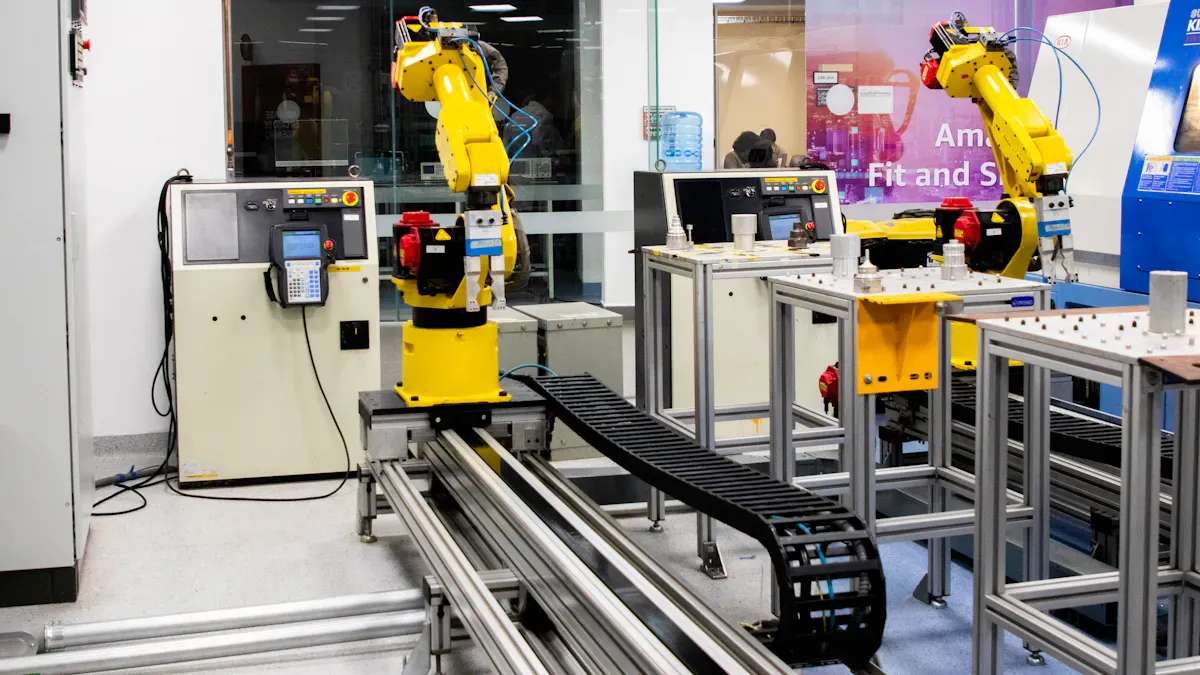
The demand for AI chip packaging continues to rise as technology advances. Mold-free selective plating service plays a crucial role in this area. This service allows you to achieve precise and efficient plating on intricate chip designs. By eliminating the need for molds, you can quickly adapt to changing specifications and market needs.
For instance, a leading semiconductor manufacturer recently implemented mold-free selective plating in their AI chip packaging process. They reported a significant reduction in production time, allowing them to meet tight deadlines without compromising quality. The flexibility of this service enabled them to produce chips with complex geometries, enhancing their performance in AI applications.
“Mold-free selective plating has transformed our approach to AI chip packaging. We can now innovate faster and respond to customer demands with greater agility,” said an industry expert from the semiconductor sector.
High-Density Connectors
High-density connectors are essential in modern electronics, particularly in robotics and telecommunications. The precision required for these connectors makes mold-free selective plating an ideal solution. This service enhances your production processes by providing uniform coatings on small, intricate components.
With mold-free selective plating, you can achieve tighter tolerances and better adhesion. This results in connectors that perform reliably under various conditions. A robotics manufacturer recently adopted this technology for their high-density connectors. They experienced a 25% increase in production efficiency and a notable decrease in defects.
“The ability to plate without molds has allowed us to push the boundaries of design in high-density connectors. We can now create more compact and efficient solutions for our clients,” stated a representative from the robotics manufacturing industry.
Applications in Robotics Manufacturing
Precision Components
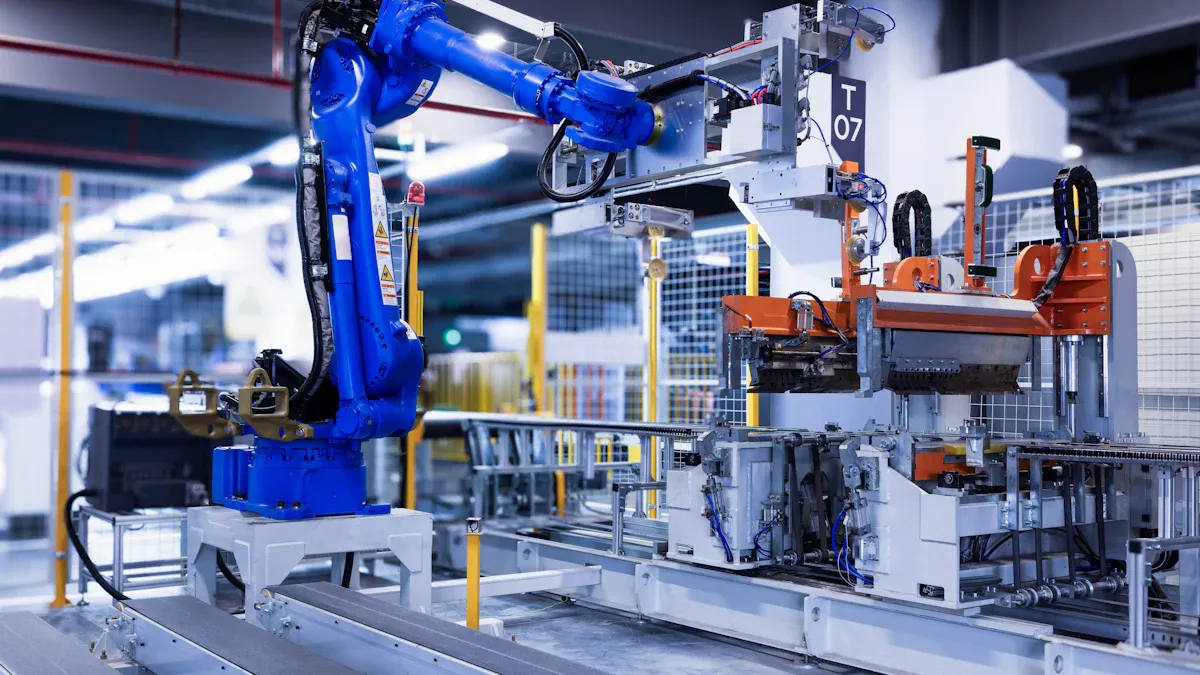
Mold-free selective plating plays a vital role in producing precision components for robotics. This technology allows you to achieve intricate designs with high accuracy. You can create parts that meet strict tolerances, essential for robotic applications. The ability to plate without molds means you can quickly adapt to design changes, enhancing your production flexibility.
For instance, manufacturers can produce gears, sensors, and actuators with exceptional precision. These components often require specific coatings to ensure durability and performance. By utilizing mold-free selective plating, you can achieve uniform coatings that enhance the lifespan of these critical parts.
Integration with AI Technologies
As robotics increasingly integrates with AI technologies, the demand for advanced manufacturing techniques grows. Mold-free selective plating supports this trend by enabling the production of complex components that AI systems require. You can create lightweight, high-strength parts that improve the efficiency of robotic systems.
Moreover, this technology aligns with industry standards such as ISO 9001, which emphasizes quality management systems. Adhering to these standards ensures that your manufacturing processes meet global quality benchmarks. The flexibility of mold-free selective plating allows you to innovate rapidly, keeping pace with the fast-evolving robotics landscape.
Mold-free selective plating significantly transforms micro-connector and robotics manufacturing in Japan. This innovative service enhances production efficiency, reduces costs, and supports environmental sustainability. By adopting this technology, you can achieve greater design flexibility and faster time-to-market.
Embrace mold-free selective plating to stay competitive in today’s fast-paced manufacturing landscape. Consider how this service can elevate your production processes and meet the demands of modern technology.
FAQ
What is mold-free selective plating?
Mold-free selective plating is a plating technique that eliminates the need for molds. This method allows for rapid prototyping, cost reduction, and design flexibility, making it ideal for micro-connectors and robotics manufacturing.
How does mold-free selective plating improve production efficiency?
This technique accelerates production by removing mold creation time. You can quickly adapt designs and respond to market demands, significantly reducing lead times and enhancing overall efficiency.
What industries benefit from mold-free selective plating?
Industries such as electronics, automotive, and robotics benefit greatly. This service supports the production of high-density connectors, AI chip packaging, and precision components, meeting the needs of advanced technology applications.
Is mold-free selective plating environmentally friendly?
Yes, mold-free selective plating reduces waste and minimizes harmful chemical usage. This aligns with modern sustainability goals, making your manufacturing processes more environmentally responsible.
How can I implement mold-free selective plating in my manufacturing process?
To implement this service, consult with a specialized provider. They can guide you through the integration process, ensuring you leverage the full benefits of mold-free selective plating in your production.
See Also
Innovative Mold-Free Plating Solutions for U.S. Tech Manufacturers
Advanced Mold-Free Plating for German Automotive Connector Producers
Vietnam’s Mold-Free Plating Services for 3C Electronic Connectors
Mold-Free Plating Services Supporting Saudi Arabia’s Vision 2030 EV Initiatives
Cost-Effective Mold-Free Plating Services Available in Vietnam