
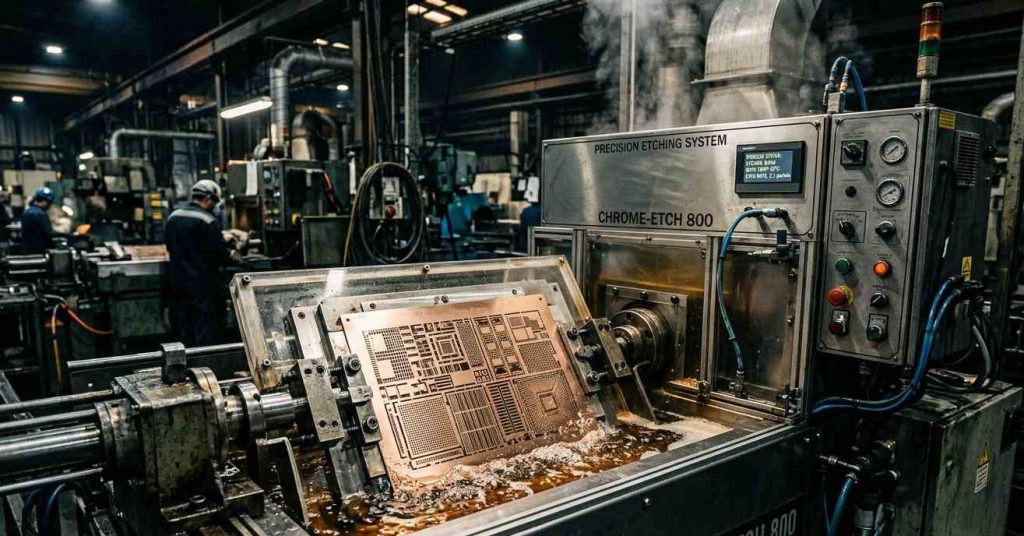
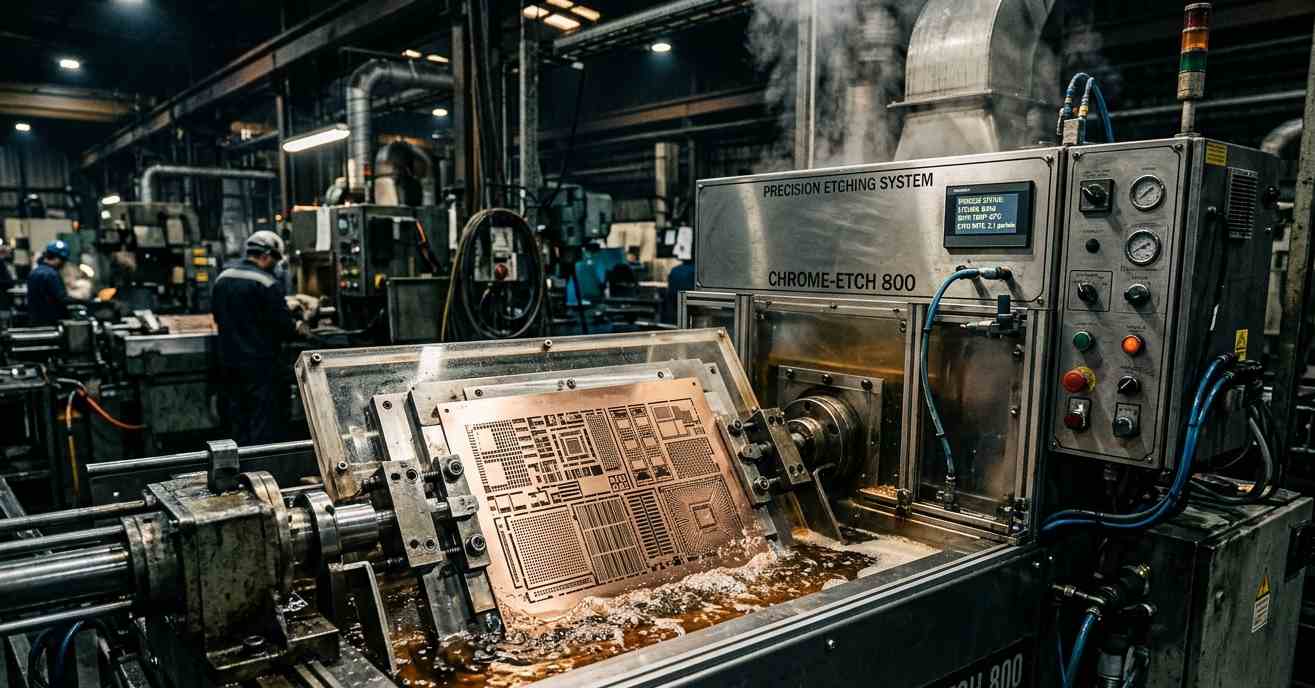
Die-free plating changes how you make prototypes. This new technology makes your work faster and better. Old methods usually take a long time and cost a lot. With die-free plating, you can solve these problems in R&D. You can make prototypes quicker and waste less. This helps you develop things more easily.
Key Takeaways
Die-free selective plating makes prototyping faster. It cuts costs and waste. This helps products get developed quicker.
This method uses precious metals only where they are needed. This saves a lot of money on materials and operations.
Industries like electronics and medical equipment gain a lot from selective plating. It makes their products better and more reliable.
Hybrid manufacturing methods and precision etching make selective plating work better. They allow for detailed designs and faster production.
Changing to die-free selective plating can cut waste by 50%. This helps the environment and increases company profits.
Benefits of Die-Free Plating
Cost Efficiency
Die-free plating helps you save money on your R&D projects. It focuses on specific areas that need metal. This way, you can cut down on material costs a lot. This method uses precious metals only where they are needed. Because of this, you can save a lot based on the shape and use of your parts.
Here are some important ways die-free selective plating saves money:
Cost-Saving Mechanism | Description |
|---|---|
Material Cost Reduction | Selective plating uses precious metals only where needed, leading to big savings. |
Resource Optimization | This method helps use resources better, which is good for the environment and uses important materials responsibly. |
Besides saving on materials, die-free plating also lowers operational costs compared to regular die-based plating. The table below shows these differences:
Aspect | Selective Plating | Conventional Die-Based Plating |
|---|---|---|
Metal Deposition Focus | Only on active surfaces (like electrical contacts) | On the whole component |
Material Savings | Big savings because of targeted use | Not as efficient |
Cost-Effectiveness | Quick savings when metal prices go up | Higher costs to operate |
By using die-free selective plating, you can speed up your R&D work. You need less tooling and setup, so you can go from design to prototype faster. This speed lets you test and improve your designs better, which helps you launch products quicker.
Material Utilization
Die-free selective plating greatly improves how materials are used. This method targets where precious metals go on the parts. By reducing waste, you save money and make your prototyping work better.
Many industries have seen big benefits from this new method. For example, the connectivity industry has improved electrical contact performance while cutting costs. The automotive industry meets reliability needs for electronic parts. Aerospace applications get better durability in tough conditions, while medical fields benefit from coatings that resist corrosion and are safe for implants.
Applications of Selective Plating
Electronics and Mobile Devices
Selective plating is very important in electronics and mobile devices. This technology helps makers put metal coatings only where they are needed. This way, you can save a lot of money and make electronic parts work better.
Here are some main benefits of selective plating in electronics:
Material Cost Reduction: You can save a lot by using precious metals only in important areas.
Performance Optimization: Selective plating lets you change the thickness of the coating. This makes mechanical, electrical, or chemical properties better.
Quality Assurance: You keep or even improve quality and performance, making electronic parts reliable.
Benefit | Description |
|---|---|
Material Cost Reduction | You can save a lot by using precious metals only in important areas. |
Performance Optimization | Selective plating lets you change the thickness of the coating, improving properties. |
Quality Assurance | Quality and performance are kept or improved, making electronic parts reliable. |
Using stainless steel strips with pre-plated nickel makes these benefits even better. These strips are strong and resist rust, which is great for mobile devices. They also allow for detailed designs, which are important in modern electronics.
Medical Equipment
In medicine, selective plating has special advantages. You can use this technology to make parts that need to be very precise and reliable. Medical devices have strict rules, and selective plating helps follow these rules.
Here are some ways selective plating helps medical equipment:
Corrosion Resistance: Coatings protect against damage, keeping devices safe for patients.
Biocompatibility: Selective plating allows for safe coatings for implants, lowering the chance of bad reactions.
Customization: You can change the plating process to fit different medical needs.
By using stainless steel strips in medical equipment, you get the strength and flexibility needed for many uses. These strips can be used in surgical tools, diagnostic devices, and more, making sure you have reliable materials for important tasks.
Innovations in Selective Plating
Hybrid Manufacturing Techniques
Hybrid manufacturing techniques mix old methods with new ones. You can use these techniques to improve selective plating. For example, metal additive manufacturing helps you make complex parts very accurately. This method works well with selective laser melting technology. You build parts layer by layer, giving you better control over the final product.
Here are some key benefits of hybrid manufacturing:
Increased Design Freedom: You can make detailed designs that were hard to create before.
Material Efficiency: This method cuts down on waste by using just the right amount of material.
Faster Production Times: You can make parts quicker, speeding up your prototyping process.
Precision Etching Capabilities
Precision etching capabilities are very important in selective plating. This process helps you create detailed patterns on metal surfaces. You can get high accuracy with techniques like powder bed fusion technology. This technology uses a laser to melt metal powder, making precise layers.
The benefits of precision etching include:
Enhanced Performance: You can make parts work better by improving their surface properties.
Customizable Features: You can change the etching process to fit specific needs for different uses.
Improved Quality Control: This method makes sure each part meets strict quality standards.
By adding these innovations to your manufacturing process, you can get better results. The mix of hybrid techniques and precision etching improves how well your products work. This leads to faster prototyping and more successful results in your R&D projects.
Case Studies in R&D
Success Stories
Many companies have used die-free selective plating in their R&D work. For instance, a top electronics maker used this method to create implants that match each patient. They focused on using selective laser melting to make custom implants that fit each person’s body. This way, they cut production time by 30% and saved a lot of money.
Another success story is from an automotive company. They used selective plating to make electronic parts last longer. By putting coatings only where needed, they improved performance and saved on materials. Their new method led to a 25% boost in production efficiency.
Comparative Analysis
When you compare old methods to die-free selective plating, the differences are clear. Companies that switched to selective plating saw faster production times and lower costs. A recent study found that manufacturers using selective plating cut their waste by up to 50%. This efficiency helps the environment and increases profits.
“Switching to selective plating has changed our manufacturing process. We can now make high-quality parts faster and cheaper,” said an expert from a top medical device company.
Die-free selective plating gives you big benefits in your R&D work. This technology speeds up prototyping by lowering costs and using materials better. You can make high-quality prototypes more quickly, which helps new ideas grow.
“Using die-free selective plating has changed how we develop products,” says an industry expert.
Think about adding this technology to your projects. It can improve your manufacturing and lead to better results. Start using the future of prototyping today!
FAQ
What is die-free selective plating?
Die-free selective plating is a way to put metal coatings only where they are needed on a part. This method cuts down on waste and saves money. It is great for making prototypes quickly and customizing products in many industries.
How does selective plating improve design efficiency?
Selective plating makes design work faster by letting you focus on areas that need metal. This targeted method speeds up prototyping and lowers costs. It helps you change designs quickly and effectively.
What industries benefit from die-free selective plating?
Many industries gain from die-free selective plating. These include electronics, automotive, and medical fields. Each industry uses this technology to make products better, save money, and follow strict rules.
Can I customize the plating process?
Yes, you can change the plating process to meet your needs. This flexibility lets you adjust how thick the coating is and what materials to use. This ensures the best performance for your specific applications.
How does selective plating contribute to sustainability?
Selective plating helps the environment by reducing waste and using resources wisely. This method lowers the impact on nature while keeping high-quality standards in manufacturing.
See Also
Innovative Tool-Free Selective Plating Boosts US Tech Production
Groundbreaking Moldless Selective Plating Technology for AI Processors
Affordable Selective Plating Techniques for I/O Interface Solutions
Moldless Continuous Selective Plating for Gold Coating Ultra-Thin Strips
Exploring Roll-to-Roll Etching Benefits for Future Electronics