
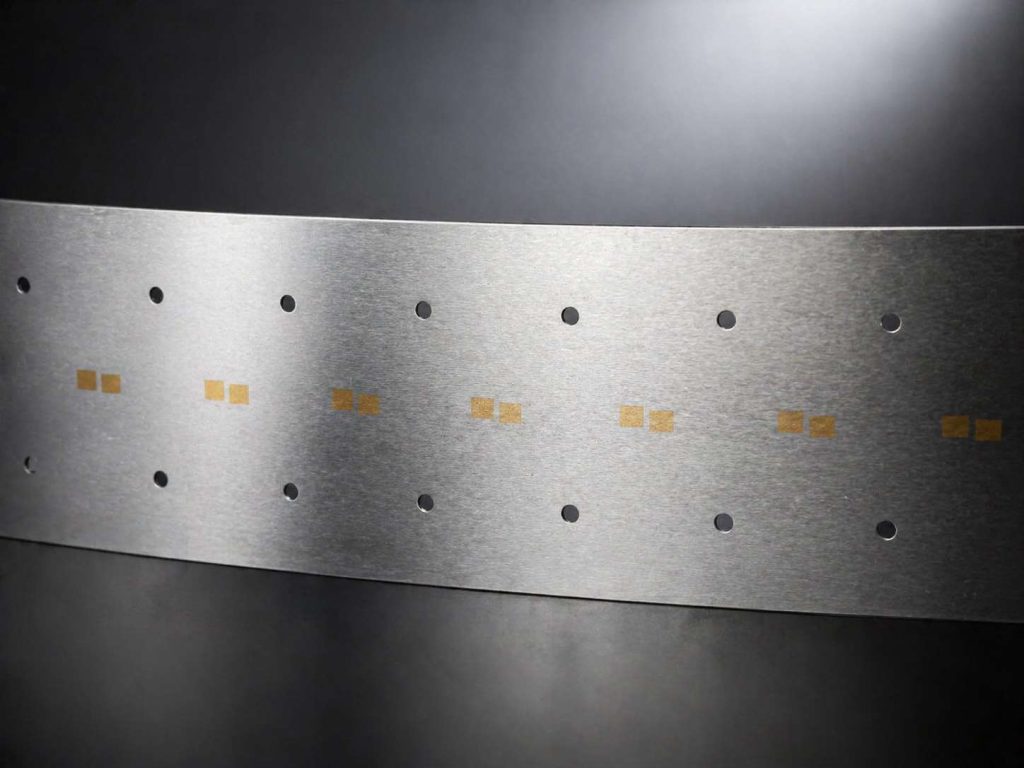
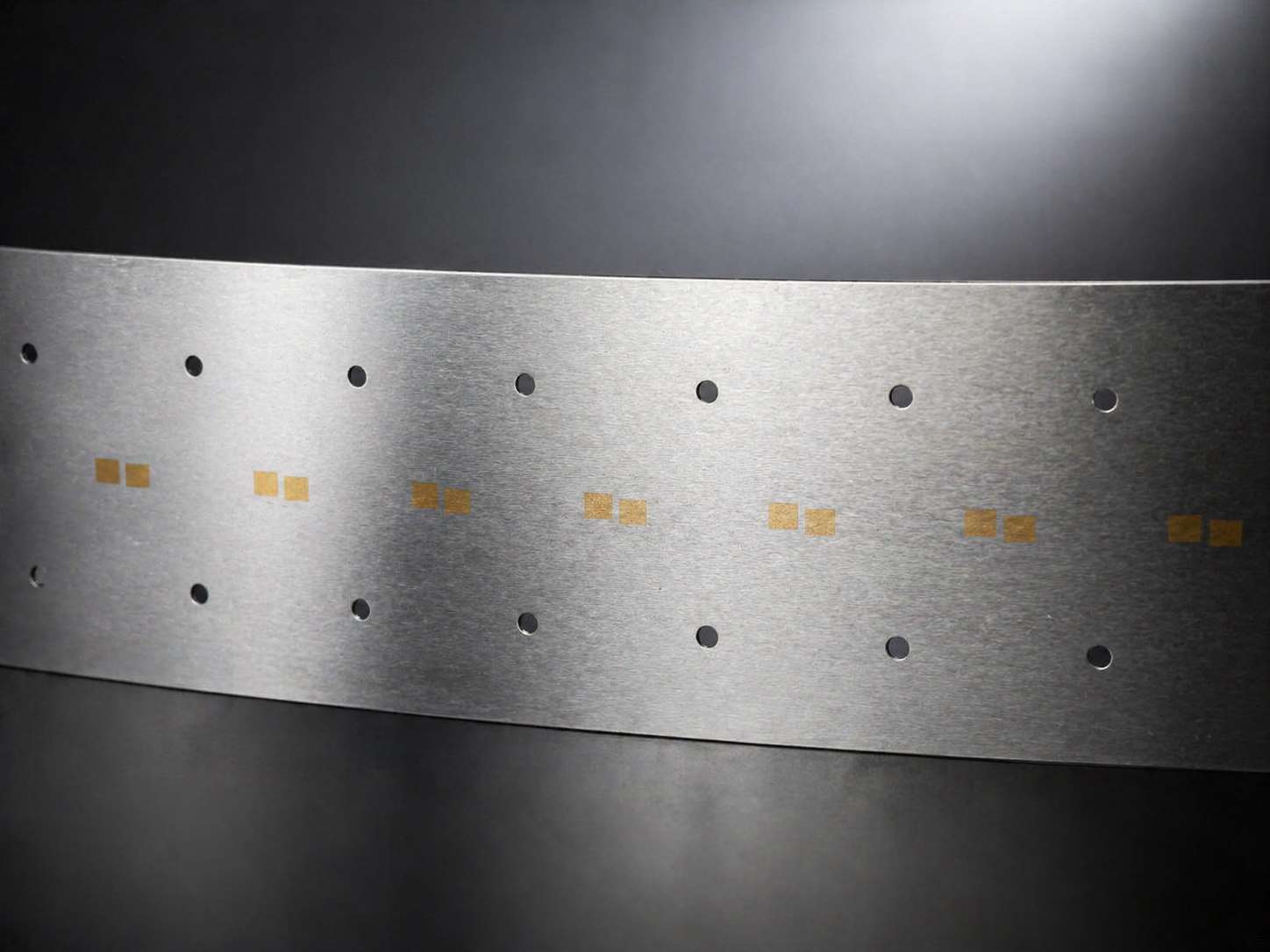
High-volume reel-to-reel etching transforms consumer electronics manufacturing. This innovative process streamlines production, leading to significant reductions in unit costs. By utilizing continuous processing, you enhance efficiency and minimize material waste. As a result, you can produce high-quality components at a fraction of traditional costs. Embracing this technology not only boosts your bottom line but also positions your products competitively in a rapidly evolving market.
Key Takeaways
Reel-to-reel (R2R) etching significantly reduces material waste, with companies reporting up to a 30% decrease in costs.
This technology enhances production speed, operating up to 50% faster than traditional batch methods, allowing for quicker market response.
R2R etching ensures consistent quality across batches, minimizing defects and variability in product output.
The process supports rapid prototyping without the need for molds, accelerating development cycles and reducing lead times.
Adopting R2R technology positions your business competitively in the evolving consumer electronics market, driving innovation and efficiency.
R2R Photo Etching Basics
Understanding the R2R Process
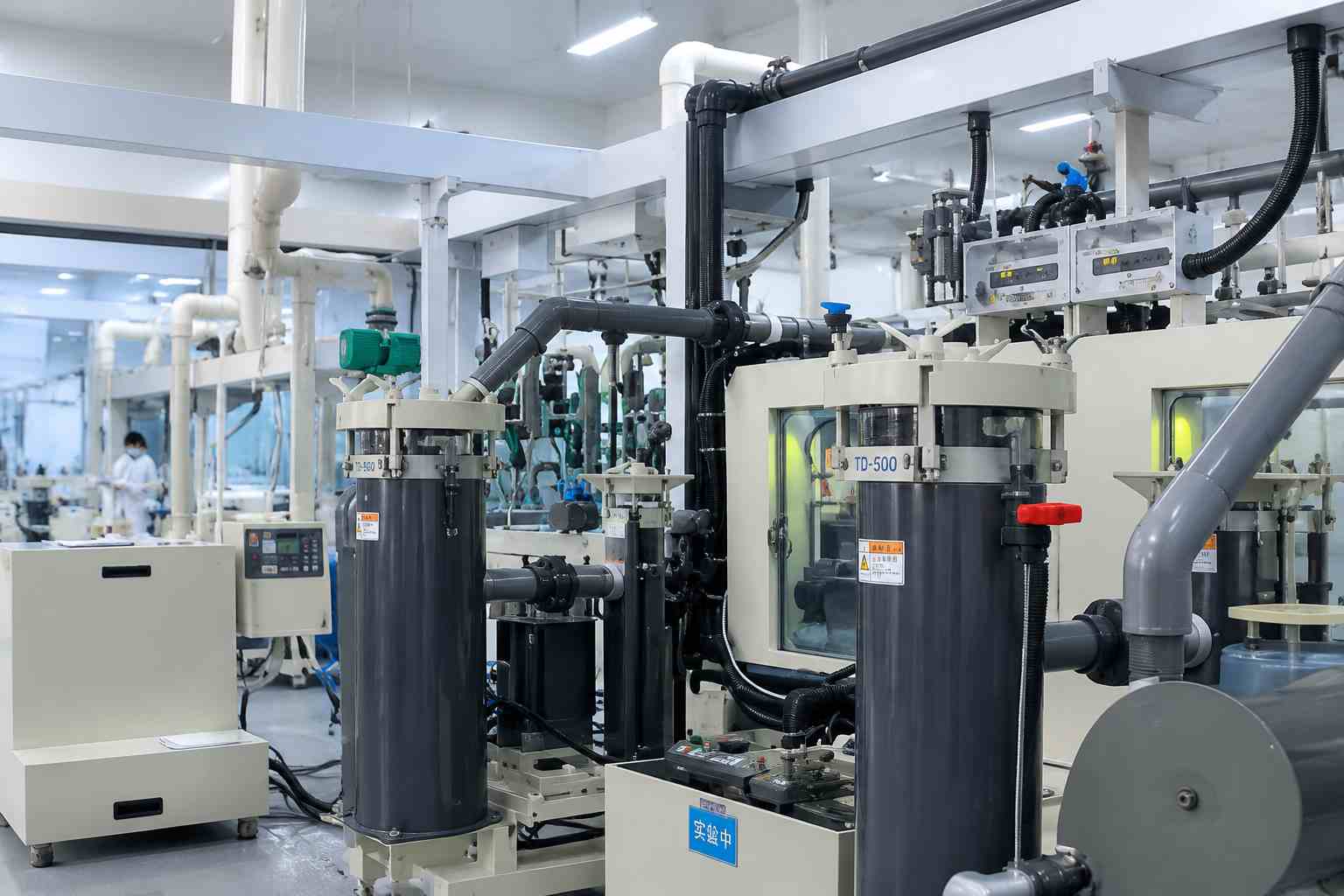
Reel-to-reel etching, often abbreviated as R2R, revolutionizes manufacturing by offering a continuous and efficient method for producing intricate components. In this process, a metal strip unwinds from a reel, passes through various stages of etching, and then rewinds onto another reel. This seamless flow eliminates the need for manual intervention, reducing errors and enhancing precision. You benefit from a streamlined operation that minimizes downtime and maximizes output. The significance of reel-to-reel etching lies in its ability to handle high volumes with consistent quality, making it ideal for consumer electronics where precision and speed are paramount.
Key Components of R2R Systems
To fully grasp the advantages of reel-to-reel etching, you must understand its key components. The system typically includes an unwinder, etching chamber, rinsing station, and rewinder. The unwinder holds the metal strip, ensuring a smooth feed into the etching chamber. Here, the strip undergoes chemical treatment to etch the desired patterns. The rinsing station follows, removing any residual chemicals to prevent contamination. Finally, the rewinder collects the finished product, ready for further processing or assembly. Each component plays a crucial role in maintaining the integrity and efficiency of the process. By integrating these elements, you achieve a high level of precision and cost-effectiveness, essential for staying competitive in today’s market.
Reel-to-reel etching not only enhances production capabilities but also aligns with modern manufacturing demands for sustainability and efficiency. As you adopt this technology, you position yourself at the forefront of innovation, ready to meet the evolving needs of the consumer electronics industry.
Advantages of Reel-to-Reel Etching
Cost Efficiency in Material Usage
Reel-to-reel etching offers significant cost savings through optimized material usage. This process achieves high precision and intricate detailing, which minimizes waste. By reducing the amount of material needed for each component, you can lower production costs substantially. Here are some key advantages of R2R etching in terms of material efficiency:
Advantage | Description |
|---|---|
Achieves high precision and intricate detailing, minimizing material waste. | |
Low Thermal and Mechanical Stress | Reduces heat and mechanical stress on materials, preserving their properties and reducing waste. |
Scalability | Can be scaled for larger components, optimizing material use across different project sizes. |
Fast Prototyping | Enables quick translation of designs into components, leading to efficient material usage. |
By utilizing R2R etching, you can produce components with minimal waste, which is crucial in today’s competitive market. For instance, manufacturers have reported up to a 30% reduction in material costs when switching from traditional methods to reel-to-reel etching. This not only enhances profitability but also supports sustainability efforts by reducing the environmental impact of production.
Speed and Scalability
The speed and scalability of reel-to-reel etching further enhance its appeal for consumer electronics manufacturing. This continuous process allows you to produce large quantities of components in a fraction of the time compared to traditional batch methods. The streamlined workflow minimizes downtime and maximizes output, enabling you to meet market demands swiftly.
With R2R etching, you can easily scale production to accommodate varying project sizes. Whether you need small runs for prototypes or large volumes for mass production, this technology adapts to your needs. The ability to quickly adjust production levels ensures that you remain agile in a fast-paced industry.
R2R vs. Traditional Etching
Limitations of Batch-Based Etching
Batch-based etching has long been the standard in manufacturing, but it comes with several limitations that can hinder efficiency and increase costs. Here are some key drawbacks:
Time-Consuming Processes: Batch etching requires multiple steps, including setup, processing, and cleanup. Each batch must be prepared and processed separately, leading to longer lead times.
Increased Material Waste: The nature of batch processing often results in higher material waste. You may find that leftover materials from one batch cannot be reused effectively in the next, leading to increased costs.
Limited Scalability: Scaling production in batch systems can be challenging. As demand fluctuates, adjusting batch sizes can lead to inefficiencies and delays.
Quality Inconsistencies: Variability in processing conditions can lead to inconsistencies in product quality. Each batch may produce slightly different results, complicating quality control.
Higher Labor Costs: Batch processing often requires more manual intervention, increasing labor costs and the potential for human error.
Continuous Processing Benefits
In contrast, reel-to-reel etching offers a continuous processing model that addresses many of the limitations associated with batch-based systems. Here are some of the key benefits:
Efficiency and Speed: R2R etching allows for uninterrupted production. The continuous flow of materials reduces downtime significantly. According to industry data, manufacturers using R2R technology can achieve production speeds up to 50% faster than traditional methods.
Reduced Material Waste: The precision of reel-to-reel etching minimizes waste. A study by BonySN found that companies utilizing R2R technology reported a 30% reduction in material costs due to lower waste levels.
Scalability: R2R systems easily adapt to varying production needs. Whether you require small runs for prototypes or large volumes for mass production, the technology scales efficiently without compromising quality.
Consistent Quality: Continuous processing ensures uniformity in product quality. With fewer variables in the production process, you can achieve consistent results across large batches.
Lower Labor Costs: Automation in R2R systems reduces the need for manual intervention. This leads to lower labor costs and minimizes the risk of human error.
Feature | Batch-Based Etching | Reel-to-Reel Etching |
|---|---|---|
Production Speed | Slower, time-consuming | Up to 50% faster |
Material Waste | Higher due to batch leftovers | Lower, more efficient usage |
Scalability | Difficult to adjust | Easily scalable |
Quality Consistency | Variable results | Consistent quality |
Labor Costs | Higher due to manual work | Lower due to automation |
Bonysn’s roll to roll etching technology
mold-free, quickly produce samples
BonySN’s roll-to-roll etching technology stands out in the market due to its innovative approach to sample production. You can quickly create samples without the need for mold opening. This feature significantly reduces lead times, allowing you to respond swiftly to market demands. The elimination of molds not only accelerates the prototyping process but also lowers costs associated with mold fabrication.
Zero burr precision products
Another remarkable aspect of BonySN’s technology is its ability to produce zero burr precision products. Burrs can compromise the quality and functionality of components, leading to increased defect rates. With BonySN’s advanced etching process, you achieve clean edges and flawless finishes. This precision is crucial for industries that require high-quality components, such as consumer electronics.
The highest precision of thin film etching can reach ± 0.005mm
Precision is a hallmark of BonySN’s roll-to-roll etching technology. The process can achieve a maximum precision of ±0.005mm in film etching. This level of accuracy is essential for applications that demand meticulous detail. The technology can process materials with thicknesses ranging from 0.01 to 2.0 mm, making it versatile for various applications.
Here’s a summary of the key features of BonySN’s roll-to-roll etching technology:
Feature | Description |
|---|---|
Mold Opening | No mold opening required for quick sample making. |
Precision | Achieves a maximum precision of ±0.005mm in film etching. |
Processing Thickness | Capable of processing materials with thickness from 0.01 to 2.0 mm. |
Efficiency | Significantly improves efficiency, reduces costs, and lowers defect rates. |
Versatility | Supports various processes like stamping, bending, electroplating, etc. |
By integrating these features, BonySN’s technology enhances your manufacturing capabilities, ensuring you remain competitive in the fast-paced consumer electronics market.
Real-World Applications in Consumer Electronics
Case Studies of Cost Savings
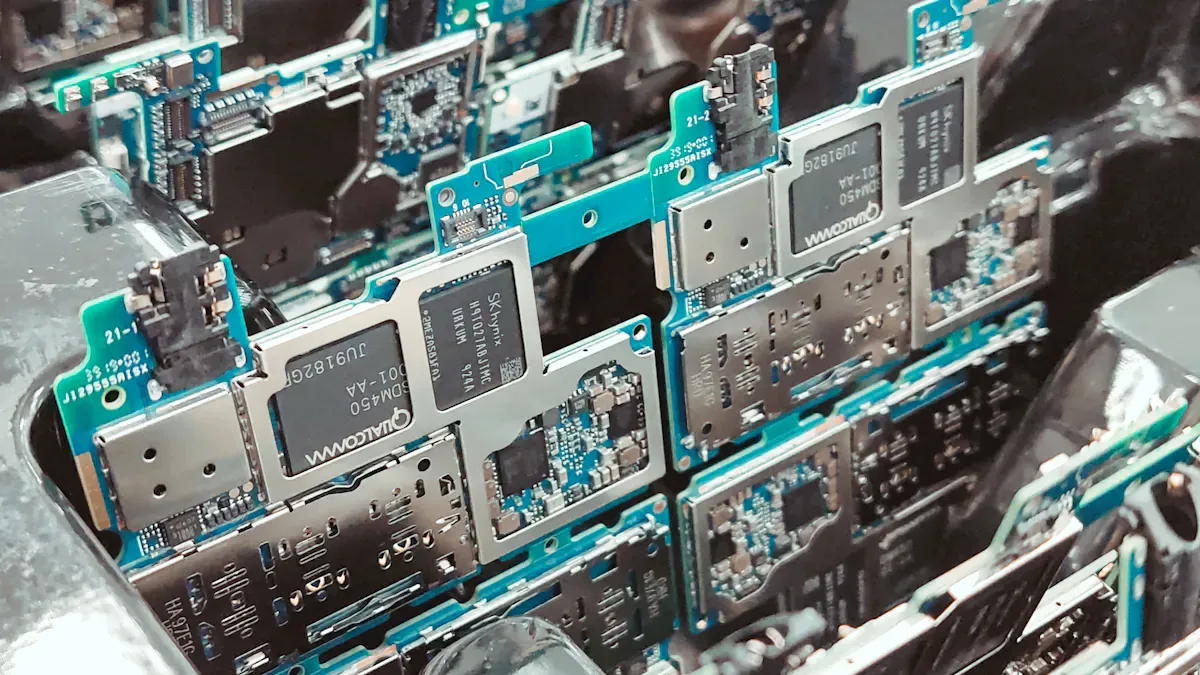
Many companies have embraced reel-to-reel etching to enhance their manufacturing processes. For instance, a leading smartphone manufacturer reported a 25% reduction in production costs after switching to R2R etching. This transition allowed them to streamline their operations and minimize material waste. Another electronics firm noted that they could produce intricate circuit designs at 30% lower costs compared to traditional methods.
Here are some key benefits observed in these case studies:
Faster Prototyping: R2R photo etching accelerates the development process. Companies can quickly create prototypes, allowing for rapid testing and iteration.
Cost-Effectiveness: The technology proves more economical for low-volume production runs. This reduces initial costs and setup time, making it easier for businesses to respond to market demands.
Impact on Development Cycles
The integration of reel-to-reel etching significantly shortens development cycles in consumer electronics. By enabling faster prototyping, you can bring products to market more quickly. This agility is crucial in an industry where consumer preferences shift rapidly.
Consider the following impacts on development cycles:
Impact | Description |
|---|---|
Reduced Time-to-Market | Companies can launch products faster, gaining a competitive edge. |
Enhanced Flexibility | Rapid adjustments to designs allow for better alignment with market trends. |
Improved Collaboration | Teams can work more efficiently, sharing prototypes for feedback sooner. |
Future of R2R Etching Technology
Innovations on the Horizon
The future of reel-to-reel etching technology looks promising, with several innovations on the horizon. Companies are investing in advanced materials and processes that enhance efficiency and precision. For instance, researchers are developing eco-friendly etching solutions that reduce environmental impact while maintaining high-quality output. Additionally, automation and AI integration are streamlining production workflows, allowing for real-time monitoring and adjustments. These advancements will not only improve production rates but also ensure consistent quality across batches.
Emerging Technologies:
Smart Sensors: These devices monitor the etching process, providing data that helps optimize performance.
Advanced Materials: New alloys and coatings enhance durability and functionality in consumer electronics.
AI-Driven Analytics: Machine learning algorithms analyze production data to predict maintenance needs and reduce downtime.
Market Growth Potential
The market for reel-to-reel etching is poised for significant growth. Industry analysts project a compound annual growth rate (CAGR) of over 15% in the next five years. This growth is driven by the increasing demand for miniaturized electronic components and the need for cost-effective manufacturing solutions.
Year | Projected Market Size (in billion USD) | CAGR (%) |
|---|---|---|
2023 | 1.5 | – |
2024 | 1.75 | 15 |
2025 | 2.0 | 15 |
2026 | 2.3 | 15 |
2027 | 2.65 | 15 |
As more manufacturers adopt reel-to-reel etching, you can expect increased competition and innovation in the sector. Companies like BonySN are leading the charge, showcasing how advanced etching technology can enhance production capabilities and reduce costs.
High-volume R2R photo etching offers significant cost-saving benefits for consumer electronics manufacturing. By streamlining production processes, you can achieve:
Reduced Material Waste: Companies report up to a 30% decrease in material costs.
Faster Production Speeds: R2R systems can operate 50% faster than traditional methods.
Consistent Quality: Continuous processing ensures uniformity across batches.
Embracing this technology positions you to meet market demands efficiently. As the industry evolves, R2R etching will play a crucial role in shaping the future of manufacturing, making it an essential consideration for your business strategy.
FAQ
What is reel-to-reel (R2R) photo etching?
Reel-to-reel photo etching is a continuous manufacturing process. It involves unwinding a metal strip, etching patterns, and rewinding it. This method enhances efficiency and reduces costs in producing electronic components.
How does R2R etching reduce costs?
R2R etching minimizes material waste and speeds up production. Companies report up to a 30% reduction in material costs and 50% faster production speeds compared to traditional methods.
What materials can BonySN’s R2R technology process?
BonySN’s technology processes various materials, including stainless steel strips, pre-plated nickel, and special copper alloys. This versatility allows you to meet diverse manufacturing needs.
How does R2R etching improve product quality?
R2R etching ensures consistent quality through continuous processing. This method reduces variability, leading to uniform results across batches and minimizing defects.
Can R2R etching support rapid prototyping?
Yes, R2R etching allows for quick sample production without mold opening. This capability accelerates prototyping, enabling you to respond swiftly to market demands.
See Also
Ways To Lower Plating Mold Expenses For Electronics Makers
Revolutionizing Battery Production With Roll-To-Roll Continuous Etching
Vietnam’s OEM Lines Benefit From Roll-To-Roll Metal Etching
High-Precision Metal Etching For Semiconductor Uses
Exploring Electronics’ Future: Benefits Of Continuous Roll-To-Roll Etching