
Roll-to-roll metal etching is very important for making sensor parts in KSA. This new process has many benefits for you. First, it helps by allowing nonstop production. Second, it guarantees accuracy, which is very important for how sensors work. Lastly, it saves money, making it a good choice for makers. By using metal etching services, you can boost your production skills while keeping high quality.
Key Takeaways
Roll-to-roll metal etching lets us make products without stopping. This saves time and cuts costs for making sensors.
This method is very precise. It can reach an accuracy of ±0.005mm. This is important for how sensors work.
Metal etching is flexible. It works well with materials like copper and stainless steel. This makes it good for many sensor uses.
Using metal etching can greatly reduce production costs. It can also boost output, helping manufacturers stay ahead of the competition.
Knowing which materials work well together and how complex designs are is important. This helps in using roll-to-roll etching for sensor parts successfully.
Metal Etching Overview

Definition and Importance
Metal etching is a way to take away material from a metal surface. This creates specific patterns or designs. This method is very important for making sensor parts. By using metal etching services, you can get high precision and detailed designs. These are needed for how sensors work. The process can make complex shapes that older methods find hard to create.
Here are some key reasons why metal etching is important:
Precision: Metal etching gives accuracy down to micrometers. This detail is crucial for sensors needing exact measurements.
Efficiency: The roll-to-roll method allows for nonstop production. This saves time and cuts costs.
Versatility: You can use metal etching on many materials, like copper, stainless steel, and alloys. This flexibility makes it good for different sensor uses.
Relevance to MEMS Technology
Micro-Electro-Mechanical Systems (MEMS) technology depends a lot on precise manufacturing methods. MEMS devices often have sensors that notice changes in the environment. These changes can be pressure, temperature, and motion. Metal etching services are key to making these devices.
The ability to create tiny, detailed parts with high accuracy makes metal etching a top choice in MEMS production. For example, sensors in smartphones and cars benefit from the precision that metal etching provides. As MEMS technology keeps improving, the need for high-quality metal etching will grow.
Roll-to-Roll Process
Step-by-Step Process
The roll-to-roll metal etching process has several important steps. Knowing these steps helps you understand how this technology works. Here’s a simple breakdown:
Material Preparation: Start with a roll of metal foil. Common materials are copper and stainless steel. Make sure the metal is clean and free from dirt.
Coating: Put a photoresist layer on the metal surface. This layer protects parts of the metal that you want to keep safe during etching.
Exposure: Use ultraviolet (UV) light to shine on the photoresist. This step makes a pattern based on your design. The areas that get light will become easy to remove.
Development: Wash the exposed metal with a developer solution. This takes away the easy-to-remove photoresist, leaving a pattern on the metal.
Etching: Soak the metal in an etching solution. This chemical bath removes the parts of the metal that are not protected, making the design you want.
Stripping: After etching, take off the leftover photoresist. This gives you a clean, etched metal part.
Quality Control: Check the final product for precision and accuracy. Make sure it meets the needed specifications for your sensor parts.
Technology Used
The roll-to-roll process uses advanced technology to improve efficiency and precision. Here are some key technologies involved:
High-Precision Etching Equipment: Modern machines can achieve vertical alignment precision of ±0.005mm. This accuracy is very important for making parts used in microelectromechanical systems (MEMS).
Continuous Processing: The roll-to-roll method allows for nonstop production. This means you can make many parts without stopping, saving time and cutting costs.
Integrated Systems: Many places combine screen printing, die cutting, and selective plating into the roll-to-roll process. This combination makes production smoother and improves product quality.
Advanced Materials: The technology works with many materials, including ultra-thin foils and copper alloys. This flexibility lets you create a wide range of sensor parts.
By learning about the roll-to-roll process and the technology behind it, you can see how it helps make high-quality sensor parts efficiently.
Bonysn (Bailixin) Brand and Advanced Roll-to-Roll Etching Capabilities
Company Overview
Bonysn (Bailixin) is a top company in precision metal materials and roll-to-roll etching services. It started in 2007 and is known for being creative and helpful to customers. You can count on Bonysn to provide high-quality solutions just for you. Their focus on doing great work makes them a leader in advanced metal strips, pre-plating, and continuous etching.
Technological Innovations
Vertical Alignment Precision ±0.005mm
One of Bonysn’s main strengths is its vertical alignment precision of ±0.005mm. This accuracy is very important for making sensor parts that need exact measurements. You can trust this precision to help your sensor parts work well.
Continuous Etching Without Punching
Bonysn also provides continuous etching without needing to punch. This new technology allows for nonstop production, which saves time and cuts costs. You get faster results and better efficiency in your manufacturing.
Material and Process Integration
Bonysn combines different processes to improve product quality. They mix screen printing, die cutting, and selective plating into their roll-to-roll etching services. This combination ensures smooth delivery of high-quality products. You can find a variety of materials, like ultra-thin foils, copper alloys, and stainless steels. Their selective plating options include nickel, tin, gold, and silver, making it useful for many sensor applications.
Bonysn’s focus on technology and quality has earned them national patents and certifications. Their products are used in electronics, semiconductors, cars, and aerospace. With Bonysn, you can trust the reliability and performance of your sensor parts.
Advantages for Sensors
Precision and Accuracy
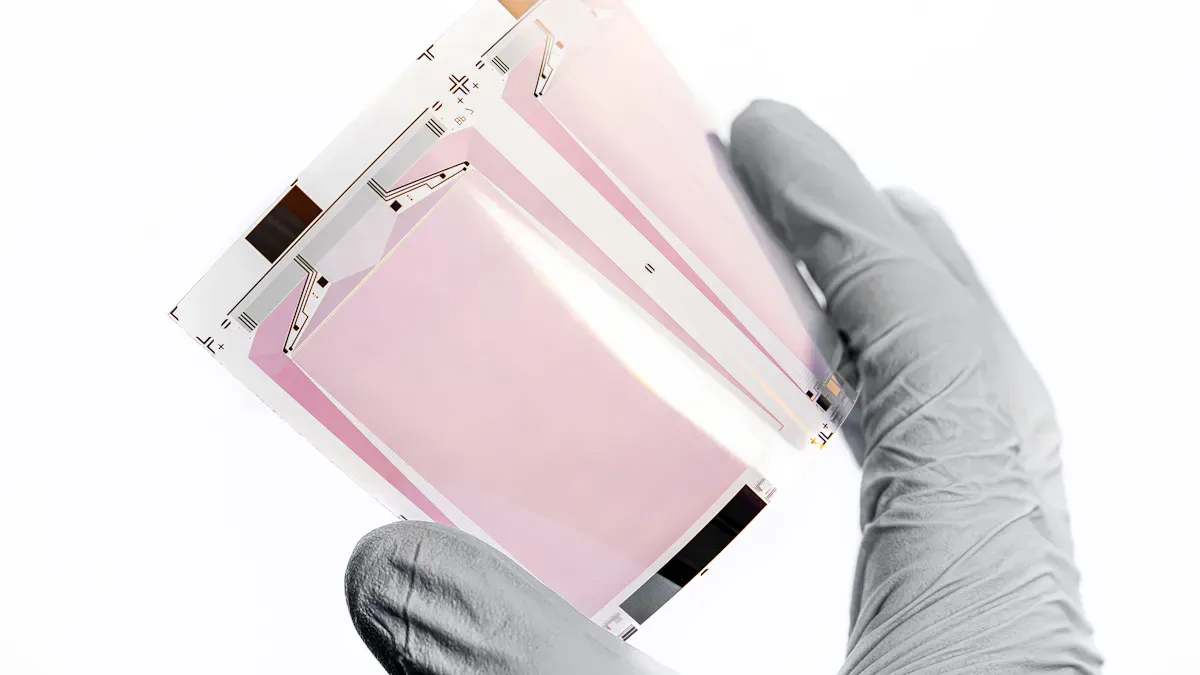
Using metal etching services for your sensor parts gives you big benefits in precision and accuracy. Metal etching helps you make detailed designs with high quality. This precision is very important for sensors, especially for capacitive and humidity sensors.
“The accuracy of metal etching can reach ±0.005mm, which is essential for the functionality of MEMS devices,” says an industry expert.
This level of precision makes sure your sensors work well in different conditions. Older methods often have trouble making such fine details. This can lead to mistakes in sensor readings. With metal etching, you can be sure that your parts will meet the exact needs for the best performance.
Scalability and Cost-Effectiveness
Metal etching services also provide scalability and cost-effectiveness that older methods can’t match. The roll-to-roll process allows for nonstop production. This means you can make many sensor parts without stopping. This efficiency cuts down on labor costs and reduces waste.
Cost Savings: By removing the need for many setups and cutting down on material waste, you can greatly lower production costs.
Faster Turnaround: The ability to make parts quickly means you can react to market needs faster, giving you an advantage over competitors.
A case study from a top electronics maker showed that switching to metal etching services cut their production costs by 30% and increased output by 50%. This change helped them meet rising demand without losing quality.
Applications in KSA
Industries Using Metal Etching
In KSA, many industries gain from roll-to-roll metal etching services. These industries include:
Electronics: Companies in this field use metal etching for circuit boards and sensor parts. The accuracy of etching makes sure that electronic devices work well.
Automotive: The automotive industry depends on metal etching for parts like sensors and connectors. These parts must handle tough conditions while staying accurate.
Aerospace: Aerospace makers use metal etching for lightweight and strong parts. The ability to make detailed designs is important for safety and performance.
Renewable Energy: This industry uses metal etching for solar panels and battery parts. The roll-to-roll process helps lower production costs.
Examples of Sensor Applications
Metal etching is very important for making different sensor applications. Here are some examples:
Temperature Sensors: These sensors need exact metal patterns for accurate readings. Metal etching gives the detail needed for good temperature measurement.
Pressure Sensors: The automotive and aerospace fields use pressure sensors a lot. Metal etching helps create sensitive parts that react quickly to pressure changes.
Humidity Sensors: These sensors gain from the high accuracy of metal etching. Correct humidity readings are key for climate control systems in buildings and cars.
“The use of metal etching in sensor manufacturing has revolutionized the industry,” says an industry expert. “It allows for greater accuracy and efficiency, which is crucial for modern applications.”
By using metal etching, industries in KSA can improve their product quality and meet the rising demand for advanced sensor technologies.
Assessing Suitability of Sensor Components for Roll-to-Roll Etching
Material Compatibility
When thinking about roll-to-roll metal etching, check the materials in your sensor parts first. Not every material works well with this process. Common materials like copper and stainless steel are good choices because they are strong and etch well. Make sure the material can handle the etching chemicals without breaking down.
“Choosing the right material is crucial for achieving the desired precision in sensor components,” says an industry expert.
Design Complexity
Next, look at how complex your sensor design is. Roll-to-roll etching is great for making detailed patterns and shapes. But, very complicated designs can cause problems during production. Try to create designs that have a good mix of detail and ease of making. Simple shapes usually give better results and faster production times.
Tip: Use CAD software to see your design. This can help you spot possible problems before you start making it.
Volume and Production Requirements
Finally, think about how many parts you need to make. Roll-to-roll etching is best for making a lot of parts quickly. If you need to produce many sensor components, this method can save money and time.
High Bandwidth Applications: If your sensors are for high bandwidth uses, make sure your design and material choices meet the performance needs.
By checking these things—material compatibility, design complexity, and production volume—you can find out if roll-to-roll metal etching is the right fit for your sensor parts.
Roll-to-roll metal etching has many benefits for sensor parts in KSA. This method provides high accuracy, efficiency, and saves money. You can create detailed designs that fit modern needs. As more industries use advanced sensors, metal etching will become even more important.
“The accuracy of metal etching can reach ±0.005mm, which is essential for the functionality of MEMS devices,” says an industry expert.
By using this technology, you can lead in the sensor market and stay ahead of the competition.
FAQ
What is roll-to-roll metal etching?
Roll-to-roll metal etching is a way to make parts. It uses long rolls of metal to create exact patterns. This method is fast and great for making sensor parts with high accuracy.
How does metal etching benefit sensor manufacturing?
Metal etching gives high precision and allows for detailed designs. This process helps sensors work better by making sure measurements are accurate and lowering production costs.
What materials are suitable for roll-to-roll etching?
Common materials for roll-to-roll etching are copper, stainless steel, and different alloys. These materials work well with the chemicals used in etching and are strong enough for sensor use.
Can roll-to-roll etching handle complex designs?
Yes, roll-to-roll etching can make detailed designs. But very complicated designs might make production harder. Try to find a good mix of detail and ease of making for the best results.
How does Bonysn ensure quality in their etching process?
Bonysn uses advanced technology and strict quality checks. Their machines can achieve vertical alignment precision of ±0.005mm. This ensures that every sensor part meets high standards.
See Also
Exploring Roll-to-Roll Etching Benefits for Future Electronics
Achieving Precision Metal Etching for Semiconductor Technologies
Revolutionizing Battery Manufacturing with Roll-to-Roll Etching
The Shift to Etched Stainless Steel Springs in Medical Devices