
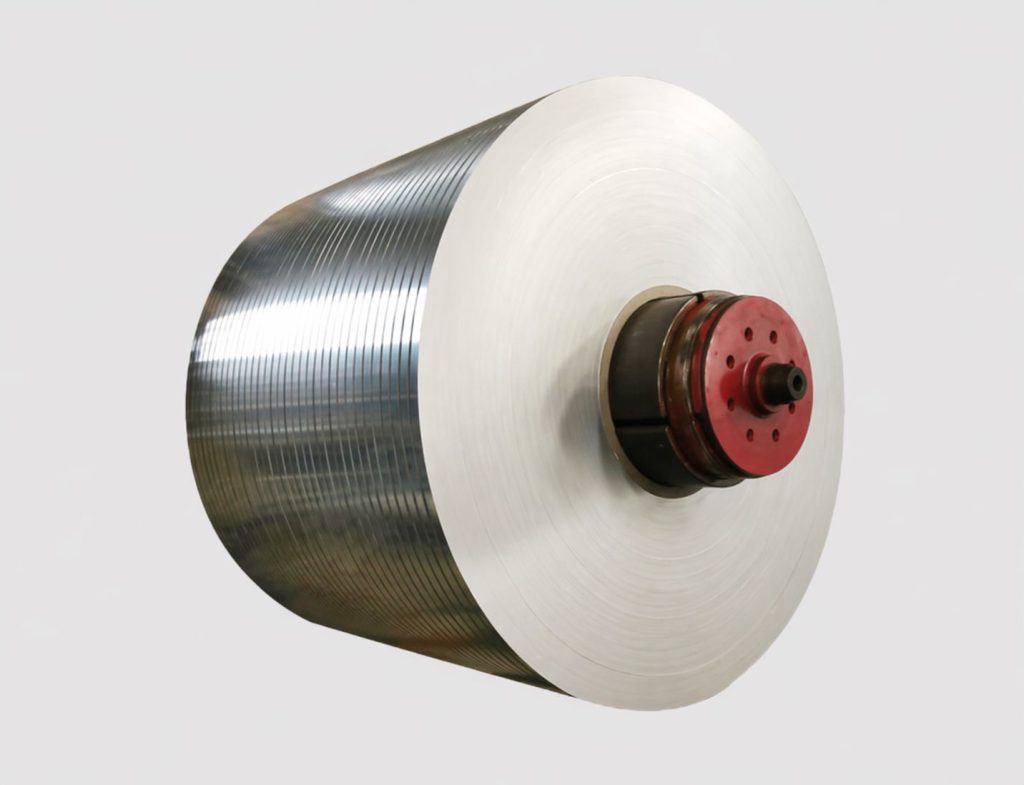
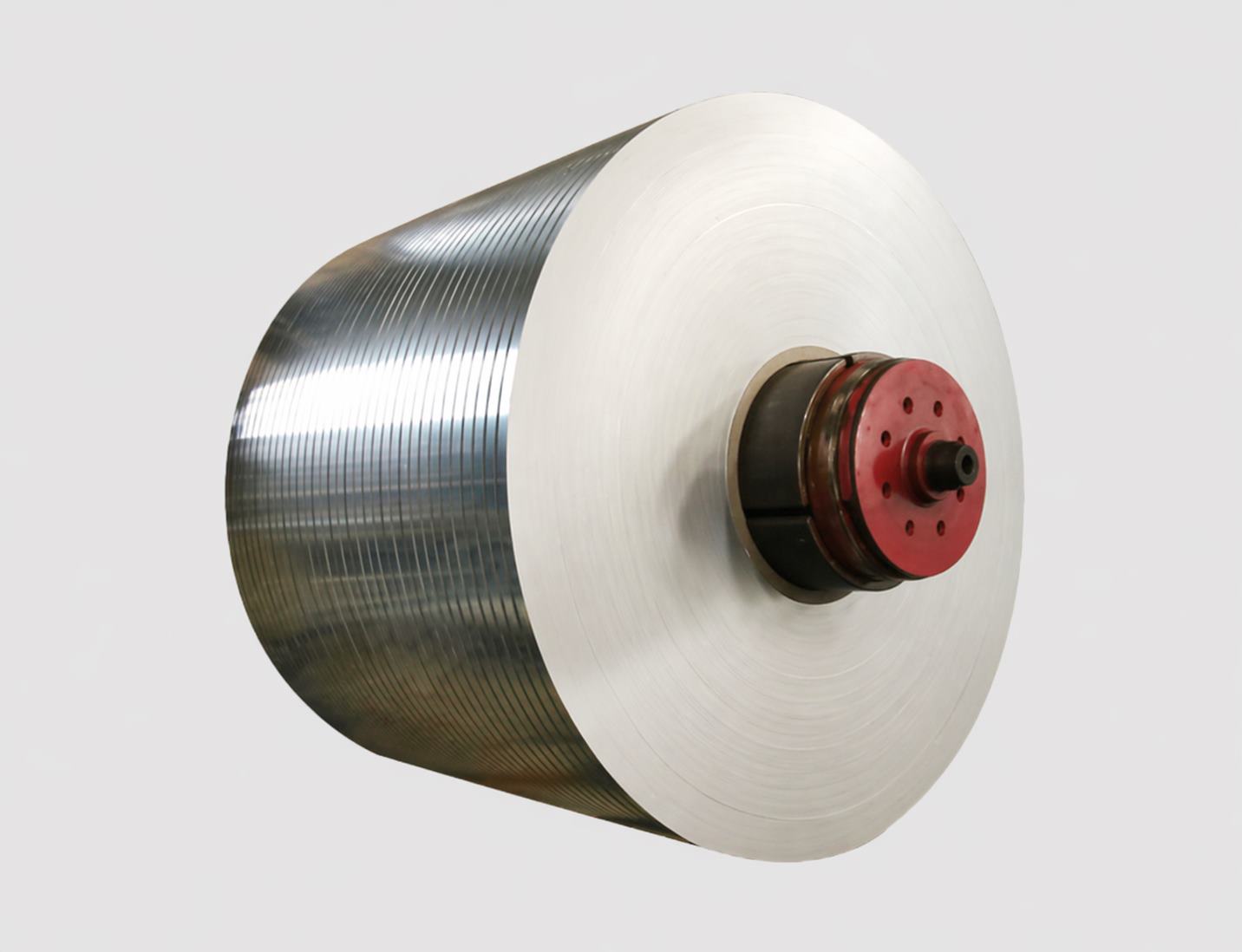
Reel-to-reel plating is a new way to make automotive connectors. This method improves performance, efficiency, and saves money for high-frequency uses. Car manufacturers are spending more on continuous electroplating. They want to keep up with the rising need for electric vehicle (EV) parts.
The benefits are clear when you look at reel-to-reel plating and traditional methods:
Aspect | Reel-to-Reel Plating | Traditional Plating Methods |
|---|---|---|
Efficiency | High; continuous processing speeds things up | Lower; batch processing slows things down |
Consistency | Even coating gives reliable performance | Different; can cause uneven results |
Cost-Effectiveness | Less handling and waste cuts costs | Higher costs because of more manual work |
With these benefits, reel-to-reel plating is important for today’s automotive needs.
Key Takeaways
Reel-to-reel plating makes things work better. It allows for continuous processing. This speeds up production and cuts costs.
This method gives a steady coating. It improves the reliability and performance of high-frequency connectors.
Selective plating reduces waste. It uses precious metals only where they are needed. This helps with sustainable manufacturing.
Working together during the design phase helps manufacturers and clients. It leads to better quality and faster production of connectors.
Following industry standards builds trust. It makes sure connectors work well in tough automotive environments.
Precision in Continuous Electroplating
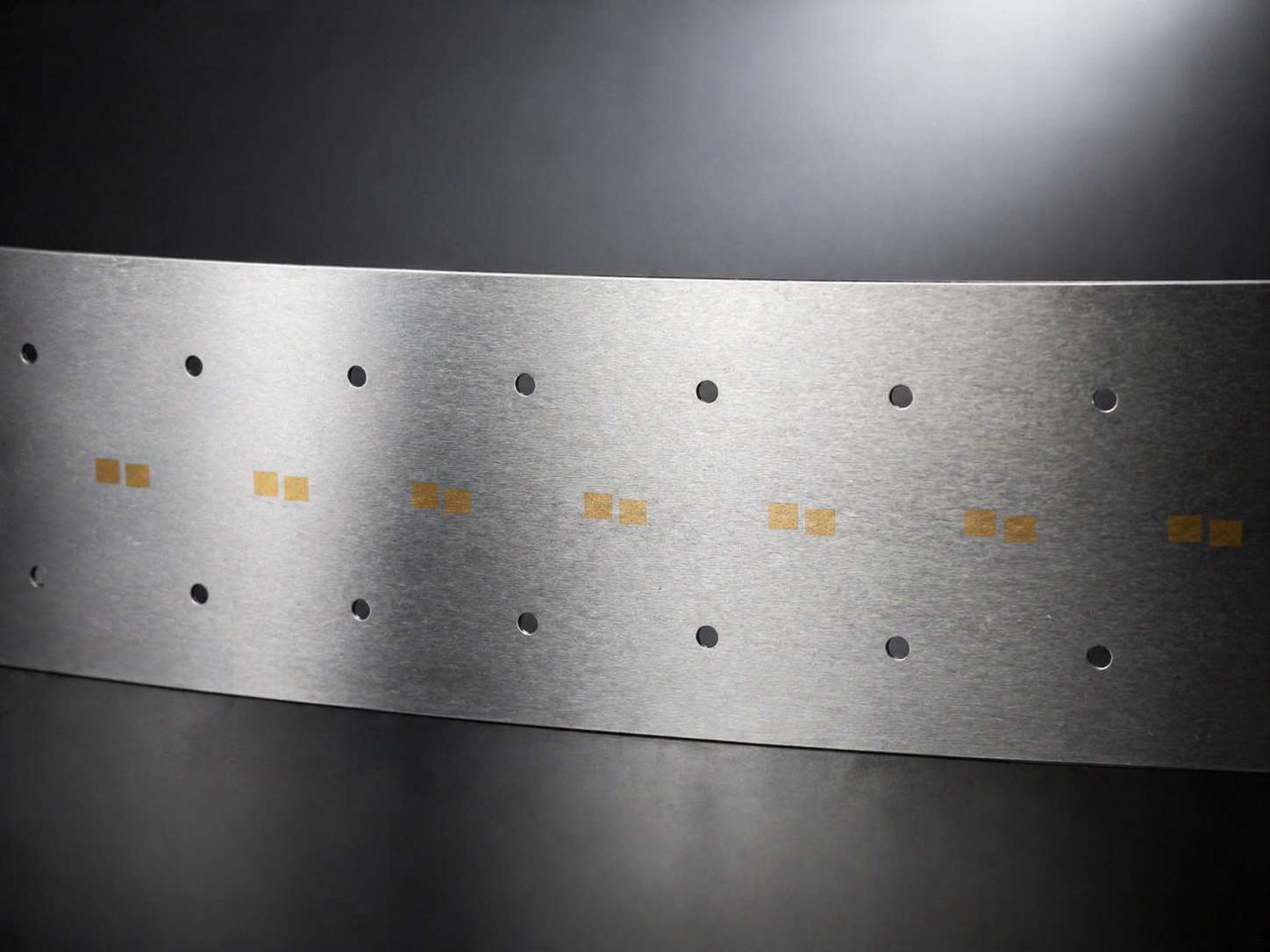
Precision in continuous electroplating is very important for car connectors. You must make sure every connector works well in high-frequency uses. This process has several key parts:
Process control is key to keeping quality high.
Coating thickness needs careful management.
Advanced methods help get consistent results.
Uniform Coating
Uniform coating greatly affects how well high-frequency connectors work. You get consistent plating thickness during production runs. Automated quality checks and inspections make sure each connector meets high standards. Real-time thickness checks use X-ray fluorescence. Automated optical inspection looks for surface problems. Statistical process control gives quick feedback, helping track defects and find their causes.
Industry rules for coating uniformity are strict. Reel-to-reel plating meets or goes beyond these rules by processing parts on a continuous strip. This method keeps the integrity of parts during manufacturing. Standards like RoHS, IATF 16949, ISO 9001, and ISO 13485 are followed to ensure quality and compliance.
Selective Reel to Reel Plating
Selective reel-to-reel plating reduces unnecessary material use. This method puts gold only on important contact areas. This cuts down on material use while keeping contact resistance low. You get corrosion protection, which is vital for high-frequency car uses. The controlled plating process reduces defects, keeping signal quality and reliability.
Continuous electrolyte refresh and ultrasonic agitation help get even coverage across different current densities. Checking bath chemistry, current density, and temperature ensures precision. Selective plating methods work well with complex shapes in car parts.
In practice, selective reel-to-reel plating supports sustainable manufacturing. You save money and help protect the environment. This method is known for its precision and efficiency, making it great for high-frequency car applications.
Cost Efficiency of Reel-to-Reel Plating
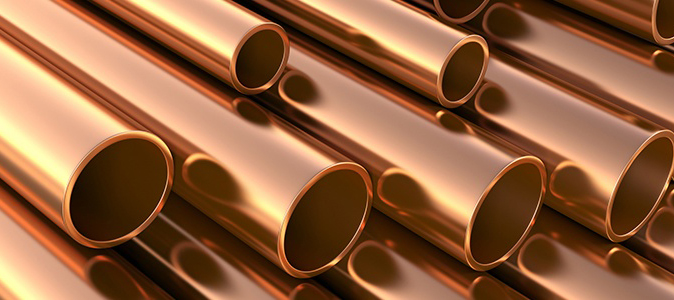
Reel-to-reel plating helps manufacturers save a lot of money on high-frequency connectors. This method cuts down on waste and makes production easier. It is a smart choice for car parts.
Reduced Material Waste
One big benefit of reel-to-reel plating is that it lowers material waste. Here are some ways it does this:
Targeted Plating Zones: This method lets you put precious metals only where needed. By plating just the contact areas, you use less material while keeping great electrical performance.
Closed-Loop Systems: These systems recycle materials, which helps reduce waste. This way, you save resources and lower pollution by disposing of things properly.
Sustainable Practices: By using zero-waste manufacturing, you can greatly lower your impact on the environment. This focus on sustainability matches modern manufacturing goals.
Streamlined Production
Reel-to-reel plating also makes production more efficient. Here’s how it simplifies the process:
Continuous Processing: Parts move straight from stamping to plating in one place. This setup shortens production times and cuts labor costs.
Improved Lead Times: The efficiency of reel-to-reel plating can lead to faster delivery for high-frequency connector orders. You can expect quicker service because of pre-plating continuous coil material.
Higher Yield Rates: With better process control, you get higher yield rates. This means fewer mistakes and less time spent checking inventory.
Overall, reel-to-reel plating not only saves money but also improves the quality of high-frequency connectors. By using this advanced technology, you can boost your manufacturing efficiency and meet the rising needs of the automotive industry.
Enhanced Performance of High-Frequency Connectors
High-frequency connectors are very important for cars. They need to work well in different situations. Reel-to-reel plating makes them better in two ways: signal strength and toughness.
Improved Signal Integrity
Signal strength is key for high-frequency connectors. You want signals to go through without getting messed up. Here’s how reel-to-reel plating helps:
Consistent Coating: The even coating from reel-to-reel plating cuts down signal loss. This evenness helps with better conductivity, which is needed for high-frequency uses.
Selective Plating: By putting precious metals only where needed, you lower contact resistance. This way, the most important parts work their best.
Material Quality: Using top materials like copper and gold boosts conductivity. These materials help keep electrical connections steady, which is important for signal strength.
“Reel-to-reel plating’s precision makes sure every connector meets top standards for signal strength,” says an expert. This precision means reliable performance, especially in tough car settings.
Mechanical Strength
Toughness is also very important for high-frequency connectors. You want connectors that can handle stress and stay strong over time. Here’s how reel-to-reel plating helps with this:
Alloy Selection: Making connectors with alloys that resist bending and rust boosts their toughness. This toughness is key for keeping electrical connections steady under stress and heat.
Material Choices: Picking good copper materials ensures strong conductivity and pulling strength. This choice helps keep contact pressure steady, which is crucial for reliable connections.
Durable Designs: Using materials like brass, stainless steel, and aluminum balances strength and electrical performance. This mix makes sure connectors handle stress and heat changes.
“Connectors made with top materials not only work better but also last longer,” says a technical reviewer. This lasting strength is vital for high-frequency car uses, where reliability is a must.
Design Collaboration for Custom Plating
Working together with manufacturers and clients is very important for making custom plating for high-frequency connectors. When you talk to manufacturing teams early, you can greatly improve the quality and performance of your connectors. This early teamwork helps teams check how easy it is to make the product while also looking at RF component needs.
“When manufacturing teams join in early, everything changes a lot. Instead of checking if the design works after it’s done, teams can look at how to make it while also considering RF component needs.”
This teamwork lowers the chances of needing to redesign things. It helps you move faster from ideas to production. By keeping both precision machining and RF assembly in-house, manufacturers can quickly go from discussions to actual production.
Tailored Specifications
You can ask for different custom specifications for your reel-to-reel plated automotive connectors. Here are some common requests:
Used in making many stamped contacts, terminals, connectors, leadframes, and electronic parts.
Applies even metal finishes to continuous strip material.
Supports strict thickness limits and electrical performance needs.
Boosts efficiency by cutting down on handling while keeping precision across millions of parts.
These specifications make sure your connectors can handle high-frequency uses while staying reliable.
Compliance with Industry Standards
Following industry standards is key to making sure your connectors are safe and high-quality. You should focus on reliable, RoHS-compliant solutions. Finishes must be lead-free and resist tin whiskers. Performance should meet or be better than standard finishes.
By sticking to these standards, you not only make your products more reliable but also gain trust from your clients. This promise of quality matches what certification bodies expect, ensuring your connectors work well in tough situations.
Reel-to-reel plating has many benefits for high-frequency connectors used in cars. This method makes things work better, costs less, and is more reliable. Here are some important benefits:
Benefit Description | Evidence |
|---|---|
Reduced material usage | There was a 35% cut in gold use while keeping performance high. |
Enhanced reliability | Solder joints are more reliable across millions of connectors. |
Improved process flexibility | It can work with many base materials and shapes, making it very useful. |
As technology gets better, new products like Techniphos 615 and Goldeneye Nickel will help improve performance even more. These changes make reel-to-reel plating a smart choice for your car needs. Think about using this method for your next project to get the best efficiency and quality.
FAQ
What is reel-to-reel plating?
Reel-to-reel plating is a way to coat metal on strips. It is a continuous process. This method makes things more efficient and consistent. It is great for high-frequency connectors.
How does electroplating improve connector performance?
Electroplating gives a smooth coating. This helps with better conductivity. It also cuts down signal loss. Gold plated connectors work well in tough car uses.
What are the benefits of controlled depth plating?
Controlled depth plating puts metal only where needed. This makes it precise. It helps stop rust and cuts down on wasted materials. It saves money.
How does reel-to-reel stamping work?
Reel-to-reel stamping feeds metal strips through steps. These steps include electroplating. This makes production faster. It also improves the quality of high-frequency connectors.
Why choose bonysn for plating solutions?
Bonysn has advanced electroplating skills. They offer many layers and smooth surfaces. Customers like their reliable products. Their products meet industry rules.
See Also
Selecting The Ideal Plating Service For Your Connectors
Optimizing Reel To Reel Plating For Cost Savings
Mold-Free Plating Solutions For German Connector Manufacturers
Mold-Free Plating Services For Indian Electronics Manufacturers