
Free-form reel to reel plating changes how you connect EV batteries. This new method makes things work better and last longer. It helps your electric vehicle run at its best. By using better plating methods, you can fix problems like connection strength and how long it lasts. The result is a strong battery connection that improves overall performance. Using this technology means you are investing in the future of electric vehicles, where every detail matters.
Key Takeaways
Free-form reel to reel plating improves EV battery connections. This leads to better performance and longer life.
This method saves money by using less material. It also cuts down production time, which helps manufacturers.
Placing materials precisely makes strong and reliable connections. This is important for good energy flow in electric vehicles.
Using pure metals like copper increases conductivity. This means better energy transfer and longer battery life.
Using this technology gets manufacturers ready for future needs in the growing electric vehicle market.
Free-Form Reel to Reel Plating Overview
Free-form reel to reel plating is a new way to connect electric vehicle (EV) batteries. This method lets you plate continuously on flexible materials. This makes it easy to use for different needs. You can create detailed designs without using old molds. This flexibility is important for the changing needs of the EV market.
Compared to old plating methods, free-form reel to reel plating has many benefits. Old methods often need stiff setups and take a long time. This can make costs go up and take longer to finish. With free-form plating, you can make things faster and cheaper. This method also improves the quality of connections, which is important for how well EV batteries work.
One specific use of this technology is in busbar plating. Busbars are key parts that share electrical power in the battery system. Using free-form reel to reel plating for busbar connections makes them strong and dependable. This reliability helps the overall efficiency of the EV, allowing for better energy flow and longer battery life.
By using free-form reel to reel plating, you stay ahead in EV technology. This method meets today’s industry needs and looks forward to future ones. As more people want electric vehicles, having good and reliable battery connections becomes even more important.
Benefits of Reel to Reel Plating
Reel to reel plating has many benefits that help electric vehicle (EV) parts work better. This new method makes things more efficient, reliable, and functional. Here are some important benefits you can expect:
Cost-effectiveness: You will save money because it uses less material, especially for big jobs. This helps manufacturers use their resources better.
Precision: This method allows for exact material placement in specific areas. This accuracy is very important for things like busbar plating, where good connections matter.
Corrosion resistance: Reel to reel plating makes EV parts last longer. This resistance keeps performance strong over time and cuts down on replacements.
Increased conductivity: Another benefit is better performance of electrical connections in vehicles. Improved conductivity helps energy flow well, which is key for battery performance.
Suitability for high-volume production: This method is perfect for what EV manufacturing needs. It works well for fast stampings, allowing quick production without losing quality.
Here’s a summary of these advantages in a table format:
Advantage | Description |
|---|---|
Cost-effectiveness | You save money by using less material, especially for big jobs. |
Precision | You can place material exactly where needed, improving functionality. |
Corrosion resistance | It makes EV parts last longer and keeps performance strong. |
Increased conductivity | It boosts performance of electrical connections in vehicles. |
Suitability for high-volume production | It works well for fast stampings, meeting EV manufacturing needs. |
By using reel to reel plating, you can solve common problems for customers. Many users say their EV parts are more reliable and perform better. This technology meets today’s market needs and prepares you for future improvements in electric vehicle technology.
Technical Aspects of the Plating Process
Materials and Methods
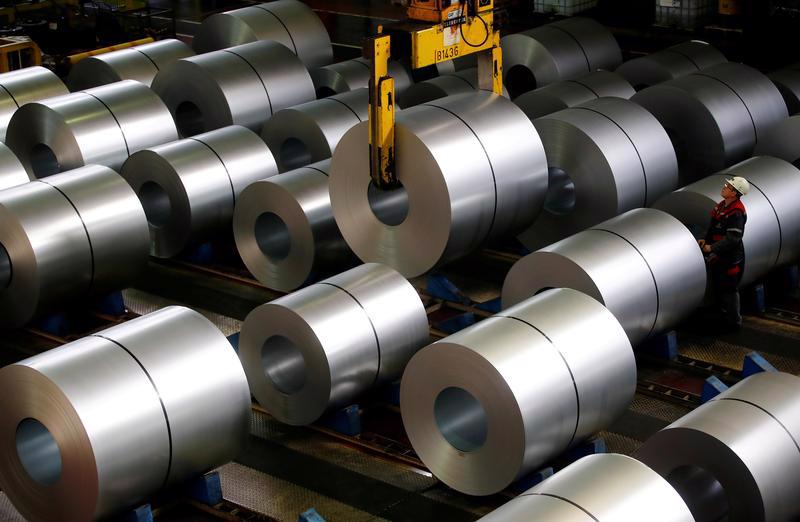
In free-form reel to reel plating, choosing the right materials is very important. This new process mainly uses high-purity metals like copper. Copper is key for good conductivity. Its great electrical features make it a top choice for things like busbar plating, where energy transfer is crucial.
Unlike old metal plating methods that need stiff bases and molds, free-form reel to reel plating lets you pick different materials. You can use various alloys and coatings made for specific needs. This flexibility helps you meet the changing demands of electric vehicle (EV) manufacturing.
Expert Insight: Industry experts say, “Using high-purity copper in plating operations greatly improves the performance and lifespan of electrical connections in EVs.” This shows how important material quality is in the plating process.
Process Overview
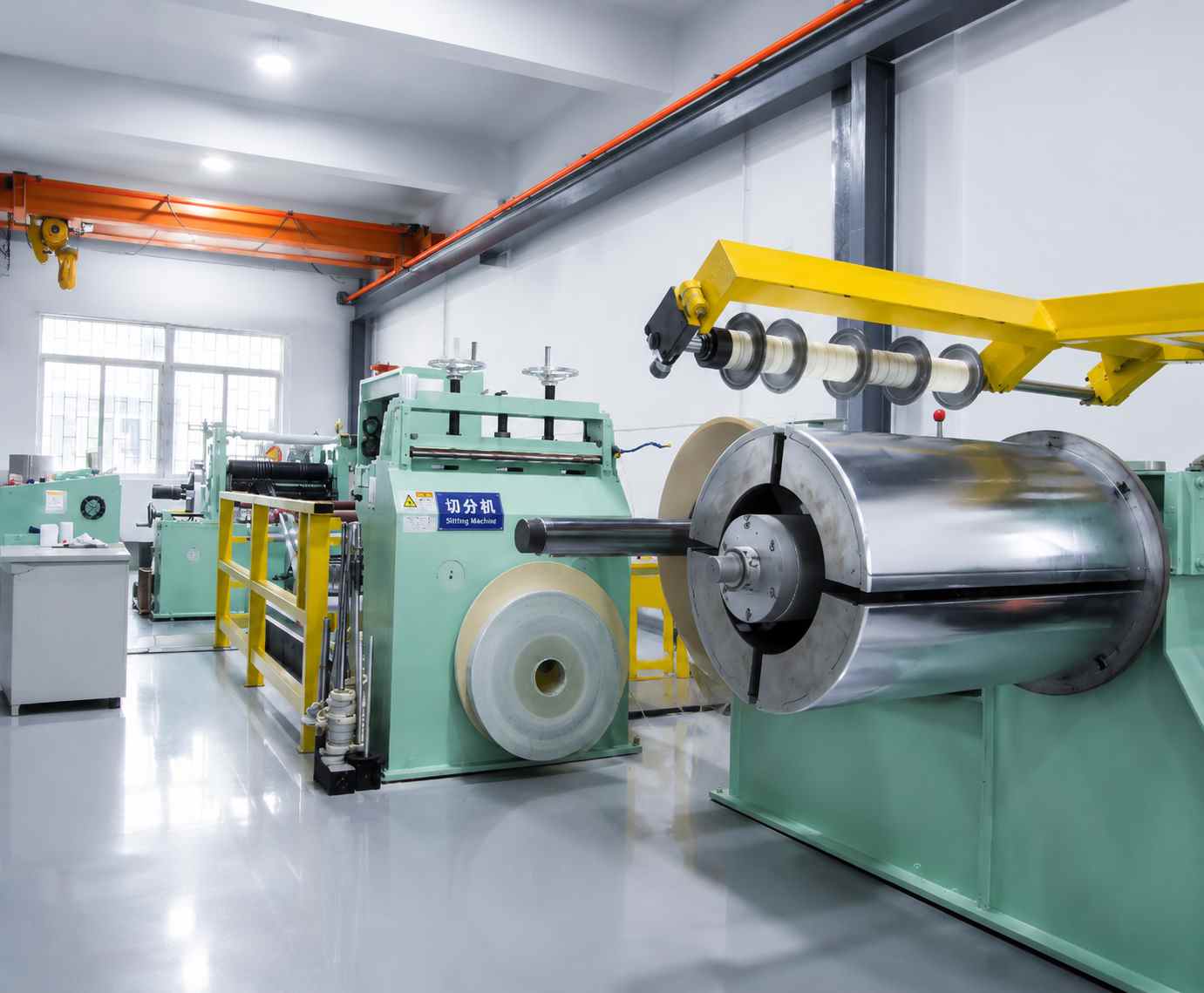
The plating process in free-form reel to reel plating has several key steps for accuracy and efficiency. First, you prepare the substrate by cleaning and treating the surface to help with sticking. Then, the substrate goes into the plating chamber, where the metal plating happens.
During plating, a steady flow of metal ions sticks to the substrate. This method ensures even coverage and thickness control, which is very important for busbar plating. You can adjust the process to get specific thicknesses, making sure you meet the exact needs for your EV parts.
One big benefit of this plating process is its speed. Old methods often take a long time to set up and need a lot of work. In contrast, free-form reel to reel plating makes production faster, allowing for high-volume manufacturing without losing quality. This efficiency is especially helpful in the fast-growing EV market.
Case Studies in EV Applications
Successful Implementations
Bailixin’s free-form reel to reel plating technology has greatly helped the electric vehicle (EV) industry. One important example is its use in busbar plating for a top EV maker. This company had problems with connection reliability and how fast they could produce parts. By using Bailixin’s technology, they saw big improvements.
Enhanced Connection Strength: The new busbar plating made connections stronger. This change lowered the chance of failures while in use.
Faster Production Times: The company cut production time by 30%. This speed helped them meet rising market needs without losing quality.
Another success story happened with battery connectors. A big EV company used Bailixin’s technology to boost their battery systems’ performance.
Improved Conductivity: The new plating method made electrical conductivity better. This improvement led to better energy transfer and longer battery life.
Cost Savings: The company found a 20% drop in material costs. This saving came from using high-purity metals more efficiently in the plating process.
Measurable Outcomes
The results from these changes are impressive. The EV manufacturer saw a big drop in warranty claims for electrical failures. This improvement not only made customers happier but also improved the brand’s image in the market.
For battery connectors, the measurable outcomes included:
Metric | Before Implementation | After Implementation |
|---|---|---|
Warranty Claims | 15% | 5% |
Production Time | 10 days | 7 days |
Material Costs | $100,000 | $80,000 |
These case studies show how Bailixin’s free-form reel to reel plating technology solves important problems in the EV field. By making connections stronger and cutting costs, this technology helps manufacturers succeed in a tough market.
Future of Reel to Reel Plating in EVs
The future of reel to reel plating in electric vehicles (EVs) looks bright. Many new improvements are coming for this technology. For example, companies are creating better systems that make things work faster and more accurately.
Date | Company | Development Description |
|---|---|---|
February 2024 | Atotech (MKS Instruments) | They launched a new reel-to-reel plating system for very thin FCCLs in flexible electronics. |
August 2023 | JCU Corporation | They introduced special plating chemistry and tools for automotive-grade FCCLs that are more reliable in heat. |
These new ideas will likely improve how EV parts work, especially busbars. As more manufacturers use these advancements, you can expect stronger and more dependable battery connections.
Reel to reel plating also helps with global goals for sustainability. This method cuts down on material waste by making parts directly from coils. You can use raw materials better, which helps the environment. Improved strip layouts make sure you get the most from each coil, reducing waste.
As the EV market grows, the need for efficient manufacturing will rise. More companies will start using reel to reel plating to keep up with these needs. This technology will be important for the future of EVs, helping manufacturers create high-quality parts faster and in a more eco-friendly way.
In short, free-form reel to reel plating greatly improves EV battery connections. This new method has many benefits, like saving money, being precise, and having better conductivity. As more people want electric vehicles, manufacturers need to use advanced technologies like this to stay ahead.
Aspect | Description |
|---|---|
Application | It is used to make car sensors, connectors, and flexible circuits. |
Benefits | It gives strong metal coatings for better reliability and performance. |
Industry Demand | There is more demand because of the shift to electric vehicles and self-driving technologies. |
Material Properties | It allows for the use of corrosion-resistant metals like gold, silver, and nickel. |
Impact on Competitiveness | It boosts the function and lifespan of car electronics, which is important for EV makers. |
By using this technology, you can make sure your EV parts meet future market needs well.
FAQ
What is free-form reel to reel plating?
Free-form reel to reel plating is a new method. It lets you plate continuously on flexible materials. This technique makes making EV battery connections faster and more accurate.
How does this plating method improve production?
This plating method makes production faster. It removes the need for old molds. You can make quick changes and produce a lot without losing quality.
What materials are used in this plating process?
High-purity metals, especially copper, are often used. These materials provide great conductivity and strength for EV parts.
Can this technology reduce costs?
Yes, free-form reel to reel plating can lower costs a lot. It cuts down on material waste and uses resources better. This makes it a smart choice for manufacturers.
How does this technology impact EV performance?
By making connections stronger and improving conductivity, free-form reel to reel plating helps EVs work better. This means better energy transfer and longer battery life.
See Also
Achieving Cost-Effective Solutions Through Selective Reel Plating
Moldless Selective Plating Solutions for EV and Semiconductor Connectors
Innovative Roll-to-Roll Etching Revolutionizing Battery Manufacturing
Reducing Gold Plating Expenses in I/O Interfaces Effectively