
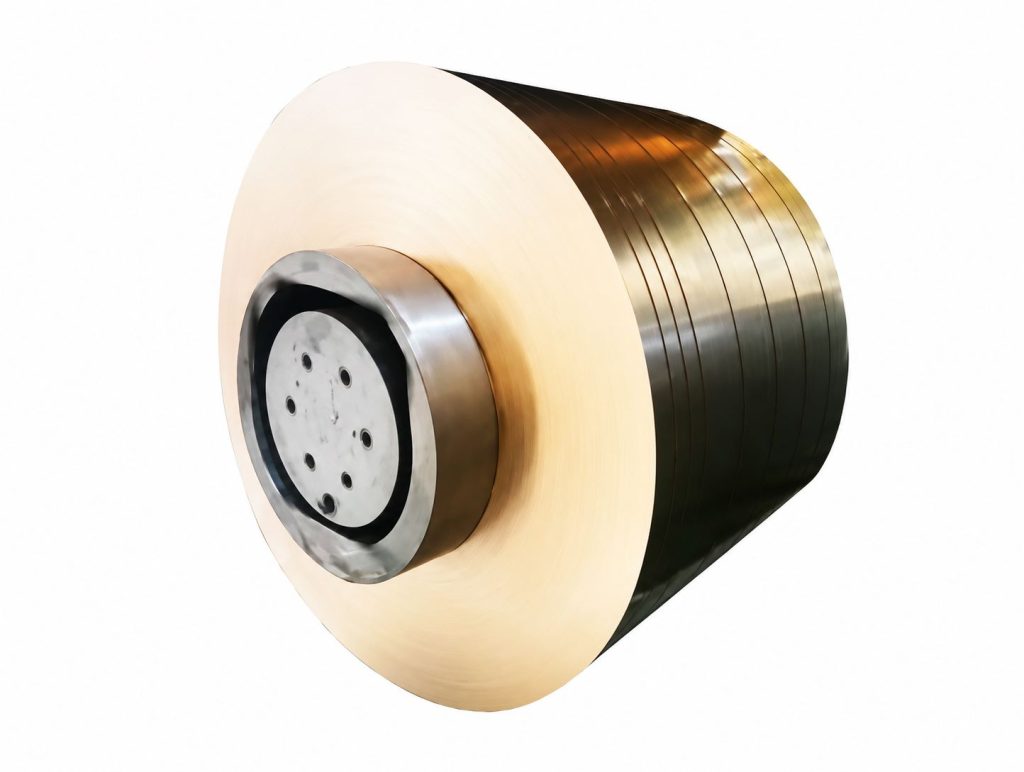
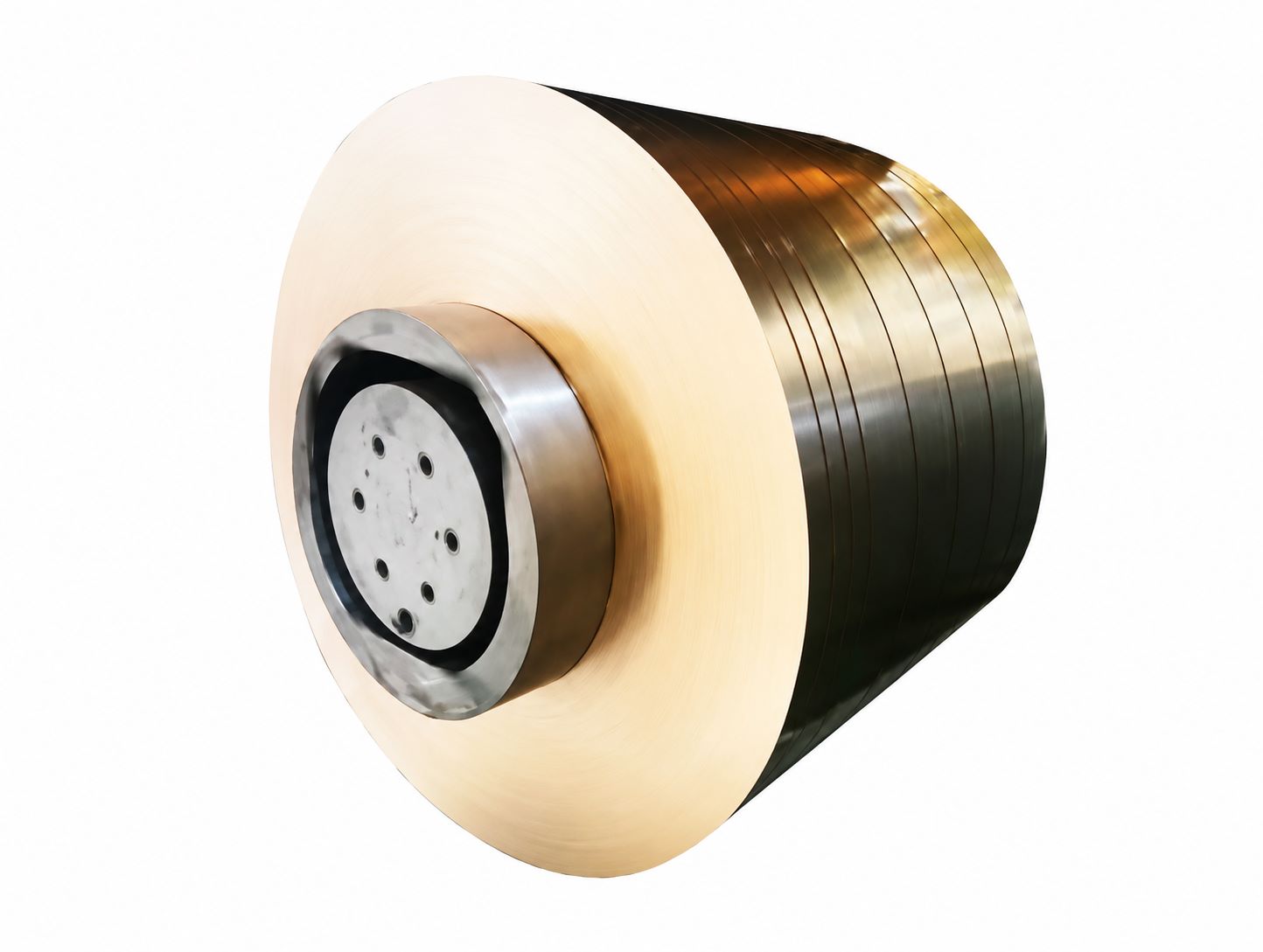
Selective plating represents a transformative approach in modern manufacturing. This technique allows you to apply metal coatings precisely where needed, eliminating the need for traditional molds. Tooling-free applications significantly enhance efficiency and reduce costs by allowing on-site application, minimizing downtime and logistical expenses. Have you ever wondered how selective plating can streamline your production process? Or how it compares to conventional methods in terms of speed and cost-effectiveness? This blog will explore these questions and more.
Key Takeaways
Selective plating applies metal coatings only where needed, improving efficiency and reducing waste.
This method significantly cuts costs by minimizing material use and operational expenses.
Selective plating enhances product durability and performance, making it ideal for industries like electronics and automotive.
Techniques like brush plating allow for quick repairs without replacing entire components, saving time and money.
Bailixin’s technology streamlines production, leading to faster cycles and lower costs while supporting sustainability.
Selective Plating Overview
How Selective Plating Works
Selective plating is a targeted process that applies metal coatings to specific areas of a part rather than covering the entire surface. This method allows you to address the challenges of uniform coating across different geometries. The process is significantly faster than traditional tank plating, with rates up to 60 times quicker. This efficiency not only accelerates repairs but also reduces the need for additional machining, making it a cost-effective solution for extending the life of components.
The selective plating process involves several key steps:
Step | Description |
|---|---|
Preparation | The surface is prepared for plating, ensuring it is clean and free of contaminants. |
Application | The plating solution is applied using techniques such as brush plating or encapsulating flow plating. |
Completion | The plating process is finalized, which may include rinsing and activation steps depending on the method used. |
Benefits of Selective Plating
Selective plating offers numerous advantages for manufacturers. Here are some of the primary benefits:
Improves Corrosion Resistance: By adding a thin metal layer, selective plating prevents corrosion and extends the lifespan of devices.
Cost-Effective: This method minimizes waste and energy usage by only coating targeted areas, leading to significant financial savings.
Versatility: Selective plating can deposit various metals onto different substrates, making it adaptable for diverse manufacturing needs.
Environmentally Friendly: The technique generates less waste and avoids hazardous substances, making it safer for the environment.
Reduced Risk of Contamination: By only plating desired areas, you lower the chance of contamination, enhancing device functionality.
Customizable Design: Selective plating allows for specific designs and patterns on the surface, improving the device’s appearance.
Improved Adhesion: This process enhances the adherence of plated metal to the substrate, increasing reliability and durability.
Faster Turnaround Time: Selective plating speeds up the manufacturing process by only electroplating desired areas, reducing lead times.
Improved Biocompatibility: It allows for precise control over plating thickness and placement, enhancing patient outcomes in medical applications.
Types of Selective Plating Techniques
Electroless Plating
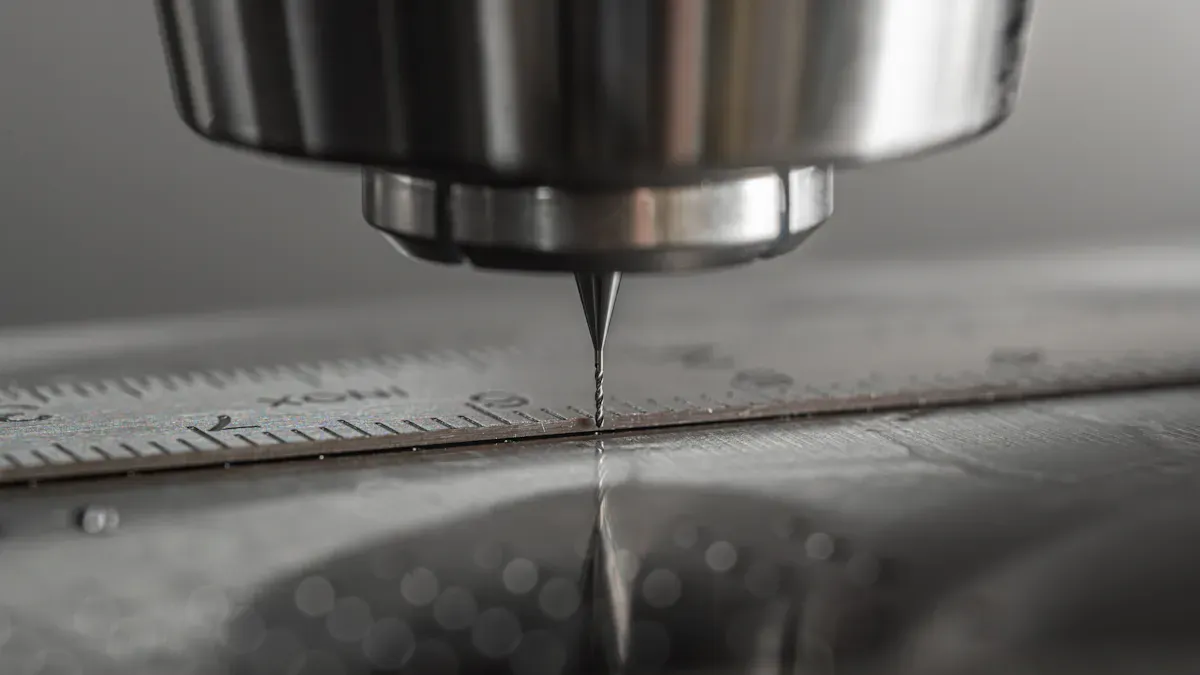
Electroless plating is a unique method that uses a chemical reaction to deposit metal onto a surface without the need for an external electrical current. This process relies on a reducing agent to facilitate the plating. You can apply electroless methods to various shapes and sizes, making it suitable for complex components.
Here are some key features of electroless plating:
Autocatalytic Process: The deposited metal catalyzes further deposition, ensuring a uniform coating.
Versatile Applications: You can use this method for different metals, including nickel and copper.
Improved Properties: Electroless plating enhances the physical and chemical properties of components, making them more durable.
However, this method generally takes longer than other plating techniques. It may not achieve the thickness levels of traditional electroplating.
Brush Plating
Brush plating, also known as selective electroplating, allows for targeted application of metal coatings on specific areas of a part. This technique is particularly useful for repairing localized defects or restoring dimensions without extensive disassembly.
Here’s how brush plating works:
Localized Application: You use a brush to apply an electrolyte solution containing metal ions to the desired area.
Direct Current: When you apply a direct current, the metal ions bond to the surface, creating a dense and adherent layer.
Brush plating offers several advantages:
Cost-Effective for Repairs: You can quickly address specific issues without replacing entire components.
Versatile Substrates: This method works well on various materials, making it adaptable for different applications.
However, brush plating requires a skilled operator to ensure uniform application. It is slower for larger areas compared to other methods.
Feature | Electroless Plating | Brush Plating |
|---|---|---|
Method | Uses a reducing agent for plating without external current | Involves localized plating using a brush and low voltage |
Application | Suitable for various shapes and sizes, effective for coating | Primarily for specific spot plating and repairs |
Speed | Generally slower than electroplating | Faster for localized applications |
Thickness | Cannot achieve the thickness of electroplating | Allows for targeted thickness in specific areas |
Both electroless plating and brush plating provide unique solutions for selective plating needs in manufacturing.
Advantages of Selective Plating
Cost Reduction
Selective plating offers significant cost savings for manufacturers. By applying metal coatings only to necessary areas, you minimize waste and energy consumption. This targeted approach leads to substantial financial benefits compared to traditional plating methods. For instance, in medical device production, selective electroplating proves to be more economical. You avoid the high expenses associated with full-panel coverage, which often includes precious metals.
Here are some key factors contributing to cost reduction in selective plating processes:
Material Efficiency: You apply plating only to specific areas, reducing overall material consumption.
Reduced Thickness: Lowering plating thickness can lead to significant savings, as older specifications often require more thickness than necessary.
Lower Operational Costs: Selective plating minimizes chemical use and water consumption, leading to decreased operational costs.
By focusing on specific regions rather than coating the entire surface, you achieve significant cost reductions. This method not only saves resources but also decreases labor costs by eliminating the need for extensive post-processing.
Enhanced Efficiency
Selective plating enhances production efficiency, especially in high-volume manufacturing. This technique streamlines processes and reduces cycle times. Here are some ways selective plating improves efficiency:
Targeted Metal Use: You limit the use of precious metals to functional areas, which reduces costs associated with full-panel plating.
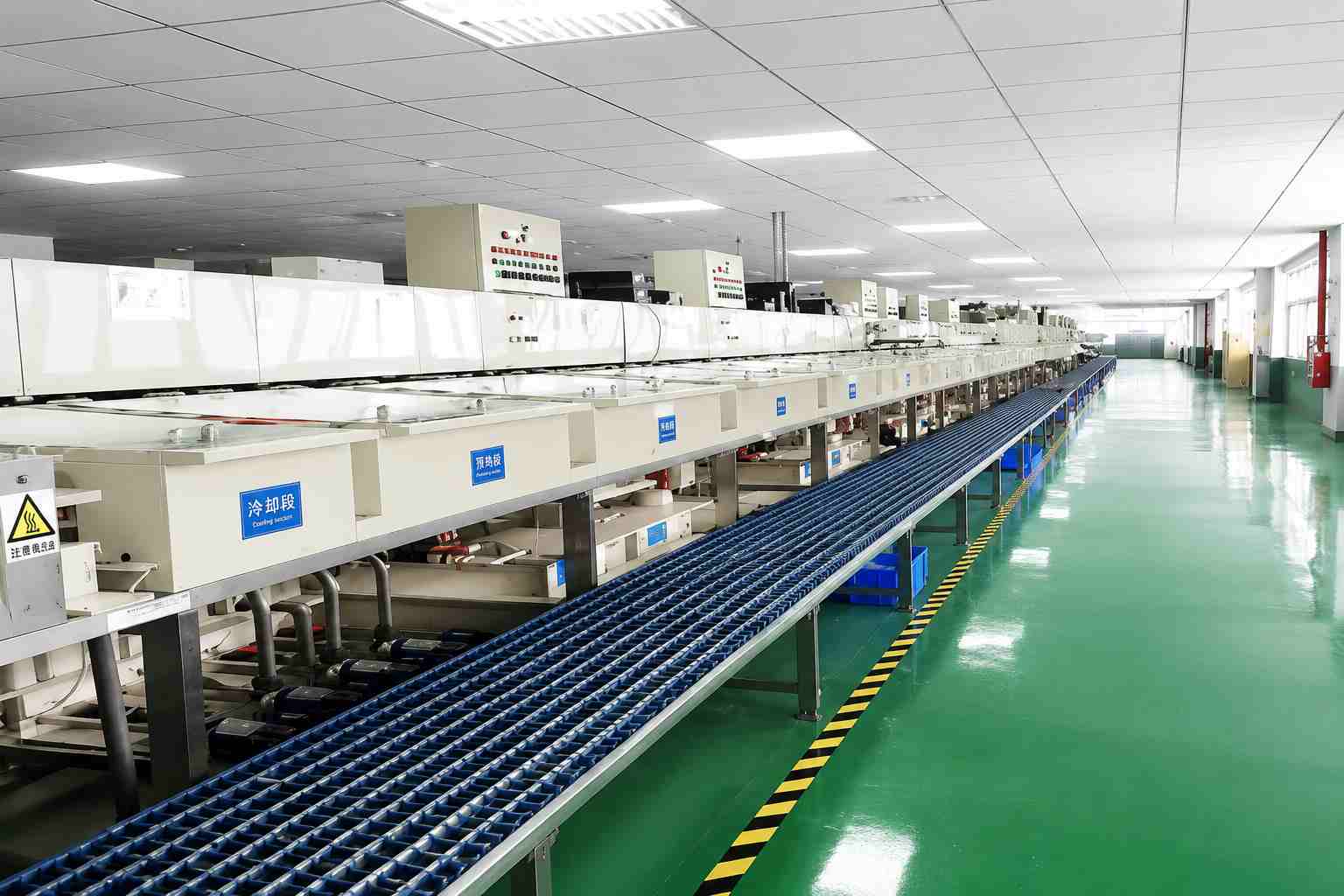
Shorter Cycle Times: The process leads to quicker production cycles and streamlined wastewater treatment due to reduced chemical consumption.
Improved Part Functionality: Selective plating enhances wear or corrosion resistance in targeted areas, improving the overall functionality of parts.
Time Savings: The process eliminates the need for disassembly and masking, saving time and reducing labor costs.
Environmental Benefits: Using fewer chemicals makes selective plating more environmentally friendly and cost-effective.
This method aligns with factory workflows that prioritize efficiency and compliance with industry standards. By minimizing material waste and focusing on necessary applications, you can significantly enhance overall production efficiency.
Applications in Various Industries
Electronics and AI Chips
Selective plating plays a crucial role in the electronics industry, particularly in the manufacturing of AI chips and other electronic components. This technique enhances the performance and reliability of these components, especially in extreme environments. By applying coatings only to critical areas, you ensure that these components receive the necessary protection and conductivity. This targeted approach significantly improves their functionality.
Here are some common applications of selective plating in the electronics sector:
Sector | Application Description |
|---|---|
Consumer Electronics | High-density interconnects are essential for smartphones and wearables. |
Automotive | Robust PCB manufacturing is vital for electric vehicles (EVs) and advanced driver-assistance systems (ADAS). |
Industrial Automation | Supports datacenter infrastructure for AI and cloud computing. |
Telecom | Involves networks rolling out 5G/6G technology. |
Healthcare Devices | Contributes to the development of advanced medical technologies. |
Energy Management Systems | Enhances efficiency and performance in energy systems. |
Selective plating allows for tailored coatings that enhance conductivity and corrosion resistance. For example, gold-on-contact finishes provide high-cycle durability, while tin or nickel barrier layers improve solderability.
Automotive and Aerospace
In the automotive and aerospace industries, selective plating is essential for producing high-stress and high-precision components. This method ensures that parts meet stringent specifications while enhancing durability and performance. You can apply selective plating to complex geometries, making it easier to handle intricate designs.
The benefits of selective plating in these sectors include:
Benefit | Description |
|---|---|
Quality | Ensures high-quality finishes that meet stringent aerospace specifications. |
Durability | Enhances the durability of parts, making them suitable for demanding environments. |
Cost Savings | Leads to significant cost savings in manufacturing processes. |
Portability | Allows for easier handling and application in complex geometries. |
Time Saving | Reduces the time required for plating, thus improving overall production efficiency. |
By focusing on specific areas, you maintain the original dimensions of components while enhancing their surface properties. This precision metal deposition allows for targeted application in hard-to-reach areas, improving repair effectiveness.
Case Studies of Bailixin’s Technology
Free-Form Continuous Local Electroplating
Bailixin’s Free-Form Continuous Local Electroplating technology has revolutionized manufacturing processes across various industries. This innovative method allows you to apply metal coatings precisely where needed, eliminating the need for traditional molds. For instance, a leading electronics manufacturer reported a 30% reduction in production costs after implementing this technology. They achieved this by minimizing waste and enhancing efficiency through localized plating.
Another case involved an automotive company that faced challenges with corrosion in critical components. By utilizing Bailixin’s selective plating, they improved the durability of their parts, resulting in a 25% increase in product lifespan. This success story highlights how targeted applications can lead to significant improvements in performance and reliability.
Industry Impact
The impact of Bailixin’s technology extends beyond individual companies. The overall industry benefits from enhanced manufacturing capabilities. According to a recent study by Bonysn, companies that adopted selective plating technologies saw an average of 40% faster production cycles. This acceleration allows businesses to respond quickly to market demands, giving them a competitive edge.
Industry Sector | Average Cost Reduction | Average Production Speed Increase |
|---|---|---|
Electronics | 30% | 40% |
Automotive | 25% | 35% |
Aerospace | 20% | 30% |
Bailixin’s technology not only streamlines production but also supports sustainability efforts. By reducing material waste and energy consumption, manufacturers can align with environmental goals while maintaining profitability. The combination of efficiency and eco-friendliness positions Bailixin as a leader in the selective plating market.
Selective plating offers a modern solution for manufacturing needs. This technique eliminates traditional methods, reduces environmental impact, and enhances production efficiency. Here are some key takeaways:
Key Takeaway | Description |
|---|---|
Elimination of Traditional Methods | Selective plating removes the need for chemical etching and pretreatment. |
Environmentally Friendly | The process uses a waterborne latex basecoat with virtually no VOCs. |
High Shielding Effectiveness | Electroless copper layers provide excellent conductivity and EMI shielding. |
Efficiency in Production | Continuous cycling reduces costs and improves operational efficiency. |
Quick Drying Process | Parts dry in 5-15 minutes, enhancing throughput. |
Consider selective plating for your manufacturing applications. It can lead to significant cost savings and improved product quality. Explore this innovative solution to enhance your production processes and meet your specific needs.
FAQ
What is selective plating?
Selective plating is a process that applies metal coatings only to specific areas of a component. This method enhances efficiency and reduces waste compared to traditional plating techniques.
How does selective plating save costs?
Selective plating minimizes material usage by coating only necessary areas. This targeted approach leads to lower operational costs and reduces the need for extensive post-processing.
What industries benefit from selective plating?
Industries such as electronics, automotive, and aerospace benefit significantly from selective plating. This technique improves component durability and performance in demanding applications.
Can selective plating be used for repairs?
Yes, selective plating is ideal for repairs. Techniques like brush plating allow you to address localized defects without replacing entire components, saving time and money.
How does Bailixin’s technology enhance selective plating?
Bailixin’s Free-Form Continuous Local Electroplating technology eliminates the need for molds, significantly reducing production costs and enhancing efficiency. This innovation supports rapid and large-scale manufacturing.
See Also
Die-Free Selective Plating Enhances Prototyping Efficiency
Selecting The Best Selective Plating Service For Connectors
Mold-Free Selective Plating For Indian Electronics And OEMs
Affordable Selective Plating Solutions For I/O Interfaces
Mold-Free Selective Plating For U.S. AI And Medical Connectors