
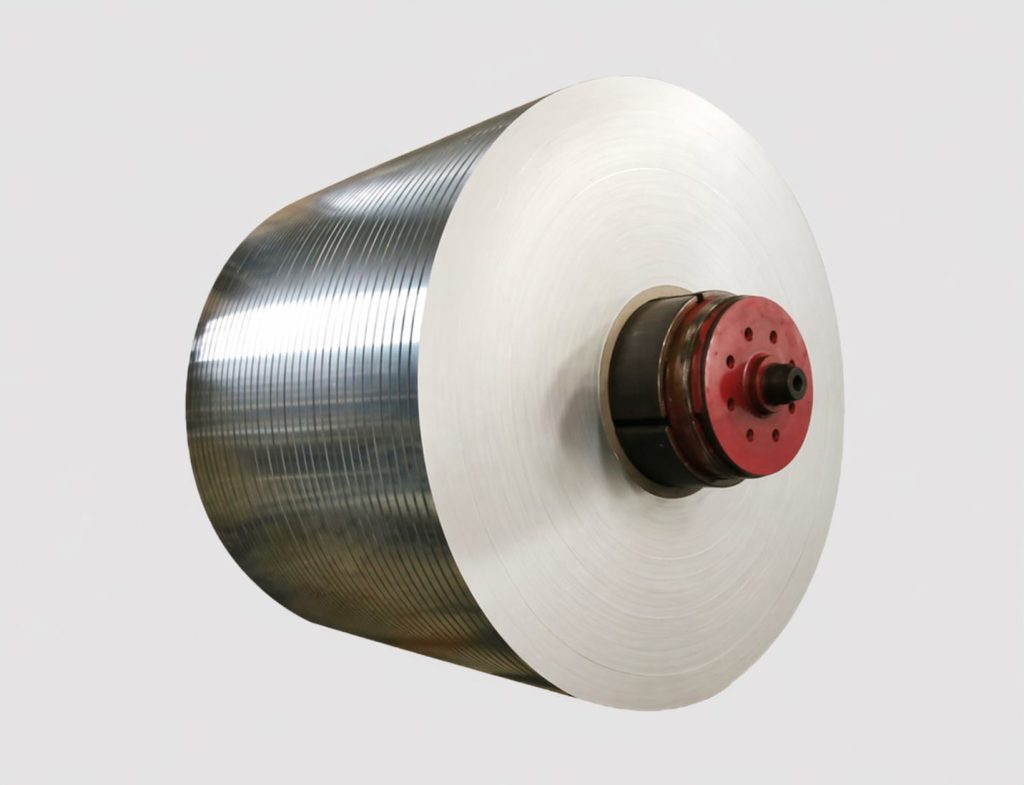
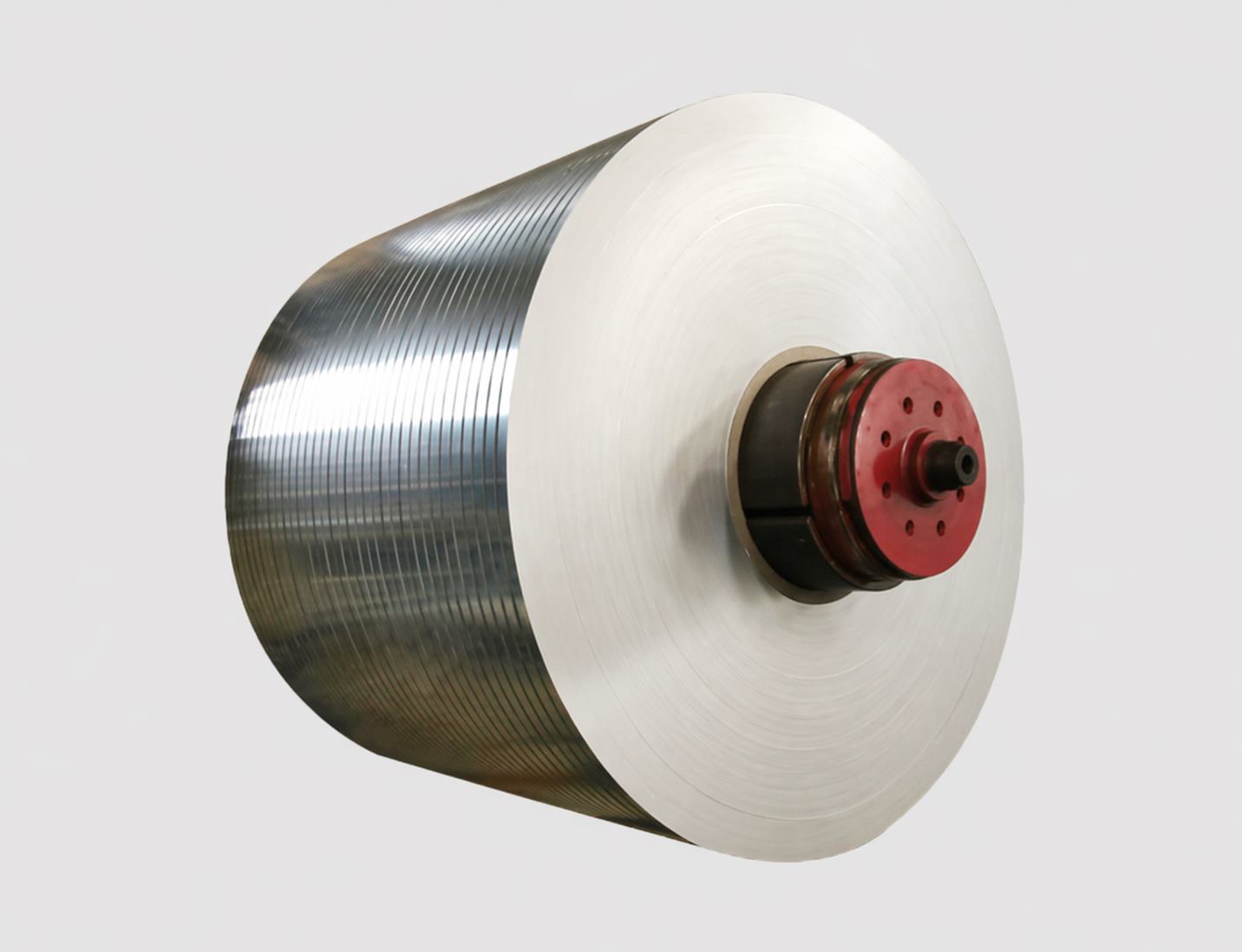
Continuous electroplating revolutionizes custom pre-plated metal strip manufacturing. This innovative process enhances efficiency and quality, making it a game-changer in the industry. You can achieve faster production times and lower costs while maintaining high standards. As manufacturers adopt this technology, they can meet the growing demand for precision and customization. The flexibility of continuous electroplating allows you to tailor products to specific requirements, ensuring your operations remain competitive in an evolving market.
Key Takeaways
Continuous electroplating enhances efficiency and quality in metal strip manufacturing, allowing for faster production and lower costs.
This method ensures uniform metal coatings, improving durability and corrosion resistance, which is crucial for industries like electronics and automotive.
Investing in continuous electroplating technology can lead to significant cost savings by reducing material waste and energy consumption.
Customization is key; advanced technologies enable tailored solutions to meet specific customer needs, keeping manufacturers competitive.
Training skilled personnel is essential for successful operation, ensuring quality control and effective management of electroplating processes.
What is Continuous Electroplating?
Process Overview
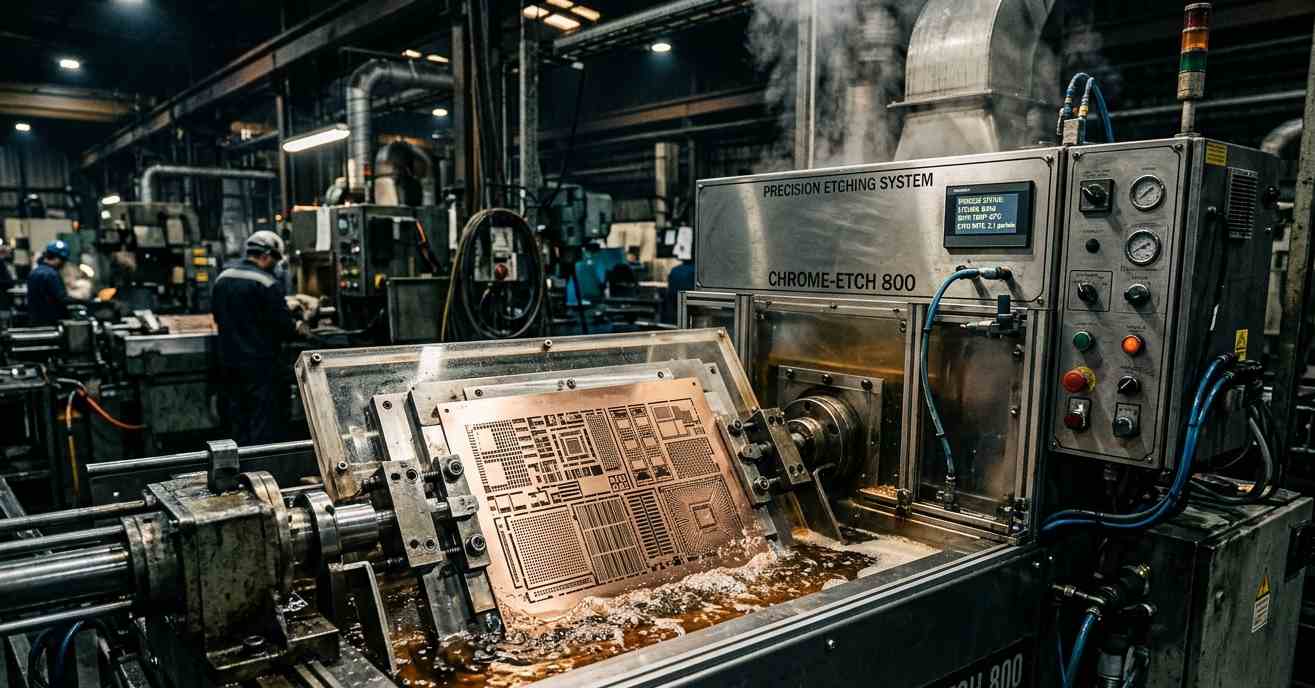
Continuous electroplating is a modern technique used to apply metal coatings to strips of metal. This process involves immersing the metal strip in an electrolyte solution containing metal ions. An electric current passes through the solution, causing the metal ions to deposit evenly onto the surface of the strip. This method allows for a continuous flow of material, making it efficient for large-scale production.
One common system used in continuous electroplating is the reel-to-reel plating system. In this setup, the metal strip unwinds from a reel, passes through the electroplating bath, and then winds back onto another reel. This seamless operation minimizes downtime and maximizes productivity.
Importance in Manufacturing
The significance of continuous electroplating in metal strip production cannot be overstated. This method ensures a consistent and uniform application of metal coatings. Such uniformity is crucial for enhancing the quality and durability of metal strips. Unlike traditional plating techniques, which may lead to inconsistencies and weaknesses in the final product, continuous electroplating provides a reliable solution.
By adopting continuous electroplating, you can improve the performance of your metal strips. This method not only enhances the aesthetic appeal but also increases resistance to corrosion and wear. As a result, you can meet the high standards demanded by various industries, including electronics, automotive, and aerospace.
Benefits of Continuous Electroplating
Efficiency and Cost-Effectiveness
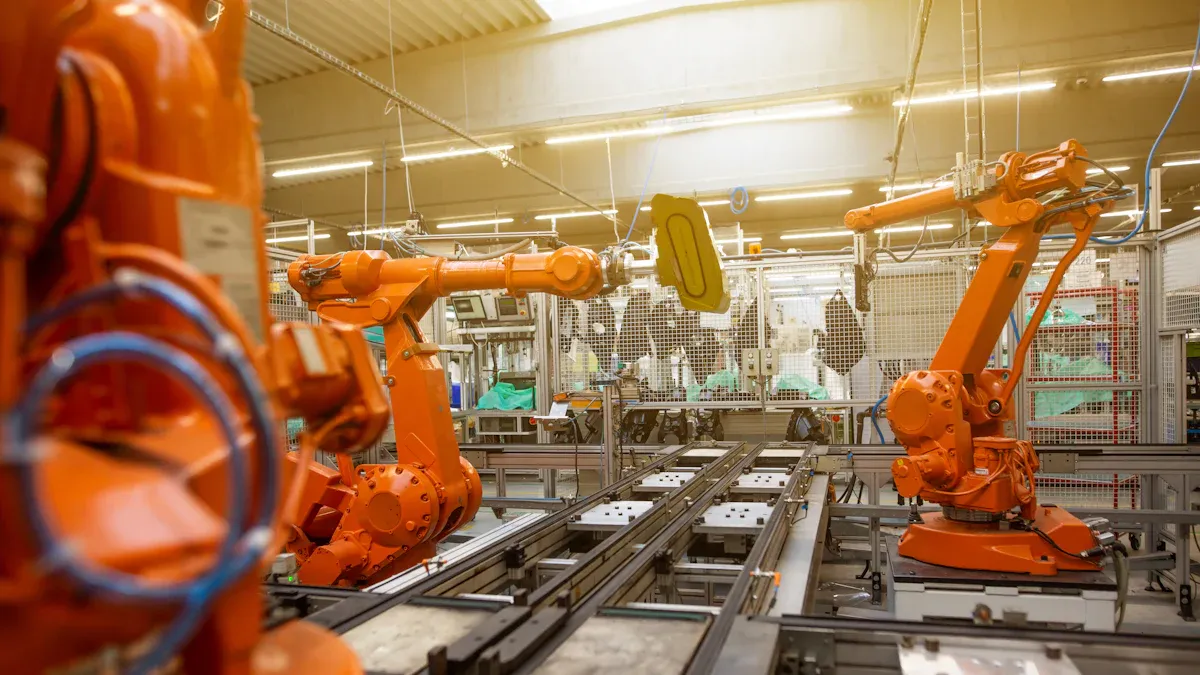
Continuous electroplating significantly boosts efficiency in metal strip manufacturing. This method allows for a streamlined production process, reducing the time and resources needed for coating applications. You can expect faster turnaround times, which is crucial in today’s competitive market. The reel-to-reel system minimizes interruptions, enabling a continuous flow of production.
Cost-effectiveness is another major advantage. By reducing material waste and energy consumption, continuous electroplating lowers overall production costs. You can achieve high-quality finishes without the need for extensive post-processing. This efficiency translates into savings that can enhance your profit margins.
Quality Enhancements
The quality improvements associated with continuous electroplating are remarkable. This method provides superior surface finishes and improved coating uniformity. As the metal strip moves through multiple plating cells, the process operates at high speeds, allowing for incremental coating thickness. This results in electrogalvanized coatings that offer excellent corrosion protection and surface quality. Such enhancements make continuous electroplating ideal for demanding applications, particularly in the automotive sector.
Bonysn’s innovations further elevate these quality enhancements. Their groundbreaking “free-form” electroplating technology allows for strong multi-metal substrate customization. This capability enables you to tailor coatings to meet specific requirements, ensuring that your products align with industry standards. Collaborating closely with supplier engineering teams for new product development fosters innovation and drives quality improvements.
Challenges in Implementation
Technology Costs
Implementing continuous electroplating presents several challenges, particularly regarding technology costs. The initial investment can be substantial compared to traditional electroplating methods. Here’s a comparison of key aspects:
Aspect | Continuous Electroplating | Traditional Electroplating |
|---|---|---|
Power Requirements | Substantial, correlates with coating thickness | Generally lower, varies with method |
Operational Efficiency | Higher speed and efficiency | Slower processing times |
Compliance Costs | Higher due to environmental regulations | Varies, but generally lower |
You should also consider ongoing operational costs. Continuous electroplating requires precise control of solution chemistry, which impacts your operational expenses. Power costs can be significant, especially for high production volumes. Additionally, compliance with environmental regulations adds to capital costs, making it essential to budget accordingly.
Skill Requirements
The successful operation of continuous electroplating equipment demands specific skills. You need a trained workforce capable of handling various tasks, including:
Performing electroplating operations, applying precious metals or alloys to electronic components
Maintaining electroplating tanks
Conducting plating bath analysis and maintenance
Setting up electroplating lines and planning production flow
Processing production line analysis reports and engineering test reports
Training staff poses its own challenges. You must maintain and improve quality control guidance for production staff on new processes and technologies. Engaging in ongoing professional development is crucial to enhance skills and knowledge. This investment in training ensures that your team can effectively manage the complexities of continuous electroplating.
By addressing these challenges, you can harness the full potential of continuous electroplating, leading to improved efficiency and product quality in your manufacturing processes.
Future Trends in Continuous Electroplating
Innovations in Technology
The future of continuous electroplating looks promising, driven by technological advancements. Manufacturers increasingly adopt automation and artificial intelligence to enhance production efficiency. These innovations allow for real-time monitoring and adjustments, ensuring optimal plating conditions. You can expect improvements in energy efficiency and reduced waste, which align with global sustainability goals.
Emerging technologies, such as advanced electrolyte formulations, also play a crucial role. These formulations enhance the quality of coatings while minimizing environmental impact. As a result, you can achieve superior finishes that meet stringent industry standards.
Market Demand and Customization
Market demand for customized solutions continues to rise. Industries require differentiated, high-tech non-standard custom hardware. Bonysn’s ‘free-form’ electroplating technology addresses this need effectively. This innovative approach allows for a variety of plating options, enabling you to tailor products to specific requirements.
Here’s a look at the options available with Bonysn’s technology:
Plating Type | Options Available |
|---|---|
Electroplated gold | Immersion gold plating, brush gold plating, wheel gold plating, dot gold plating |
Electroplated silver | Fully plated silver, select silver; bright silver, frosted silver |
Electroplated tin | Fully plated tin, select tin plating; bright pure tin, snow-white pure tin |
Electroplated nickel | Bright nickel, semi-bright nickel, multi-layer nickel, black nickel, pearl nickel |
Electroplating of palladium-nickel alloy | N/A |
Electroplated copper | Acid copper, alkaline copper |
Single-sided selective gold plating | N/A |
Mold-free arbitrary local gold plating | N/A |
This flexibility allows you to produce small batch samples quickly, catering to specific customer needs. Additionally, Bonysn provides deep technical support, ensuring you can navigate the complexities of custom electroplating. As you adapt to these market demands, continuous electroplating will remain a vital component of your manufacturing strategy.
In summary, continuous electroplating plays a critical role in the future of metal strip manufacturing. This innovative process enhances efficiency, reduces costs, and improves product quality. You can meet the evolving demands of various industries by adopting continuous electroplating. As technology advances, you will find even more opportunities for customization and innovation. Embracing these changes will position your operations for success in a competitive market.
FAQ
What industries benefit from continuous electroplating?
You will find that industries like electronics, automotive, and aerospace benefit significantly from continuous electroplating. This method enhances product quality and meets the high standards required in these sectors.
How does continuous electroplating improve efficiency?
Continuous electroplating streamlines production by minimizing downtime and reducing material waste. The reel-to-reel system allows for a constant flow of metal strips, leading to faster turnaround times.
What are the environmental impacts of continuous electroplating?
Continuous electroplating can reduce environmental impacts by minimizing waste and energy consumption. Advanced electrolyte formulations also help achieve high-quality coatings while adhering to sustainability goals.
Is training necessary for operating continuous electroplating equipment?
Yes, training is essential. You need skilled personnel to manage equipment, monitor processes, and maintain quality control. Investing in training ensures efficient operation and adherence to industry standards.
What innovations are shaping the future of continuous electroplating?
Innovations like automation, artificial intelligence, and advanced electrolyte formulations are shaping the future. These technologies enhance efficiency, improve coating quality, and support customization in manufacturing processes.
See Also
Exploring Roll-to-Roll Etching Benefits for Future Electronics
Innovative Moldless Plating Techniques for Ultra-Thin Gold Strips
Revolutionizing US Manufacturing with Tool-Free Selective Plating
Advancements in Battery Production Through Continuous Roll-to-Roll Etching
Vietnam’s Roll-to-Roll Etching Enhancing OEM Production Efficiency