
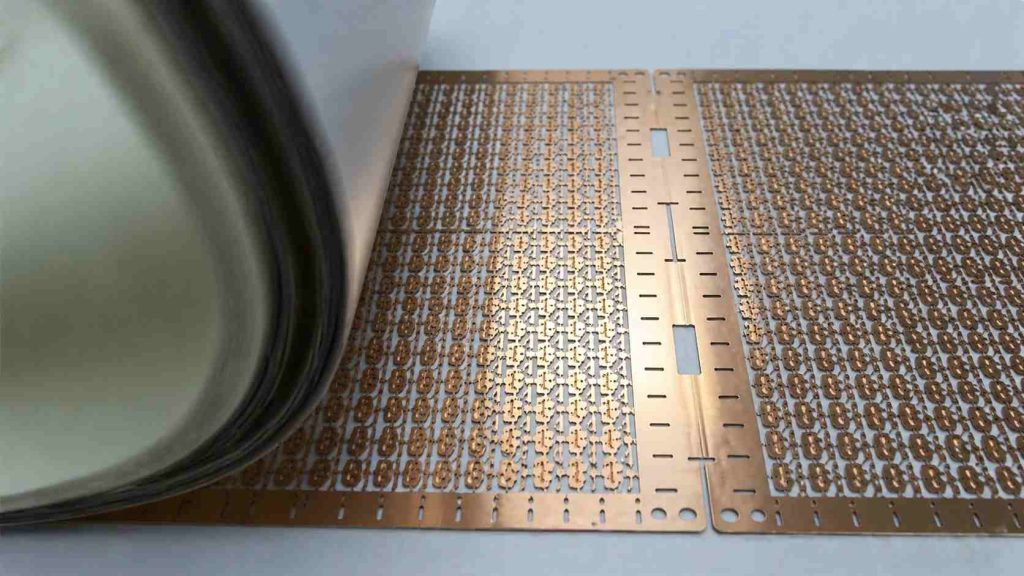
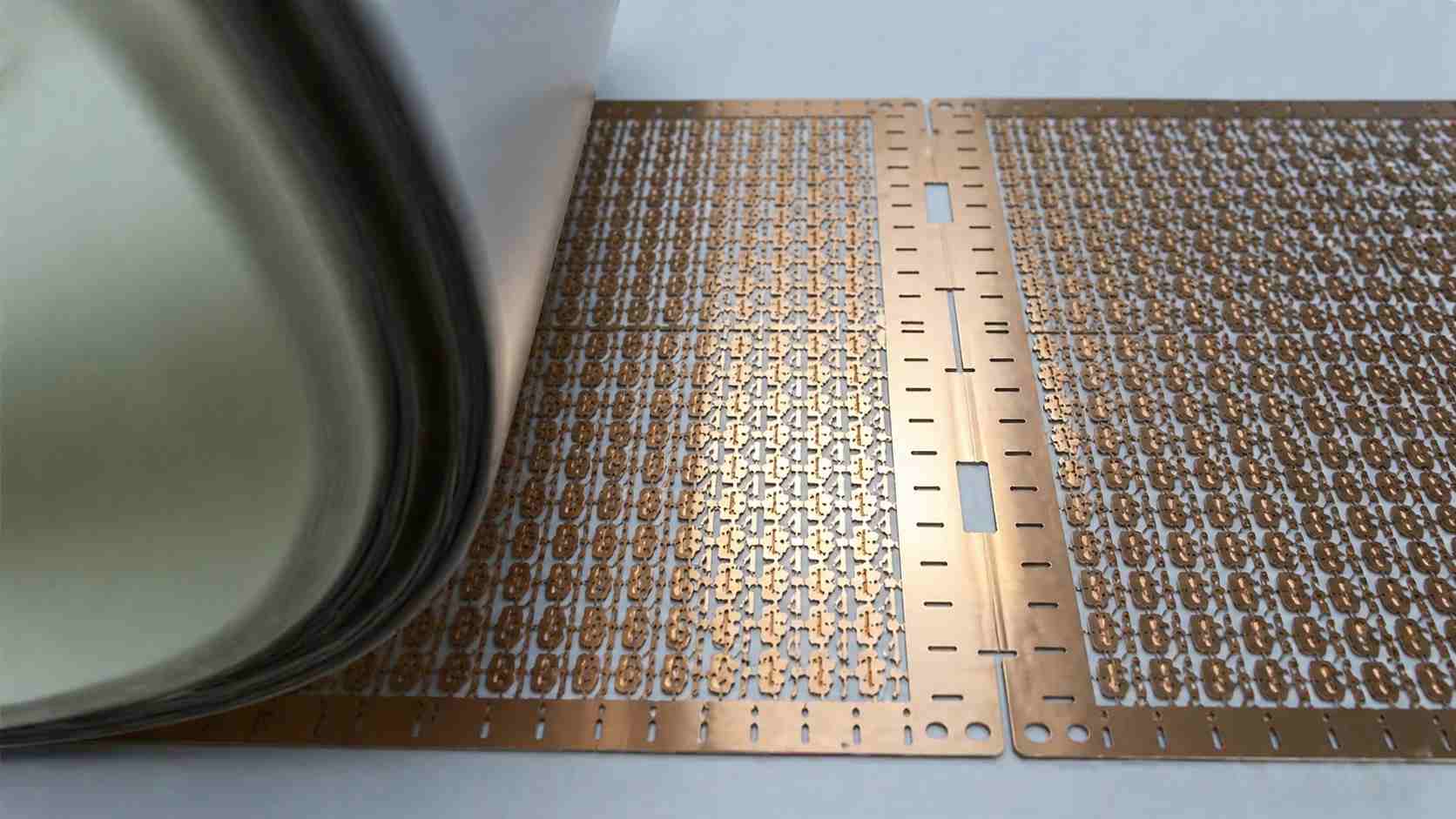
Choosing the right coil material is crucial for successful continuous selective plating. The material you select directly influences the efficiency and effectiveness of the plating process. Understanding the properties of different materials helps you make informed decisions. Factors such as conductivity, corrosion resistance, and environmental conditions play significant roles. By focusing on these aspects, you can optimize your processes and achieve better results with your continuous selective plating coil material.
Key Takeaways
Select coil materials with high conductivity to ensure efficient electroplating and better adhesion of the plated layer.
Consider corrosion resistance when choosing materials. Options like nickel and tin enhance durability and maintain integrity over time.
Monitor temperature and humidity levels in the plating environment to achieve uniform coatings and prevent defects.
Ensure chemical compatibility between coil materials and plating solutions to avoid contamination and improve plating quality.
Evaluate the specific operational conditions, such as plating speed and thickness, to optimize the electroplating process and reduce defects.
Chemical Properties for Plating
Conductivity and Reactivity
When selecting coil materials for continuous selective plating, you must consider their conductivity and reactivity. High conductivity ensures efficient electroplating, allowing for a uniform coating. Materials with excellent conductivity, such as copper, enhance the adhesion of the plated layer. This property is crucial because it directly impacts the quality of the electroplating process.
Reactivity also plays a significant role. The chemical properties of the bath, including the pH value and the concentration of halide ions, can influence how well the coil material interacts with the plating solution. A balanced pH level promotes optimal plating conditions, while excessive halide ions can lead to contamination risks. Therefore, understanding these factors helps you choose the right coil material for your specific plating needs.
Corrosion Resistance
Corrosion resistance is another critical property to consider. The coil material must withstand harsh environments during the plating process. Different materials exhibit varying levels of corrosion resistance, which can significantly affect the longevity and performance of the plated product.
Here’s a table summarizing some effective coil materials known for their corrosion resistance:
Material | Properties |
|---|---|
Tin | Ductility and corrosion resistance |
Nickel | Decorative and wear-resistant surface |
Copper | High conductivity and improves adhesion |
Choosing materials like nickel or tin can enhance the durability of your plated products. These materials not only resist corrosion but also maintain their integrity over time, ensuring that your production processes remain efficient.
In addition, different alloys provide varying levels of corrosion protection. For instance, hot-dip galvanized steel offers sacrificial anode protection, while zinc-aluminum-magnesium alloys provide a triple protection mechanism. Understanding these differences allows you to select the most suitable coil material for your plating applications.
Tip: Always evaluate the specific environmental conditions your coil materials will face. This assessment will guide you in selecting materials that offer the best corrosion resistance for your plating process.
By focusing on these chemical properties, you can optimize your coil material selection, leading to improved electroplating quality and overall production efficiency.
Environmental Factors in Continuous Selective Plating
Temperature and Humidity
Temperature and humidity significantly impact the performance of coil materials during the plating process. Maintaining the right temperature is essential for optimizing plating efficiency and quality. When you control the temperature properly, you achieve uniform plating. This control helps prevent defects such as poor adhesion and dendritic growth.
Here are some key points to consider regarding temperature and humidity:
Optimal Temperature Range: Each plating solution has a specific temperature range that maximizes its effectiveness. Deviating from this range can lead to uneven coatings.
Humidity Levels: High humidity can introduce moisture into the plating bath, which may cause contamination. This contamination can affect the quality of the electroplating process.
Material Stability: Temperature fluctuations can also affect the stability of the coil materials. Consistent temperatures help maintain the integrity of the materials, ensuring they perform well throughout the plating process.
Tip: Regularly monitor the temperature and humidity levels in your plating environment. This practice will help you maintain optimal conditions for successful plating.
Chemical Exposure
Chemical exposure is another critical environmental factor that influences the performance of coil materials. The chemicals in the plating bath can react with the coil materials, affecting their properties and the overall quality of the plating. Here are some considerations regarding chemical exposure:
Reactivity of Materials: Different coil materials have varying levels of reactivity to the chemicals used in plating. For example, some materials may corrode more quickly when exposed to certain acids or bases.
Contamination Risks: Contaminants in the plating bath can lead to defects in the plated layer. Regularly testing the bath for impurities can help you avoid these issues.
Chemical Compatibility: Ensure that the coil materials you choose are compatible with the chemicals in your plating process. This compatibility will help you achieve better results and reduce the risk of defects.
By understanding how temperature, humidity, and chemical exposure affect your coil materials, you can make informed decisions that enhance the quality of your plating process. This knowledge will ultimately lead to improved production efficiency and product durability.
Operational Conditions for Coil Material

Plating Speed and Thickness
The speed at which you plate and the thickness of the coating significantly affect the quality of your electroplating process. A consistent plating speed ensures uniform application across the coil material. If the speed fluctuates, it can lead to uneven coatings and defects.
Here are some key factors to consider regarding plating speed and thickness:
Influential Factors | Description |
|---|---|
Temperature Levels | Precise control over temperature is essential for maintaining plating quality. |
Current Density | The density of the current affects the rate and quality of the plating process. |
Dwell Time | The duration the material is exposed to the plating solution impacts coating effectiveness. |
Alignment of Plating Stations | Proper alignment with stamped features ensures accurate plating application. |
Advancement Rate | A consistent advancement rate of the coil is crucial for maintaining process integrity. |
When it comes to plating thickness, you must strike a balance. Too thin a coating risks wear or corrosion, while too thick a coating may exceed dimensional requirements and increase costs.
Coating Thickness | Implications for Performance |
|---|---|
Too Thin | Risk of wear or corrosion in implanted devices. |
Too Thick | May exceed dimensional requirements and increase costs. |
Equipment Compatibility
Equipment compatibility plays a vital role in the success of your plating process. If your equipment does not align with the coil material or the plating solution, you may face defects and inefficiencies. For example, non-uniform filling in high-aspect-ratio structures can lead to voids and uneven thickness.
Key Challenge | Problem Description | Equipment Modifications | Process Improvements |
|---|---|---|---|
Non-Uniform Filling in High-Aspect-Ratio Structures | Bottom-up voiding; uneven sidewall thickness | Enhanced electrolyte flow system with shear flow optimization | Improved metal ion supply; better filling uniformity |
Edge Overplating Effect | Excessive deposition in local areas under high current density | Segmented anode design; precise current density control | Minimized edge overplating; improved overall deposition uniformity |
By ensuring that your equipment is compatible with the coil materials and plating solutions, you can reduce defects and enhance process efficiency. This compatibility directly correlates with improved production outcomes, making it essential for successful continuous selective plating.
Bonysn Technical Parameters for Continuous Selective Plating
Dimensional Precision and Low Defect Rate
BonySN’s continuous selective plating technology boasts remarkable dimensional precision of up to ±0.005mm. This level of accuracy ensures that you achieve high-quality results with minimal defects. Traditional methods often struggle with burrs and inconsistencies, but BonySN’s process guarantees zero burrs. This precision not only enhances the aesthetic appeal of your products but also improves their functionality.
Flexible Positioning and Processing Options
You can take advantage of BonySN’s flexible positioning options, which support both pre-punched and non-punched materials. This adaptability allows you to optimize your production line for various applications. The technology accommodates a wide range of plating methods, including:
Electroplating Gold: dip plating, brush plating, wheel plating, spot plating
Electroplating Silver: full silver plating, selective silver plating, bright silver, foggy silver
Electroplating Tin: full tin plating, selective tin plating, bright pure tin, foggy pure tin
Electroplating Nickel: bright nickel, semi-bright nickel, multi-layer nickel, black nickel
Electroplating Palladium: palladium nickel
This variety allows you to tailor your plating process to meet specific industry needs.
Diverse Material and Process Compatibility
BonySN’s technology excels in accommodating diverse materials and processes. It supports a wide range of metal types and thicknesses, making it suitable for various applications. The following table summarizes the electroplating categories and their respective offerings:
Electroplating Category | Types of Plating Offered | Industry Applications |
|---|---|---|
Gold | Dip, Brush, Wheel, Spot | 4C Industries |
Silver | Full, Selective | 4C Industries |
Tin | Full, Selective | 4C Industries |
Nickel | Bright, Semi-bright, Multi-layer, Black | 4C Industries |
Palladium | Palladium Nickel | 4C Industries |
With this extensive compatibility, you can confidently choose BonySN for your selective plating needs, knowing that it meets the rigorous demands of modern manufacturing.
Selecting the right coil material is vital for optimizing continuous selective plating processes. Consider these key criteria when making your choice:
Compatibility with the intended plating process
Required mechanical properties
Environmental exposure considerations
Expected lifespan of the material
Electrical requirements
Formability, strength, weight, and cost-effectiveness
By focusing on these factors, you can enhance plating efficiency and reduce defect rates. For example, choosing materials with good plasticity minimizes defects in the cladding layer. Remember, the right substrate directly affects the performance of the plated coating. Prioritize these considerations to achieve optimal results in your plating operations.
FAQ
What is continuous selective plating?
Continuous selective plating is a process that applies a metal coating to specific areas of a substrate while leaving other areas uncoated. This technique enhances the functionality and appearance of the material.
Why is coil material selection important?
Choosing the right coil material is crucial because it affects the efficiency, quality, and durability of the plating process. Proper material selection leads to better adhesion and corrosion resistance.
How does temperature affect plating quality?
Temperature impacts the plating solution’s effectiveness. Maintaining the optimal temperature range ensures uniform coating and prevents defects like poor adhesion and uneven thickness.
What materials are best for electroplating?
Materials like nickel, tin, and copper are excellent choices for electroplating due to their conductivity and corrosion resistance. Each material offers unique benefits depending on the application.
How can I reduce defects in plating?
To minimize defects, ensure proper equipment compatibility, maintain consistent plating speed, and monitor environmental conditions. Regular testing of the plating bath for impurities also helps improve quality.
See Also
Innovative Continuous Selective Plating For Ultra-Thin Gold Strips
Selecting The Best Selective Plating Service For Connectors
Advancements In Die-Free Selective Plating Speed Up Prototyping
Reducing Gold Plating Expenses For I/O Interfaces Effectively
Groundbreaking Mold-Free Selective Plating Technology For AI Chips