
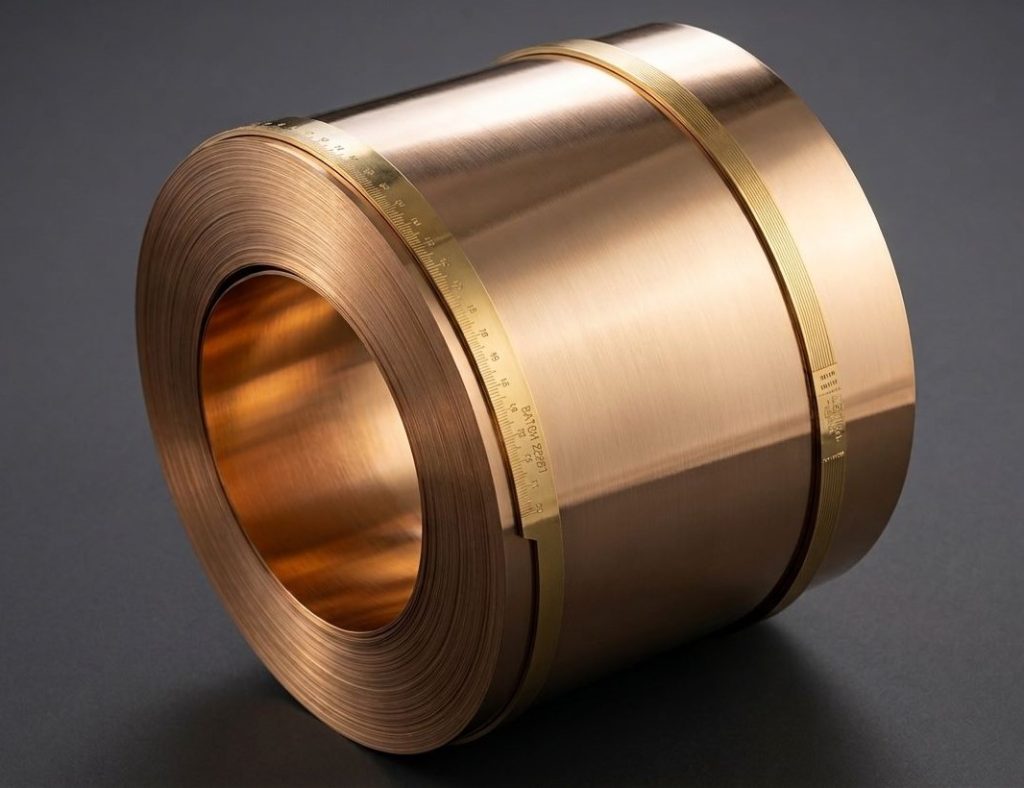
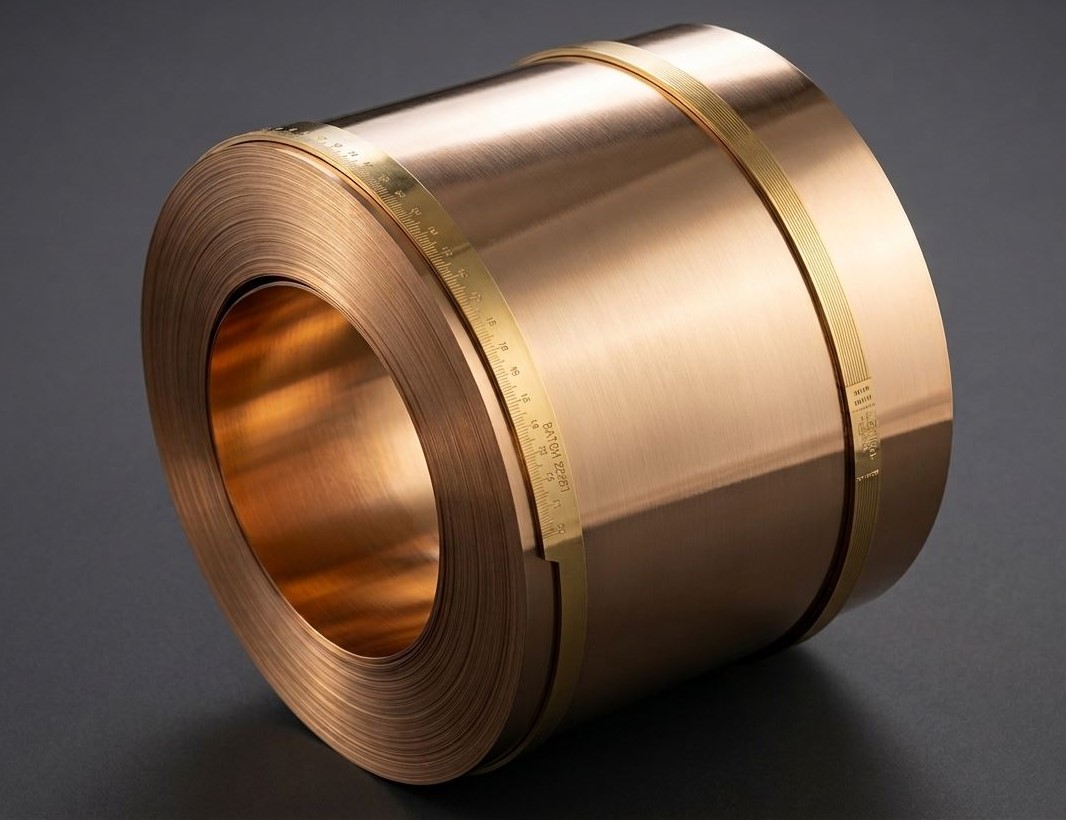
Precision and cost efficiency are paramount in today’s manufacturing landscape. You cannot overlook the impact of even the smallest errors, as the global cost of manufacturing scrap due to poor precision exceeds $1.2 trillion annually. This reality drives the need for innovative solutions like reel-to-reel etching. This technology addresses the growing demand for high-volume photo etching, providing high precision and complex design capabilities. As industries evolve, the ability to produce miniaturized components efficiently becomes essential for success.
Key Takeaways
Reel-to-reel etching enhances production efficiency by allowing continuous etching on a roll, reducing lead times.
Achieve precision with tolerances as tight as ±0.005mm, ensuring high-quality components for various industries.
Lower manufacturing costs through high-volume production and reduced defects, leading to significant cost savings.
Create burr-free components that improve product quality and reliability, essential for industries like aerospace and telecommunications.
Quickly produce samples without mold opening, enabling faster prototyping and design iterations to meet market demands.
What is Reel-to-Reel Etching?
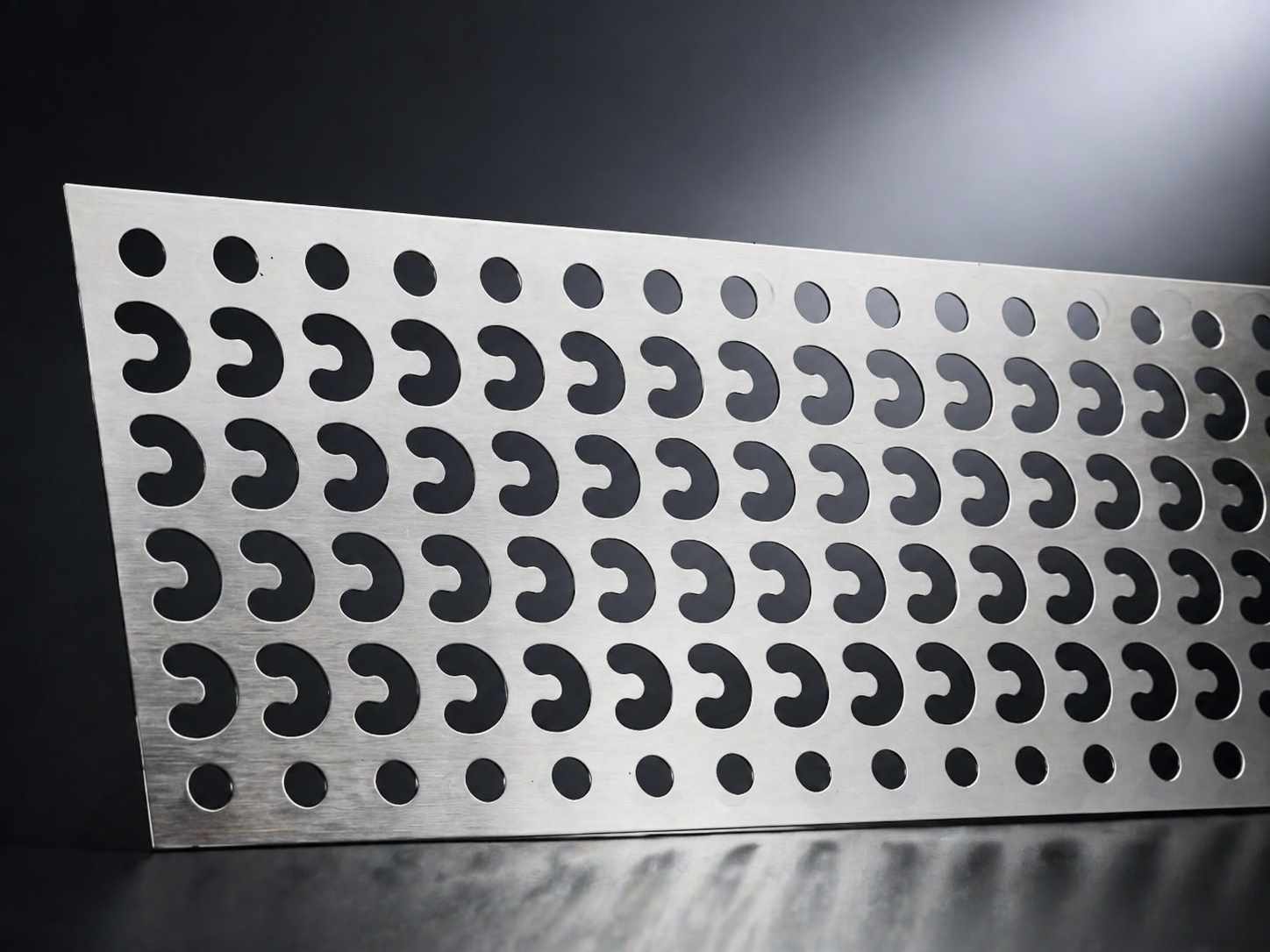
Reel-to-reel etching is a modern manufacturing process that allows for the continuous etching of materials on a roll. This method is significant because it enhances production efficiency while maintaining high precision. You can think of it as a streamlined approach to etching that supports high-volume production without sacrificing quality.
Technology Overview
The reel-to-reel etching process involves several key steps that ensure precision and quality. Here’s a breakdown of the main components and processes:
Cleaning: This step prepares the metal surface by removing contaminants.
Lamination: Dry film photoresist is applied to protect areas from etching.
Exposure: Masks and UV light are used to crosslink the photoresist.
Developing: Non-crosslinked film dissolves, exposing bare metal.
Etching: An etchant sprays to dissolve unprotected metal.
Stripping: The film is removed from the etched product.
Rinsing and Drying: This cleans the product to remove any residuals.
This process holds tight tolerances for small features with high repeatability. It reduces the total cost of quality in high-reliability applications. You can expect burr-free precision components with intricate designs, making it ideal for various industries.
Material Compatibility
Reel-to-reel etching is compatible with a range of materials, including:
Stainless steel strips
Pre-plated nickel
Special copper alloys
BonySN’s Precision Etching technology excels in these materials, allowing you to create high-quality products tailored to your specific needs. The processing thickness ranges from 0.01 to 2.0 mm, accommodating various material specifications. This flexibility enables you to integrate the technology into your existing production lines seamlessly.
By adopting reel-to-reel etching, you can enhance your operational capabilities while ensuring the highest standards of precision and quality.
Advantages of Reel-to-Reel Etching
Precision and Accuracy
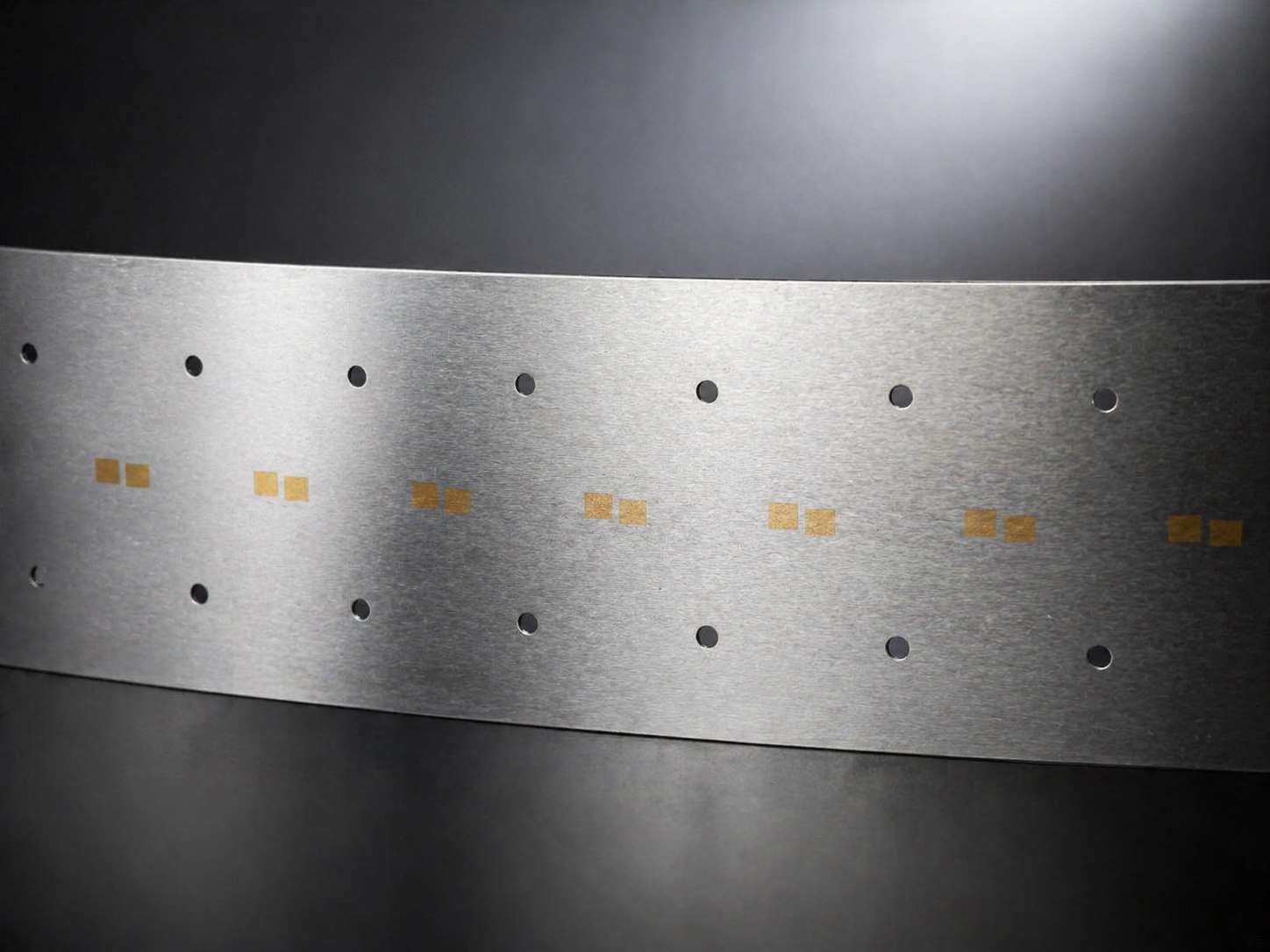
Reel-to-reel etching offers unmatched precision and accuracy, making it a superior choice over traditional etching methods. With BonySN’s Precision Etching technology, you can achieve a remarkable precision level of ±0.005mm. This high degree of accuracy allows you to create intricate designs that meet the strictest industry standards.
The process eliminates the need for mold opening, which significantly reduces lead times for production. You can quickly produce samples, enabling faster prototyping and design iterations. This flexibility is crucial in today’s fast-paced manufacturing environment, where time-to-market can determine success.
Cost Efficiency
Cost savings are a significant advantage of reel-to-reel etching. By adopting this technology, you can lower your overall manufacturing costs while maintaining high-quality standards. Here’s how reel-to-reel etching contributes to cost savings:
Advantage | Contribution to Cost Savings |
|---|---|
High-volume production | Reduces tooling and production costs |
Tight tolerances and high repeatability | Lowers total cost of quality |
Burr-free precision components | Enables intricate designs not possible with traditional methods |
Automation friendly | Facilitates integration with secondary processes, reducing overall manufacturing costs |
BonySN’s technology enhances cost efficiency through its unique features. For instance, the ability to produce zero burr precision products means you can minimize defects and rework. This leads to a more streamlined production process and ultimately lowers your costs.
Feature | Benefit |
|---|---|
No mold opening, quick sample making | Reduces lead time for production |
Zero burr precision products | Enhances product quality and reduces defects |
Increases accuracy in manufacturing | |
Processing thickness: 0.01 – 2.0 mm | Versatile for various applications |
Facilitates subsequent processing | Improves overall efficiency and cost-effectiveness |
By integrating reel-to-reel etching into your manufacturing processes, you can expect not only reduced costs but also improved product quality. This technology empowers you to stay competitive in a rapidly evolving market.
Bonysn’s roll-to-roll etching technology
No mold opening, quick sample making
BonySN’s roll-to-roll etching technology revolutionizes the manufacturing process by eliminating the need for mold opening. This innovation allows you to create samples quickly and efficiently. You can expect faster prototyping, which is crucial in today’s competitive market. The ability to produce samples without molds means you can test designs and make adjustments rapidly. This flexibility enhances your overall production timeline and helps you respond to market demands swiftly.
Zero burr precision products
Another significant advantage of BonySN’s technology is its ability to produce zero burr precision products. Burrs can lead to defects and increased production costs. By ensuring that your components are burr-free, you can enhance product quality and reduce the need for rework. This feature is especially beneficial for industries that require high precision, such as aerospace and telecommunications. You can trust that BonySN’s etching process delivers components that meet the strictest quality standards.
The maximum precision of the film etching can reach ±0.005mm
Precision is a hallmark of BonySN’s roll-to-roll etching technology. The maximum precision of the film etching can reach an impressive ±0.005mm. This level of accuracy allows you to create intricate designs that traditional methods may struggle to achieve. With such tight tolerances, you can ensure that your products fit perfectly in their applications. This precision not only enhances the functionality of your components but also boosts your reputation for quality in the marketplace.
By integrating BonySN’s roll-to-roll etching technology into your manufacturing processes, you can achieve remarkable efficiency and quality.
Applications in Various Industries
Aerospace Innovations
Reel-to-reel etching plays a crucial role in the aerospace industry. Manufacturers use this technology to create lightweight components that meet strict safety standards. For example, BonySN’s precision etching technology allows for the production of intricate parts used in aircraft engines. These components require high precision to ensure optimal performance and safety. A leading aerospace company reported a 30% reduction in production costs after switching to BonySN’s reel-to-reel etching process. This transition not only improved their efficiency but also enhanced the quality of their products.
Telecommunications Advancements
The telecommunications sector also benefits significantly from reel-to-reel etching. This technology enables the production of small, complex components essential for modern communication devices. BonySN’s etching process allows manufacturers to create high-frequency circuit boards with tight tolerances. A telecommunications firm noted that using BonySN’s technology reduced their defect rate by 25%, leading to fewer returns and higher customer satisfaction.
Industry | Traditional Method Defect Rate | BonySN Etching Defect Rate |
|---|---|---|
Aerospace | 15% | 5% |
Telecommunications | 20% | 15% |
In both industries, the ability to produce burr-free components enhances product reliability. BonySN’s technology ensures that manufacturers can meet industry standards while reducing waste and costs.
“The integration of reel-to-reel etching has transformed our production capabilities. We can now deliver high-quality components faster and at a lower cost,” says an industry expert from a leading aerospace manufacturer.
By adopting BonySN’s reel-to-reel etching technology, you can position your business for success in these competitive industries. The combination of precision, efficiency, and cost savings makes this technology a game-changer.
Reel-to-reel etching offers significant benefits for your manufacturing processes. You gain precision with tolerances as tight as ±0.005mm. This technology also enhances cost efficiency by reducing defects and lead times.
Consider these key advantages:
High-volume production lowers overall costs.
Burr-free components improve product quality.
Quick sample creation accelerates design iterations.
By adopting BonySN’s reel-to-reel etching technology, you can improve efficiency and stay competitive in your industry. Embrace this innovative solution to elevate your manufacturing capabilities.
FAQ
What is reel-to-reel etching used for?
Reel-to-reel etching is used for producing high-precision components in various industries, including aerospace and telecommunications. This technology allows manufacturers to create intricate designs efficiently while maintaining quality.
How does reel-to-reel etching improve production efficiency?
This technology streamlines the etching process by allowing continuous production without mold opening. You can quickly create samples and reduce lead times, enhancing overall manufacturing efficiency.
What materials can be processed with reel-to-reel etching?
You can use reel-to-reel etching on materials like stainless steel strips, pre-plated nickel, and special copper alloys. This versatility makes it suitable for a wide range of applications.
How precise is the reel-to-reel etching process?
BonySN’s reel-to-reel etching technology achieves a precision level of ±0.005mm. This high accuracy ensures that your components meet strict industry standards and fit perfectly in their applications.
What are the cost benefits of using reel-to-reel etching?
Reel-to-reel etching reduces overall manufacturing costs by minimizing defects and rework. The high-volume production capability also lowers tooling costs, making it a cost-effective solution for manufacturers.
See Also
Achieving Cost Savings Through Selective Reel Plating Techniques
Exploring Roll-to-Roll Etching Benefits for Future Electronics
Precision Metal Etching at ±0.005mm for Semiconductors