


Sourcing high-quality stainless steel strip is essential for efficient and cost-effective appliance production. When you choose reliable materials, you ensure better product quality, reduced defects, and longer-lasting appliances. High-quality stainless steel offers excellent durability and corrosion resistance, making it the ideal choice for demanding applications.
Stainless steel strips find extensive use across industries. For instance:
In electronics, they serve as connector shrapnel, battery cases, and sensor parts.
In kitchenware, they enhance the aesthetic and functional appeal of accessories and decorative items.
In medicine, they meet the stringent hygiene and durability requirements for surgical tools and implants.
The following table highlights the advantages of high-quality stainless steel over lower-quality alternatives:
Material Type | Cost | Durability | Corrosion Resistance | Suitability for Appliances |
|---|---|---|---|---|
High-Quality Stainless | Higher | High | Excellent | Ideal |
Lower-Quality Steel | Lower | Moderate | Poor | Not recommended |
By investing in premium-grade stainless steel, you can achieve optimal results in both production and product performance.
Key Takeaways
High-quality stainless steel strips improve appliance durability, reduce defects, and enhance production efficiency.
Grades like 304 and 316L stainless steel offer different levels of corrosion resistance, making them suitable for various environments.
Reliable sourcing ensures consistent material supply, minimizes production disruptions, and supports long-term cost savings.
Manufacturing processes like hot-rolling, cold-rolling, annealing, and pickling enhance the quality and performance of stainless steel strips.
Avoid common sourcing mistakes by analyzing project needs, verifying supplier reputations, and prioritizing quality over cost.
Why Stainless Steel Strip Quality Matters
Key Properties of 304 and 316L Stainless Steel
When you consider stainless steel strips for appliance production, understanding the properties of different grades is crucial. Two of the most commonly used grades are 304 and 316L.
304 Stainless Steel: This grade contains 18% chromium and 8% nickel. It offers good corrosion resistance and is suitable for mild industrial and domestic settings. However, it struggles in highly corrosive environments.
316L Stainless Steel: This grade features 16% chromium, 10% nickel, and 2% molybdenum. It provides superior corrosion resistance, especially against pitting and crevice corrosion. This makes it ideal for harsh environments, such as those exposed to chlorides.
Here’s a quick comparison of their corrosion resistance levels:
Stainless Steel Grade | Corrosion Resistance Level | Key Features |
|---|---|---|
304 | Good | Suitable for mild environments, struggles in highly corrosive conditions |
316L | Superior | Enhanced resistance to pitting and crevice corrosion, ideal for harsh environments with chlorides |
Applications in Appliances and Beyond
Stainless steel strips find extensive applications across various industries. In appliances, they play a vital role in enhancing both functionality and aesthetics. Here are some common applications:
Appliance Type | Benefits |
|---|---|
Kitchen Equipment | Corrosion resistance, durability, ease of maintenance |
Food Processing Units | Non-reactive surfaces, easy to clean |
Home Appliances | High durability, aesthetic appeal |
Automotive Trim | Corrosion resistance, aesthetic appeal |
Surgical Instruments | Hygiene, strength |
The versatility of stainless steel strips extends beyond appliances. They are essential in electronics, where they serve as connector shrapnel and battery cases. In medical equipment, their durability and hygiene standards meet stringent requirements for surgical tools and implants.
Impact on Production Efficiency and Product Durability
The quality of stainless steel strips directly impacts production efficiency and product durability. High-quality materials lead to fewer defects and reduced downtime during manufacturing. When you use reliable stainless steel strips, you enhance your production processes and ensure that your appliances meet high standards.
Investing in quality materials also improves your reputation in the market. Achieving certifications, such as ASTM A240, indicates that your products meet rigorous standards. This compliance leads to operational excellence, reducing waste and improving efficiency.
Manufacturing Processes for Stainless Steel Strips
Hot-Rolling and Cold-Rolling Techniques
The manufacturing process for stainless steel strips begins with rolling techniques. You can choose between hot-rolling and cold-rolling, each offering distinct advantages.
Hot-Rolling: This process involves heating the steel above its recrystallization temperature. It results in a uniform grain structure, which enhances strength and ductility. However, hot-rolled steel typically has a rough, scaly texture.
Cold-Rolling: This technique occurs at room temperature, leading to a fine grain structure. Cold-rolled steel exhibits higher hardness and tensile strength due to strain hardening. It is ideal for applications requiring precise dimensions.
Here’s a comparison of the properties of hot-rolled and cold-rolled steel:
Property | Hot-Rolled Steel | Cold-Rolled Steel |
|---|---|---|
Grain Structure | Uniform grain structure | Fine grain structure |
Strength | High strength | Higher hardness and tensile strength |
Tolerances | Lower tolerances | Precise tolerances |
Surface Finish | Rough, scaly texture | Smooth surface finish |
Applications | Structural applications | Applications requiring precision |
Annealing and Pickling for Corrosion Resistance
After rolling, the next steps are annealing and pickling.
Annealing: This heat treatment process involves controlled heating and cooling. It relieves internal stresses and enhances corrosion resistance by restoring ductility. This is especially important for austenitic and duplex stainless steels, which often face harsh environments.
Pickling: This process cleans the metal surface, removing impurities and oxides. It significantly enhances corrosion resistance and improves the overall quality of the stainless steel strips. A cleaner surface leads to better durability and performance in appliances.
Surface Finishing and Quality Control
Surface finishing plays a crucial role in enhancing the durability of stainless steel strips. Techniques such as grinding and polishing improve corrosion resistance and surface quality.
Technique | Benefit |
|---|---|
Grinding | Enhances corrosion resistance |
Polishing | Improves surface quality |
Wet Grinding | Prevents burn marks and cracks |
Quality control measures ensure that the final product meets industry standards. By focusing on these manufacturing processes, you can optimize the performance and longevity of your stainless steel strips, ultimately benefiting your appliance production.
Benefits of Reliable Sourcing for Appliance Production
Ensuring Consistent Material Supply
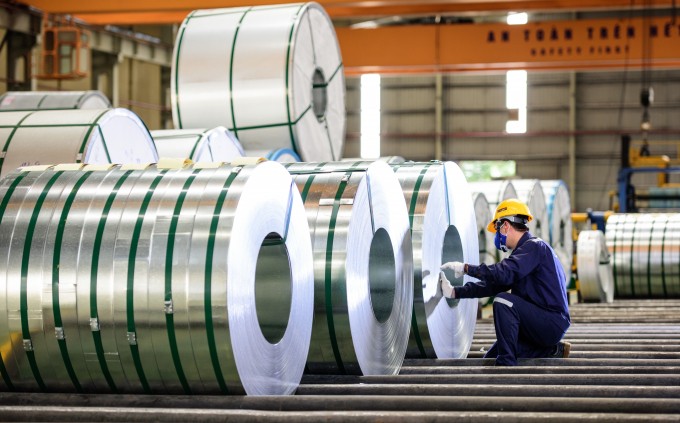
Reliable sourcing of stainless steel strips ensures a consistent material supply, which is vital for your production schedule. When you have dependable suppliers, you minimize the risk of production disruptions. This consistency allows you to maintain a steady workflow, especially during peak demand periods. Strong supplier relationships and effective inventory management strategies enhance visibility and demand forecasting. As a result, your operations run smoothly, and you can meet customer demands without delays.
Consistent material supply is essential for minimizing downtime in production processes. It directly influences your overall production schedule and output.
Reducing Downtime and Defects
Reliable sourcing significantly reduces downtime and defects in your production line. When you source high-quality stainless steel strips, you decrease the likelihood of defects that can halt production. This reliability allows you to focus on manufacturing rather than troubleshooting issues.
Consider the following components that contribute to minimizing production disruptions:
Component | Description |
|---|---|
Accurate Tracking | Helps you maintain a complete picture of inventory and production, allowing for schedule adjustments to prevent issues. |
Diversifying Suppliers | Protects against disruptions by ensuring alternative suppliers are available if one fails. |
Strong Supplier Relationships | Essential for effective communication, helping to identify and resolve potential issues early. |
Meeting Quality Standards | Ensures that the materials and components meet the necessary quality, contributing to overall reliability. |
By focusing on reliable sourcing, you can enhance your production efficiency and product quality.
Balancing Cost and Quality
Sourcing high-quality materials directly from manufacturers can lead to significant cost savings. Overseas suppliers often produce steel at lower costs due to advanced manufacturing technologies. This allows you to access a diverse product range that meets your specific manufacturing needs.
Advantage | Description |
|---|---|
Cost Savings | Overseas suppliers often produce steel at lower costs due to advanced manufacturing technologies. |
Diverse Product Range | Access to a wider variety of steel products and specifications that meet specific manufacturing needs. |
Technological Advancements | Sourcing from innovative manufacturers allows you to leverage the latest production technologies. |
Balancing cost and quality is crucial for your business. Investing in high-quality stainless steel strips may seem more expensive upfront, but it pays off in the long run through reduced defects and increased durability.
Choosing the Right Stainless Steel Grade
Comparing 304 and 316L for Appliance Applications
When selecting between 304 and 316L stainless steel grades, consider several key factors. The table below summarizes their properties and applications:
Factor | 304 Stainless Steel | 316L Stainless Steel |
|---|---|---|
Corrosion Resistance | Good, but vulnerable to marine environments | Superior, especially in saline environments |
Cost | More economical | Higher cost due to added materials |
Usage | General applications, less corrosive areas | High-saline situations, chemical processing |
You should choose 304 stainless steel for general applications where corrosion is not a major concern. However, if your appliances will face harsh conditions, 316L is the better option due to its superior corrosion resistance.
Long-Term Cost Benefits of High-Quality Materials
Investing in high-quality stainless steel strips pays off in the long run. Appliances made with quality materials last longer and require fewer repairs. This directly correlates to reduced maintenance needs and an extended lifespan. By choosing the right grade, you can minimize replacement costs and enhance customer satisfaction.
Avoiding Common Sourcing Pitfalls
When sourcing stainless steel strips, avoid these common pitfalls:
Failing to analyze project requirements, leading to unsuitable purchases.
Overlooking the thickness of the sheets, which affects strength and durability.
Neglecting surface finish considerations, impacting aesthetics and performance.
Ignoring delivery time and logistics, causing project delays.
Prioritizing price over quality, resulting in poor material choices.
Not verifying the supplier’s reputation, risking poor quality and delays.
By being aware of these pitfalls, you can make informed decisions and ensure reliable sourcing for your appliance production.
Stainless steel strip from bonysn
high-precision machining
When you choose stainless steel strips from bonysn, you benefit from high-precision machining. This process ensures that each strip meets exact specifications. The advanced machinery used in production allows for tight tolerances. You can trust that the stainless steel strips will fit perfectly in your appliance designs. High-precision machining also enhances the overall quality of the final product, making it more reliable for various applications.
The surface coating is uniform
Uniform surface coating is another advantage of bonysn’s stainless steel strips. A consistent coating improves corrosion resistance and durability. This feature is crucial for appliances that face harsh environments. With a uniform surface, you can expect better performance and longevity from your products. The coating process adheres to industry standards, ensuring that you receive high-quality materials that meet your needs.
Continuous roll-to-roll production of stainless steel strip for bonysn
Bonysn employs a continuous roll-to-roll production method for their stainless steel strips. This technique allows for efficient manufacturing and reduces waste. You can expect a steady supply of stainless steel strips, which is vital for maintaining your production schedule. The roll-to-roll process also enables the creation of intricate designs and specifications, catering to diverse industry requirements. By choosing bonysn, you align with a supplier that prioritizes efficiency and quality in their production processes.
Reliable sourcing of stainless steel strips is crucial for optimizing your appliance production. High-quality stainless steel enhances durability, reduces defects, and improves overall efficiency. You should prioritize sourcing materials that meet industry standards. This approach not only ensures product quality but also leads to long-term cost savings. Remember, investing in quality stainless steel pays off in the end. Make informed decisions to elevate your production processes and meet market demands effectively.
FAQ
What is the difference between 304 and 316L stainless steel?
304 stainless steel offers good corrosion resistance for mild environments. In contrast, 316L provides superior resistance, especially in harsh conditions like marine environments. Choose 316L for applications exposed to chlorides.
How does reliable sourcing impact production efficiency?
Reliable sourcing ensures a consistent supply of high-quality materials. This consistency minimizes production disruptions, reduces defects, and enhances overall efficiency, allowing you to meet customer demands effectively.
Why is surface finishing important for stainless steel strips?
Surface finishing improves corrosion resistance and overall durability. Techniques like polishing and grinding enhance the quality of stainless steel strips, ensuring they perform well in various applications.
What are the common applications of stainless steel strips?
Stainless steel strips are widely used in appliances, electronics, kitchenware, and medical equipment. Their durability and corrosion resistance make them suitable for demanding environments across multiple industries.
How can I avoid common sourcing pitfalls?
To avoid pitfalls, analyze your project requirements carefully. Verify supplier reputations, consider material thickness, and prioritize quality over price. This approach ensures you select the right stainless steel strips for your needs.
See Also
The Impact of Precision Metal Strips on Electronics
Revolutionary Tool-Free Plating Boosts US Tech Production
Could 316 Stainless Steel Strips Revolutionize AI Cooling?