
Electric vehicle (EV) connectors play a critical role in ensuring efficient power transfer between charging stations and vehicles. You may not realize that connector failures account for around 15% of charging-related issues in electric vehicles. Selective silver plating enhances the performance of these connectors by providing superior conductivity, which is vital for high-current applications. This method allows for targeted application, optimizing both performance and cost. As the demand for high-performance coatings grows in the EV market, understanding the advantages of selective silver plating for EV connectors becomes essential.
Key Takeaways
Selective silver plating significantly enhances electrical conductivity, ensuring efficient power transfer in electric vehicles.
This method provides excellent corrosion resistance, extending the lifespan of EV connectors and reducing maintenance needs.
Investing in selective silver plating leads to long-term savings by minimizing repair costs and improving overall efficiency.
Selective silver plating supports customization, allowing tailored solutions for specific performance and aesthetic requirements.
Choosing selective silver plating contributes to sustainable practices by reducing waste and complying with environmental regulations.
Conductivity Benefits
Silver’s Superior Conductivity
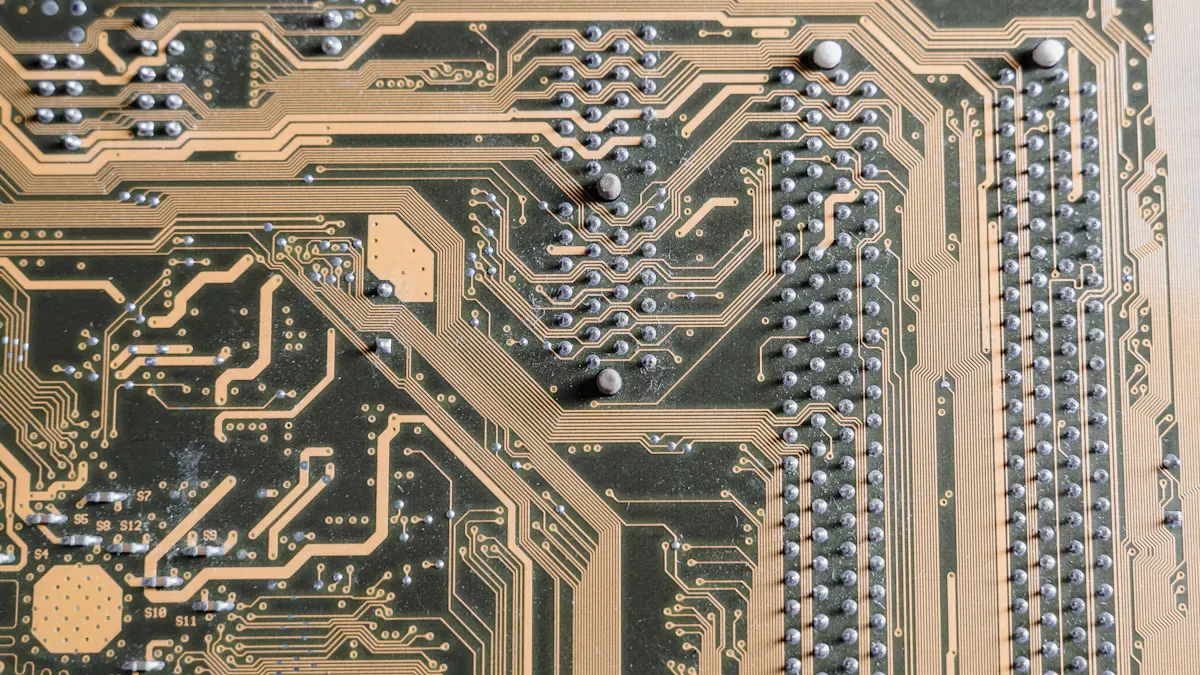
When it comes to electrical conductivity, silver stands out as the best choice for EV connectors. It boasts the highest electrical conductivity among all metals, exceeding 100% IACS (International Annealed Copper Standard). This exceptional property makes silver particularly suitable for high-current applications, such as those found in electric vehicles. In fact, silver’s superior conductivity allows for efficient power transfer, which is crucial for the performance of EVs.
Using selective silver plating on connectors significantly improves conductivity. This enhancement minimizes contact resistance, which can lead to energy loss and overheating. By reducing contact resistance, you ensure that your EV connectors operate at optimal efficiency, providing reliable power transfer during charging and discharging cycles.
Comparison with Other Materials
While silver is the top performer, it’s essential to understand how it compares to other materials commonly used in connectors. Here’s a quick comparison:
Property | Silver | Gold | Copper | Nickel | Tin |
|---|---|---|---|---|---|
Electrical Conductivity | Highest | High | Good | Moderate | Moderate |
Thermal Conductivity | Excellent | Good | Good | Low | Average |
Cost Efficiency | Moderate | Very High | Low | Low | Low |
Corrosion Resistance | High | Excellent | Moderate | Moderate | Moderate |
Tarnish Resistance | Needs coating | Excellent | Poor | Moderate | Poor |
As shown in the table, while gold also provides reliable low-resistance connections, it comes at a much higher cost. Copper, although widely used, tends to oxidize, which can compromise its conductivity over time. Nickel and tin offer lower conductivity and may not perform as well under high current loads.
Corrosion Resistance
Environmental Impact
Corrosion poses a significant threat to the performance and lifespan of EV connectors. Various environmental factors can lead to corrosion, which ultimately affects the reliability of your connectors. Here are some common factors that contribute to corrosion:
Environmental Factor | Effect on EV Connectors |
|---|---|
Salt | Creates random faults |
Sand | Causes stuck latches |
Rain | Leads to handshake errors |
Humidity | Contributes to corrosion |
Humidity, in particular, can condense into droplets on internal surfaces of connectors. These droplets create pathways that allow corrosion to occur. Voltage gradients across these pathways can accelerate the corrosion of metals, leading to potential failures in your EV charging system.
Longevity of Connectors
Selective silver plating plays a crucial role in enhancing the longevity of connectors. This method provides effective corrosion protection, ensuring that your connectors remain functional even in harsh environments. Here’s how silver plating protects against corrosion:
Advancements in anti-tarnish coatings extend the lifespan of silver plating, reducing the impact of tarnishing on conductivity. This enhancement is particularly important in humid environments where corrosion is a concern.
Silver plating offers superior electrical conductivity, which is essential for efficient energy transfer in EV connectors.
The ductility of silver improves the contact area at a microscopic level, enhancing performance under conditions like vibration and thermal cycling.
These properties help mitigate corrosion and overheating, making silver-plated connectors more reliable in demanding applications. By choosing selective silver plating, you invest in connectors that not only perform better but also last longer, reducing the need for frequent replacements.
Cost Benefits
Initial Investment vs. Savings
When considering the cost of selective silver plating, you may initially perceive it as a higher investment compared to other methods. However, this upfront cost often leads to significant long-term savings. Selective silver plating enhances the performance of EV connectors, which translates to fewer maintenance issues and replacements over time.
Reduced Maintenance Costs: With improved durability and corrosion resistance, you will spend less on repairs and replacements. This reliability means you can focus on your operations rather than worrying about connector failures.
Increased Efficiency: The enhanced conductivity of silver plating allows for better energy transfer. This efficiency can lead to lower energy costs, especially in high-demand applications.
Comparison with Alternative Plating
Let’s compare selective silver plating with traditional plating methods. Traditional methods often involve higher costs due to extensive molding processes and material waste. Here’s a quick overview:
Plating Method | Initial Cost | Maintenance Cost | Lifespan |
|---|---|---|---|
Selective Silver Plating | Moderate | Low | Long |
Gold Plating | High | Moderate | Moderate |
Nickel Plating | Low | High | Short |
Tin Plating | Low | High | Short |
As shown in the table, while gold plating offers excellent conductivity, its high initial cost can be a barrier. Nickel and tin plating may seem cheaper initially, but their frequent maintenance needs can add up quickly. By choosing selective silver plating, you invest in a solution that balances initial costs with long-term savings, making it a smart choice for your EV connectors.
Durability and Longevity
Lifespan of Connectors
Selective silver plating significantly enhances the lifespan of EV connectors. This method improves electrical conductivity, which reduces contact resistance. As a result, you experience stable signal transmission throughout the connector’s service life. Here are some key benefits of selective silver plating that contribute to connector longevity:
Improved electrical conductivity reduces contact resistance and supports stable signal transmission.
Enhanced corrosion resistance protects contacts from oxidation and environmental contaminants.
Increased wear resistance supports repeated mating and unmating cycles without performance degradation.
Consistent signal integrity helps maintain predictable electrical performance throughout the connector’s service life.
Extended connector lifespan reduces premature failure and lowers maintenance needs.
Robustness in Performance
In high-current applications, connectors face various challenges, including mechanical stress and environmental factors. Selective silver plating enhances the mechanical durability of EV connectors, ensuring they perform reliably even in demanding conditions. The following table outlines how selective silver plating contributes to the robustness of connectors:
Property | Benefit |
|---|---|
Electrical Conductivity | Reduces contact resistance |
Thermal Transfer | Enhances heat dissipation |
Anti-Galling | Improves durability under mechanical stress |
Thickness Control | Ensures precise application for reliability |
Adhesion | Increases connector longevity in demanding environments |
By investing in selective silver plating, you ensure that your EV connectors withstand the rigors of high-vibration environments. This durability translates into fewer replacements and lower maintenance costs, making it a smart choice for your electric vehicle applications.
Environmental Benefits
Sustainable Practices
Selective silver plating stands out for its eco-friendly approach in connector manufacturing. This method reduces the use of precious metals, which minimizes environmental degradation linked to mining and processing. By complying with environmental regulations such as RoHS and REACH, selective silver plating limits the release of toxic substances during both manufacturing and disposal. This commitment to sustainability ensures that you contribute positively to the environment while enhancing the performance of your electric vehicles.
Moreover, the strategic application of plating materials in selective methods leads to less waste. Traditional full plating often results in excess material usage, while selective plating optimizes resource allocation. This optimization not only conserves materials but also supports a more sustainable manufacturing process.
Reduction of Waste
The innovative use of nanostructured silver in EV connectors enhances durability and performance. This advancement allows for thinner coatings, which leads to lower material usage. As a result, you experience reduced emissions during production, contributing to a smaller carbon footprint. By choosing selective silver plating, you actively participate in reducing waste and promoting sustainability in the electric vehicle industry.
In summary, selective silver plating offers numerous advantages for EV connectors. Here are the five key benefits:
Advantage | Description |
|---|---|
Enhanced Electrical Conductivity | Improves conductivity, essential for high-performance applications. |
Corrosion Resistance | Provides excellent protection, ensuring longevity and reliability. |
High Current Capacity | Handles demanding current loads effectively. |
Compatibility with Ultrasonic Welding | Enhances manufacturing processes for EV components. |
Customization | Allows tailored solutions for optimal performance and aesthetics. |
By choosing selective silver plating, you invest in a technology that enhances performance and reliability in your electric vehicle applications. Consider this innovative solution for your next project! 🚗⚡
FAQ
What is selective silver plating?
Selective silver plating is a method that applies a thin layer of silver to specific areas of a connector. This technique enhances electrical conductivity and reduces costs by minimizing material usage.
Why is silver plating preferred for EV connectors?
Silver plating offers superior conductivity compared to other materials. This property ensures efficient power transfer, which is crucial for the performance of electric vehicles.
How does selective silver plating improve connector durability?
Selective silver plating enhances connector durability by providing excellent corrosion resistance. This protection helps connectors withstand harsh environmental conditions, extending their lifespan.
Is selective silver plating cost-effective?
Yes, while the initial investment may be higher, selective silver plating leads to long-term savings. Reduced maintenance and fewer replacements contribute to overall cost-effectiveness.
Can selective silver plating be customized?
Absolutely! Selective silver plating allows for tailored solutions to meet specific performance and aesthetic requirements, making it versatile for various applications.
See Also
Selecting The Best Plating Service For Your Connectors
Mold-Free Plating Solutions For South Korea’s EV Connectors
Mold-Free Plating Services For German Automotive Connectors
Mold-Free Plating Options For India’s OEM Connector Makers
Mold-Free Plating Services For Saudi Arabia’s EV Initiatives