
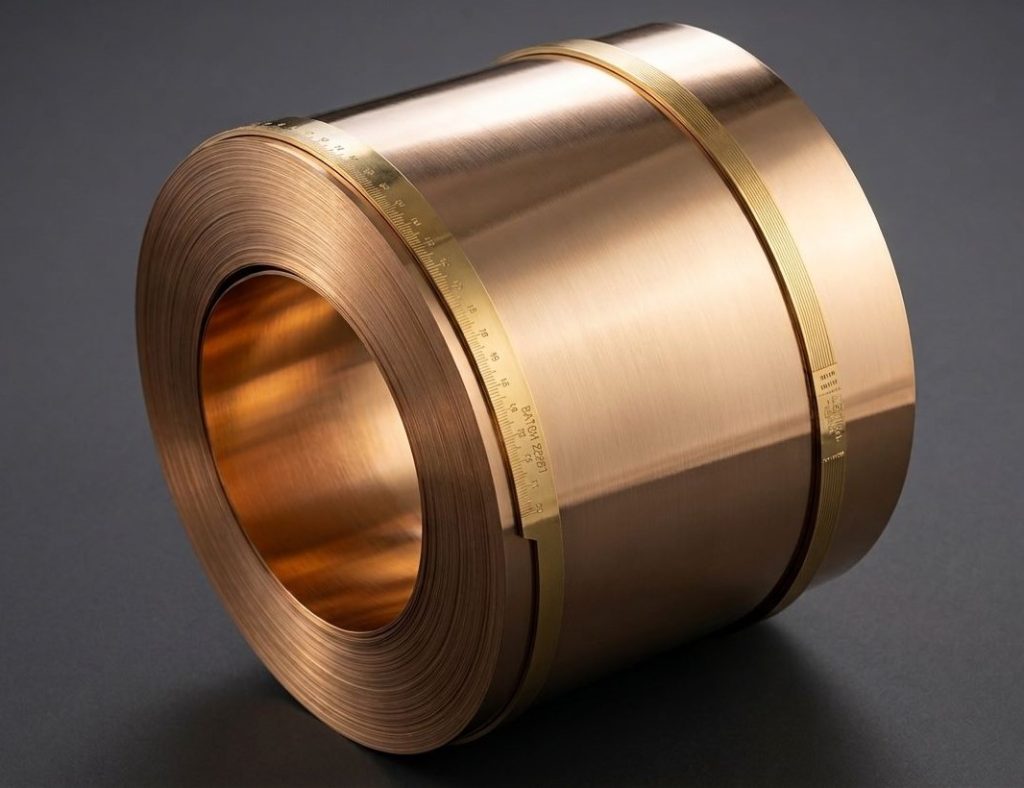
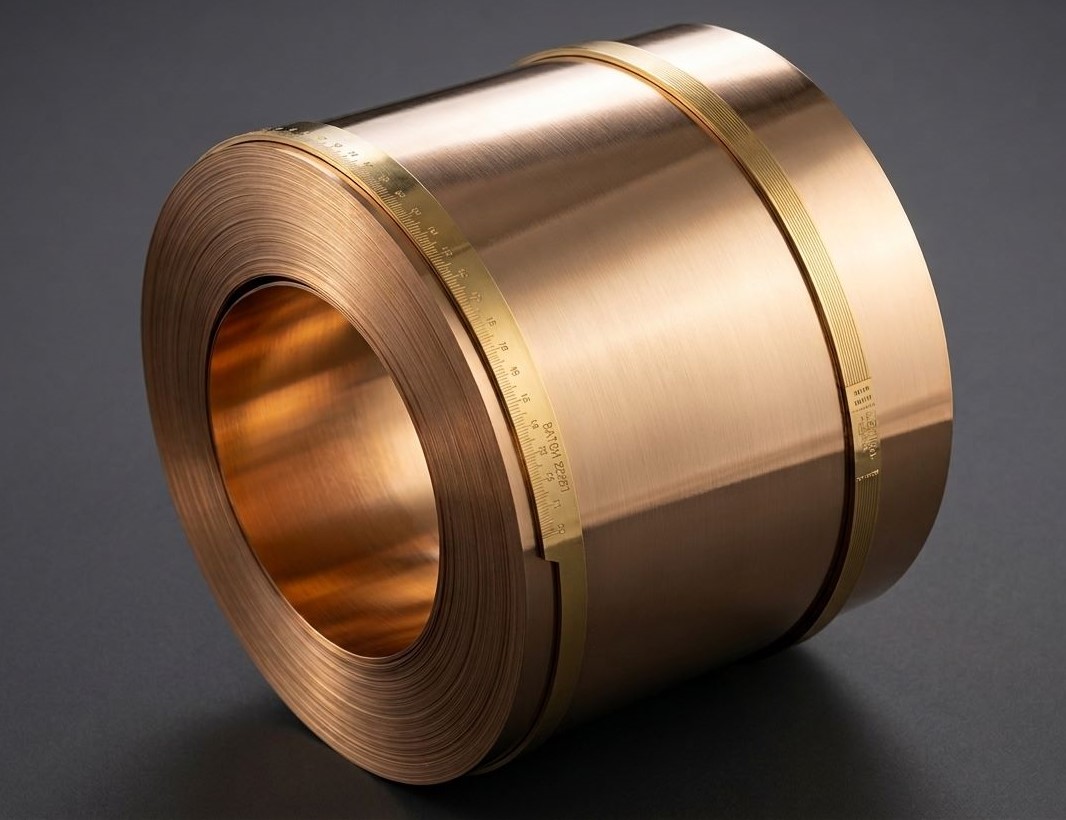
When it comes to high-voltage EV connectors, the choice of material plays a crucial role in ensuring performance and safety. You need a material that meets stringent compliance requirements and withstands demanding conditions. Beryllium copper stands out due to its exceptional properties. It offers excellent electrical conductivity, making it ideal for high-performance copper applications. This unique alloy also demonstrates remarkable mechanical strength and wear resistance, making it a reliable choice for your EV infrastructure, especially in high-performance copper scenarios.
Key Takeaways
Beryllium copper offers excellent electrical conductivity, ensuring efficient energy transfer for electric vehicles.
The material’s high mechanical strength allows it to withstand repeated use, making it reliable for connectors in demanding applications.
Beryllium copper’s wear resistance extends the lifespan of connectors, reducing maintenance costs and downtime.
Compared to aluminum, beryllium copper provides superior performance in high-voltage applications, ensuring safety and reliability.
Using beryllium copper in battery management systems enhances safety and efficiency, addressing critical needs in electric vehicle technology.
Beryllium Copper Properties
Electrical Conductivity
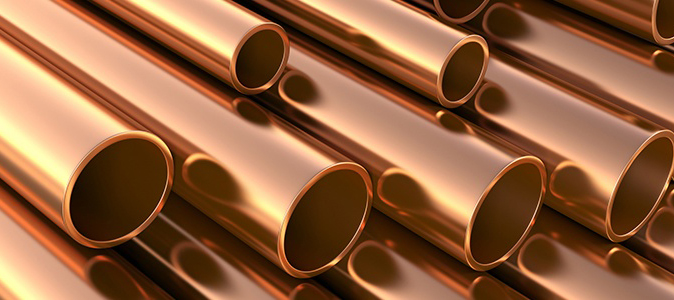
Beryllium copper is renowned for its impressive electrical conductivity, which ranges from 45% to 60% IACS (International Annealed Copper Standard) for Alloy 3. While this conductivity is lower than that of pure copper, which boasts a conductivity of 79% IACS, it still outperforms many other high-performance materials. For instance, tellurium copper and chromium zirconium copper both reach 85% IACS. However, the unique combination of conductivity and mechanical properties in beryllium copper makes it a preferred choice for high-voltage EV connectors.
Key Electrical Conductivity Comparisons:
Metal Type
Electrical Conductivity (IACS)
Beryllium Copper (Alloy 3)
45-60%
Pure Copper
79%
Tellurium Copper (C14500)
85%
Chromium Zirconium Copper (C18150)
85%
Beryllium Copper (C17200)
25%
This conductivity ensures efficient energy transfer, crucial for the performance of electric vehicles. Users in the industry have noted that connectors made from beryllium copper maintain reliable electrical contact, even under high-frequency usage scenarios.
Mechanical Strength
The mechanical strength of beryllium copper is another standout feature. With an ultimate tensile strength that can exceed 200 ksi (1380 MPa), it significantly surpasses many other copper alloys used in EV applications. This high strength allows beryllium copper to withstand the rigors of repeated use, making it ideal for micro connectors and high-cycle applications.
Mechanical Strength Highlights:
Beryllium copper is utilized in connectors, relays, and switches where mechanical stability is crucial.
It resists fatigue, ensuring consistent conductivity over repeated cycles.
Its properties make it essential in sectors like telecommunications and consumer electronics.
The material’s high yield strength provides resistance to deformation under stress, ensuring that connectors maintain their shape and function under load. Additionally, its resistance to fatigue allows it to withstand repeated stress cycles without failure, enhancing the longevity of connectors.
Wear Resistance
Beryllium copper excels in wear resistance, exhibiting minimal friction and surface damage even under heavy loads and continuous vibration. This characteristic is particularly advantageous in connector applications, where durability and reliability are paramount. The wear resistance of beryllium copper significantly extends the lifespan of connectors, reducing the frequency of replacements and maintenance costs.
Impact of Wear Resistance:
Beryllium copper enhances the durability and reliability of high-voltage EV connectors.
It leads to less downtime and better overall efficiency in high-frequency usage scenarios.
Industry experts emphasize that the wear resistance of beryllium copper contributes to improved maintenance cycles, allowing for more efficient operations in electric vehicle charging infrastructure.
High Performance Copper vs. Other Materials
Beryllium Copper vs. Aluminum
When comparing beryllium copper to aluminum, you will notice significant differences in performance that impact your choice for high-voltage EV connectors. While aluminum is lightweight and cost-effective, it falls short in several critical areas.
Property
Beryllium Copper
Aluminum
Conductivity
Excellent, nearly as good as pure copper
Good, but lower than beryllium copper
Mechanical Strength
High, suitable for high-performance use
Moderate, lightweight but less strong
Stress Relaxation
Resistant, maintains performance over time
Prone to relaxation under stress
Corrosion Resistance
Good, performs well in harsh environments
Excellent, lightweight and corrosion-resistant
Elasticity
Maintains elasticity after many uses
Less elastic compared to beryllium copper
Beryllium copper’s superior electrical conductivity ensures efficient energy transfer, which is crucial for the performance of electric vehicles. In contrast, aluminum’s conductivity, while decent, does not match the efficiency of beryllium copper. Additionally, beryllium copper’s mechanical strength allows it to withstand the rigors of high-performance applications, making it a more reliable choice for connectors that experience repeated stress.
Beryllium Copper vs. Standard Copper
When you compare beryllium copper to standard copper, the advantages become even more pronounced. Beryllium copper alloys exhibit a fatigue life that is five times greater than that of standard copper alloys. This durability is essential for applications requiring consistent performance under stress.
Advantages of Beryllium Copper:
Beryllium copper can extend the lifespan of machines and parts by 2-3 times compared to standard materials, significantly reducing maintenance costs.
It is highly resistant to oxidation and saltwater, making it ideal for automotive applications where reliability under extreme conditions is crucial.
In terms of corrosion resistance, beryllium copper outperforms standard copper, especially in automotive environments. The following table illustrates this comparison:
Material
Corrosion Resistance
Sensitivity to Stress Corrosion
Performance in Seawater
Beryllium Copper
Excellent
Low
Better than standard copper
Standard Copper
Good
Higher
Standard performance
Beryllium copper’s excellent performance in corrosive environments reduces degradation and maintenance needs, making it a preferred choice for high-voltage EV connectors.
Applications in EV Charging Infrastructure
Charging Connectors
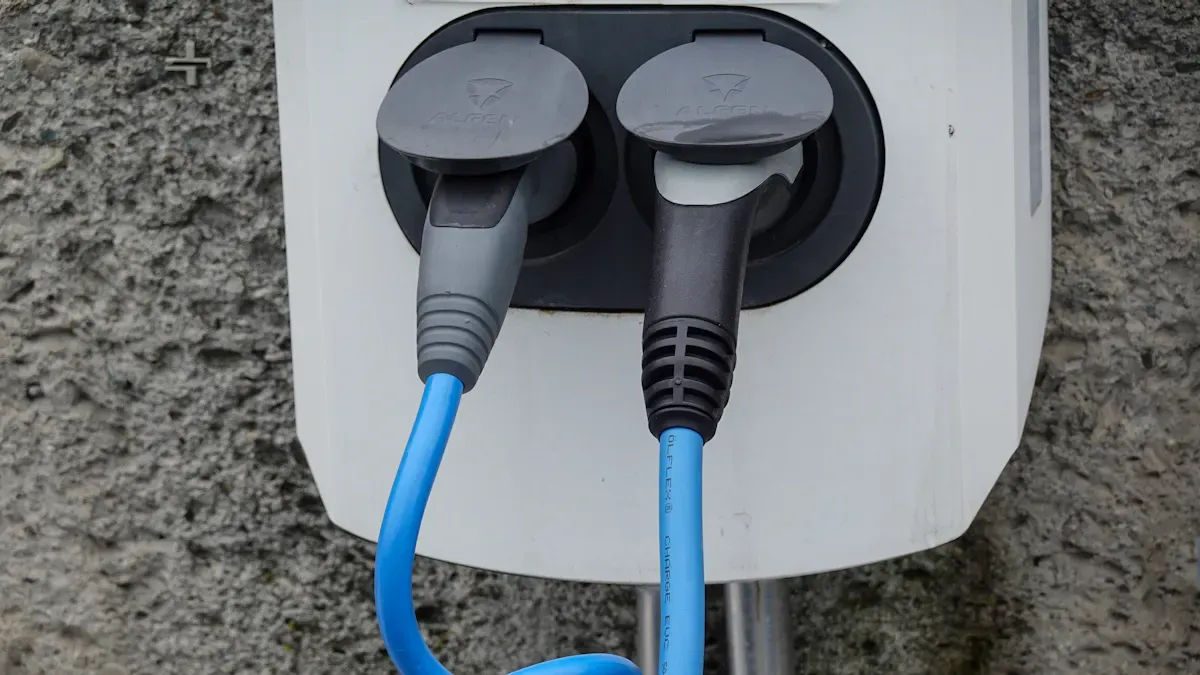
Beryllium copper plays a vital role in the development of charging connectors for electric vehicles. These connectors require materials that can handle high currents and maintain reliable performance. Beryllium copper’s excellent electrical conductivity ensures efficient energy transfer, which is crucial for fast charging applications.
Here are some common applications of beryllium copper in EV charging connectors:
Application | Description |
|---|---|
Beryllium copper contacts are used in connectors that handle power and signal pins, ensuring durability and high conductivity under extreme conditions. | |
SMT socket for low profile connections | Beryllium copper is utilized in low-profile SMT sockets, providing high conductivity and durability across a wide temperature range. |
These applications highlight how beryllium copper enhances the performance and reliability of charging connectors, meeting the demands of modern electric vehicles.
Battery Management Systems
In battery management systems, beryllium copper significantly improves electrical performance and safety. The material’s high electrical conductivity minimizes heat generation, especially under high current conditions. This feature is essential for maintaining optimal battery performance and longevity.
Consider the following advantages of using beryllium copper in battery management systems:
It exhibits superior mechanical properties, including less stress relaxation and better heat resistance compared to phosphor bronze, enhancing overall safety and performance.
The material’s performance is validated through testing methods like the Larson-Miller method, ensuring reliability over time.
By integrating beryllium copper into battery management systems, manufacturers can enhance the safety and efficiency of electric vehicles, addressing critical market demands.
Safety and Reliability of Copper Connectors
Thermal Stability
Thermal stability is crucial for the safety of high-voltage EV connectors. You want to ensure that the temperature rise of high-current connectors remains below 30°C, ideally below 20°C for long-term reliability. Beryllium copper minimizes heat generation due to its low resistance properties. Here are some key factors to consider:
Temperature Management: Effective design features, such as larger contact areas and optimized heat dissipation structures, help reduce temperature rise.
Material Integrity: Excessive heat can lead to material degradation, which compromises connector performance.
Internal Resistance: High internal contact resistance contributes to heating, especially in high-temperature environments. This can exceed the material’s maximum working temperature.
By utilizing beryllium copper, you enhance the thermal stability of your connectors, ensuring they perform reliably even during rapid charging scenarios.
Fatigue Resistance
Fatigue resistance is another critical aspect of beryllium copper connectors. Under high-cycle loading conditions, these connectors demonstrate remarkable durability. The following table illustrates the fatigue strength comparison of various beryllium copper alloys against phosphor bronze:
Alloy Type | Fatigue Strength Comparison |
|---|---|
Beryllium Copper 25 | 8 times longer durability than phosphor bronze |
Beryllium Copper 11 | Slightly higher than phosphor bronze |
Beryllium Copper 7 | Slightly higher than phosphor bronze |
Beryllium copper connectors provide excellent electrical conductivity and high durability. These properties ensure stable performance under high currents, reducing contact resistance. Multi-finger contact designs further minimize resistance, which is critical for efficient power transfer in electric vehicles.
Beryllium copper emerges as the ultimate choice for high-voltage EV connectors due to its exceptional properties. This material offers:
Performance Benefit | Description |
|---|---|
Beryllium copper provides high current-carrying capacity essential for battery connections. | |
Mechanical Reliability | Maintains performance under mechanical stress, ensuring durability in critical applications. |
Thermal Cycling Resistance | Performs well under thermal cycling, crucial for battery charging and high-power operations. |
By choosing beryllium copper, you enhance the performance, safety, and reliability of your electric vehicle systems, ultimately reducing long-term maintenance costs.
FAQ
What is beryllium copper used for in electric vehicles?
Beryllium copper is primarily used in high-voltage connectors, charging systems, and battery management systems. Its excellent electrical conductivity and mechanical strength make it ideal for these applications.
How does beryllium copper compare to standard copper?
Beryllium copper offers superior fatigue resistance and corrosion resistance compared to standard copper. It also has a longer lifespan, making it more reliable for high-performance applications.
Is beryllium copper safe to use?
Yes, beryllium copper is safe when handled properly. It meets industry safety standards and provides reliable performance in high-voltage applications, ensuring safety for electric vehicle users.
Can beryllium copper withstand extreme temperatures?
Absolutely! Beryllium copper maintains its mechanical properties and electrical conductivity even under extreme temperatures. This thermal stability is crucial for high-performance electric vehicle applications.
Why should I choose beryllium copper over aluminum?
Beryllium copper offers better electrical conductivity, mechanical strength, and fatigue resistance than aluminum. These properties ensure more reliable performance in high-voltage EV connectors, making it the superior choice.