
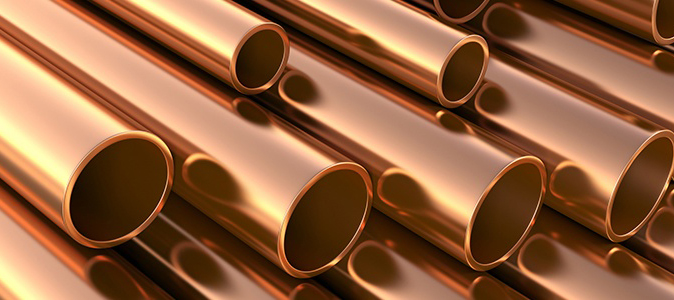
In industrial relays, picking the right material is very important. You should choose materials that last longer and work well. High-strength beryllium copper is special because of its unique features. This material has much less stress relaxation than phosphor bronze. This means it keeps a steady contact force over time. It also has higher fatigue strength. This allows it to last up to eight times longer than other materials. Beryllium copper has great electrical conductivity. This reduces heat, making it perfect for high-current uses. Choosing the right material can greatly affect your work.
Key Takeaways
High-strength beryllium copper can last eight times longer than other materials. This makes it a smart choice for industrial relays.
This material resists corrosion very well. It ensures reliable performance even in tough places like seawater.
Beryllium copper is very strong. This allows for smaller parts without losing safety or performance.
Regular maintenance is important. Visual checks and monitoring contact resistance help beryllium copper parts last longer.
Choosing beryllium copper can save money over time. Its durability means fewer replacements are needed.
Beryllium Copper Properties
Mechanical Strength
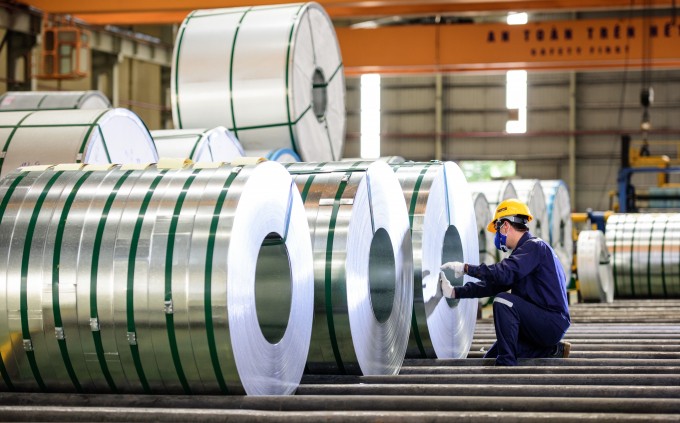
Beryllium copper is known for its strong mechanical strength. This makes it a great choice for industrial uses. This alloy has important features that improve its performance in switches and relays:
Property | Value Range |
|---|---|
High Ductility and Elongation | 15% to 30% |
Modulus of Elasticity | 125 to 130 GPa |
Shear Modulus | ~50 GPa |
High Wear Resistance | Excellent |
Stress Relaxation Resistance | Low rates |
High-Temperature Strength | Up to 350°C |
Low Creep Rate | Minimal deformation |
Tensile Strength | Exceeds 200,000 psi |
Beryllium copper has a yield strength of about 900–1100 MPa. Its tensile strength is between 1100–1400 MPa. This strength helps your relays keep good electrical connections, even when under stress. The alloy’s great fatigue resistance lets it handle many cycles of use without breaking.
Corrosion Resistance
Corrosion resistance is another important feature of beryllium copper. This alloy, especially the C17200 type, works well in tough conditions. Here are some key facts about its corrosion resistance:
Beryllium copper resists corrosion in hard situations, like seawater and down-hole areas.
It can handle stress corrosion cracking from sulfides or chlorides.
The alloy also fights against damage from carbon dioxide and hydrogen embrittlement.
These features help your industrial relays work well for a long time, even in wet and polluted places. When silver plated, beryllium copper has better corrosion resistance, which helps your relays last longer.
Advantages of Beryllium Copper Strips
Durability and Longevity
Beryllium copper strips are very strong and last a long time. This makes them great for industrial relays. Their high tensile strength helps them handle repeated stress without breaking. This strength keeps your relays working well over time.
Here are some important features that help beryllium copper strips be durable:
Property | Benefit |
|---|---|
High tensile strength | Gives durability and handles repeated stress well. |
Corrosion resistance | Keeps working and looking good over time, even in tough conditions. |
Excellent spring properties | Provides even pressure and smooth operation in switches, which helps them last longer. |
Beryllium copper strips are better than brass in strength and fatigue resistance. Brass can corrode and weaken, but beryllium copper stays strong. This means your relays work well even in hard situations.
Cost-Effectiveness
Buying beryllium copper strips can save you money over time. The first cost might be higher than brass, but their strength and long life mean you won’t need to replace them often. This saves you money on materials and labor for repairs.
Also, the high yield strength of beryllium copper lets you make smaller parts. You can design compact components without losing safety or performance. This makes manufacturing easier and lowers overall production costs.
Applications in Switches and Relays
Performance in High-Cycle Environments
Beryllium copper is great for high-cycle environments. This makes it a top choice for many uses. This alloy can handle repeated stress cycles without cracking. This is very important for parts that face constant mechanical stress. After proper treatment, beryllium copper can reach a tensile strength of 1250–1500 MPa. It also has a hardness of HRC 36 to 44. These features help it survive strong impacts and twisting forces.
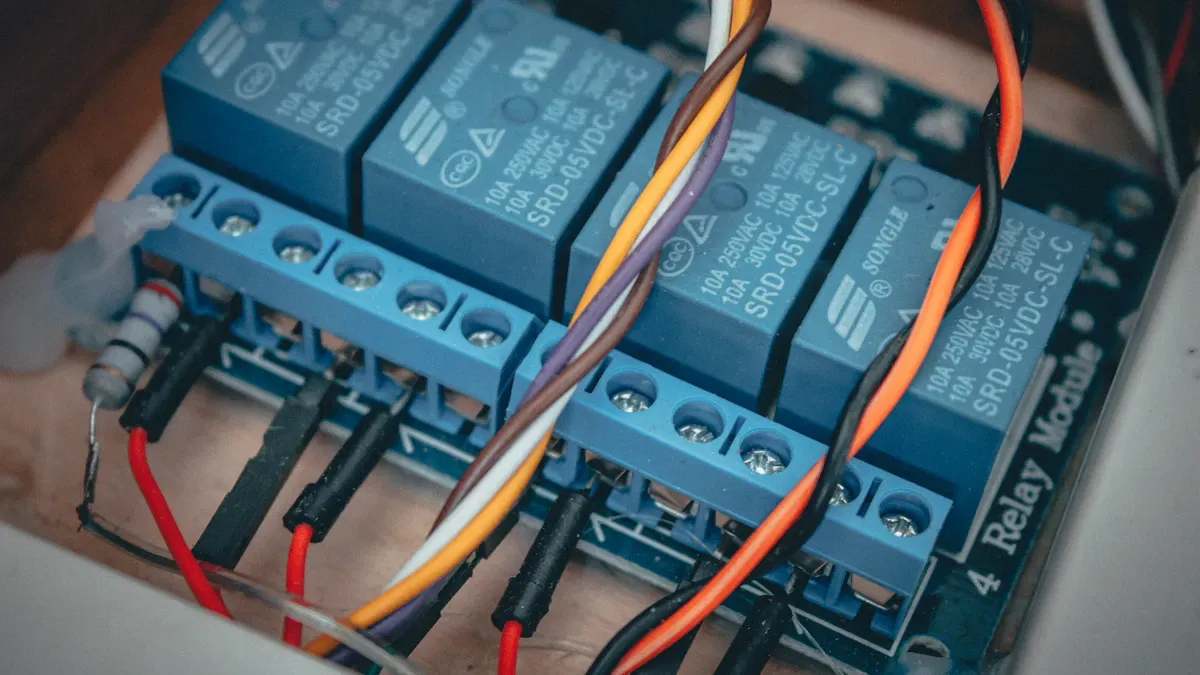
Beryllium copper keeps a strong contact force and carries current well over long periods. This is better than other materials. This makes it perfect for high-quality switch uses, like:
Micromotors: Beryllium copper works reliably in small motors for efficient operation.
Connectors: The alloy’s precision and strength are key for sending electrical current in devices.
Switches: Beryllium copper’s high conductivity and strength make electrical switches more reliable.
Relays: The material’s great fatigue resistance helps relays work well over time.
Case Studies
Many case studies show how well beryllium copper works in real-life uses. For example, a top car maker switched to beryllium copper for their relay parts. They saw a big drop in failure rates. This led to better reliability in their cars. The maker found that beryllium copper relays worked better than older materials, especially in high-cycle environments with constant stress.
Another case was a telecom company that used beryllium copper connectors in their networks. They saw better signal transmission and lower maintenance costs. The strength of beryllium copper helped them reduce downtime. This is very important in the fast-moving electronics world.
These examples show how beryllium copper improves performance and helps save money and increase efficiency in many applications.
Best Practices for Implementation
Design Considerations
When you design with beryllium copper, think about some important factors. First, pay attention to the elastic modulus and fatigue resistance. These features make beryllium copper great for the main structure in relays. You need to keep contact pressure steady during frequent use. To do this, make sure to rivet the parts accurately.
Also, think about how you will make the parts. Methods like stamping and in-mold assembly are key for building reliable spring assemblies. These techniques help reduce mistakes during assembly. The armature structure should balance magnetic strength and mechanical strength. This balance helps keep things stable, especially in places with a lot of vibrations.
Here’s a summary of important design considerations:
Design Factor | Importance |
|---|---|
Elastic Modulus | Helps the parts work well under stress. |
Riveting Precision | Keeps contact pressure steady. |
Lowers assembly mistakes and boosts reliability. | |
Armature Structure | Balances strength and magnetic features for stability. |
Maintenance Tips
To help beryllium copper parts last longer, you should do regular maintenance. Start by checking operating parameters often. This helps you find problems early. Regularly check contact resistance to spot any wear or dirt. It’s also important to monitor coil current to catch insulation issues.
Visual checks are very important. Look for signs of discoloration, overheating, and rust. Clean contacts regularly using the methods suggested by the manufacturer. This can stop buildup that affects how well they work. If you see big increases in resistance or wear, think about replacing the relays.
Here are some effective maintenance tips:
Do regular visual checks.
Measure contact resistance often.
Watch coil current for insulation problems.
Clean contacts regularly.
Replace parts that show wear.
By following these best practices, you can make sure your beryllium copper parts work well and last longer in tough situations.
Using high-strength beryllium copper in industrial relays has many benefits. These advantages help improve performance and lifespan. Here are the main benefits:
Benefit | Description |
|---|---|
It is as strong as steel but still conducts heat and electricity well. | |
Safety in hazardous environments | It does not spark or attract magnets, making it safe for mines and oil rigs. |
Durability and wear resistance | It can resist wear and fatigue, which helps it last longer in different uses. |
Temperature versatility | It keeps its strength in both hot and cold conditions. |
Precision machining | It can be shaped into complex designs with exact measurements. |
Non-magnetic instrumentation | It does not interfere with magnetic sensors, making it good for sensitive tools like MRI machines. |
By choosing beryllium copper, you make sure your relays work well and last longer, even in tough situations.
FAQ
What is beryllium copper used for in industrial applications?
Beryllium copper is often used in micro-motor brushes, switches, relays, connectors, and springs. Its strong nature and great conductivity make it perfect for jobs that need durability and reliability.
How does beryllium copper compare to brass?
Beryllium copper is stronger than brass. It also resists fatigue and corrosion better. This makes it a more dependable choice for tough environments, ensuring it lasts longer in industrial relays.
Can beryllium copper be recycled?
Yes, you can recycle beryllium copper. Recycling cuts down on waste and saves resources. You can take it to special places that recycle copper alloys.
What maintenance is required for beryllium copper components?
You need to do regular visual checks, watch contact resistance, and clean contacts. These steps help find wear and keep everything working well over time.
Is beryllium copper safe to use?
Beryllium copper is usually safe when you handle it correctly. But, don’t breathe in dust from machining. Always follow safety rules to lower exposure risks.