
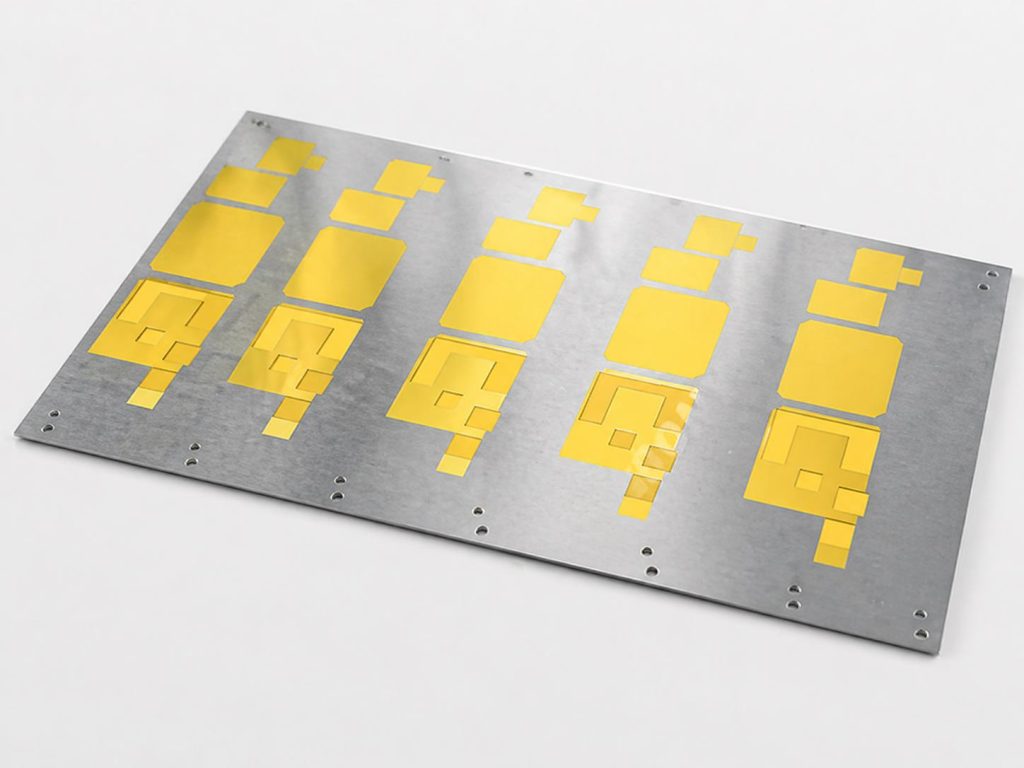
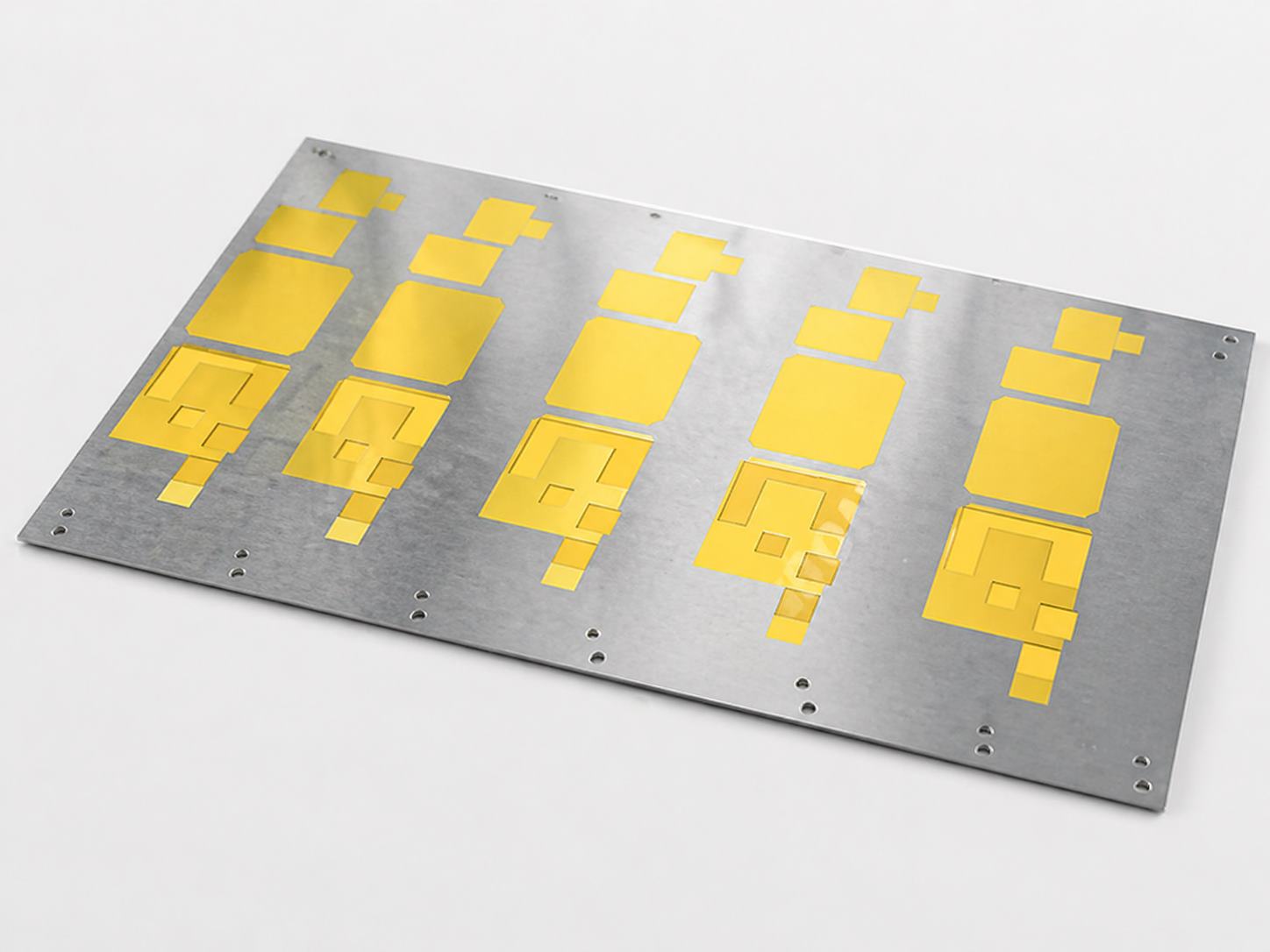
The concept of free-form selective plating on metal strip transforms modern manufacturing. This innovative technique allows you to apply coatings precisely where needed, minimizing waste and maximizing efficiency. By adopting free-form selective plating, you can significantly reduce costs associated with material usage. This method not only enhances production processes but also supports sustainable manufacturing practices. Embracing this technology positions you ahead in a competitive market.
Key Takeaways
Free-form selective plating minimizes material waste by applying coatings only where needed, leading to significant cost savings.
This innovative technique enhances production speed, with many manufacturers reporting up to a 30% increase in efficiency.
Selective plating improves product quality by providing tailored coatings, resulting in fewer defects and higher customer satisfaction.
Adopting selective plating supports sustainable manufacturing practices by reducing hazardous waste and emissions.
Industries like electronics and aerospace benefit greatly from selective plating, improving performance while lowering costs.
Free-Form Selective Plating Process
Techniques Used
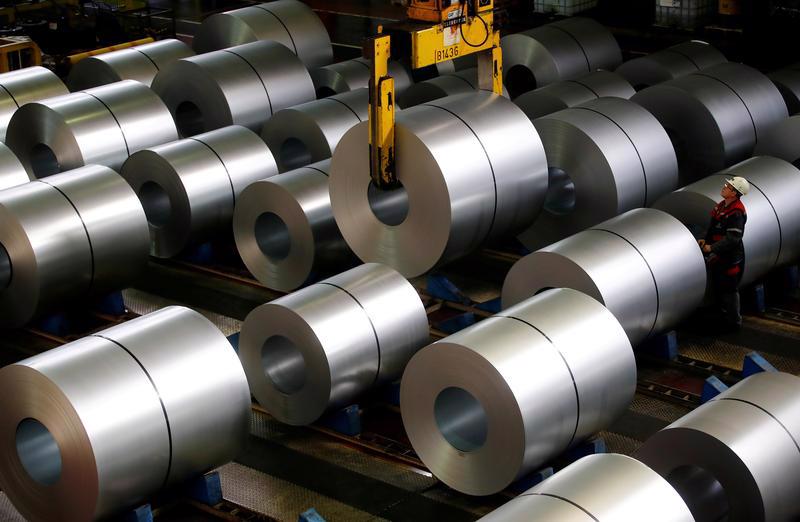
The free-form selective plating process employs advanced electroplating techniques to achieve precise coatings on metal strips. This method allows you to apply coatings only where necessary, significantly reducing material waste. Key technologies involved in this process include:
Laser Ablation: This technique uses a laser operating in the U.V. range to remove plating resist. It enables you to apply precious metals like gold to specific areas, enhancing electrical conductivity.
Mixed Acid Etchants: By controlling the ratios of acid and water, you can achieve optimal results in surface preparation.
Dip Processes: These processes prevent unwanted metallization on racks, ensuring that only the desired areas receive the coating.
Chromium-Free Solutions: Transitioning from traditional chrome processes to more environmentally friendly options aligns with sustainability goals.
Benefits of Selective Plating
Selective plating offers numerous advantages that enhance both efficiency and sustainability in manufacturing. Here are some key benefits:
Benefit | Explanation |
|---|---|
Selective plating allows for more efficient use of materials compared to traditional methods. | |
Reduced waste | This efficiency leads to a significant reduction in waste generated during the plating process. |
Lower environmental impact | The process minimizes hazardous waste and emissions, contributing to a lower overall environmental footprint. |
Additionally, selective plating improves production efficiency. For instance, a case study revealed that redesigning a contact feature to include a selectively pre-plated gold dimple limited the use of expensive materials. This approach not only reduced costs but also enhanced overall production efficiency. The flexibility of selective plating allows operators to meet plating requirements on-site, minimizing downtime and associated costs.
Cost-Saving Advantages of Metal Plating
Material Efficiency
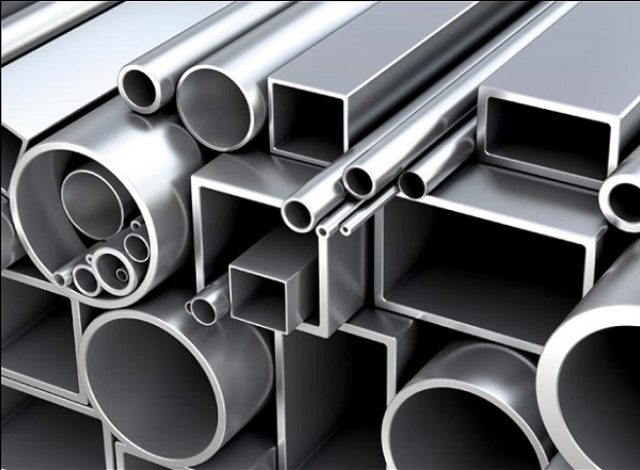
Selective plating significantly enhances material efficiency in metal plating processes. By applying coatings only to necessary areas, you minimize waste and optimize resource usage. Here are some key points regarding material efficiency:
Selective plating reduces material consumption by applying plating materials only to necessary parts, minimizing waste.
This method can lead to significant savings on material costs, especially for expensive materials like gold or palladium.
By focusing on specific areas, selective plating also reduces energy consumption, further lowering overall costs.
The impact of this efficiency is profound. For instance, when you switch from traditional full plating to selective plating, you can expect an average reduction in material usage of up to 50%. This reduction not only cuts costs but also aligns with sustainable manufacturing practices.
Production Speed
In addition to material efficiency, selective plating enhances production speed. The streamlined process allows for quicker turnaround times, which is crucial in today’s fast-paced manufacturing environment. Here’s how selective plating improves production speed:
Reduced Setup Time: With free-form selective plating on metal strip, you eliminate the need for complex setups associated with traditional plating methods. This reduction in setup time accelerates the overall production process.
On-Site Adjustments: The flexibility of selective plating enables you to make on-site adjustments to plating requirements. This adaptability minimizes downtime and keeps production flowing smoothly.
Faster Processing: The advanced technologies used in selective plating, such as laser ablation and dip processes, allow for rapid application of coatings. This speed translates to higher output rates and improved efficiency.
By adopting selective plating techniques, you can significantly enhance your production capabilities. Many manufacturers report a 30% increase in production speed after implementing selective plating processes. This improvement not only boosts your output but also reduces labor costs associated with prolonged production cycles.
Comparing Free-Form Selective Plating to Traditional Methods
Cost Analysis
When you compare free-form selective plating on metal strip to traditional plating methods, the cost differences become evident. Selective plating significantly reduces material consumption by depositing metal only on specific areas. This targeted approach leads to lower production costs. Here are some key points to consider:
Material Savings: Selective plating minimizes waste by applying coatings only where necessary. This efficiency can lead to savings of up to 50% in material costs, especially when using expensive metals like gold or palladium.
Reduced Equipment Costs: Electroless plating methods eliminate the need for costly equipment associated with traditional plating. This reduction in capital investment contributes to overall cost savings.
Faster Processing Times: Techniques such as laser patterning enhance material utilization while ensuring optimal electrical performance. The streamlined process reduces production time, further lowering operational costs.
Aspect | Free-Form Selective Plating | Traditional Plating |
|---|---|---|
Material Consumption | Reduced by up to 50% | Higher due to full coverage |
Equipment Investment | Lower, due to less complex setups | Higher, requiring extensive machinery |
Processing Time | Faster, leading to increased output | Slower, due to complete submersion |
Quality Enhancements
The quality enhancements from free-form selective plating significantly affect product performance and longevity. By improving surface finish quality, you reduce errors and increase assembly efficiency. Here’s how selective plating enhances quality:
Selective plating allows for a smoother surface finish, which not only enhances aesthetics but also provides better protection against wear and tear. This precision reduces assembly complications, as parts fit together more accurately. Consequently, you minimize the risk of faulty assemblies, improving overall durability.
Moreover, the targeted application of plating reinforces specific areas against wear and corrosion. This enhancement ensures that parts maintain their functionality within the assembly over time. As a result, you achieve a longer lifespan for your products, which translates into lower long-term maintenance costs.
Defect Rates: Selectively plated products generally exhibit fewer defects compared to those made with traditional plating. This reduction leads to decreased labor costs due to less time spent on fixing issues.
Customer Satisfaction: Enhanced durability and reduced maintenance costs contribute to higher customer satisfaction levels. Customers appreciate the longevity and reliability of products made with selective plating.
Aspect | Selective Plating | Traditional Plating |
|---|---|---|
Durability | Enhanced lifespan due to tailored coatings | General durability without specific tailoring |
Cost Efficiency | Reduced material use and maintenance costs | Higher material usage and potential maintenance costs |
Environmental Impact | Minimizes waste and chemical runoff | Often results in excessive waste and runoff |
Successful Implementations in Industry
Industry Applications
Free-form selective plating on metal strip has found applications across various industries, showcasing its versatility and effectiveness. Here are some key sectors benefiting from this innovative technology:
Industry | Reported Benefits |
|---|---|
Electronics | Cost reduction, improved performance, enhanced corrosion resistance |
Medical Devices | Reliable conductivity, wear and corrosion protection, biocompatibility |
Aerospace | Ability to meet stringent environmental regulations, improved performance |
In the electronics sector, manufacturers report significant cost savings and enhanced product performance. The selective application of coatings improves corrosion resistance, which is crucial for electronic components. In medical devices, the technology ensures reliable conductivity and biocompatibility, essential for patient safety. The aerospace industry benefits from the ability to meet strict environmental regulations while enhancing overall performance.
Case Study Results
Several case studies illustrate the measurable outcomes of implementing free-form selective plating. For instance, a leading electronics manufacturer adopted this technology to improve their production line. They reported a 30% reduction in material costs and a 25% increase in production speed after switching from traditional plating methods. This transition not only streamlined their operations but also enhanced product reliability.
Another case study in the medical device industry highlighted the advantages of selective plating. A company specializing in surgical instruments implemented this technology and achieved a 40% reduction in defects. The targeted application of coatings improved the durability of their products, leading to higher customer satisfaction and lower long-term maintenance costs.
These examples demonstrate how free-form selective plating can transform manufacturing processes, addressing market demands and customer pain points associated with traditional plating methods. By adopting this innovative approach, you can enhance efficiency, reduce costs, and improve product quality.
Bonysn Technical Specifications and Processing Capabilities
Processing Thickness 0.009–2.0mm, Width 4–620mm
Bonysn offers an impressive processing thickness range from 0.009mm to 2.0mm, with widths varying from 4mm to 620mm. This flexibility aligns with industry standards for selective plating, ensuring you receive high-quality products tailored to your specific needs.
Processing Thickness Range | Industry Standard Comparison |
|---|---|
0.009–2.0mm | Aligns with industry standards for selective plating |
Precise Coating Thickness Control, Uniformity ±0.1μm
Precision is a hallmark of Bonysn’s selective plating process. You can expect coating thickness control with a uniformity of ±0.1μm. This level of precision enhances the durability of your products and improves the quality of surface finishes. The targeted application of coatings minimizes errors, which is crucial for the reliability of the final product.
The precision in Bonysn’s selective plating process enhances the durability of products.
It improves the quality of surface finishes, leading to better aesthetics and performance.
Targeted application of coatings minimizes errors, which is crucial for the reliability of the final product.
The process facilitates efficient assembly, reducing the likelihood of errors during manufacturing.
Monthly Production Capacity of 200 Tons, Supporting Large-Scale Manufacturing
Bonysn’s ability to produce 200 tons of metal strips and sheets monthly ensures a steady and dependable supply for industries that require large quantities, such as electronics and automotive. This production level not only supports the high demand of large-scale manufacturing but also enhances efficiency and reduces costs associated with production.
Industry Type |
|---|
Computer |
Consumer Electronics |
Communication |
Car |
With these capabilities, Bonysn stands out as a leader in high-precision electroplating, ready to meet the demands of various high-demand industries.
In summary, free-form selective plating on metal strip offers significant cost-saving advantages and enhances manufacturing processes. By applying coatings only where needed, you reduce material waste and lower raw material costs. The ability to perform selective plating in situ minimizes downtime, allowing for faster production rates—up to 60 times quicker than traditional methods.
Consider these key benefits:
Targeted application reduces material waste.
Faster deposition rates lead to increased efficiency.
Reduced downtime lowers overall production costs.
As you explore future trends, keep an eye on advancements like nanotechnology integration and sustainable practices. These innovations will further enhance the capabilities of selective plating, making it a valuable option for your manufacturing needs.
FAQ
What is free-form selective plating?
Free-form selective plating is a technique that applies coatings only to specific areas of a metal strip. This method minimizes material waste and enhances production efficiency, making it a cost-effective solution for manufacturers.
How does selective plating save costs?
Selective plating saves costs by reducing material consumption, lowering equipment investment, and speeding up production times. You can achieve savings of up to 50% on materials, especially when using expensive metals.
What industries benefit from this technology?
Industries such as electronics, aerospace, and medical devices benefit significantly from free-form selective plating. This technology improves product performance, reduces costs, and meets stringent regulatory requirements.
Can selective plating improve product quality?
Yes, selective plating enhances product quality by providing a smoother surface finish and tailored coatings. This precision reduces defects and increases durability, leading to higher customer satisfaction.
What are the environmental benefits of selective plating?
Selective plating minimizes hazardous waste and emissions compared to traditional methods. This environmentally friendly approach supports sustainable manufacturing practices and reduces your overall environmental footprint.
See Also
Innovative Moldless Plating Techniques for Ultra-Thin Gold Strips
Revolutionary Selective Plating Without Dies Speeds Up Prototyping
Cost-Effective Mold-Free Plating Solutions Available in Vietnam
Reducing Gold Plating Expenses in I/O Interfaces Using Moldless Methods
Achieving Cost Efficiency Through Expert Reel-to-Reel Plating