
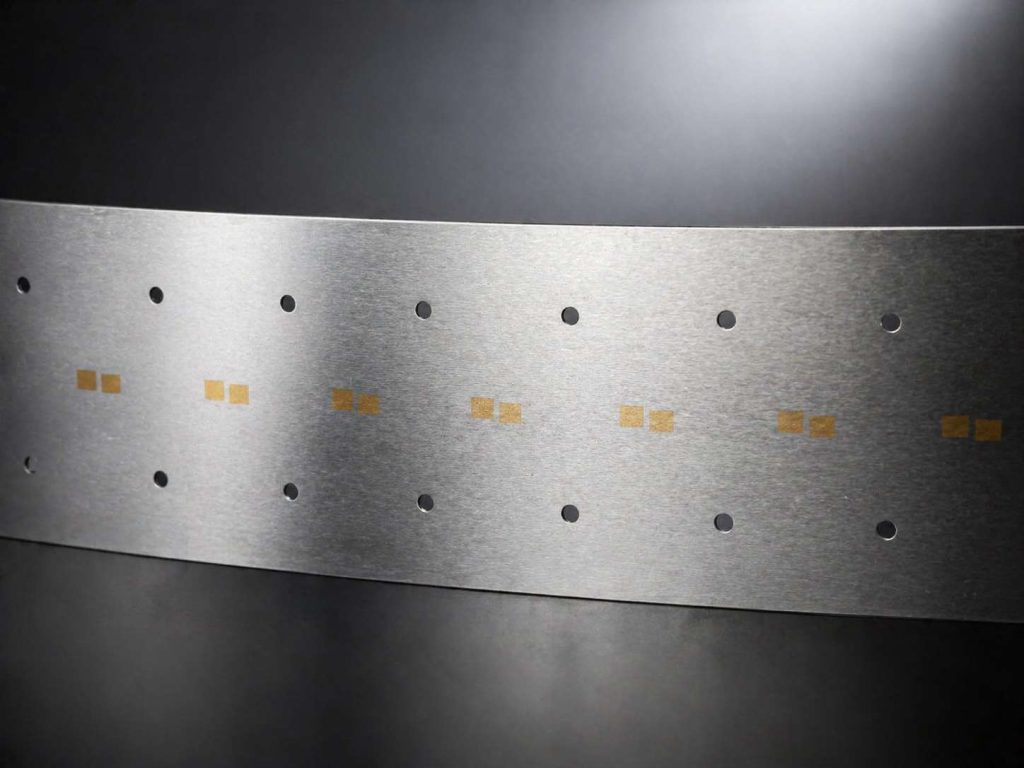
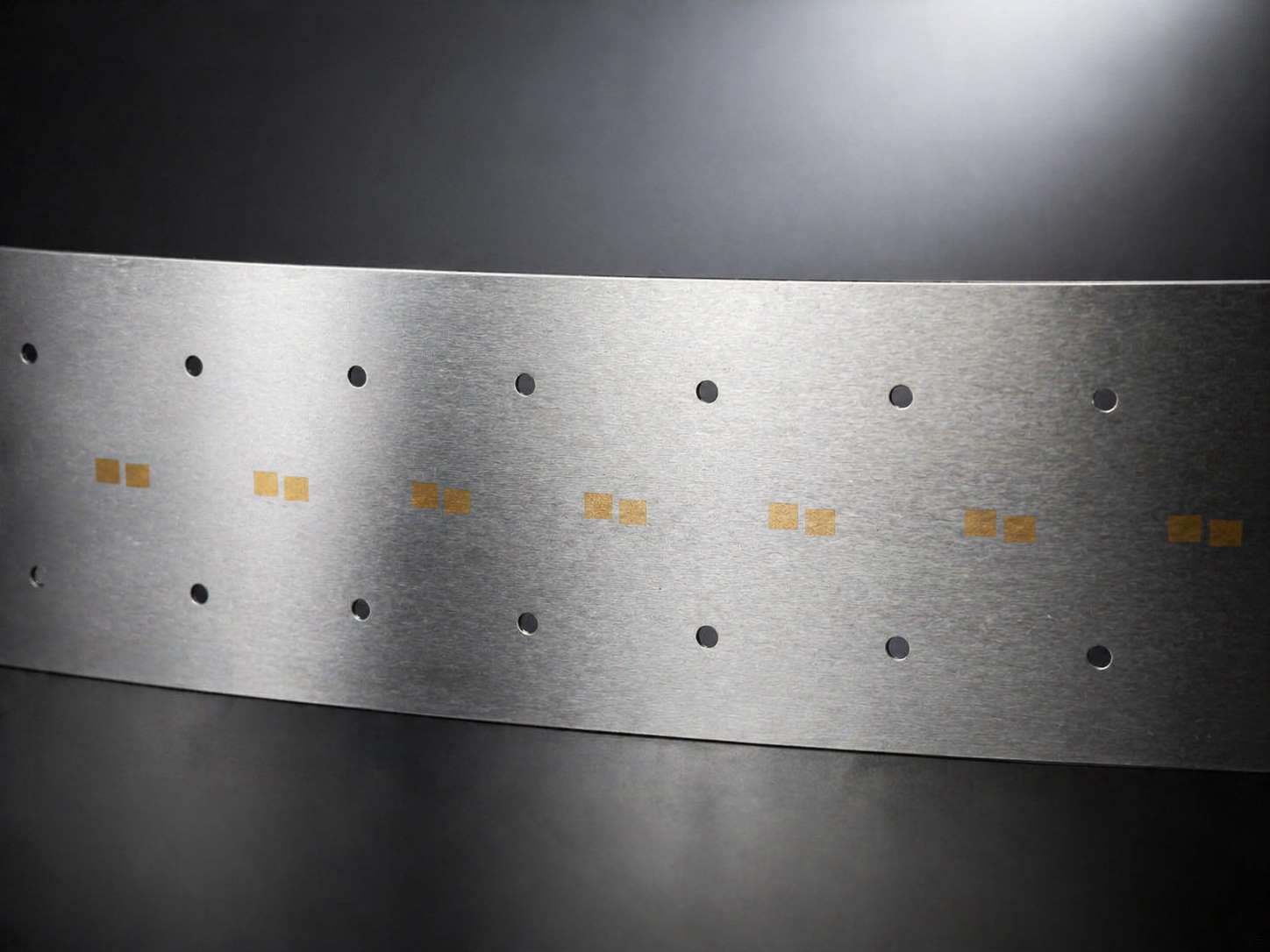
Hydrogen fuel cells are becoming popular in today’s energy world. The global market is worth about 14.3 billion USD in 2023 and is expected to grow by 21.5% by 2030. This growth mainly comes from transportation, which makes up 65% of the market. Efficiency rates for hydrogen fuel cells are now between 60-70%, significantly better than traditional internal combustion engines. As you learn about new developments in this area, it is important to understand bipolar plates and new reel-to-reel etching methods. These advancements help improve overall performance.
Key Takeaways
Bipolar plates are very important for hydrogen fuel cells. They greatly affect how well the cells work.
The reel-to-reel etching process makes production faster and better. This method is a smart choice for making bipolar plates.
Continuous etching helps create precise designs. This reduces waste and boosts the efficiency of hydrogen fuel cells.
It is important to fix common etching problems, like surface defects. This helps keep fuel cells working well.
Spending money on better bipolar plate technology can improve strength and dependability in hydrogen fuel cells. This meets what the market needs.
Role of Bipolar Plates
Function in Fuel Cells
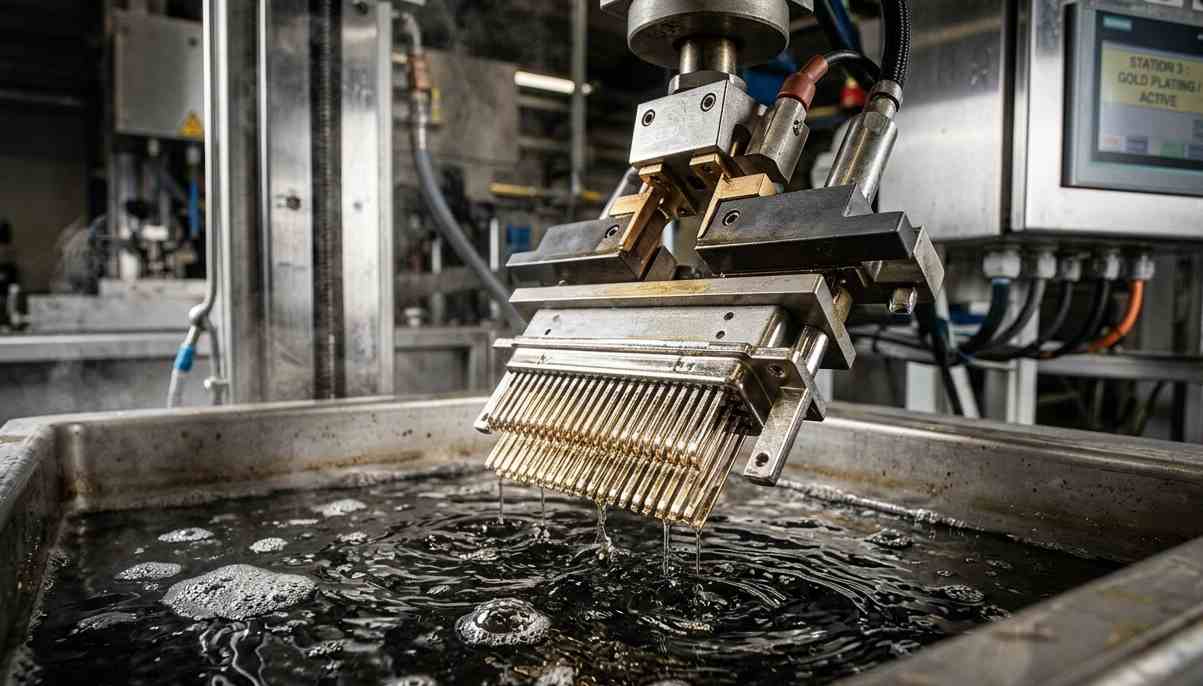
Bipolar plates are very important for hydrogen fuel cells. They have many jobs that help the fuel cell stack work well. Here are their main jobs:
Function | Description |
|---|---|
Electrical connection | Links the anode of one cell to the cathode of the next cell. |
Gas distribution | Sends hydrogen and oxygen gases to the reaction area. |
Cooling and sealing | Controls heat and seals the cells to stop gas leaks. |
Gas supply | Provides reactant gases (H2 and O2) to the membrane-electrode assemblies. |
Water management | Manages the removal of water vapor made during the reaction. |
Electrical conduction | Carries electrical current between nearby cells in the stack. |
These jobs make sure the fuel cell works well. If bipolar plates are not designed well, the whole fuel cell stack might not work as good.
Efficiency Impact
The design and quality of bipolar plates greatly affect how well hydrogen fuel cells work. A good bipolar plate can really boost performance. For example, research shows that better bipolar plate design can increase power density by 81%. Also, the gravimetric efficiency can reach 7.5 kW/kg, showing how important these parts are for fuel cell efficiency.
By making sure gases are distributed properly and reducing resistance, bipolar plates help keep the fuel cell stack working well. This means better fuel cell efficiency, allowing more energy from the same amount of hydrogen. As you learn about hydrogen technology, remember that bipolar plates are key for high-performance fuel cells.
Reel-to-Reel Etching Process
Techniques and Materials
The reel-to-reel etching process is a big step forward in making bipolar plates for hydrogen fuel cells. This method allows for fast production while keeping high quality. Here are some benefits of this process:
Efficiency: The continuous process of reel-to-reel etching cuts down production time compared to older methods.
Cost-Effectiveness: It reduces waste and increases output, which lowers overall costs.
Versatility: It works with different bipolar plate materials, like metals and composites, making it useful for many fuel cell designs.
Common materials used in this process are:
Metals:
Stainless Steel: A budget-friendly choice that has good conductivity and resists rust.
Aluminum: Light and good for places where weight matters.
Titanium: Known for being strong and lasting a long time.
Graphite: Great for heavy-duty uses where cost is important.
Composites: Polymeric composites balance cost, rust resistance, and flexibility.
Precision and Accuracy
Precision is key in the reel-to-reel etching process. This method achieves great accuracy, which is important for bipolar plates. Here’s how it stacks up against traditional etching methods:
Feature | Reel-to-Reel Etching | Traditional Etching |
|---|---|---|
Maximum Precision | ±0.005mm | Varies |
Burr Precision | Zero burr precision products | Often produces burrs |
Efficiency | Significantly improves | Lower efficiency |
Cost Reduction | Reduces costs | Higher costs |
Defect Rates | Low defect rates | Higher defect rates |
The reel-to-reel etching process can achieve very fine accuracy. This allows for making complex patterns without changing shape. This careful processing ensures consistent quality, making it perfect for mass production. As expert Dr. Jane Smith says, “The precision of reel-to-reel etching not only improves the performance of bipolar plates but also meets the rising needs of the hydrogen fuel cell market.”
By using this advanced etching technology in your production, you can expect better efficiency, lower costs, and higher product quality.
Benefits of Continuous Etching
Cost-Effectiveness
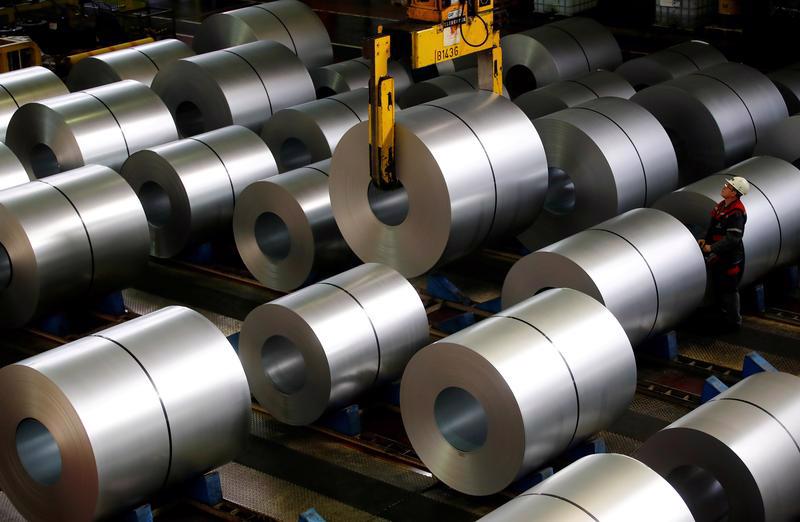
Continuous etching has many cost benefits for making bipolar plates. This method helps you create detailed designs without the stress that older methods cause. Here are some important benefits:
High-Precision Channels: You can make complex patterns that improve performance without damaging the material.
Low-Cost Digital Tooling: This cuts out initial setup costs, lowering your total production costs.
Material Optimization: Continuous etching reduces waste, saving material.
The table below shows these benefits:
Benefit | Description |
|---|---|
High-Precision Channels | Makes detailed designs without stress, keeping material safe. |
Low-Cost Digital Tooling | Removes initial setup costs, lowering total production costs. |
Material Optimization | Cuts down waste, saving money on materials. |
Scalability | Helps move from low to high-volume production easily. |
Scalability
Scalability is another big benefit of continuous etching. This process lets you switch from low to high-volume production easily. You can change your production levels without major changes to your setup. This flexibility is important for meeting the demand for hydrogen fuel cells.
With continuous etching, you can:
Create detailed designs that traditional methods can’t.
Change designs easily without high tooling costs.
Keep material safe by avoiding mechanical damage.
Make sure that complex parts do not slow down production.
By using continuous etching, you can meet the growing needs of the hydrogen fuel cell market in a smart and cost-effective way.
Challenges in Etching
Common Challenges
You might face some problems when etching bipolar plates. Here are a few common issues:
Scratches on the surface: These can cause uneven flow channels.
Uneven flow channels: This can hurt how well reactants are spread.
Defects in the etching process: These can lower the overall performance of electrochemical systems.
These problems can make hydrogen fuel cells less effective. So, it is important to fix them.
Solutions
To solve these problems, you can use different solutions. Here’s a table that shows effective coating technologies:
Coating Technology | Description |
|---|---|
Self-healing and regenerative coatings | Use materials that can fix small damage by themselves, stopping wear and tear. |
Carbon-based coating technologies | Offer great protection against rust and good conductivity, with low contact resistance and strong chemical stability. |
Composite and multilayer coating | Provide better protection by mixing different materials for improved performance. |
Surface treatment and modification | Improve how well coatings stick and work using different pre-treatment methods. |
Self-healing and advanced functional | Use systems that react to damage, greatly increasing service life. |
Also, new manufacturing methods can make bipolar plates better and cheaper. These techniques help lower production costs while keeping or improving electrical conductivity and strength.
By focusing on high precision and cutting down on waste, you can make detailed designs that lower defects by carefully controlling the etching process. Using these solutions will improve the overall efficiency of your hydrogen fuel cells.
Case Studies of Bipolar Plates
Successful Implementations
Many companies have used bipolar plates in their hydrogen fuel cells. These examples show the benefits of using better materials and manufacturing methods. Here are some key examples:
Type of Bipolar Plate | Market Share (%) | Growth Rate (%) | Key Companies | Advantages |
|---|---|---|---|---|
Metal | 14.9 | Freudenberg Sealing Technologies, ElringKlinger AG | Stronger mechanical strength, better heat transfer, built-in design features | |
Composite | 23.3 | 15.6 | Hexagon Composites ASA | Flexible design, lighter weight, cost-effective production |
These companies use the strengths of bipolar plates to improve their hydrogen fuel cells.
Performance Improvements
Using advanced bipolar plates leads to big performance gains. Different coating technologies make these parts last longer and work better. Here’s a summary of the benefits seen:
Coating Type | Benefits |
|---|---|
Metal-based coatings | Improve rust resistance and electrical flow, greatly increasing service life. |
Carbon-based coatings | Offer great rust protection, low contact resistance, and strong chemical stability. |
Self-healing coatings | Fix small damage automatically, stopping wear and extending service life. |
Multilayer systems | Mix materials for better protection, tackling different failure issues effectively. |
BonySN’s reel-to-reel etching technology is important for these improvements. This technology allows for fast sample making without needing to open molds, which helps with quick prototyping. It achieves very fine etching precision of ±0.005mm, ensuring high-quality bipolar plates. The thickness can range from 0.01 to 2.0 mm, fitting different uses. Plus, this technology supports other processes like stamping and bending, which boosts overall production efficiency.
By using these advanced bipolar plates, you can expect better performance and reliability in hydrogen fuel cells, meeting the growing market needs effectively.
Case Studies of Bipolar Plates
Successful Implementations
Bipolar plates are very important for hydrogen fuel cells. Companies use them to make fuel cells work better. Freudenberg Sealing Technologies uses advanced bipolar plates. This makes their systems last longer and work better. ElringKlinger AG uses metal bipolar plates. These plates make fuel cells stronger and help with heat transfer. These examples show how bipolar plates help in the fuel cell industry.
Performance Improvements
Bipolar plates make hydrogen fuel cells work much better. They improve many things. Metal coatings on plates stop rust and help electricity flow. This makes fuel cells last longer. Carbon coatings stop rust and keep chemicals stable. These coatings help plates work well for a long time.
BonySN’s reel-to-reel etching technology helps too. It etches with great precision, up to ±0.005mm. It also supports stamping and bending, making production better. Using advanced bipolar plates makes fuel cells more reliable and better. This meets the growing market needs well.
Improving hydrogen fuel cell efficiency includes some important steps. You can make the electrochemical performance better by optimizing catalysts. Also, new designs for membranes and electrode assemblies can help with proton conductivity. Good thermal and water management systems create the best conditions. Plus, better flow field and bipolar plate designs help move reactants more effectively. Integrating systems lowers contact resistance, which leads to higher power density and longer life.
Continuous bipolar plate etching plays a big role in hydrogen fuel cell technology. Bipolar plates are very important for power output, durability, and cost control. They help transport reactant gases, manage thermal and water conditions, and allow for fuel cell stack assembly. As hydrogen energy becomes more common, ongoing improvements in bipolar plate technology are necessary to meet market needs.
FAQ
What are bipolar plates in hydrogen fuel cells?
Bipolar plates are key parts of hydrogen fuel cells. They link cells, spread gases, control heat, and help electricity flow. Their design greatly affects how well the fuel cell stack works.
How does continuous etching improve bipolar plates?
Continuous etching makes bipolar plates better by giving high precision and cutting production costs. This way lets you make detailed designs that help gas flow and lower resistance, leading to better fuel cell efficiency.
What materials are used for bipolar plates?
Materials for bipolar plates include stainless steel, aluminum, titanium, graphite, and polymeric composites. Each material has special benefits, like conductivity, weight, and rust resistance, making them good for different fuel cell uses.
What challenges exist in the etching process?
Problems in the etching process include surface scratches, uneven flow channels, and defects. These issues can hurt how hydrogen fuel cells work, so it’s important to use good solutions to keep quality.
How can I ensure the quality of etched bipolar plates?
To keep quality, use advanced etching technologies, like BonySN’s reel-to-reel process. This way gives high precision, lowers defects, and helps efficient production, making your hydrogen fuel cells work better.
See Also
Revolutionizing Battery Manufacturing With Roll-to-Roll Etching Technology
Advancements In Prototyping Through Die-Free Selective Plating
Exploring Roll-to-Roll Etching Benefits For Future Electronics
Achieving Precision Metal Etching For Semiconductor Technologies
Strategies To Lower Plating Mold Expenses For Electronics Makers