
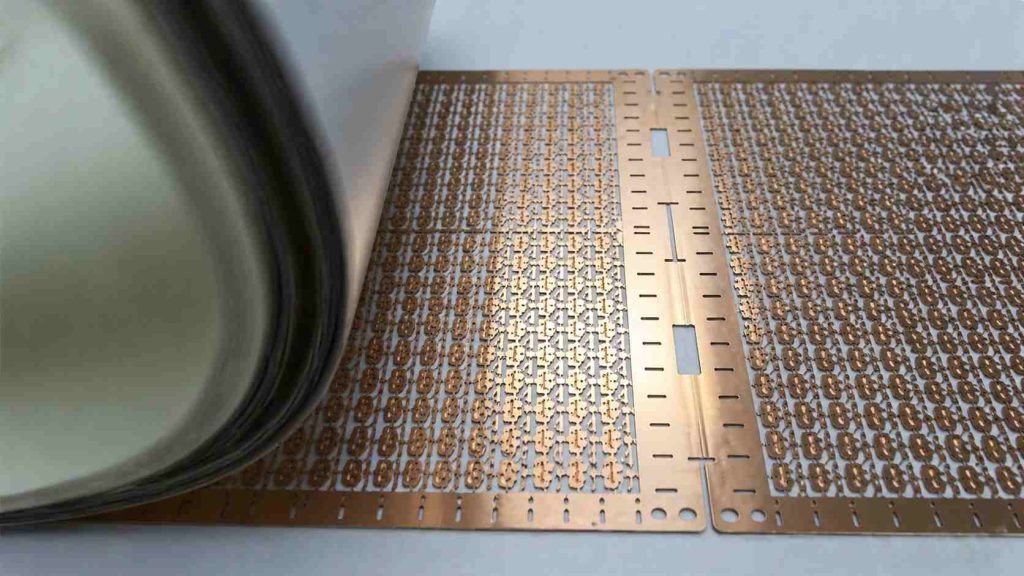
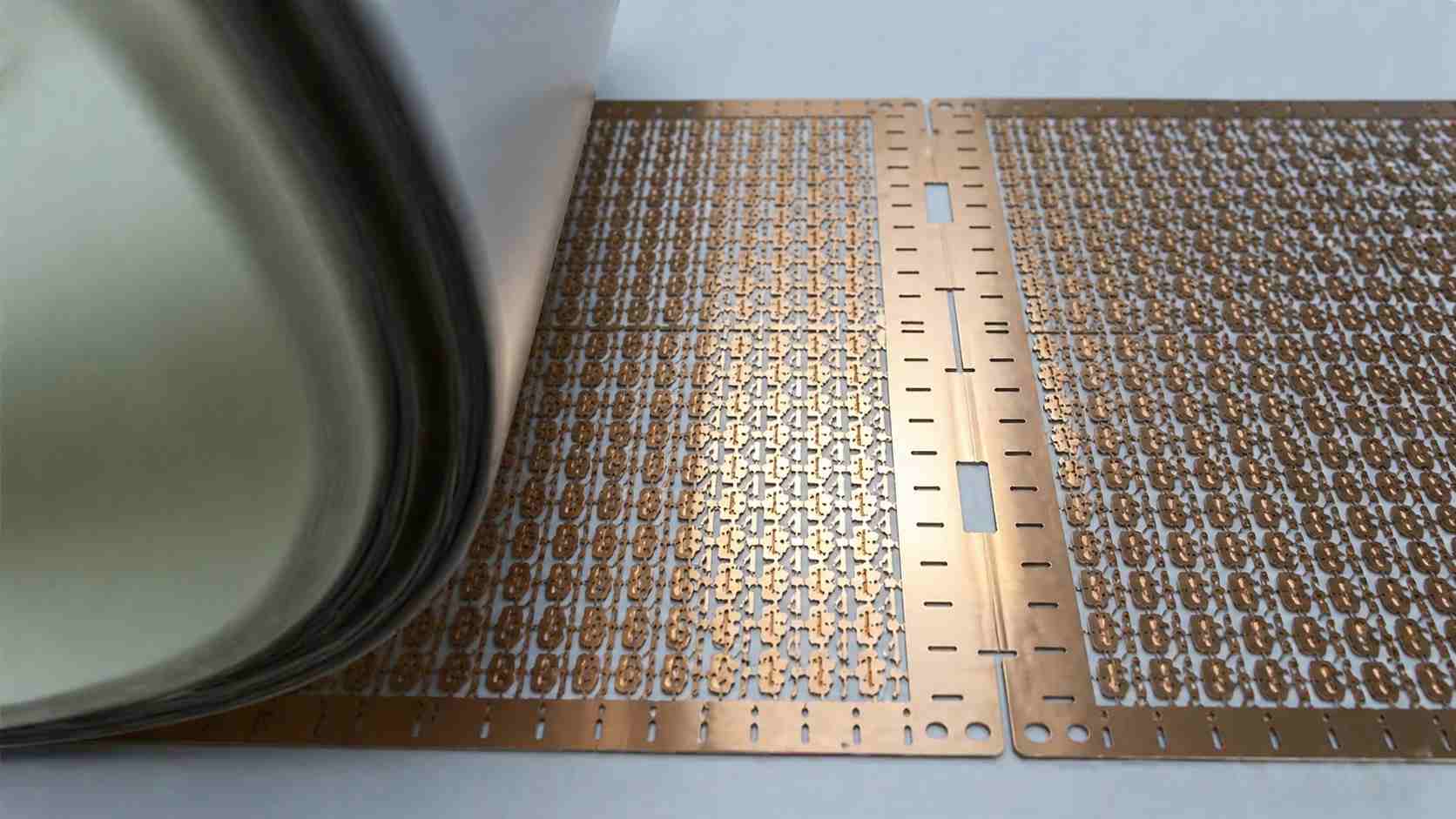
Eliminating lead frame twist and camber plays a vital role in the etching process. When you address these issues, you significantly enhance product quality and production efficiency. Twist and camber can lead to defects, impacting the performance of components in various applications. By focusing on these factors, you can improve the reliability of your products. Advanced techniques, such as reel-to-reel etching, can help you achieve precise results while minimizing waste. This not only streamlines your production line but also ensures that you maintain high standards in your manufacturing processes.
Key Takeaways
Addressing lead frame twist and camber improves product quality and efficiency.
Material properties and environmental factors cause twist and camber.
Tension control systems maintain consistent tension, reducing defects.
Real-time monitoring allows quick adjustments, enhancing quality.
Employee training and equipment calibration ensure optimal etching.
Causes of Twist and Camber
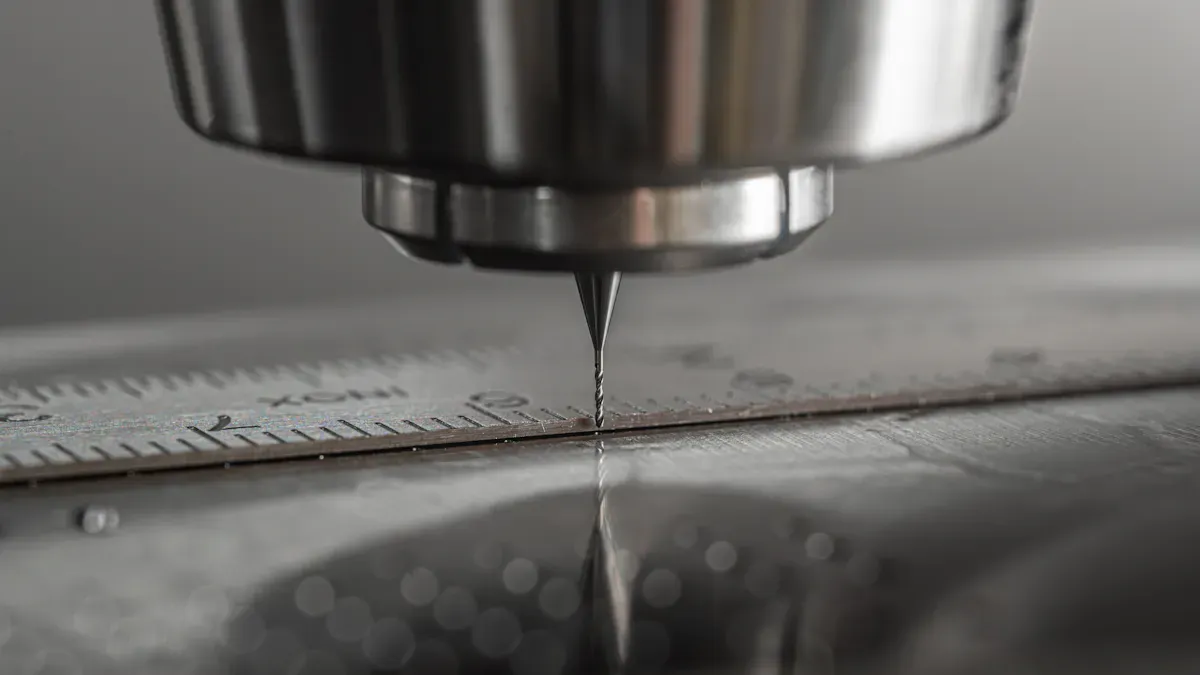
Understanding the causes of lead frame twist and camber is essential for improving your etching process. Two primary factors contribute to these issues: material properties and environmental factors.
Material Properties
The materials you choose for your lead frames significantly affect their performance during the etching process. Here are some key aspects to consider:
Thickness Variability: Inconsistent thickness can lead to uneven tension across the frame. This variation can cause twisting and camber, resulting in defects in the final components.
Material Composition: Different metals have unique properties. For instance, stainless steel strips may behave differently than special copper alloys under stress. Understanding these differences helps you select the right material for your application.
Residual Stress: Manufacturing processes can introduce residual stresses in the material. These stresses may cause the frame to warp during etching, leading to camber.
“Selecting the right material is crucial. It can make or break the quality of your components,” says an industry expert.
Environmental Factors
Environmental conditions also play a significant role in the etching process. Here are some factors to keep in mind:
Temperature Fluctuations: Changes in temperature can cause materials to expand or contract. This thermal expansion can lead to twisting if not properly managed.
Humidity Levels: High humidity can affect the adhesion of etching solutions to the frame. This inconsistency can result in uneven etching and contribute to camber.
Vibration and Movement: External vibrations from machinery or foot traffic can impact the stability of the etching line. This instability can lead to misalignment and twisting of the lead frame.
By addressing these material and environmental factors, you can significantly reduce the occurrence of twist and camber in your etching lines. Implementing advanced control techniques, such as those offered by BonySN, can further enhance your production efficiency and product quality.
Advanced Control Techniques

To effectively eliminate lead frame twist and camber, you can implement advanced control techniques. These methods enhance the precision of your etching process and improve overall production efficiency.
Tension Control Systems
Tension control systems play a crucial role in maintaining the integrity of the lead frame during the etching process. By regulating the tension applied to the frame, you can minimize the risk of twist and camber. Here are some key benefits of using tension control systems:
Consistent Tension: Maintaining uniform tension across the frame prevents uneven stress distribution. This consistency reduces the likelihood of warping and ensures that the frame remains straight throughout the etching process.
Multi-Zone Control: Advanced systems, like BonySN’s exclusive multi-zone symmetrical synchronous tension smoothing system, allow for precise adjustments in different areas of the frame. This feature ensures that you can address specific issues without affecting the entire production line.
Improved Safety: Proper tension control enhances safety in the workplace. By reducing the chances of frame failure, you protect both your equipment and your employees.
Implementing a tension control system can significantly enhance the quality of your components. As an industry expert notes, “Effective tension management is essential for achieving high precision in etching processes.”
Real-Time Monitoring
Real-time monitoring systems provide immediate feedback on the etching process. This technology allows you to detect and address issues as they arise, further reducing the risk of twist and camber. Here’s how real-time monitoring can benefit your operations:
Instant Feedback Loops: With real-time data, you can make quick adjustments to the etching parameters. This responsiveness helps you maintain optimal conditions and prevents defects from occurring.
Data-Driven Decisions: Continuous monitoring generates valuable data that you can analyze to identify trends and patterns. By understanding how different factors affect the etching process, you can make informed decisions to improve efficiency.
Enhanced Quality Control: Real-time monitoring systems enable you to track the quality of your components throughout the production process. This oversight ensures that any deviations from the desired specifications are addressed promptly.
By integrating real-time monitoring into your etching line, you can achieve a higher level of precision and reliability. The combination of tension control systems and real-time monitoring creates a robust framework for eliminating lead frame twist and camber.
Reel-to-Reel Etching Case Studies
Semiconductor Industry Example
In the semiconductor industry, reel-to-reel etching has revolutionized the production of microelectronic components. By using this method, you can achieve high precision and efficiency. For instance, a leading semiconductor manufacturer implemented reel-to-reel etching to produce lead frames with minimal defects. This approach allowed them to maintain a consistent quality across their components, reducing waste and improving yield rates by 15%. The precision of this technique ensures that each frame meets the stringent requirements of semiconductor applications.
Automotive Electronics Example
The automotive electronics sector also benefits from reel-to-reel etching. This method enables the production of intricate components required for modern vehicles. A notable example is an automotive supplier that adopted reel-to-reel etching to manufacture sensor components. By doing so, they achieved a 20% reduction in production time and a 10% increase in component reliability. The ability to produce complex shapes with high accuracy makes reel-to-reel etching an ideal choice for automotive applications.
“Reel-to-reel etching offers unparalleled precision and efficiency, making it a game-changer for industries reliant on high-quality components,” says a leading industry expert.
These case studies highlight the transformative impact of reel-to-reel etching in both the semiconductor and automotive electronics industries. By adopting this technology, you can enhance the quality and efficiency of your production processes, ensuring that your components meet the highest standards.
Best Practices for Etching
To maintain optimal etching conditions, you must adopt best practices that focus on equipment calibration and employee training. These practices ensure that your production line operates efficiently and safely.
Equipment Calibration
Regular equipment calibration is essential for achieving precise etching results. Calibration helps maintain the accuracy of your machines, reducing the risk of defects in your components. Here are some key points to consider:
Schedule Regular Checks: Establish a routine for checking and calibrating your equipment. This practice helps identify any deviations from the desired specifications.
Use Certified Standards: Follow industry standards set by organizations like the International Organization for Standardization (ISO). These standards provide guidelines for maintaining equipment accuracy.
Document Calibration Results: Keep records of calibration results. This documentation helps track performance over time and ensures compliance with safety regulations.
“Proper calibration is the backbone of quality assurance in etching processes,” states an industry expert.
Employee Training
Investing in employee training is equally important. Well-trained staff can operate equipment effectively and recognize potential issues before they escalate. Consider these training strategies:
Hands-On Training: Provide practical training sessions that allow employees to familiarize themselves with the equipment. This approach builds confidence and competence.
Safety Protocols: Emphasize safety training. Employees should understand the risks associated with the etching process and how to mitigate them. This knowledge protects both personnel and equipment.
Continuous Learning: Encourage ongoing education. Keeping your team updated on the latest techniques and technologies enhances their skills and improves overall production quality.
By focusing on equipment calibration and employee training, you can significantly reduce the occurrence of lead frame twist and camber. These best practices not only enhance product quality but also promote a safer working environment.
In summary, advanced control methods are essential for eliminating lead frame twist and camber in continuous etching lines. By implementing techniques such as tension control systems and real-time monitoring, you can significantly enhance production efficiency and product quality. These methods not only reduce defects but also improve safety in your operations.
Consider the following benefits of these advanced techniques:
Evidence Type | Description |
|---|---|
Techniques like SPC, Six Sigma, Lean manufacturing, and TQM help identify inefficiencies and minimize defects, leading to enhanced production efficiency and product quality. | |
Consumer Satisfaction | Higher quality products lead to increased consumer satisfaction and loyalty, resulting in repeat customers and potentially higher income. |
Cost Reduction | Quality enhancement reduces waste and errors, streamlining processes to save time and resources, ultimately leading to significant cost savings. |
By focusing on these strategies, you can ensure that your components meet the highest standards, driving success in your manufacturing processes.
FAQ
What causes lead frame twist and camber?
Material properties and environmental factors often cause twist and camber. Variations in material thickness and composition can lead to uneven tension. Temperature fluctuations and vibrations also contribute to these issues.
How can tension control systems help?
Tension control systems maintain consistent tension across the lead frame. This reduces stress and prevents warping. BonySN’s multi-zone symmetrical synchronous tension smoothing system offers precise adjustments for optimal results.
Why is real-time monitoring important?
Real-time monitoring provides instant feedback, allowing you to make quick adjustments. This helps maintain optimal etching conditions and reduces defects. It ensures your components meet high-quality standards.
How does BonySN’s technology address stress release?
BonySN’s online continuous precision thermal stress relief process effectively releases internal stress in high-tension frames. This prevents camber and edge warping, ensuring reliable component performance.
What are the benefits of employee training in etching?
Employee training enhances equipment operation skills and safety awareness. Well-trained staff can identify potential issues early, reducing defects and improving production efficiency.
See Also
Exploring Roll-to-Roll Etching Benefits for Future Electronics
Innovative Roll-to-Roll Etching Revolutionizing Battery Manufacturing
Precision Metal Etching at ±0.005mm for Semiconductors
Vietnam’s Roll-to-Roll Metal Etching for OEM Production Lines
The Impact of Selective Electroplating on Lead Frame Quality