
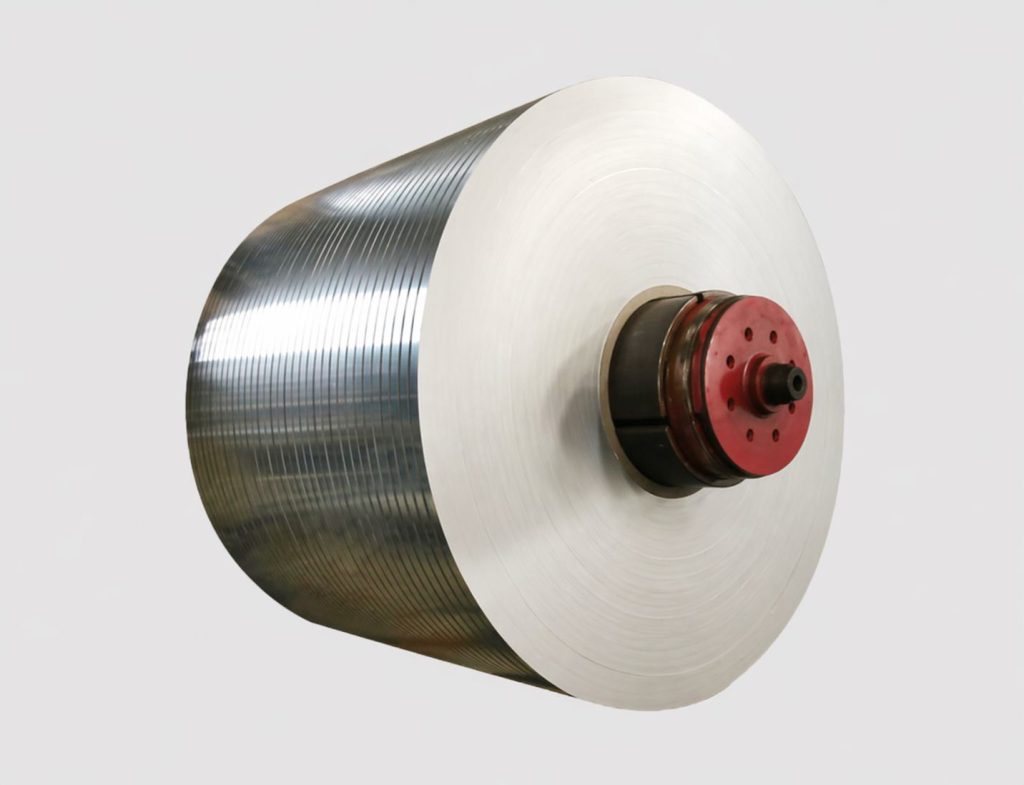
Uniform electroplating plays a vital role in ensuring the efficiency and longevity of complex shapes, especially in power inverter heat sinks. You need consistent thickness to prevent overheating and ensure optimal performance. Free-Form electroplating emerges as a powerful solution, allowing for precise control over plating in intricate designs. This innovative approach helps you achieve the uniformity necessary for high-quality results, making it an essential consideration for your manufacturing processes.
Key Takeaways
Free-Form electroplating ensures uniform coverage on complex shapes, enhancing the performance of power inverter heat sinks.
Precision control over plating thickness is crucial. Tailoring current density and electrolyte flow leads to consistent results.
Regular monitoring of chemical composition and quality control measures prevents defects and improves plating quality.
Adopting advanced simulation techniques helps predict plating uniformity, allowing for informed adjustments in the electroplating process.
Investing in the right equipment and maintaining optimal conditions boosts the effectiveness of Free-Form electroplating.
Traditional Electroplating
Limitations on Complex Shapes
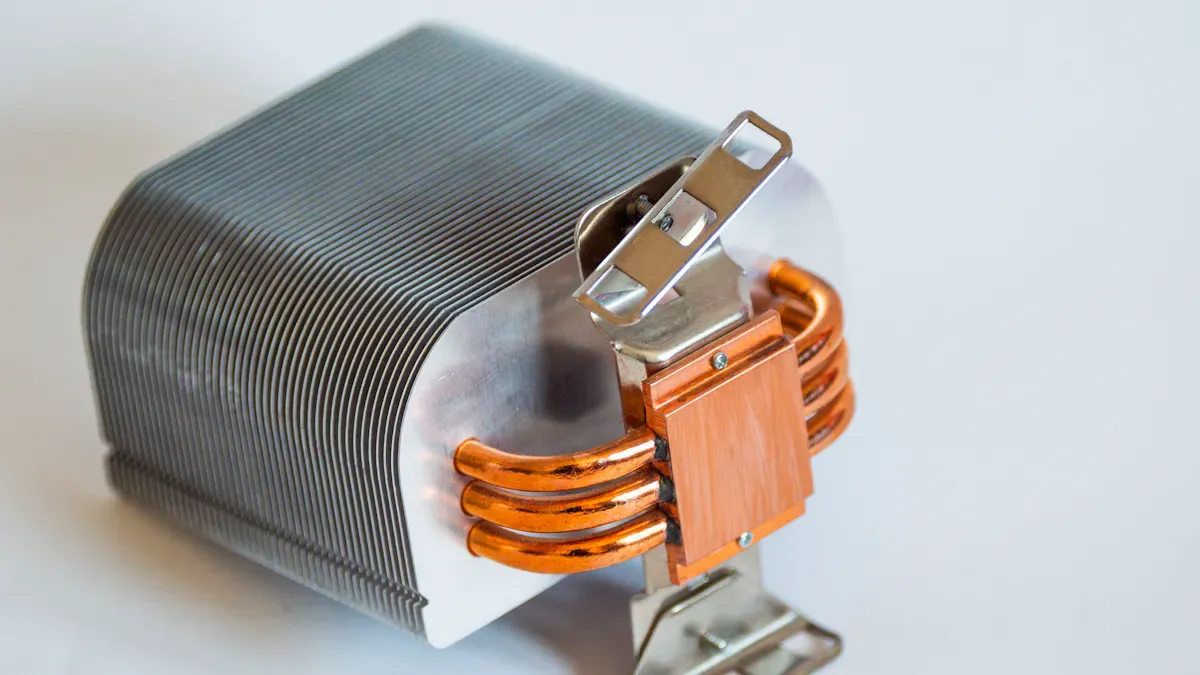
Traditional electroplating often struggles with complex geometries. When you work with intricate designs, achieving uniform coverage becomes challenging. The shape of the object can create shadowing effects, leading to uneven plating. This inconsistency can compromise the performance of components like power inverter heat sinks.
Several factors contribute to these limitations:
Inconsistent Temperature: Fluctuations in temperature during the plating process can lead to varying thicknesses across the surface.
High Current Density: A high current density can cause rough surfaces and imperfections due to uneven ion concentration.
Contaminants: Oil, grease, or dirt can inhibit adhesion, resulting in poor plating quality.
Challenges in Uniformity
Uniformity is crucial for the effectiveness of electroplated components. However, traditional methods often face significant challenges in this area. For instance, insufficient agitation in the plating bath can lead to uneven distribution of metal ions. This unevenness can result in areas with thicker or thinner coatings, which may not perform as intended.
Other factors affecting uniformity include:
Lower Temperatures: While lower temperatures can provide a smoother finish, they may also slow down the deposition rate, leading to inconsistent results.
Improper Equipment Setup: Not calibrating machines properly can lead to variations in plating quality.
Residue: Leftover chemicals from previous processes can impair corrosion resistance and affect the overall quality of the plating.
By understanding these limitations and challenges, you can better appreciate the advantages of Free-Form electroplating. This innovative approach addresses many of the issues associated with traditional methods, ensuring that you achieve the uniformity and precision necessary for high-quality heat sinks.
Free-Form Electroplating Overview
Definition and Benefits
Free-Form electroplating revolutionizes the way you approach plating complex shapes. Unlike traditional methods, this technique adapts to the unique contours of each component, ensuring uniform coverage. You gain several benefits from this approach:
Precision Control: Free-Form electroplating allows you to control the thickness of the plating with remarkable accuracy. This precision is crucial for components like power inverter heat sinks, where uniformity directly impacts performance.
Enhanced Durability: By achieving consistent plating, you enhance the durability of your components. This uniformity reduces the risk of overheating and extends the lifespan of your products.
Flexibility: You can apply Free-Form electroplating to a wide range of materials and shapes, making it a versatile solution for various applications.
Tailored Electrolyte Flow
Tailored electrolyte flow is a key feature of Free-Form electroplating. It ensures that the plating process adapts to the specific needs of complex geometries. You can achieve improved plating uniformity through several techniques:
Pulse Plating: Applying electrical current in pulses leads to finer grain structures. This method enhances control over deposit thickness, ensuring uniformity even on intricate shapes.
Agitation: Agitating the electrolyte solution is crucial for even metal deposition. This process prevents defects and ensures consistent coverage across complex geometries.
By utilizing these techniques, Free-Form electroplating addresses the challenges posed by traditional methods. You can achieve high-quality results with precision and efficiency, making it an ideal choice for modern manufacturing needs.
Techniques for Uniformity
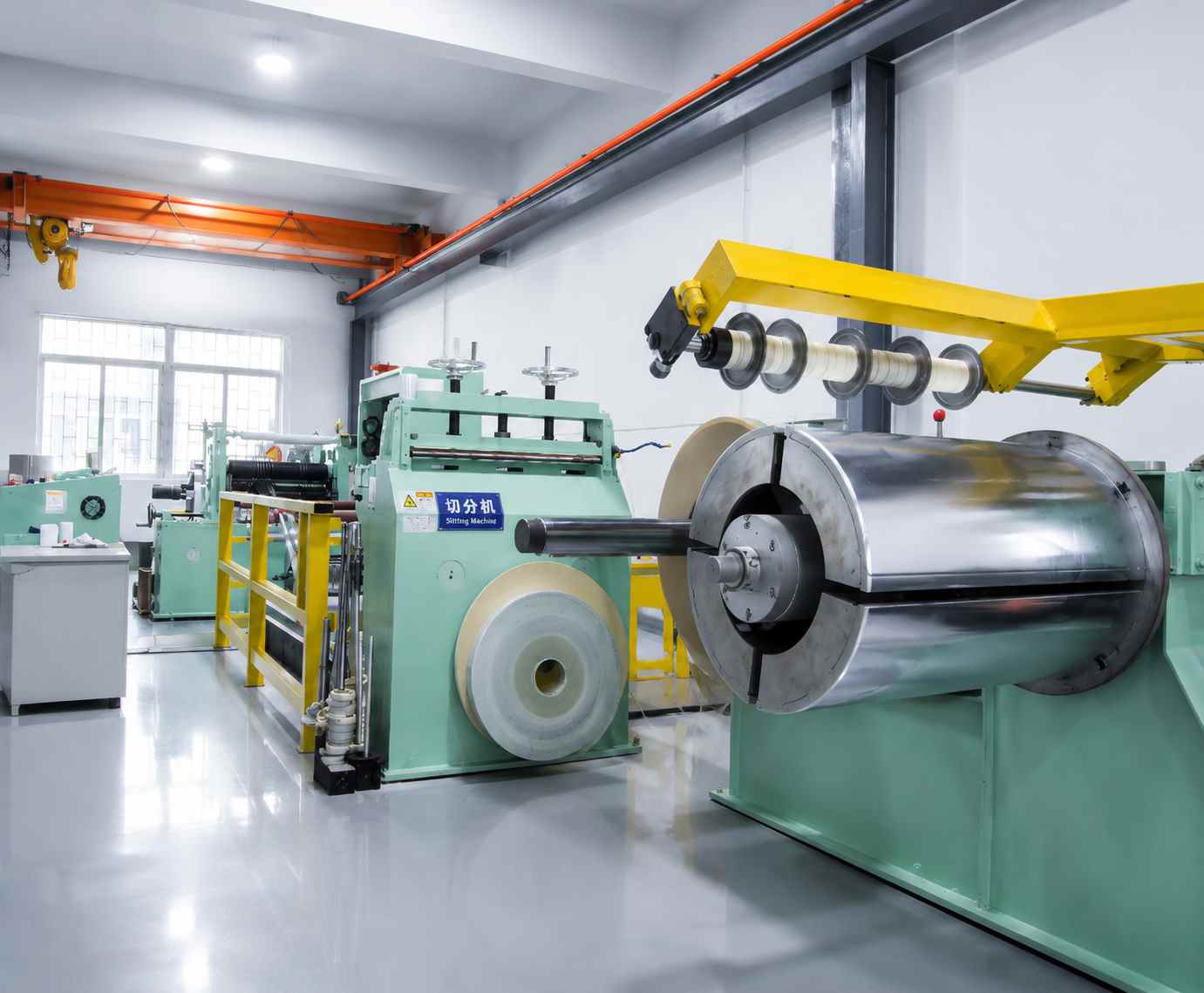
Achieving uniformity in Free-Form electroplating requires a strategic approach. You can enhance the quality of your plating by focusing on two key areas: tailored current density and optimized bath chemistry.
Tailored Current Density
Tailoring the current density is crucial for ensuring even metal deposition across complex geometries. By adjusting the current density, you can control the thickness of the plating layer, which is vital for components like power inverter heat sinks. This technique helps you avoid common defects such as pitting and uneven coatings.
Tip: Monitor the current distribution closely to prevent rough surfaces and imperfections. Proper calibration of equipment ensures consistent results.
Optimized Bath Chemistry
Optimizing the chemistry of the plating bath plays a significant role in achieving uniformity. You need to maintain the right balance of chemicals to ensure smooth and even plating. This involves controlling factors such as pH levels and ion concentration. Proper bath chemistry reduces the risk of contaminants like oil or dirt, which can inhibit adhesion and lead to poor plating quality.
Note: Regularly check for residue from leftover chemicals, as they can impair corrosion resistance. Ensuring proper drying techniques prevents water spots from forming.
Advanced Simulation Techniques
To further enhance uniformity, you can utilize advanced simulation techniques. Tools like Elsyca’s PCBPlate and PlatingManager model the underlying physics of electroplating processes. These simulations help you predict plating uniformity by analyzing current distribution, ion transport, and electrode kinetics. By adopting these techniques, you can solve problems, develop processes, and integrate production more effectively.
Insight: Simulation tools provide valuable insights into the electroplating process, allowing you to make informed adjustments and achieve high-quality results.
By focusing on these techniques, you can significantly improve the uniformity of your Free-Form electroplating processes. This ensures that your components meet the highest standards of quality and performance.
Case Studies in Heat Sinks
Successful Applications
You can see the impact of Free-Form electroplating in various successful applications. One notable case involves a manufacturer of custom power inverter heat sinks. They faced challenges with traditional electroplating methods, which led to uneven coatings and compromised performance. By adopting Free-Form electroplating, they achieved uniform coverage across complex geometries. This resulted in enhanced thermal management and increased efficiency.
Another example is a company specializing in renewable energy solutions. They needed heat sinks with precise plating to ensure optimal performance in harsh environments. Free-Form electroplating provided the precision required, leading to improved durability and reliability. These applications demonstrate how Free-Form electroplating addresses market demands and customer pain points effectively.
Lessons Learned
Implementing Free-Form electroplating offers valuable lessons. You learn the importance of tailored approaches to meet specific needs. For instance, adjusting electrolyte flow and current density ensures consistent results. Monitoring these parameters closely helps avoid defects and achieve high-quality finishes.
Another lesson is the significance of collaboration with experts. Engaging with professionals in electroplating technology provides insights into best practices and innovative solutions. This collaboration enhances your ability to adapt and optimize processes.
Finally, you realize the value of continuous improvement. Regularly evaluating and refining techniques leads to better outcomes. By embracing these lessons, you can leverage Free-Form electroplating to enhance your manufacturing capabilities and meet the highest standards of quality.
Best Practices for Implementation
Equipment Recommendations
To achieve optimal results in Free-Form electroplating, you need the right equipment. Here are essential tools and considerations:
Temperature Control: Maintain an optimal temperature range. This factor affects the deposition rate and grain structure, ensuring consistent results.
Current Density: Find the right balance in current density. This balance impacts plating thickness and quality, crucial for effective heat sinks.
Surface Preparation: Implement proper cleaning and activation processes. These steps are necessary for superior adhesion and coating quality.
Plating Time: Monitor the correct plating duration. This monitoring helps achieve the desired thickness without compromising layer integrity.
Environmental Factors: Control humidity and facility temperature. These factors minimize variations in the plating process.
Additionally, consider using a DC Plating Rectifier. This device adjusts current and voltage according to specific plating requirements, ensuring precise and high-quality results. Look for advanced features like current limiting and over-voltage protection to enhance consistency.
Quality Control Measures
Quality control is vital for ensuring uniformity in Free-Form electroplating. Implement the following measures to maintain high standards:
Importance | |
|---|---|
Monitoring chemical composition | Ensures correct metal concentration, bath temperature, and pH level for uniform results. |
Routine chemical analysis | Minimizes the risk of plating defects due to improper solution composition. |
Establishing inspection parameters | Defines allowable limits for coating thickness, adhesion strength, and surface roughness. |
Rigorous inspection procedures | Includes visual examination, measurement techniques, and adhesion tests for quality assurance. |
By integrating these practices, you can enhance the effectiveness of your Free-Form electroplating processes. This approach not only improves the quality of your heat sinks but also boosts overall production efficiency.
Free-Form electroplating offers significant advantages for achieving uniformity in complex shapes. This technique allows you to enhance the durability and performance of components like power inverter heat sinks. By utilizing tailored electrolyte flow and current density, you can ensure consistent plating across intricate designs.
As you consider implementing Free-Form electroplating in your projects, keep an eye on future trends that may shape this technology:
Trend | Description |
|---|---|
Advancements in Automation | Use of automated surface preparation and robotic arms for precise application. |
Innovations in Materials | Exploration of nanomaterials for better corrosion resistance and thinner, more durable coatings. |
Smart Electroplating Systems | Integration with IoT for real-time monitoring and predictive analytics to optimize processes. |
Sustainability Through Recycling | Implementation of closed-loop systems to reclaim and reuse precious materials, reducing waste. |
Customized Coating Technologies | Ability to tailor coatings for specific customer needs, enhancing competitive edge. |
Advanced Health and Safety | Enhanced safety protocols and equipment to improve worker safety and productivity. |
Embrace the potential of Free-Form electroplating to elevate your manufacturing capabilities and meet the demands of modern applications.
FAQ
What is Free-Form Electroplating?
Free-Form electroplating adapts to complex shapes, ensuring uniform coverage. It offers precision control over plating thickness, enhancing the durability and performance of components like power inverter heat sinks.
How does Free-Form Electroplating improve heat sink performance?
By achieving uniform plating, Free-Form electroplating enhances thermal management. This uniformity reduces overheating risks, extending the lifespan and efficiency of heat sinks.
What materials can benefit from Free-Form Electroplating?
You can apply Free-Form electroplating to various materials, including stainless steel, nickel, and copper alloys. This versatility makes it suitable for diverse applications in modern manufacturing.
How does tailored electrolyte flow work?
Tailored electrolyte flow adapts to complex geometries, ensuring even metal deposition. Techniques like pulse plating and agitation enhance control over deposit thickness, ensuring uniformity.
Why choose Bonysn for electroplating solutions?
Bonysn offers advanced Precision Etching and Roll-to-Roll Continuous Etching technology. This ensures high-quality results with remarkable precision, making it ideal for manufacturers seeking enhanced production capabilities.
See Also
Strategies to Minimize Plating Mold Expenses for Electronics Firms
Innovative Plating Solutions for German Automotive Connector Producers
Advanced Plating Techniques for South Korean EV Connector Makers
Cutting-Edge Plating Services for U.S. AI and Medical Connectors
Reducing Gold Plating Expenses in I/O Interfaces Efficiently