
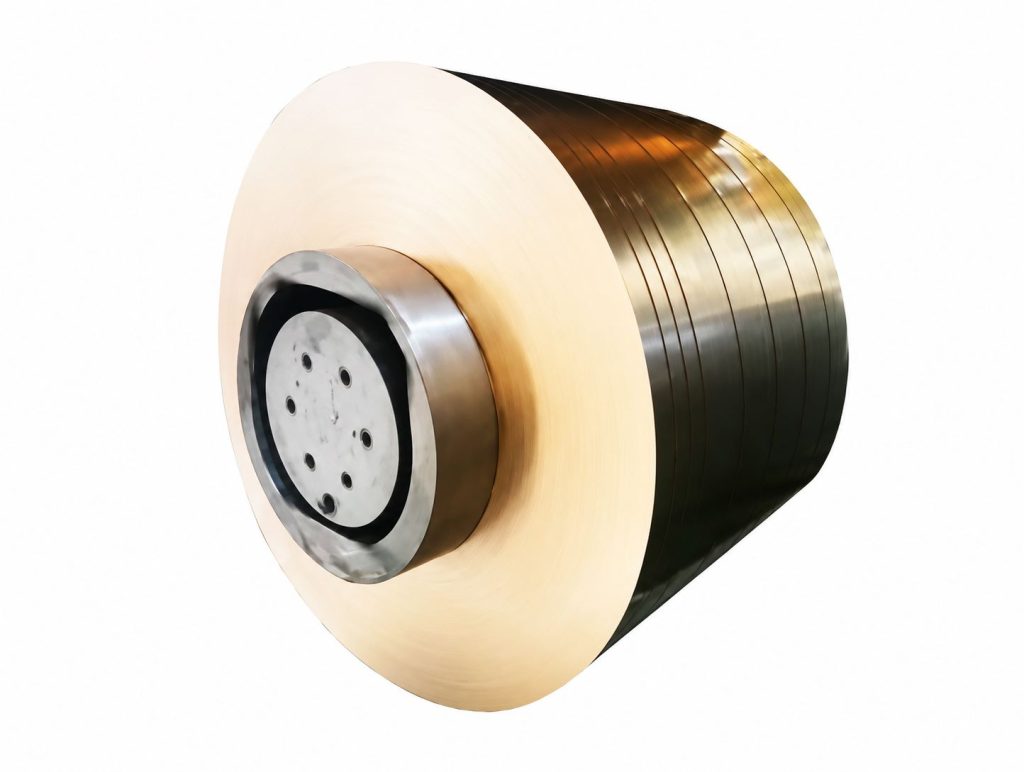
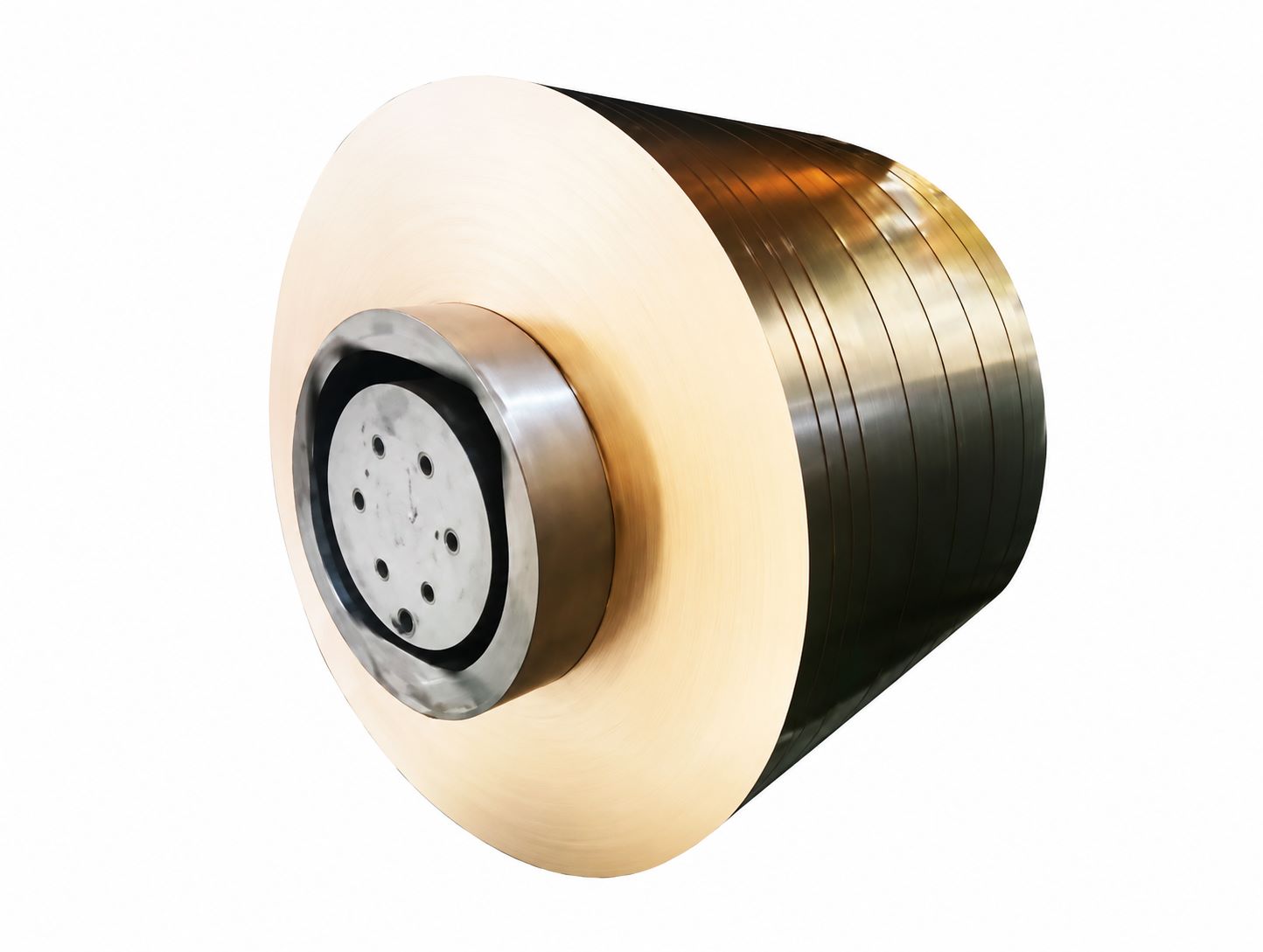
You have an important job in keeping high-frequency signals strong in India’s telecom systems. Free-Form electroplating gives a way to ensure accuracy and flexibility. This method solves problems with old tools and helps with tricky designs. It helps you get even surfaces and high-quality finishes that can handle today’s telecom needs. By using free-form electroplating, you make your systems last longer and work better. This supports the fast growth of 5G and 6G technologies.
Key Takeaways
Free-form electroplating improves signal quality. It gives smooth coatings that lower signal loss.
Focus on quality in electroplating. This helps avoid expensive redesigns and keeps telecom working well.
Pick B2B suppliers with ISO certification. They have strong quality checks to ensure good electroplating.
Fast prototyping helps test designs quickly. This lets telecom companies create new ideas and meet market needs faster.
Spending on good electroplating solutions means telecom systems last longer. It also cuts down maintenance costs.
Signal Integrity in Telecom
Role in 5G/6G Infrastructure
Signal integrity is very important for telecom networks. This is especially true as India moves to 5G and 6G technologies. High-frequency signals need careful handling for clear communication. You should pay attention to several key factors that affect signal integrity:
Factor | Description |
|---|---|
Reduced Jitter and Timing Issues | Lowering jitter helps keep signal timing accurate. This is important for systems that work together. |
Controlled Crosstalk | Cutting down crosstalk stops signal interference. This keeps the transmitted signals clear. |
Attenuation Management | Handling attenuation keeps signal strength strong. This is needed for reliable communication over long distances. |
Impedance Matching | Matching impedance stops reflections and distortion. This is key for high-frequency performance. |
These factors are very important for keeping signal quality in fast networks.
Impact of Poor Integrity
Bad signal integrity can cause big problems in telecom systems. When signals weaken, you might see different issues that hurt performance and reliability. Here are some common effects:
Consequence | Description |
|---|---|
Data Loss | Losing information during transmission because of weak signals. |
Jitter | Changes in signal timing that cause mistakes in data reading. |
Noise | Unwanted electrical signals that mess with the main signal, causing distortion. |
Crosstalk | Interference from nearby signals that can ruin the data being sent. |
System Failures | Total breakdown of communication systems due to ongoing signal integrity problems. |
Costly Redesigns | Money lost from needing to redesign systems to fix signal integrity issues. |
You need to understand that keeping signal integrity is not just a technical need. It is crucial for the success of India’s telecom systems. As you work on 5G and 6G technologies, focus on solutions that improve signal integrity to avoid these problems.
Free-Form Electroplating Overview
Definition and Process
Free-form electroplating is a new way to add metal coatings on different surfaces. It does not need the usual tools. This method uses metal ions that stick to a surface through a chemical process. First, you prepare the surface, which can be made of materials like stainless steel or copper. Next, you put the surface in a liquid solution that has metal ions. When you apply an electric current, the ions stick to the surface, creating a smooth layer.
This method is special because it is flexible. You can change things like current strength and temperature to get the thickness and features you want. Free-form electroplating can be very precise, with a level of ±0.005mm. This ensures you get high-quality finishes that are important for telecom uses.
Advantages Over Conventional Methods
Free-form electroplating has many benefits compared to regular plating methods. Here are some main advantages:
Elimination of Edge Effects: Regular plating often has problems at the edges, where the coating can be uneven. Free-form electroplating reduces this problem, giving a steady layer all over the surface.
Rapid Prototyping: You can quickly make samples without needing complicated molds. This helps you respond fast to market needs and test new designs easily.
Material Versatility: Free-form electroplating works well with many materials. Some common materials are:
Material | Key Properties |
|---|---|
Gold | Makes things look better, protects against rust, has great electrical conductivity, and shields heat. |
Nickel | Shiny look, protects against rust and wear, can be mixed for better features. |
Copper | Great for conducting electricity, cost-effective, used for covering non-conductive surfaces. |
Chrome | Smooth finish, good rust resistance, has a complex plating process. |
Zinc Nickel Alloy | Often used in electroplating, offers good rust protection. |
Enhanced Durability: The ongoing electroplating process makes the coating stronger. This helps it resist wear and rust. This strength is very important for parts that face tough conditions, like those in India’s different climates.
Benefits of Custom Electroplating

Precision and Durability
Custom electroplating is very precise. It can achieve a level of ±0.005mm. This accuracy is important for high-quality finishes in telecom uses. When you use precise electroplating, your equipment works better and lasts longer. For example, companies that used silver plating saw their parts last longer. They also noticed better efficiency, showing how good high-precision electroplating can be.
Silver plating has high electrical conductivity. This helps with efficient electrical transmission. It reduces signal loss, which improves telecom equipment performance. Better solderability also means stronger bonds in electronic parts. All these factors make your telecom components more durable and able to resist wear and tear.
Corrosion Resistance
Corrosion resistance is very important for telecom systems, especially in India’s different climates. Better corrosion resistance from advanced electroplating techniques cuts down maintenance costs. For instance, telecom towers with better coatings have fewer rust problems. This means the towers last longer, saving you time and money on repairs.
In tough environments, keeping your telecom equipment strong is even more important. By using custom electroplating, you make sure your parts work for a long time. This reliability is key for keeping communication services steady across the country. When you invest in high-quality electroplating, you protect your equipment and improve the efficiency of your telecom networks.
By choosing Free-Form electroplating, you get both precision and durability. This ensures your telecom systems can handle tough conditions.
Choosing B2B Suppliers
Criteria for Selection
When picking a B2B supplier for electroplating, you need to think about some important things. These will help you find quality and reliability. Here are key factors to remember:
ISO Certification: Find suppliers with ISO certification. This means their processes meet global quality standards. For example, Lalson Electrotech got ISO certified in 1994. This shows they are serious about providing safe and reliable products.
Quality Control Processes: Make sure the supplier has strong quality checks. This means they regularly test materials and finished products to meet industry standards.
Experience in Telecom Sector: Pick suppliers who have a good history in the telecom industry. Their experience helps them understand your needs and challenges better.
Material Purity Standards: Suppliers should follow purity rules for materials used in electroplating. For example, BIS certification makes sure tin ingots meet the right purity levels. This stops harmful impurities from affecting performance.
Timeliness and Reliability: Check if the supplier can meet deadlines regularly. Timely delivery is very important for keeping your production on schedule.
Rapid Prototyping
Rapid prototyping is very important for speeding up innovation in telecom hardware making. By removing tooling barriers, you can quickly make samples and test new designs. This flexibility helps you respond fast to market needs. Here are some benefits of rapid prototyping:
Benefit | Impact |
|---|---|
30-50% savings in low-volume situations | |
Decreased Lead Times | 50-80% faster time to market |
Material Waste Reduction | Up to 90% less waste |
With rapid prototyping, you can try out different designs without the high costs of traditional tooling. This method encourages creativity and helps you improve your products before full production.
By choosing suppliers that provide rapid prototyping, you boost your ability to innovate and stay competitive in the fast-moving telecom market.
Telecom Sector Case Studies
Successful Implementations
Many telecom companies have used free-form electroplating successfully. One big example is a major telecom provider in India. They had problems with signal quality in their 5G systems. Their components had uneven coatings, which caused more signal loss. By using Bonysn’s precise electroplating technology, they got smooth coatings. This change greatly improved their signal quality.
Another example is a startup that worked on advanced antenna systems. They needed to create samples quickly to meet tight deadlines. With Bonysn’s roll-to-roll continuous etching technology, they made high-quality samples fast. They did not need traditional molds. This flexibility helped them innovate quickly and meet market needs effectively.
Lessons Learned
You can learn several important lessons from these case studies:
Prioritize Quality: Consistent and smooth coatings are key for keeping high-frequency signal integrity. Low quality can cause expensive redesigns and performance problems.
Embrace Innovation: Using new technologies like free-form electroplating can make production easier. This method improves product quality and cuts down lead times.
Focus on Collaboration: Working closely with suppliers who know your needs can lead to better results. Choose partners who provide rapid prototyping and have a good history in the telecom industry.
By learning from these examples, you can make smart choices that improve your telecom systems. Investing in high-quality electroplating solutions will help your systems stay reliable and efficient in the fast-changing telecom world.
Choosing the best electroplating for telecom has big benefits. It keeps signals strong and makes systems last longer. Think about these advantages:
Tin plating makes PCB connections stronger. It helps solder joints and keeps them stable with heat.
It makes parts tougher against stress, so they work well.
You spend less on replacements and make products last longer.
It protects well against things like rust.
By picking good suppliers, you get these benefits. This helps India’s telecom systems stay precise and strong.
FAQ
What is free-form electroplating?
Free-form electroplating is a flexible way to add metal coatings. It uses a chemical process to stick metal ions onto surfaces without needing traditional tools. This allows for precise and even coatings.
How does free-form electroplating improve signal integrity?
This method removes edge problems and makes smooth coatings. By creating uniform surfaces, it improves signal clarity and cuts down data loss in high-frequency uses.
Why is precision important in telecom applications?
Precision makes sure that parts fit right and work well. High accuracy in electroplating, like ±0.005mm, leads to better performance and longer-lasting telecom systems.
How does Bonysn’s technology support rapid prototyping?
Bonysn’s roll-to-roll continuous etching lets you quickly make samples without complicated molds. This speeds up the design process and helps you meet market needs effectively.
What materials can be used with free-form electroplating?
Free-form electroplating works well with many materials, like stainless steel, copper, and nickel. This flexibility makes it good for different telecom uses.
See Also
Selective Plating Solutions Without Mold for Indian Electronics Industry
Mold-Free Plating Services Supporting Saudi Arabia’s Vision 2030 EV Initiatives
Innovative Mold-Free Plating for U.S. AI and Medical Connectors
Vietnam’s Mold-Free Plating Services for 3C Connector Manufacturing
Revolutionary Tool-Free Selective Plating Boosting U.S. Tech Production