
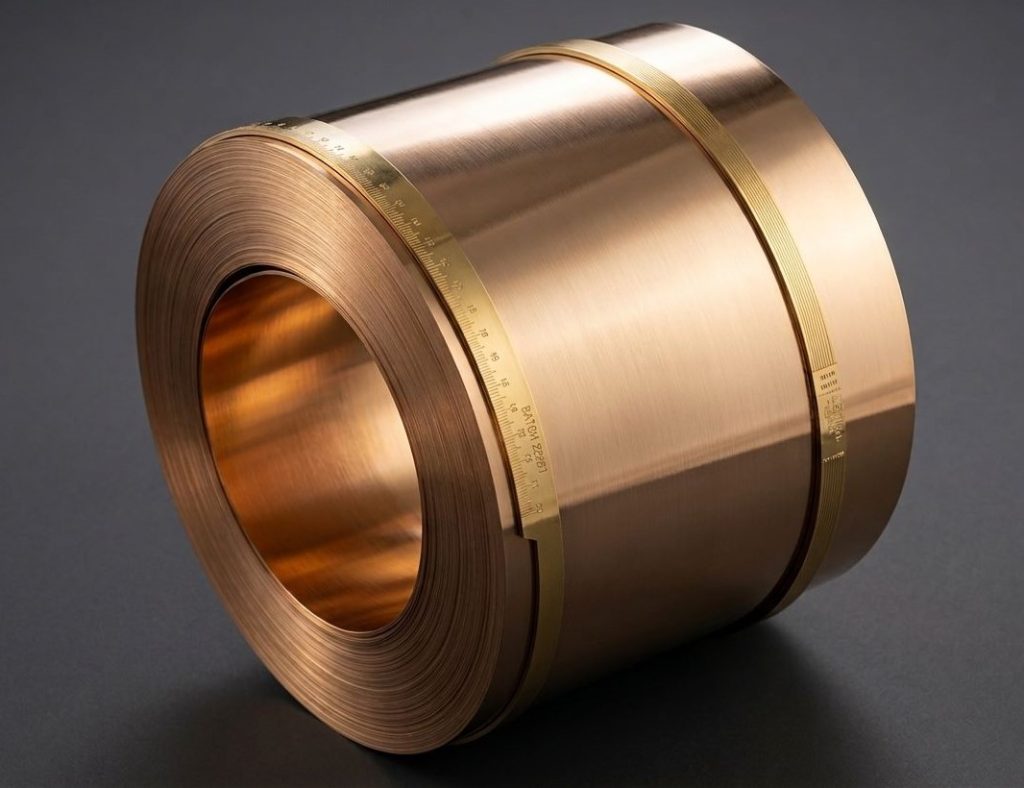
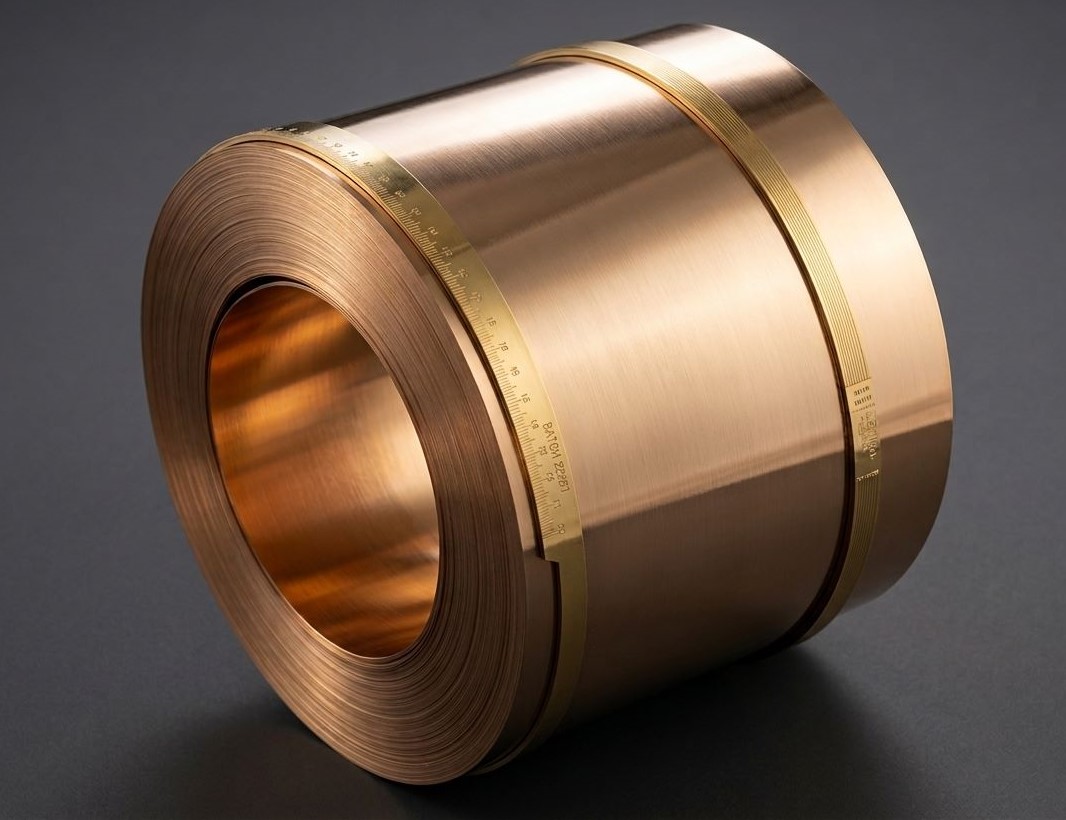
Free-form electroplating plays a crucial role in the production of EV busbars. This innovative technique allows you to reduce costs while enhancing local manufacturing capabilities. As the demand for electric vehicles continues to rise, the market for busbars is projected to grow significantly. For instance, the market size was approximately 17,592.1 million USD in 2021 and is expected to reach 26,545.74 million USD by 2030, with a growth rate of 4.2% CAGR. This trend highlights the need for efficient production solutions that can meet the increasing demands of the industry.
Key Takeaways
Free-form electroplating reduces production costs by eliminating expensive molds, making it ideal for budget-conscious manufacturers.
This technique enhances the durability of busbars, leading to lower maintenance costs and longer lifespans for EV charging infrastructure.
Material versatility allows for tailored busbars, improving conductivity and corrosion resistance based on specific application needs.
Customization in electroplating enables rapid prototyping, allowing manufacturers to quickly respond to market demands and create unique solutions.
Adhering to regulatory standards ensures safety and reliability, making free-form electroplating a trustworthy choice for EV busbar production.
Benefits of Free-Form Electroplating
Cost Efficiency
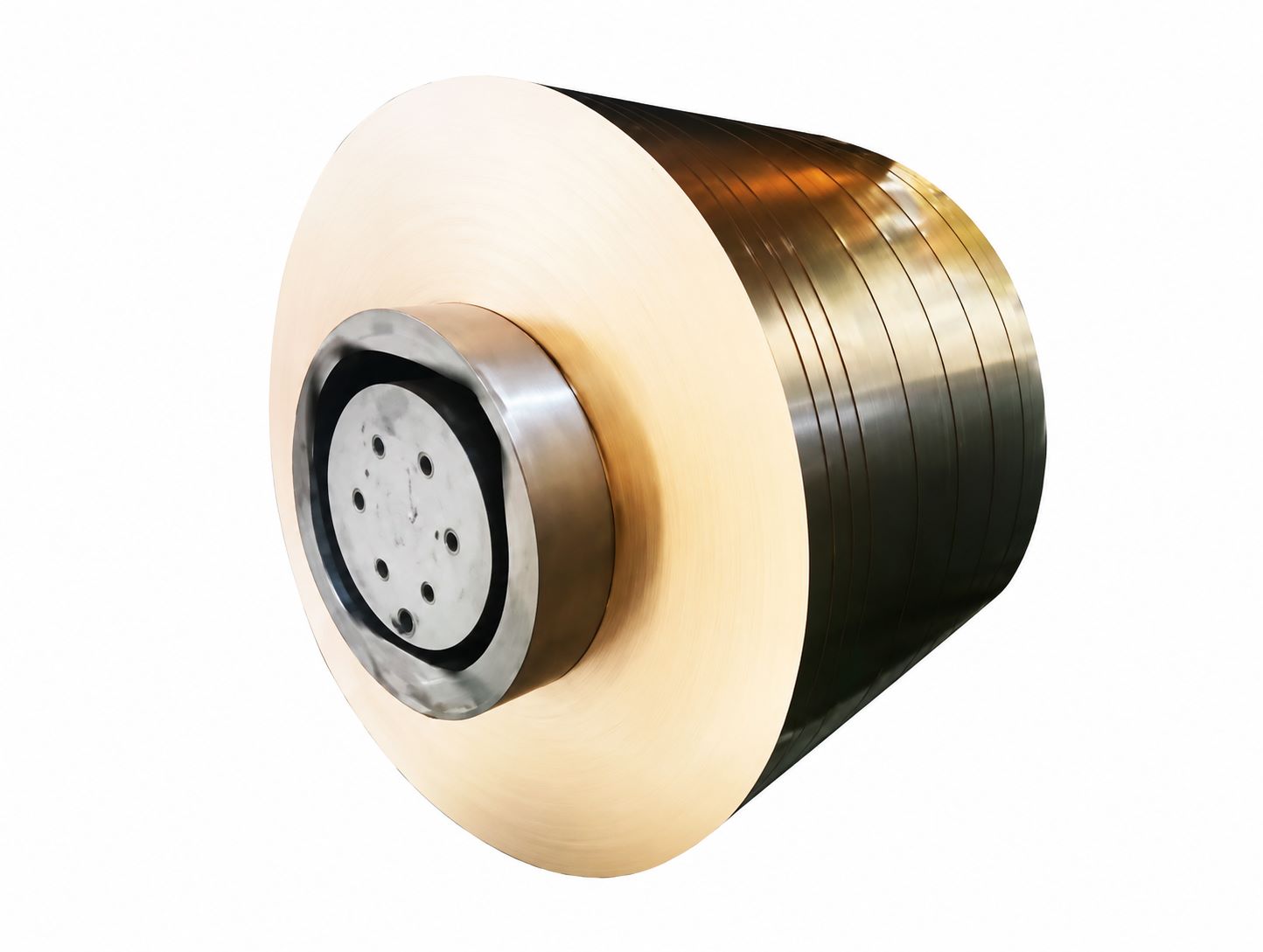
Free-form electroplating offers a significant advantage in terms of cost efficiency. By eliminating the need for expensive molds and tooling, you can reduce production costs substantially. This process allows for rapid prototyping and quick sample making, which is crucial in the fast-paced EV industry. The ability to produce high-quality busbars without extensive setup costs makes this an attractive solution for manufacturers looking to optimize their budgets.
Moreover, the continuous electroplating process enhances the durability and performance of busbars, reducing the need for frequent replacements. This longevity translates into lower maintenance costs over time. By investing in free-form electroplating, you can achieve a cost-effective solution that meets the demands of the growing EV charging infrastructure.
Material Versatility
The versatility of materials that can be processed using free-form electroplating is another key benefit. This process accommodates a wide range of material combinations, ensuring that you can tailor the busbars to specific requirements. Here is a table showcasing some of the material combinations possible:
Material Combination |
|---|
Copper, Tin (Cu, Sn) |
Copper, Nickel (Cu/Ni) |
Copper, Nickel, Tin (Cu/Ni/Sn) |
Copper, Nickel, Tin, Silver (Cu/Ni/Sn/Ag) |
This versatility allows you to select materials based on desired properties such as conductivity and corrosion resistance. For instance, using copper and nickel can enhance the conductivity of busbars, which is essential for efficient EV charging. The inclusion of silver further improves conductivity, making it an ideal choice for high-performance applications.
Incorporating Bonysn’s Precision Etching technology into your manufacturing process can further enhance material versatility. This technology supports a range of metal strip materials, ensuring precise and high-quality finishes. By leveraging these capabilities, you can create customized solutions that meet the specific needs of the EV charging infrastructure.
How Electroplating Improves Busbars
Corrosion Resistance
Electroplating plays a pivotal role in enhancing the corrosion resistance of busbars. By applying a protective layer of chromium, you can significantly extend the lifespan of these essential components. This layer acts as a barrier against environmental factors such as moisture and chemicals, which can cause deterioration over time. According to a study by the International Electroplating Association, electroplated busbars exhibit up to 50% more resistance to corrosion compared to non-plated alternatives. This improvement ensures that your EV charging infrastructure remains reliable and efficient.
Tip: Regular maintenance and inspection of electroplated busbars can further enhance their durability and performance.
Material Options
The versatility of materials used in electroplating offers numerous solutions for customizing busbars to meet specific needs. You can choose from a variety of materials, including copper, nickel, and chromium, each offering unique benefits. For instance, copper provides excellent conductivity, while nickel enhances durability. Chromium, on the other hand, offers superior corrosion resistance, making it an ideal choice for harsh environments.
Here’s a quick overview of the material options:
Copper: Excellent electrical conductivity, ideal for efficient EV charging.
Nickel: Enhances durability and provides a smooth finish.
Chromium: Offers superior corrosion resistance, protecting against environmental damage.
By selecting the right combination of materials, you can tailor busbars to specific applications, ensuring optimal performance and longevity. Bonysn’s Precision Etching technology further enhances this versatility, allowing you to create high-quality, customized solutions that meet the demands of modern EV charging infrastructure.
Incorporating electroplating into your manufacturing process not only improves the quality of busbars but also provides a cost-effective solution for local production. This approach aligns with the growing trend towards sustainable and efficient manufacturing practices in the EV industry.
Applications in EV Busbars
Plating Materials
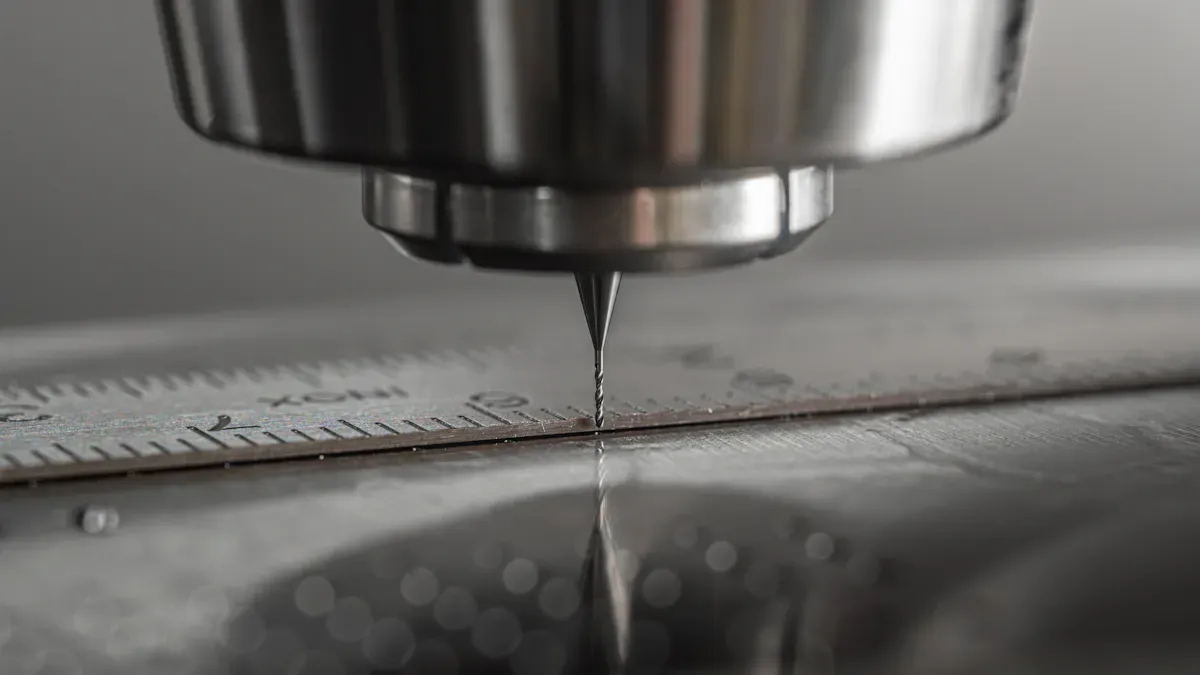
Free-form electroplating offers various applications in the production of EV busbars. You can choose from several plating materials, each providing unique benefits. Here are some common options:
Copper: Known for its excellent electrical conductivity, copper is a popular choice for busbars. It ensures efficient charging and minimizes energy loss.
Nickel: This material enhances durability and provides a smooth finish. Nickel plating can withstand harsh environments, making it ideal for outdoor applications.
Chromium: Chromium plating offers superior corrosion resistance. It protects busbars from moisture and chemicals, extending their lifespan significantly.
Using these materials in your busbar production can lead to a cost-effective contact surface that meets the demands of the EV industry.
Customization Benefits
Customization is a significant advantage of using free-form electroplating in busbar manufacturing. You can tailor the plating process to meet specific requirements, ensuring optimal performance. For instance, you can adjust the thickness of the plating layer to enhance conductivity or corrosion resistance based on your application needs.
Moreover, the flexibility of the electroplating process allows for rapid prototyping. This capability enables you to respond quickly to market demands and create customized solutions for various EV charging applications. By leveraging Bonysn’s Precision Etching technology, you can achieve high-quality finishes and precise specifications, further enhancing your production capabilities.
Challenges of Free-Form Electroplating
Technical Limitations
While free-form electroplating offers numerous advantages, it also presents some technical challenges. One major limitation is the need for precise control over the electroplating process. Variations in current density can lead to uneven plating, affecting the quality of the busbars. You must ensure that the electroplating equipment is calibrated correctly to maintain consistent results.
Another challenge involves the compatibility of materials. Not all materials can be electroplated effectively. For instance, certain alloys may not adhere well to the plating layer, leading to potential failures in performance. You should carefully select materials that work well together to avoid these issues.
Tip: Regular maintenance of your electroplating equipment can help mitigate some of these technical challenges.
Regulatory Compliance
Compliance with industry standards is crucial when implementing free-form electroplating for EV busbars. Regulations such as IEC/BS EN 61439 ensure that busbars meet essential performance characteristics. These standards may increasingly include specifications for electroplating finishes, particularly regarding the use of materials like chromium. Adhering to these regulations not only ensures safety but also enhances the reliability of your products.
Market adoption of free-form electroplating can also face hurdles due to regulatory compliance. Manufacturers may hesitate to transition to this method without clear guidelines on meeting safety and performance standards. However, the benefits of improved thermal performance, reduced installation time, and enhanced corrosion resistance can outweigh these concerns.
In summary, adopting free-form electroplating for EV busbars offers significant advantages. This solution enhances local manufacturing capabilities while meeting the growing demands of the electric vehicle market. The process improves durability through the use of materials like chromium, ensuring long-lasting performance. By leveraging this innovative technique, you can achieve cost efficiency and flexibility in production. Embracing free-form electroplating positions you to thrive in the evolving landscape of EV technology.
FAQ
What is free-form electroplating?
Free-form electroplating is a manufacturing process that applies a thin layer of metal onto a substrate. This technique enhances the durability and performance of components like EV busbars, making it a cost-effective solution for local production.
How does chromium improve busbars?
Chromium plating significantly enhances corrosion resistance in busbars. This protective layer shields against moisture and chemicals, extending the lifespan of the components and ensuring reliable performance in electric vehicles.
What materials can be used in electroplating?
You can use various materials in electroplating, including copper, nickel, and chromium. Each material offers unique benefits, such as improved conductivity and corrosion resistance, tailored to meet specific requirements in EV applications.
Why is customization important in busbar production?
Customization allows you to tailor busbars to specific applications, enhancing their performance. By adjusting plating thickness and material combinations, you can optimize conductivity and durability, meeting the diverse needs of the EV industry.
What are the main challenges of free-form electroplating?
Key challenges include maintaining precise control over the electroplating process and ensuring regulatory compliance. Variations in current density can affect plating quality, while adherence to industry standards is crucial for safety and performance.
See Also
Selective Plating Solutions Without Mold for South Korean EV Connectors
High-Precision Copper Alloy Strips for EV Charging in KSA
Mold-Free Plating Services for German Automotive Connector Manufacturers
C17200 Beryllium Copper: Key to Superior EV Connector Performance
High-Precision Titanium Copper Strips for EV Battery Terminals in Vietnam