
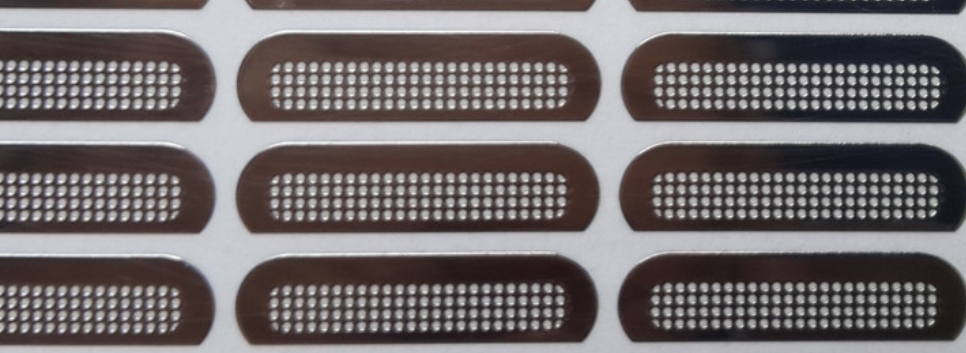
Electroplating plays a crucial role in various manufacturing sectors. This process enhances metal surfaces, improving their durability and appearance. In fact, the global electroplating market is projected to reach USD 24.03 billion by 2033. This growth stems from the essential need for protective and decorative finishes, especially in electronics and automotive industries. Over 65% of demand arises from these sectors, highlighting the importance of the metal electroplating process in modern manufacturing.
Key Takeaways
Electroplating enhances metal surfaces, improving durability and appearance, making it essential in industries like automotive and electronics.
The process involves key components: an external circuit, cathodes, plating solutions, and anodes, all working together for effective plating.
Choosing the right electrolytic solution is crucial; it affects the coating’s quality, thickness, and corrosion resistance.
Electroplating offers benefits like improved aesthetics, corrosion resistance, and enhanced durability, making products last longer.
Despite its advantages, electroplating poses environmental challenges, such as wastewater pollution, which requires careful management.
What is Electroplating?
Overview of Electroplating
Electroplating, also known as electrodeposition, is a process that deposits a layer of material onto a substrate using electric current. This technique enhances the surface of an object, improving its wear resistance, corrosion protection, and aesthetic appeal. You can find electroplating in various applications, from jewelry to automotive parts. The process not only adds beauty but also extends the life of the items you use every day.
Historical Context
The history of electroplating is fascinating and spans thousands of years. Here are some key milestones in its development:
Bronze Age (3rd millennium BCE): Early examples of metal inlays using metal foil and wire.
Iron Age (12th to 5th century BCE): Complete plating of objects in ancient Greece.
Roman Period (1st to 4th century CE): Introduction of displacement plating and mercury gilding.
Medieval Period (5th to 15th century): Development of techniques for iron armor and the Damascene inlay technique.
Renaissance (15th to 17th century): Advancements in displacement plating, including silvering of clock dials.
Industrial Revolution (late 18th to early 19th century): Invention of the voltaic pile by Alessandro Volta, which led to the development of electroplating.
1801: William Cruickshank describes electroplating.
1805: Luigi Brugnatelli invents electroplating, using Volta piles to deposit gold.
1830s: Rediscovery of electroplating processes by various scientists, leading to patents by the Elkington cousins.
Electroplating has evolved significantly since its inception. The Industrial Revolution marked a turning point, as factories began to produce electroplated goods on a larger scale. Initially, skilled artisans performed the work, but advancements in technology led to semi-automation and eventually full automation. This evolution allowed for precise control and consistency in the electroplating process, making it more efficient and cost-effective.
Metal Electroplating Process
Components of the Process
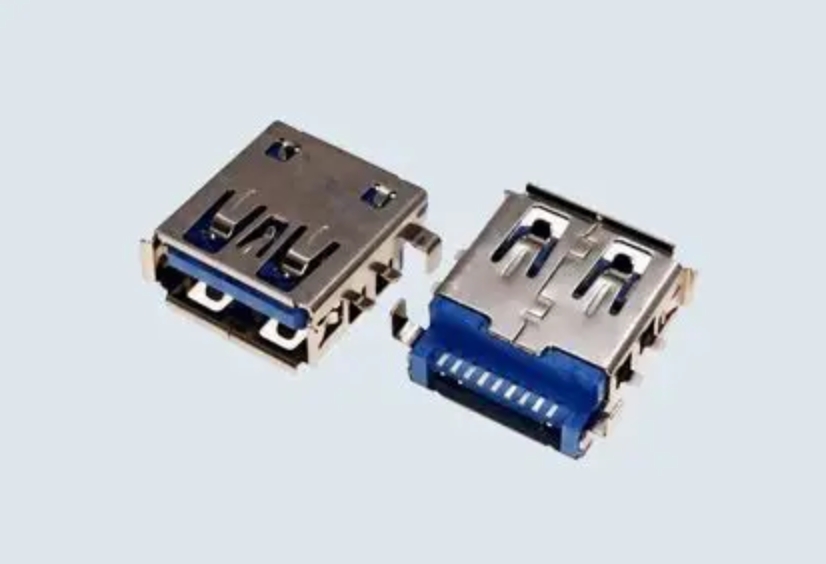
The metal electroplating process involves several key components that work together to create a durable and attractive finish on various objects. Here’s a breakdown of these components:
Component | Description |
|---|---|
External Circuit | This includes a DC power source, current conveyance means, and instruments like ammeters and voltmeters. |
Cathodes | The workpiece to be plated, positioned to make contact with the current source. |
Plating Solution | An aqueous solution referred to as the bath, essential for the electroplating process. |
Anodes | Usually the metal being plated, completing the circuit and sometimes replenishing the bath’s metal. |
These components work in harmony to ensure that the electroplating process runs smoothly and effectively.
Role of Anode and Cathode
In the electroplating process, the anode and cathode play crucial roles. The anode serves to replenish the positive metal ions in the electrolyte. Meanwhile, the cathode is where these ions are deposited. For example, when electroplating brass with copper, the brass acts as the cathode connected to the negative terminal, while a copper anode maintains the concentration of copper ions in the solution. This interaction is vital for achieving a uniform and high-quality coating.
Electrolytic Solution
The choice of electrolytic solution is critical in the metal electroplating process. It directly influences the quality of the coating, including its thickness, adhesion, and corrosion resistance. Different metals require specific electrolytic compositions. Here’s a table showing common electrolytic solutions used in electroplating:
Metal | Electrolyte Composition | Application |
|---|---|---|
Copper (Cu) | 20% CuSO4, 3% H2SO4 | Electrotype |
Silver (Ag) | 4% AgCN, 4% KCN, 4% K2CO3 | Jewelry, tableware |
Gold (Au) | 3% AuCN, 19% KCN, 4% Na3PO4 buffer | Jewelry |
Chromium (Cr) | 25% CrO3, 0.25% H2SO4 | Automobile parts |
Nickel (Ni) | 30% NiSO4, 2% NiCl2, 1% H3BO3 | Cr base plate |
Zinc (Zn) | 6% Zn(CN)2, 5% NaCN, 4% NaOH, 1% Na2CO3, 0.5% Al2(SO4)3 | Galvanized steel |
The composition of the electrolytic solution determines how effectively metal ions are transported to the surface being coated. This affects the final product’s durability and finish. Adjusting parameters like current density and temperature can further optimize the electroplating results.
Metals Used in Electroplating
Commonly Plated Metals
You will find several metals frequently used in electroplating due to their unique properties. Here are some of the most common ones:
Copper: Known for its excellent conductivity and corrosion resistance, copper serves as a popular choice for electrical components.
Nickel: This metal provides a durable and corrosion-resistant finish. You can find nickel plating in both decorative and industrial applications.
Gold: Gold offers outstanding conductivity and oxidation resistance. It is widely used in electronics and jewelry.
Silver: Highly conductive, silver is often used in electrical components and decorative items.
Chromium: This metal gives a shiny, hard surface that resists corrosion and wear, making it ideal for automotive parts.
Specialty Metals
Specialty metals have unique properties that make them suitable for specific applications. Here’s a table highlighting some of these metals, their unique properties, and their applications:
Metal | Unique Properties | Applications |
|---|---|---|
Nickel | Offers corrosion protection | Automotive parts, bathroom fixtures, electronics |
Copper | Versatile, provides a base for subsequent plating | Electronics, cookware |
Chromium | Lustrous, corrosion-resistant finish | Automotive parts, kitchen appliances |
Zinc | Prevents corrosion on iron and steel surfaces | Galvanized nails, steel structures |
Tin | Provides corrosion resistance | Food cans, electronic components |
Rhodium | Bright, white finish, enhances durability | Jewelry, particularly white gold |
Choosing the right metal for electroplating affects the quality and performance of the final product. For example, gold plating ensures excellent corrosion resistance and conductivity, making it ideal for electronics. On the other hand, nickel plating offers moderate corrosion resistance and versatility across various applications.
By understanding the properties of these metals, you can make informed decisions about which ones to use for your electroplating needs.
Benefits and Limitations
Advantages of Electroplating
Electroplating offers numerous benefits that enhance both the functionality and appearance of various products. Here are some key advantages:
Improved Aesthetic Appeal: Electroplating enhances the look of products, making them more attractive. For instance, chromium plating provides a shiny, mirror-like finish that resists tarnishing. This quality makes it ideal for automotive parts. Nickel plating, on the other hand, gives a satin finish that offers excellent wear resistance, commonly used in aerospace applications.
Type of Electroplating | Finish Type | Benefits |
|---|---|---|
Chromium | Shiny, mirror-like | Resists tarnishing, ideal for automotive parts |
Nickel | Satin | Excellent wear resistance, used in aerospace |
Corrosion Resistance: Electroplating protects metals from corrosion. A layer of a more resistant metal can shield the base material from environmental factors. This protection extends the lifespan of products, reducing the need for frequent replacements.
Enhanced Durability: The process increases the hardness of surfaces, making them more resistant to wear and tear. This durability is crucial for items exposed to harsh conditions, such as tools and machinery.
Cost-Effectiveness: Electroplating can be more economical than other finishing methods. It allows manufacturers to use less expensive base materials while achieving a high-quality finish. This approach reduces production costs without sacrificing quality.
Limitations and Challenges
Despite its advantages, electroplating also presents several limitations and challenges that you should consider:
Environmental Concerns: The electroplating process generates wastewater containing heavy metals, oils, acids, and solvents. If not treated properly, these pollutants can harm aquatic life and contaminate ecosystems. For example, heavy metals like nickel and chromium pose significant risks if discharged untreated.
Evidence Description | Source Link |
|---|---|
Electroplating processes generate wastewater containing heavy metals, oils, acids, and solvents. | |
Heavy metal pollutants found in wastewater from electroplating, such as nickel, cadmium, zinc, and chromium, pose significant risks if not treated properly. | |
Direct discharge of metals is toxic to aquatic life and can contaminate ecosystems, with Cr(VI) being a known carcinogen. |
Technical Limitations: You may encounter technical challenges during the electroplating process. Common issues include:
Adhesion problems due to impurities between the surface and the coating, leading to defects like blisters.
Pitting caused by air or hydrogen bubbles, particularly in thicker deposits.
Variations in geometry affecting current density, which can impact the uniformity of plating.
By understanding both the benefits and limitations of the metal electroplating process, you can make informed decisions about its application in your projects.
Applications of Electroplating
Automotive Industry
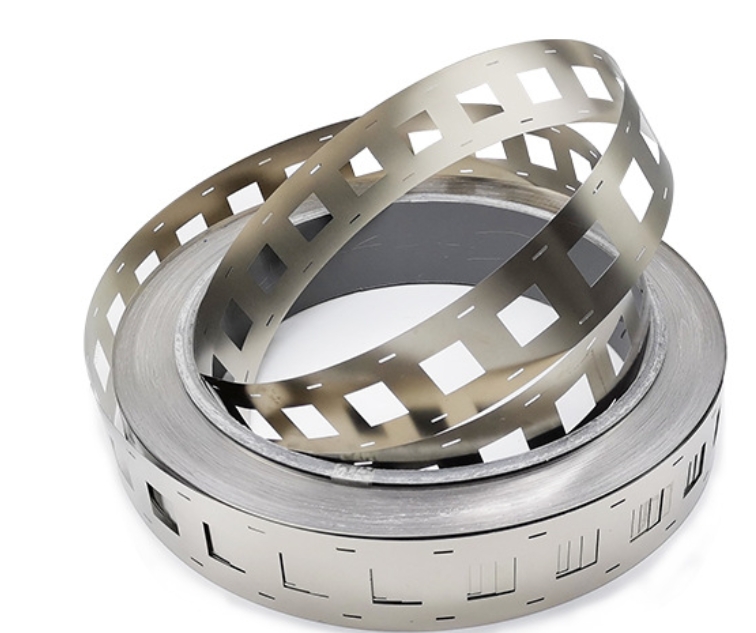
Electroplating plays a vital role in the automotive industry. You can find it used in various components to enhance both functionality and aesthetics. Here are some common applications:
Bumpers: Electroplated with chromium for a shiny, corrosion-resistant finish.
Grilles: Enhanced durability and appearance through electroplating.
Emblems and Badges: Nickel or chrome plating maintains luster and prevents tarnishing.
Trim Pieces: Provides a sleek and polished look.
Wheel Rims: Chrome plating enhances appearance and offers corrosion protection.
Fasteners and Bolts: Improved corrosion resistance and strength.
Engine Components: Plated for aesthetic purposes and corrosion resistance.
Brake Components: Prevents rust and improves longevity.
Lighting Components: Enhanced aesthetics and durability.
Electroplating not only enhances the appearance of automotive parts but also maintains their structural integrity. By providing a protective layer, it ensures that components withstand various environmental conditions, preserving their functionality and longevity.
Benefit | Description |
|---|---|
Corrosion Resistance | Protects automotive parts from rust and environmental damage. |
Wear Protection | Shields components from wear, extending their operational lifespan. |
Aesthetic Appeal | Enhances the visual quality of car parts, contributing to overall vehicle value. |
Electronics and Technology
In the electronics sector, electroplating significantly improves the performance and reliability of devices. It enhances the conductivity of connectors, contacts, and circuits. For example, rhodium electroplating is frequently utilized due to its low electrical resistance. This process provides a protective layer on sliding electrical contacts, reducing wear and preventing oxidation.
Surface oxides can form on a contact or connector, inhibiting its ability to conduct electricity.
Contact plating with metals containing anti-oxidation properties prevents this surface formation.
Many precious metals offer a smooth finish in plating, enabling a solid connection with the mated surface.
Benefit | Description |
|---|---|
Enhanced Conductivity | Coatings such as gold, silver, and copper significantly improve the electrical conductivity of components. |
Decorative Items
Electroplating also finds extensive use in decorative items. It enhances the visual appeal of various products, making them more attractive to consumers. Common applications include:
Jewelry: Rings, bracelets, and watches.
Architectural Elements: Decorative panels and fixtures.
Tableware: Ornamental objects that require a shiny finish.
Home Décor: Mirrors, frames, and other decorative items.
Electroplating plays a crucial role in enhancing the market value and consumer appeal of decorative products. It provides visually attractive finishes that meet consumer demand. The functional benefits, such as increased wear resistance and surface protection, contribute to product longevity and overall consumer satisfaction.
In summary, the metal electroplating process plays a vital role in various industries. You can enhance the durability and appearance of products through this technique. Recent advancements focus on efficiency and sustainability. For instance, automation and nanotechnology improve performance and reduce environmental impact.
Description | |
|---|---|
Technological Advancements | The electroplating market is expected to grow due to innovations in technology. |
Increasing Demand | Various sectors are driving the demand for electroplating applications. |
Shift Towards Sustainability | There is a growing emphasis on eco-friendly solutions in the industry. |
Integration of Automation | Automation and IoT technologies are enhancing operational efficiency and product quality. |
As you explore the applications of electroplating, consider its benefits and challenges. This knowledge will help you make informed decisions in your projects.
FAQ
What is the main purpose of electroplating?
Electroplating primarily enhances the surface of metals. It improves corrosion resistance, wear resistance, and aesthetic appeal. You can find it in various applications, from jewelry to automotive parts.
How long does the electroplating process take?
The duration of electroplating varies based on factors like the thickness of the coating and the type of metal used. Typically, it can take anywhere from a few minutes to several hours.
Is electroplating environmentally friendly?
Electroplating can pose environmental challenges due to wastewater containing heavy metals. However, advancements in technology aim to reduce waste and improve sustainability in the process.
Can you electroplate any metal?
Not all metals are suitable for electroplating. Commonly plated metals include copper, nickel, gold, and silver. Each metal requires specific electrolytic solutions for effective plating.
What are the safety precautions during electroplating?
You should wear protective gear, including gloves and goggles, when handling chemicals. Ensure proper ventilation in the workspace to avoid inhaling harmful fumes during the electroplating process.
See Also
The Impact of Selective Electroplating on Lead Frame Quality
Continuous Selective Plating Without Molds for Gold Plating Strips
Reducing Gold Plating Expenses in I/O Interfaces Using Selective Plating
Selecting the Best Selective Plating Service for Connectors
Strategies to Lower Plating Mold Expenses for Electronics Makers