
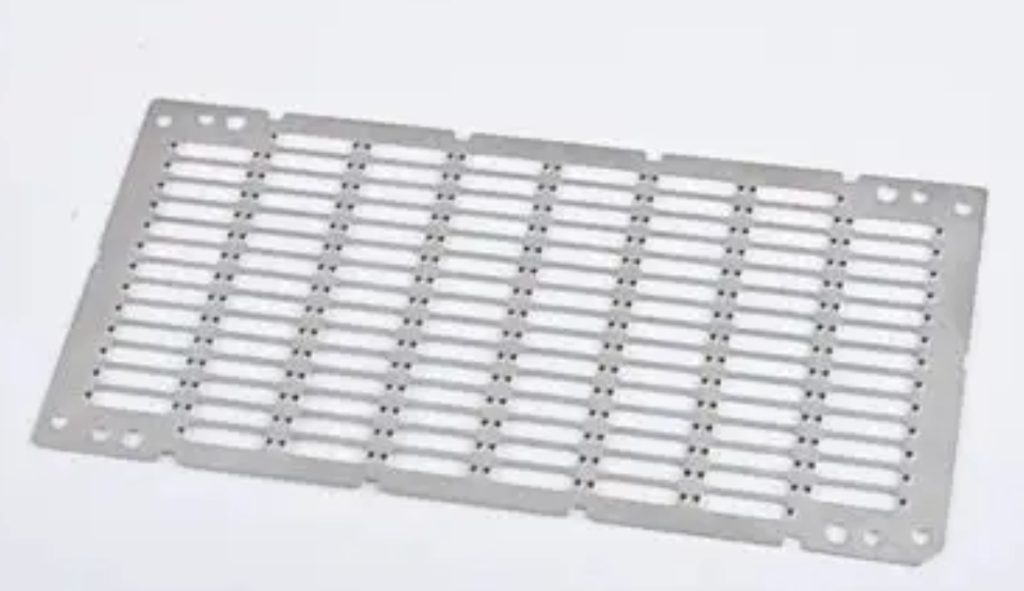
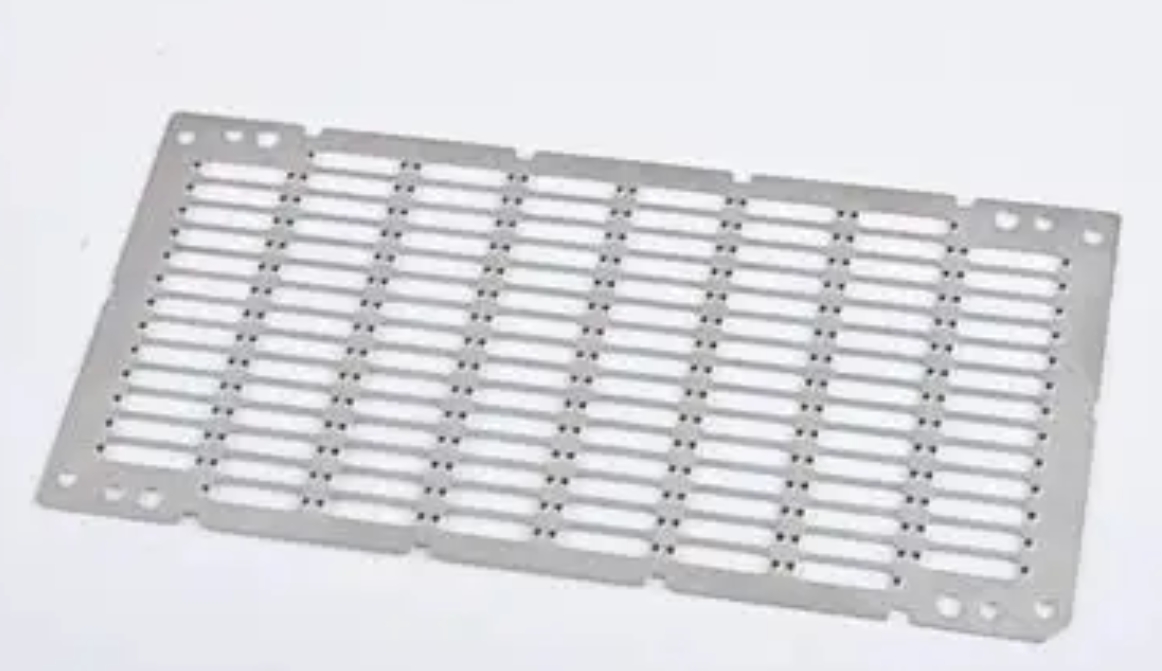
The future development of electroplating technology is driven by key forces. You face an urgent need for sustainability, a growing demand for advanced material properties, and its critical role in new technology. These elements are fundamental for electroplating‘s innovation and growth. The global electroplating market is substantial:
Source | 2025 Market Size | 2026 Estimated Size | Projected Size | CAGR (Period) |
|---|---|---|---|---|
Precedence Research | USD 21.47 billion | USD 22.56 billion | USD 33.44 billion (by 2034) | 5.05% (2025–2034) |
Market.us | USD 21.9 billion | N/A | USD 34.5 billion (by 2035) | 4.6% (2026–2035) |
Fortune Business Insights | USD 32.80 billion | N/A | USD 48.98 billion (by 2034) | N/A |
Experts project the electroplating industry will grow at a 5.92% Compound Annual Growth Rate from 2026 to 2031, with its valuation rising from $23.41 billion in 2026 to $31.25 billion by 2031. Electroplating provides essential protection for many materials. For example, electroplating on plastic components enhances their surface durability. You see electroplating widely used for plastic parts, improving the surface of plastic products.
Key Takeaways
The global electroplating market grows fast because industries need strong metal coatings.
New green electroplating methods use safer chemicals to protect workers and the environment.
Advanced coatings give materials extra strength, heat resistance, and protection against rust.
Factories use artificial intelligence and smart sensors to control the plating process precisely.
Engineers now plate metal onto light plastic parts to build lightweight high-tech products.
Key Drivers in Electroplating Development

Sustainable Electroplating Practices
You see a strong push for sustainable practices in electroplating. This shift is not just about environmental responsibility; it also offers significant economic advantages. Implementing sustainable electroplating offers several financial benefits:
Decreased expenditure on waste processing and treatment.
Minimized costs related to regulatory adherence and compliance.
Reduced insurance premium rates.
Enhanced market reach and competitiveness through adherence to environmental standards.
Maximizing resource efficiency allows operations to significantly decrease variable expenses connected to metals and anodes, while generating savings across broader operational sectors. Embracing circular
electroplatingenhances overall business profitability and secures a strong competitive advantage in the industry.
These benefits of electroplating sustainably drive the development of electroplating technology. You gain better protection for your products while also protecting the environment.
Advanced Material Properties
Industries increasingly demand coatings with superior material properties. Electroplating provides solutions for these needs. You require enhanced surface characteristics for many application areas. Here are some properties in high demand:
Nanocrystalline Enhancements: You get substantially increased hardness, wear resistance, and anti-corrosion behavior compared to standard deposits.
Tunable Composite Performance: You achieve specific functional properties like integrated self-lubricity (with PTFE), extreme wear endurance (with diamond particles), and thermal stability (with silicon carbide).
Mechanical Strength & Tribology: You experience higher tensile and bending strength, reduced friction, and superior abrasion resistance.
Radiation & Chemical Shielding: You gain protective barriers against UV rays, radiation, and aggressive chemicals.
Biocompatibility & Antibacterial Properties: You find high biocompatibility with body fluids (e.g., gold and titanium) and infection-reducing antibacterial characteristics (e.g., silver) for medical implants and devices.
Corrosion and Environmental Resistance: You get superior ability to resist extreme temperatures, humidity, and chemical exposure for harsh environment
applications.Surface Quality and Uniformity: You achieve enhanced
surfacesmoothness and visual/functional finishes critical for electronics performance.Multi-functional Durability: You benefit from combined improvements in
surfacehardness, electrical conductivity, and wear resistance.
This demand for advanced surface properties pushes the electroplating process forward, especially for materials like plastic.
Miniaturization and Emerging Tech
Miniaturization is a major driver. You see smaller components everywhere, from electronics to medical devices. This trend requires precise electroplating solutions. The electronics and electrical sector drives demand for miniaturized components. They have strict requirements for superior coating precision, enhanced electrical conductivity, and uniform coatings on smaller devices. The automotive industry also uses precision finishing technologies for miniaturized components and compact automotive electronic architectures. This includes electroplating on plastic parts. The plastic plating process becomes crucial for these tiny components. Metal plating plastic offers lightweight solutions with robust protection. You find electroplating on plastic essential for many modern products. The electroplating process must adapt to these tiny scales, ensuring corrosion and wear protection and a perfect surface finish for every plastic part.
Innovations in Electroplating Technology
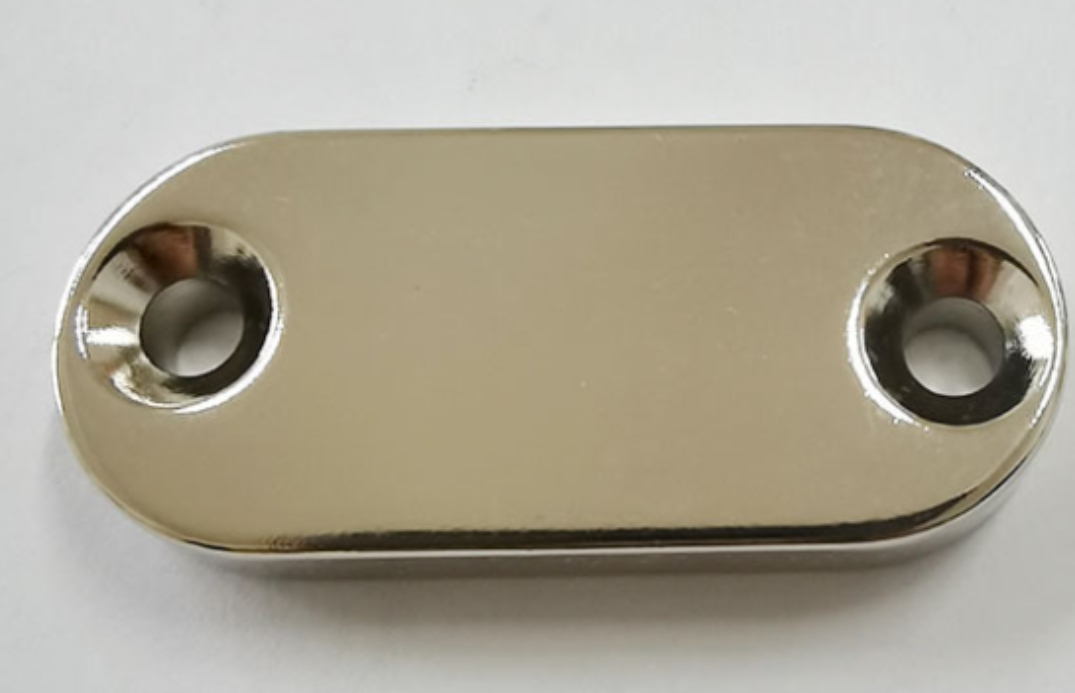
You see constant innovation driving the development of electroplating technology. These advancements address sustainability, material performance, and manufacturing efficiency.
Green Electroplating
You now have safer and more efficient electroplating options. These methods reduce environmental impact and improve worker safety.
For example, non-cyanide baths replace highly toxic cyanide solutions. Trivalent chromium plating offers a safer alternative to hexavalent chromium. You get significant advantages with trivalent chromium:
You see a minimum 5% decrease in part rejections compared to hexavalent processes.
You reduce scrap metal costs and maximize the total volume of components plated per batch.
You gain proven long-term reliability, used in demanding automotive exterior trucking
applications for three decades.You experience superior operational stability with an unlimited electrolyte lifespan and consistent process.
You achieve high
protectionagainst environmental corrosion in outdoor conditions.
Ionic liquids are another exciting development. These molten salts act as non-toxic solvents for electroplating. They offer unique benefits:
Category | Details & Findings |
|---|---|
Inherent Characteristics | High intrinsic electrical conductivity, suitability for deep eutectic solvent (DES) formulations (e.g., choline chloride + chromium (III) chloride). |
Process Performance | – Achieves high current efficiency (>90%). |
Coating Quality | Produces finishes that are crack-free, highly corrosion-resistant, and feature improved adhesion and coating density. |
Key Applications | – Chromium Electroplating: Commercial and pilot-scale processes (Scionix). |
Pulse plating is an advanced electroplating technique. It applies current in pulses rather than continuously. This method gives you better control over the deposit’s microstructure.
Plating Technique | Specific Coating Property Improvements |
|---|---|
Pulse Plating | – Yields more compact, finer-grained, and brighter/mirror-like |
Pulse Reverse Plating | – Achieves exceptional thickness uniformity across the entire |
You also get electrical property enhancements:
It increases electrical conductivity of the plated layer.
It decreases internal resistance.
It provides superior bondability. This
electroplating processforms denser, pore-free, and corrosion-resistant layers. It ensures uniform plating even across complex geometries.
Nanostructured and Composite Coatings
You can now create coatings with exceptional properties using nanostructured and composite materials. Nanostructured coatings feature extremely small grain sizes. This gives you superior hardness, wear resistance, and corrosion protection.
Here are common types of nanostructured coatings:
Structure / Material Type | Specific Examples / Classifications | Primary Applications / Features |
|---|---|---|
Dimensional Classifications | 3D (equiaxed crystallites), 2D (layered/lamellar), 1D (filamentary), 0D (atom clusters) | Based on physical geometry and nanoscale dimensions |
Metallic & Alloy Coatings | Pd, Ni-Pd, Co, Co-W, Co-P, Ni, Ni-P, Ni-Mo, Ni-Zn, Ni-Fe, Ni-Fe-Cr | Hydrogen storage, fuel cells, hard coatings, corrosion |
Composite & Ceramic Nanocoatings | Ni-Al2O3, Ni-SiC | Wear resistance and enhanced corrosion |
Multilayer & Mixed Phase Systems | Cu/Ni (epitaxial multilayers), NiPx/Sn (amorphous combined with crystalline) | Artificially structured coatings with tailored properties |
Composite coatings embed nanoparticles or other dispersed phases into the metal matrix. This creates materials with enhanced functionalities. You gain these enhanced properties:
You achieve high
surfacehardness with ceramic particles like Si3N4.You get superior anti-wear and abrasive wear resistance.
You benefit from self-lubricating behavior and low friction by adding graphite particles.
You gain enhanced corrosion resistance and adhesion, even on
plastic.You can tailor multiple complementary properties within a single coating system.
Advanced Process Control
You can achieve greater precision and efficiency in electroplating through advanced process control. Artificial intelligence (AI) and machine learning (ML) play a crucial role. They optimize electroplating process parameters.
Here is how AI optimizes electroplating parameters:
Image Classification: The Mask RCNN algorithm categorizes coated hull-cell panels into five distinct appearance categories. It achieves high accuracy, with Intersection over Union (IoU) scores between 89% and 98%.
Machine Learning Modeling: Multiple ML algorithms predict panel appearance classes. The Random Forest (RF) model achieves the highest accuracy, with F1 scores from 0.94 to 1.00.
Multi-Objective Optimization: The trained RF model helps optimize organic additive concentrations and operational conditions. This ensures you achieve a full bright coating.
Real-time monitoring technologies continuously track bath composition and performance. This ensures consistent quality.
Technology Category | Specific Monitoring Tool | Primary Parameter Measured | Working Mechanism |
|---|---|---|---|
Electrochemical | CVS / CPVS | Concentration of organic additives (brighteners, carriers) | Analyzes metal deposition and stripping charges via cyclic voltage variation. |
Electrochemical | In-line Virtual Hull Cell | Overall bath health and current density distribution | Employs multi-electrode arrays to model plating behavior across a part |
Electrochemical | Linear Sweep Voltammetry (LSV) | Coating corrosion properties and efficiency | Measures current response during a voltage sweep to assess corrosion rates. |
Physical/Chemical Sensors | In-line pH Electrodes | Solution acidity/alkalinity | Continuously monitors hydrogen ion potential to control deposition kinetics. |
Physical/Chemical Sensors | Resistance Temperature Detectors (RTDs) | Solution temperature | Tracks bath thermal energy affecting plating rates and bath conductivity. |
Physical/Chemical Sensors | Conductivity Cells | Total ion concentration / Dissolved solids | Measures electrical conductance to detect dilution or salt accumulation. |
Optical & Spectroscopic | UV-Vis Spectroscopy | Organic additives and metal impurities | Evaluates light absorption in flow cells using the Beer-Lambert law. |
Optical & Spectroscopic | X-Ray Fluorescence (XRF) | Metal ion concentration (Cu²⁺, Ni²⁺, Zn²⁺) | Measures energy emitted when X-rays excite metal atoms in solution. |
Optical & Spectroscopic | Ion-Selective Electrodes (ISE) | Target ion activity (Cl⁻, CN⁻) | Detects potentiometric changes across ion-specific membranes. |
You use these systems for automated control:
Continuous Sampling: A pump extracts solution from the main plating tank.
Real-Time Analysis: Sensors measure specific chemical or physical parameters.
Evaluation: A Programmable Logic Controller (PLC) compares live measurements against setpoints.
Automated Dosing: The controller injects chemical additives if parameters deviate.
Logging and Safety: Data is logged, and automated alarms trigger if values are dangerous.
Electroplating on Non-Metallic Substrates
You can now electroplate on non-metallic substrates like plastic and ceramics. This opens up new possibilities for lightweight and functional components. The development of plating on plastic is especially important.
However, you face challenges when electroplating on plastic:
Health and Safety Hazards: Traditional chemical treatments for metallizing non-metallic parts often used hexavalent chromium. This is a highly hazardous carcinogen.
Regulatory Burden and Costs: Compliance with strict environmental rules requires costly safety upgrades. Many facilities transition to alternatives like trivalent chromium or nickel.
Challenge Category | Specific Issues | Operational Impact |
|---|---|---|
Material Electrical Conductivity | Non-conductive nature of substrates | Inhibits traditional |
Structural & Mold Design | Wall thickness (>3.8mm), dimension variance, and mold release agents | Leads to warping, non-uniform cooling, plate buildup (flash), and poor layer adhesion due to chemical contamination. |
Processing & Handling | Fluid entrapment, residual moisture, extreme thermal exposure | Causes chemical leakage, |
You need effective pre-treatment methods to prepare non-metallic surfaces for electroplating. These methods activate the surface for metal adhesion.
Plasma treatment: You use energized gas to alter the
surfaceproperties of the non-metallic substrate.Chemical activation: You apply chemical solutions to create active sites for metal adhesion.
Ultraviolet (UV) radiation: You use UV light energy to modify the
surfacestructure to enhance bonding.
These steps are crucial for a successful plastic plating process. They ensure the metal plating plastic adheres properly.
Additive Manufacturing Synergies
You can combine electroplating with 3D printing (additive manufacturing) for innovative solutions. This synergy creates complex geometries with enhanced surface properties. You get the benefits of plating on plastic and other 3D printed materials.
This combination offers significant advantages across various applications:
Application Area | Specific Use Case / Project | Key Advantages | Benefits Achieved |
|---|---|---|---|
Aerospace | NASA’s FrankenEye project (Unmanned Air Systems) | Weight reduction and cost savings | Uses plated |
Scientific Instrumentation | EPFL Beam Splitters | Accelerated manufacturing and design reliability | Drastically reduces production time from months to 48 hours (50x to 100x faster), minimizing downtime for scientific research. |
Consumer Products | Reusable Printed Utensils | Enhanced | Adds a protective metal coating that resists scratching, tarnishing, thermal extremes, and food acids. |
Electronics | Conductive Electronic Components | Electrical conductivity and cost efficiency | Silver-coating printed |
These specific plastic plating applications show how metal plating plastic creates a durable, functional metal-coated plastic. This approach offers lightweight solutions with robust protection.
Challenges and Opportunities
Overcoming Technical Hurdles
You face technical hurdles as electroplating technology advances. These challenges appear with complex materials and designs. In semiconductor manufacturing, you encounter issues like:
Technical Hurdle Category | Specific Operational Issue | Impact on Semiconductor Manufacturing |
|---|---|---|
Deposition Uniformity | Inconsistent film growth on complex topographies & HAR structures | Causes localized defects, poor adhesion, and erratic electrical conductivity |
Feature Filling (TSVs/Micro-bumps) | Seam voids, structural gaps, and incomplete filling | Undermines mechanical strength and interconnect electrical performance |
Multi-Variable Process Control | Fluctuations in current density, electrolyte pH, temperature, and additives | Leads to deposition rate instability, |
Equipment & Scale-Up | Scaling processes to larger 300 mm wafers and high-volume throughput | Risks compromising film quality and uniform distribution across the wafer |
Process Integration | Integration with sequential steps like CMP and chemical etching | Requires continuous refinement of equipment compatibility and chemical performance |
Material-Specific Dynamics | Side-reactions like hydrogen evolution and insufficient step coverage (e.g., Cobalt) | Degrades layer integrity and increases thermal-mechanical stress voiding risks |
Researchers actively work to overcome these electroplating limitations. R&D efforts focus on safer, more precise methods:
R&D Focus Area | Technical Limitation Addressed | Solution / Innovation Mechanism |
|---|---|---|
Cyanide-Free Alkaline Plating | Toxic cyanide usage and divalent copper immersion issues | Formulating monovalent copper (Cu(I)/Cu(II)) baths with mercapto ligands (triazoles/tetrazoles) |
Ionic Liquid Bath Solutions | Toxicity and low current efficiency in aqueous plating | Replacing aqueous baths with ionic liquids |
Electromagnetic Field Control | Non-uniform plating thickness | Implementing apparatuses with regulating plates or magnetic components |
Selective Metal Deposition | Lack of precision in selective area plating | Applying plasma-deposited anti-electroless coatings prior to immersion plating |
Advanced deposition methods like pulse plating reduce internal stresses. Digital tools like AI optimize parameters. Nanotechnology enhances coating durability. This includes electroplating on plastic for improved surface properties. You achieve better protection for plastic components. This is crucial for lightweight plastic parts.
Economic Viability and Investment
You need investment for the development of electroplating technology. This ensures innovations reach the market. Governments offer incentives to support electroplating growth:
Incentive Type | Details & Coverage | Financial/Policy Impact |
|---|---|---|
Subsidies | Equipment upgrades for modern | Up to 20% cost coverage |
Tax Credits | Incentives targeting sustainable manufacturing practices | Direct capital expenditure stimulus |
Grants & R&D Funding | Global public funding initiatives for eco-friendly | Estimated $150 million allocated |
Regulatory Frameworks | Environmental standards such as the EU Green Deal and China’s Circular Economy Promotion Law | Drives adoption of RoHS/REACH compliant |
The NSF Electrochemical Systems Program provides grants. These advance foundational research. They prioritize energy efficiency and sustainable production. They also encourage industrial collaborations.
Workforce Development
You need a skilled workforce for advanced electroplating. Training programs address this. The Master Electroplating Through Applied Learning (METAL) program in Connecticut is an example. It addresses talent shortages. It equips candidates with industry credentials for electroplating.
This program offers comprehensive training:
Module / Part | Instructional Focus | Allocated Hours |
|---|---|---|
Part I: Introduction | Overview of | 4 hours |
Part II: Prerequisites | Operational safety protocols, business fundamentals, and LEAN methodology | 3 hours |
Part III: Metal Finishing Basics | Hands-on | 24 hours |
Part IV: Critical Support Functions | Environmental compliance, wastewater management, quality assurance testing, and lab procedures | 8 hours |
Part V: Certifications | Preparation for professional credentials including CEF, LEAN, and OSHA 10 | 1 hour |
Part VI: Benefits & Career Support | Guidance on employee benefits, financial planning, healthcare, and community involvement | 2 hours |

This free program offers 40 hours of learning. You get a guaranteed job offer. Industry partners support it. This ensures you have skills for modern electroplating on plastic and other plastic materials. You learn the plastic plating process for diverse plastic substrates.
Academia-Industry Collaboration
You benefit from strong academia-industry partnerships. These collaborations drive innovation. They bridge research and practical application. This accelerates new electroplating process adoption. It also solves complex technical problems. For example, developing new electroplating on plastic techniques requires combined expertise. This ensures plastic components receive optimal surface finishes. Such collaboration advances the use of plastic in high-tech applications.
You drive the future of electroplating through continuous innovation. Sustainable practices, advanced materials, and smart manufacturing are critical. You address challenges and leverage opportunities. Collaboration and technological advancements ensure the electroplating industry’s significant growth. This industry remains indispensable across high-tech and traditional sectors. You ensure the continued development of electroplating technology. You provide vital surface protection for many materials, including plastic components. This electroplating enhances the surface of plastic parts.
FAQ
What is green electroplating?
Green electroplating uses safer chemicals. You replace toxic substances. Trivalent chromium is a good example. This method reduces environmental impact. It also improves worker safety. You get sustainable production. This benefits your business.
How does electroplating benefit plastic components?
Electroplating enhances plastic components. You get improved surface hardness. It provides excellent wear resistance. You also gain corrosion protection. This makes plastic parts more durable. It extends the lifespan of your plastic products. You can use plastic in more demanding applications. This process makes plastic stronger.
What role does AI play in modern electroplating?
AI optimizes plating processes. You use machine learning algorithms. They predict coating quality. AI monitors bath parameters in real-time. This ensures consistent results. You achieve higher efficiency. It reduces defects. This makes your plating operations smarter.
Can you electroplate on 3D printed plastic?
Yes, you can electroplate on 3D printed plastic. This combines additive manufacturing with plating. You create complex plastic geometries. The plating adds strength. It provides conductivity. You get enhanced surface properties for your plastic parts. This expands plastic application possibilities.
What are the challenges of electroplating on plastic?
Electroplating on plastic presents challenges. You need proper surface preparation. Plastic is non-conductive. You must activate the plastic surface. Adhesion can be an issue. You also face regulatory hurdles. These relate to traditional chemical treatments for plastic. You overcome these with new methods.
See Also
How Continuous Etching Is Revolutionizing Advanced Future Electronics Manufacturing
Toolless Selective Plating Is Driving American Technology Manufacturing Forward
Accelerating Electronic Prototype Development Through Innovative Die-Free Selective Plating
Smart Strategies To Lower Plating Mold Expenses For Manufacturers
Transforming Microelectronic Lead Frame Quality Using Advanced Selective Electroplating