
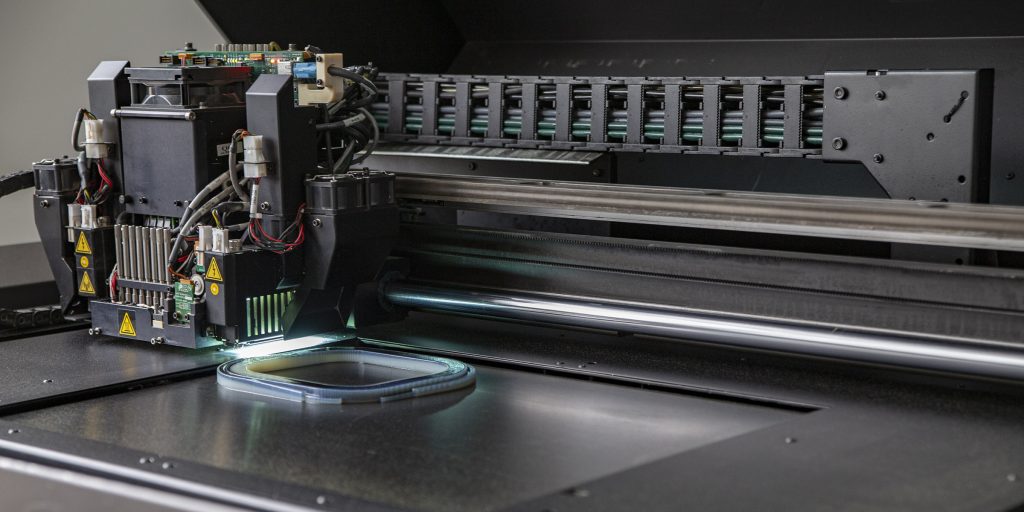
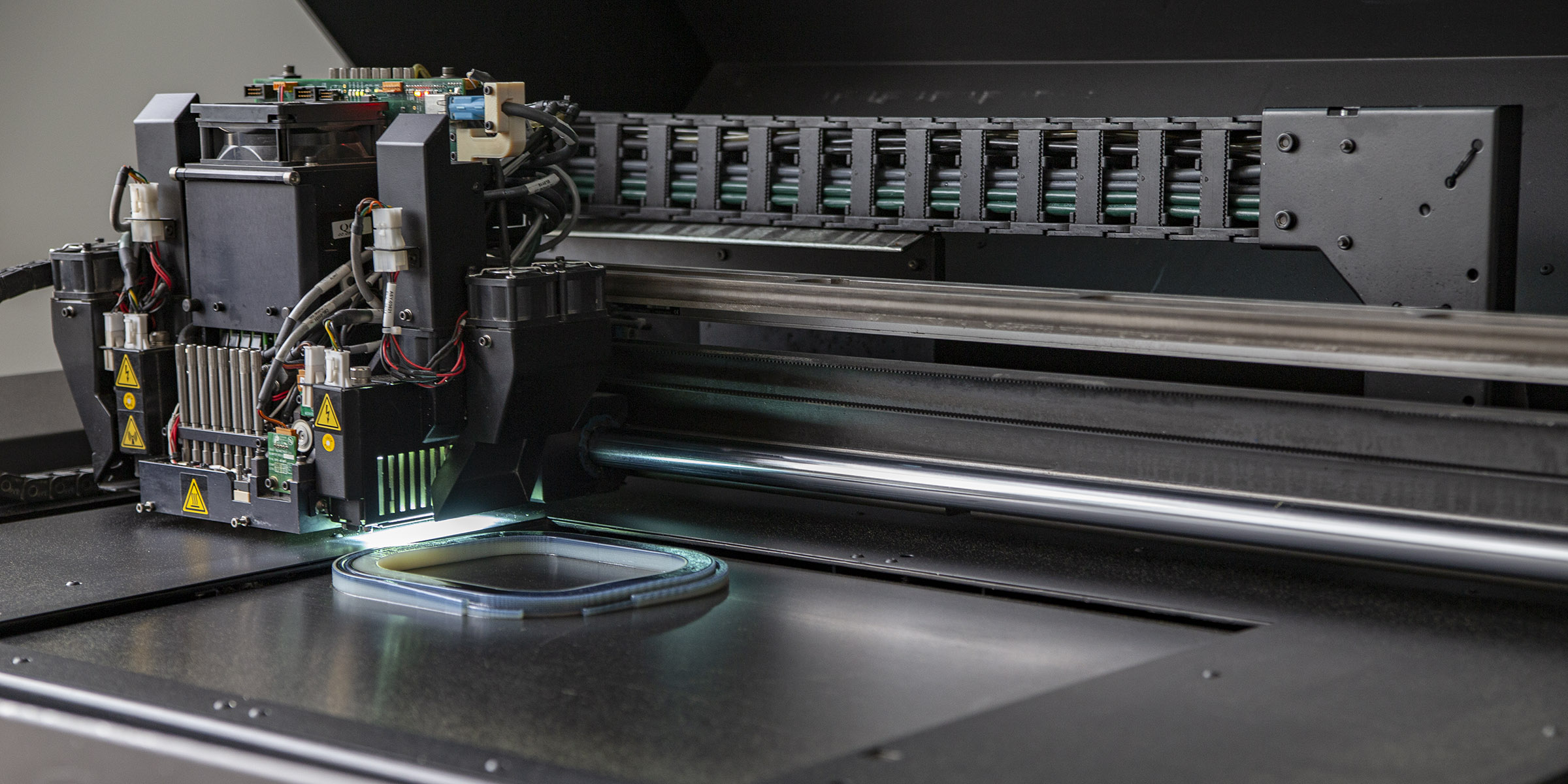
No-tooling selective plating revolutionizes manufacturing for AI hardware and medical device producers. This innovative approach enhances efficiency and dramatically reduces costs. As you navigate a competitive landscape, the demand for advanced solutions grows. Embracing no-tooling selective plating allows you to streamline production and maintain high-quality standards. Partnering with a no tooling selective plating OEM supplier can significantly improve your operational capabilities, ensuring you stay ahead in this rapidly evolving market.
Key Takeaways
No-tooling selective plating enhances manufacturing efficiency by applying metal coatings only where needed, reducing waste and costs.
This innovative method allows for faster production cycles, with plating occurring 30 to 60 times quicker than traditional methods.
Partnering with a no-tooling selective plating OEM supplier can lead to significant cost savings and shorter lead times, improving your competitive edge.
Customization options with materials like nickel provide enhanced durability and corrosion resistance, ideal for medical devices and AI hardware.
Embracing no-tooling selective plating supports sustainability efforts by minimizing material usage and energy consumption.
What is No-Tooling Plating?

Overview of Selective Electroplating
No-tooling selective plating represents a significant advancement in manufacturing technology. This method focuses on applying metal coatings only to specific areas of a component, rather than covering the entire surface. By utilizing a targeted approach, selective electroplating enhances efficiency and precision in the production process.
The process involves several key steps:
Preparation: An electrolyte solution containing ions of the desired deposit material is prepared.
Setup: The tool, or anode, connects to a portable power pack that controls amperage, voltage, and duration.
Application: The tool contacts the surface of the component, creating a circuit.
Plating: Ions from the electrolyte bond to the negatively charged surface, forming the plating layer.
Control: This process allows for precise control over deposit thickness, often eliminating the need for post-machining.
The table below highlights how selective electroplating differs from traditional plating methods:
Aspect | Selective Electroplating | Traditional Plating |
|---|---|---|
Process | Targets specific areas of a part | Immerses the entire part in a plating bath |
Efficiency | More efficient due to localized application | Less efficient, requires full immersion |
Precision | High precision in plating | Lower precision, uniform coating across part |
Repair Capability | Ideal for targeted repairs without full replating | Requires full replating, affecting entire part |
Equipment Portability | Portable equipment can be used on-site | Requires a dedicated plating bath setup |
Benefits of No Tooling Technology
The no-tooling approach offers numerous advantages for manufacturers. Here are some key benefits:
Cost Efficiency: By applying metal coatings only where needed, you minimize waste and reduce costs associated with purchasing expensive metals like gold and platinum. This technique supports sustainability initiatives by decreasing waste products and energy consumption.
Increased Flexibility: No-tooling technology allows for efficient use of resources. You can adapt production lines to accommodate varying demands without the need for extensive retooling. This flexibility is crucial for meeting market demands and optimizing production schedules.
Faster Production: Selective plating is significantly quicker than traditional methods, with deposits occurring 30 to 60 times faster. Operating at room temperature prevents distortion and stress on parts, ensuring high-quality outcomes.
Sustainability: The reduction in material usage leads to lower overall production costs. This not only benefits your bottom line but also aligns with eco-friendly practices, making your operations more sustainable.
Advantages of No Tooling Selective Plating OEM Supplier
Cost Efficiency and Reduced Lead Times
Partnering with a no-tooling selective plating OEM supplier can lead to significant cost savings and shorter lead times. By eliminating the need for traditional tooling, you reduce upfront investment costs. This approach allows you to allocate resources more effectively, focusing on production rather than setup.
Minimized Material Waste: Selective electroplating applies coatings only where necessary, which reduces the amount of expensive materials used. This efficiency not only lowers costs but also supports sustainability initiatives by minimizing waste.
Faster Turnaround: With no tooling required, you can expect quicker production cycles. This speed is crucial in industries like AI hardware and medical devices, where time-to-market can significantly impact competitiveness.
Reduced Downtime: The streamlined process of no-tooling selective plating minimizes interruptions in production. You can maintain a steady workflow, ensuring that your operations run smoothly and efficiently.
Customization with Nickel and Other Materials
Customization is a key advantage of no-tooling selective plating. You can tailor your plating solutions to meet specific requirements, particularly when using nickel and other materials. Nickel plating, in particular, offers several benefits for medical device applications.
Criteria | Nickel Plating | Zinc Plating |
|---|---|---|
Corrosion Resistance | Up to 200 hours in salt spray tests | |
Surface Hardness and Wear | Up to 700 HV, ideal for friction and wear | Relatively soft, vulnerable to abrasion |
Coating Uniformity | Provides uniform coverage on complex geometries | May result in uneven coating thickness |
Appearance and Finish Options | Bright, satin, or matte finishes | Clear, yellow, black, or olive finishes |
Cost and Process Complexity | More costly, longer processing time | More economical and faster |
Environmental Compliance | Stricter waste treatment requirements | May involve regulated hexavalent chromates |
Medical Device Suitability | Ideal for instruments requiring corrosion resistance | Less suitable for high-performance medical devices |
Nickel’s superior corrosion resistance and hardness make it an ideal choice for medical devices that require durability and reliability. By choosing a no-tooling selective plating OEM supplier, you gain access to a range of materials and finishes that can be customized to fit your specific needs. This flexibility allows you to innovate and adapt to changing market demands while maintaining high-quality standards.
Role of OEM Suppliers in Selective Electroplating
Streamlining Production Processes
OEM suppliers play a crucial role in optimizing selective electroplating processes for AI hardware and medical device manufacturing. They enhance production efficiency by refining techniques that maintain structural integrity and achieve uniform coating distribution. This is particularly important for ultra-thin medical tubing and 3D printed components. Here are some key techniques they employ:
Reel-to-Reel Stamping: This method combines forming and finishing operations, reducing handling steps and enabling direct packaging.
In-line Plating: Continuous electrochemical plating during material movement ensures quality and shorter lead times.
Selective Plating Technologies: These allow targeted coating applications, reducing material usage and optimizing performance.
Advanced Control Systems: Utilizing masking and laser-defined boundaries ensures precise plating.
By implementing these techniques, OEM suppliers help you address common production bottlenecks. Selective electroplating reduces rework and scrap rates, which are significant challenges in precision manufacturing. This method allows for the repair of specific areas of components, enhancing precision while minimizing downtime.
Ensuring Quality and Compliance Standards
Quality assurance is paramount in selective electroplating, especially in industries like medical devices and aerospace. OEM suppliers adhere to strict compliance standards to ensure that their processes meet industry requirements. They follow protocols such as:
Certification/Standard | Description |
|---|---|
Quality management system for medical devices | |
REACH | Regulation concerning the Registration, Evaluation, Authorisation and Restriction of Chemicals |
RoHS | Restriction of Hazardous Substances in electrical and electronic equipment |
These certifications demonstrate the commitment of OEM suppliers to sustainability and safety. They ensure that the materials used, including chromium, meet regulatory standards. By partnering with a no-tooling selective plating OEM supplier, you can trust that your products will meet the highest quality and compliance standards, ultimately enhancing your brand’s reputation in the market.
Industry Applications in AI and Medical Devices
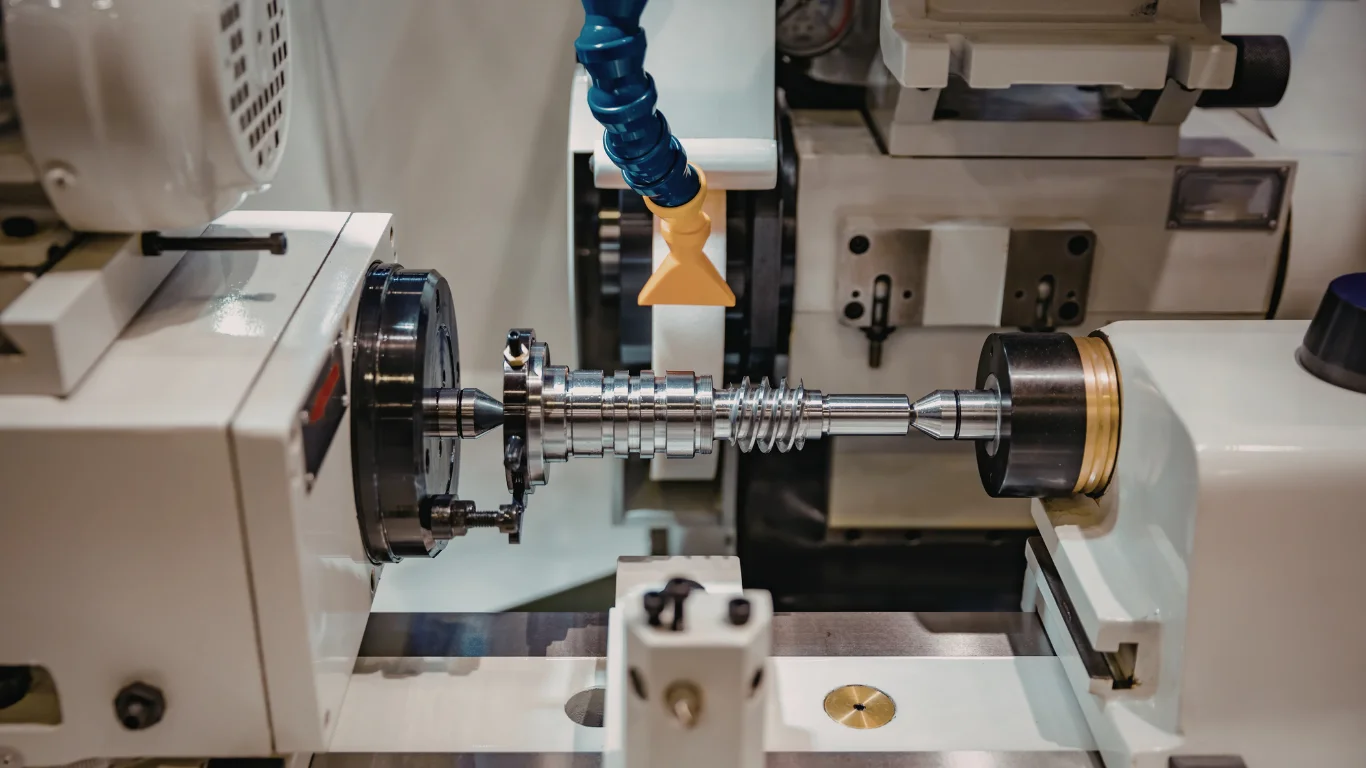
Innovations in AI Hardware
No-tooling selective plating plays a vital role in enhancing the performance of AI hardware. This technology allows for precise application of metal coatings, which significantly improves the reliability of components. For instance, precious metal plating, such as gold or silver, ensures low contact resistance. This feature is crucial for maintaining high electrical conductivity in AI systems. Additionally, selective electroplating protects connectors from harsh environments, ensuring longevity and reliability.
Here are some key benefits of no-tooling selective plating in AI hardware:
Benefit | Description |
|---|---|
Enhanced Electrical Conductivity | Precious metal plating ensures low contact resistance, crucial for AI hardware. |
Corrosion Resistance | Protects connectors from harsh environments, ensuring longevity and reliability in AI applications. |
Solderability | Tin plating provides excellent solderability, essential for reliable connections in AI hardware. |
Advancements in Medical Device Manufacturing
In the medical field, no-tooling selective plating offers significant advancements. This method creates biocompatible, corrosion-resistant surfaces for implants and surgical instruments. Such enhancements improve the longevity and performance of medical devices, leading to better patient outcomes.
The benefits of selective electroplating in medical devices include:
Enhanced biocompatibility through precise control over metal coating thickness.
Improved safety with a lower risk of complications associated with enhanced biocompatibility.
Increased durability, which is essential for devices that undergo repeated use.
The table below summarizes the primary applications of no-tooling selective plating in the medical industry:
Industry Application | Description |
|---|---|
Medical Devices | Electroplating creates biocompatible, corrosion-resistant surfaces for implants and surgical instruments, enhancing their longevity and performance. |
Semiconductor | It protects vulnerable conductors and improves solderability, ensuring mechanical robustness in advanced packaging and interconnects. |
Hybrid Devices | Enables new architectures like bioelectronic implants and MEMS-enabled sensors with antimicrobial properties. |
By partnering with a no-tooling selective plating OEM supplier, you can leverage these innovations to enhance your product offerings in both AI hardware and medical devices.
No-tooling selective plating offers significant advantages for manufacturers in the AI hardware and medical device sectors. By partnering with an OEM supplier, you can enhance your production capabilities. Consider the following key benefits:
Benefit | Description |
|---|---|
Selective plating allows manufacturers to save on raw material costs by only plating necessary areas. | |
Precision | The process is highly precise, ensuring that only the required parts are plated without excess. |
Dimensional Control | It prevents dimensional deformations that can occur with other plating methods, maintaining specifications. |
Embrace this innovative technology to improve efficiency, reduce costs, and stay competitive in your industry.
FAQ
What is no-tooling selective plating?
No-tooling selective plating is a manufacturing process that applies metal coatings only to specific areas of a component. This method enhances efficiency and reduces material waste, making it ideal for industries like AI hardware and medical devices.
How does no-tooling plating improve production efficiency?
This technology speeds up production by applying coatings 30 to 60 times faster than traditional methods. It also eliminates the need for extensive retooling, allowing you to adapt quickly to changing market demands.
What materials can be used in no-tooling selective plating?
You can use various materials, including nickel, gold, silver, and tin. Each material offers unique benefits, such as corrosion resistance and enhanced electrical conductivity, making them suitable for different applications.
How do OEM suppliers ensure quality in selective electroplating?
OEM suppliers adhere to strict compliance standards, such as ISO 13485 and RoHS. They implement advanced control systems and quality assurance protocols to ensure that the plating processes meet industry requirements.
What industries benefit from no-tooling selective plating?
Industries such as AI hardware, medical devices, semiconductors, and automotive manufacturing benefit significantly from no-tooling selective plating. This technology enhances product performance and reduces production costs across these sectors.
See Also
Innovative Selective Plating Solutions for U.S. AI Chip Makers
Tool-Free Selective Plating: Boosting U.S. Tech Manufacturing Efficiency
Advanced Selective Plating Services for India’s Electronics Industry
Game-Changing Moldless Plating Technology for AI Chip Production
Mold-Free Plating Solutions for Japan’s Robotics and Connector Sector