
The Development of Electroplating Technology is crucial in today’s manufacturing and design landscape. This method involves adding a layer of metal to a surface, enhancing its qualities. Various industries utilize electroplating for multiple reasons, such as improving resistance to rust and enhancing appearance. The process has evolved significantly since its inception, influenced by new technology and market demands. As the world increasingly prioritizes eco-friendliness, the Development of Electroplating Technology is also adapting. It remains vital in the rapidly changing industrial environment.
Key Takeaways
Electroplating makes metal surfaces look better and resist rust.
The growth of electroplating technology shows how the industry meets market needs and cares about the environment.
Today’s electroplating methods use machines and digital tools for better efficiency and quality.
Future trends in electroplating aim for eco-friendly methods and new materials to support sustainability.
Electroplating is very important in many industries, like cars, electronics, and aerospace, by making products last longer.
Early Electroplating Discoveries
Key Figures in Electroplating
The story of electroplating includes many important people. One of the first was William Cruickshank. From 1800 to 1804, he explained how electroplating works. He created metal layers of lead and copper using Volta piles. But it was Luigi Brugnatelli who made a big discovery in 1805. He was the first to put a thin layer of gold on silver medallions. Brugnatelli used a voltaic pile, which was a key moment in electroplating history. His work helped start the techniques we use today in industries like jewelry and electronics. Sadly, political issues delayed his work’s publication, so many people did not recognize it for years.
Historical Context of Plating Methods
Before electroplating, artisans used different methods to improve the look and strength of objects. Techniques like gilding and silvering had been around for a long time. These methods added a thin layer of gold or silver to a base metal using mechanical or chemical ways. However, these older methods often did not have the accuracy and consistency that electroplating provided. The arrival of electroplating changed the industry by offering a better and more reliable way to coat surfaces. This change not only made items look better but also helped them resist rust and wear.
The growth of electroplating methods shows the rising need for high-quality finishes in many uses. As industries grew, the demand for dependable and effective plating techniques became more important. Electroplating appeared as a solution, leading to improvements in manufacturing and design.
The Development of Electroplating Technology

Initial Techniques and Innovations
The development of electroplating technology started with simple methods. These basic techniques helped future improvements. Early electroplating used easy ideas of electrolysis and electrodeposition. In this process, a negatively charged object went into a solution with metal salts. This attracted positively charged metal ions. This method made it possible to create metal coatings on different surfaces.
In the 19th century, the electroplating industry faced many problems. High startup costs were a big issue. Setting up an electroplating facility needed money between $500,000 and $2 million. This cost made it hard for small businesses to enter the market. Also, environmental worries came up. Rules like the EU’s REACH and RoHS required big investments in waste management systems. These costs often went over $100,000 each year.
Even with these problems, new ideas started to change electroplating. New materials and techniques marked a big change. For example, moving from cyanide plating baths to acid formulas in the mid-1950s made things safer and more efficient. Also, better power sources like rectifiers and dynamo-electric machines improved the quality and evenness of metal coatings. These changes made electroplating more useful and dependable.
Transition to Modern Methods
As the history of electroplating moved forward, modern methods brought big improvements in efficiency and quality. Digital technology helped find bath drift early and allowed for predictive maintenance. Automation was key in making deposit quality more consistent while cutting down waste.
Several important innovations marked this change:
Computer vision systems made inspection of plated surfaces faster and more accurate.
Pulse plating techniques gave precise control over coating features, improving overall quality.
Advanced water treatment systems allowed near-closed loop operations, greatly lowering environmental impact.
Switching to horizontal electroplating systems improved uniformity and scalability, especially for semiconductor manufacturing.
Also, using switch-mode rectifiers led to cleaner DC output, which reduced electrical ripple. This drop in ripple made processes more stable, leading to better adhesion and fewer defects in plating. Better efficiency meant lower operational costs, especially for large-scale operations.
Overall, the development of electroplating technology has changed from simple methods to advanced techniques that meet today’s industrial needs. This change shows how the industry responds to challenges and keeps seeking new ideas.
Advancements in Electroplating
Industrial Revolution Impact
The Industrial Revolution had a big effect on electroplating technology. This time changed how things were made. Factories started using electroplating to make products stronger and look better. There was a higher need for goods made in large amounts, and electroplating helped meet that need. Manufacturers could coat items quickly and evenly, making them more appealing to buyers.
During this time, many things helped electroplating grow:
Increased Production: Factories wanted fast ways to make high-quality metal finishes.
Cost Reduction: Electroplating let manufacturers use cheaper base metals while looking like expensive ones.
Quality Improvement: The process made products last longer, which attracted more customers.
The Industrial Revolution set the stage for today’s electroplating methods. It showed the need for consistency and efficiency in making products, which still pushes improvements in the field now.
Technological Breakthroughs
The 19th and 20th centuries saw amazing technological breakthroughs in electroplating. These changes changed the industry and widened its uses. Important advancements included:
Materials Science: Better electroplating machines improved coating quality.
Automation: Machines and computer systems changed how production worked. This change led to better finishes and more output.
Vacuum Deposition Techniques: New methods like physical vapor deposition (PVD) and chemical vapor deposition (CVD) appeared in the mid-20th century. These allowed for better control over how thick and what the coating was made of.
Atomic Layer Deposition (ALD): Started in the 1970s, ALD allowed for very thin coatings, improving uniformity and performance.
The table below shows some important technological breakthroughs in electroplating:
Breakthrough | Description |
|---|---|
Materials Science | Better and more precise electroplating machines were developed. |
Automation | Automated systems and computer processes were introduced. |
Production Capabilities | Changed production abilities, allowing for better finishes and more output. |
Advancements in chemistry and materials science also helped electroplating technology. These changes allowed for:
Coating alloys, improving coating properties.
New ways to coat plastics and rubber with metal, expanding what can be electroplated.
Techniques like electroforming, which fixed worn metal items, showing how flexible electroplating technology is.
The growth of electroplating shows a constant search for better control and efficiency. As industries change, electroplating technology adjusts, keeping it important in modern manufacturing.
Modern Applications of Electroplating
Current Uses in Various Industries
Electroplating is very important in many industries today. It helps make products stronger and better looking. Here are some main areas using electroplating:
Automotive Industry: Electroplating stops rust in tough conditions. Companies use zinc, nickel, and chrome plating for long-lasting results.
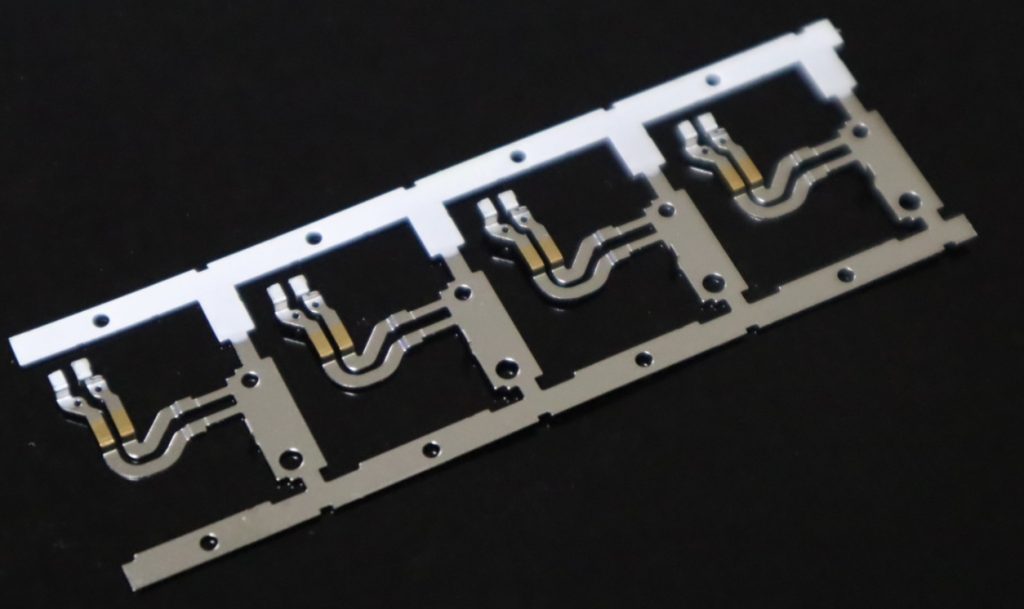
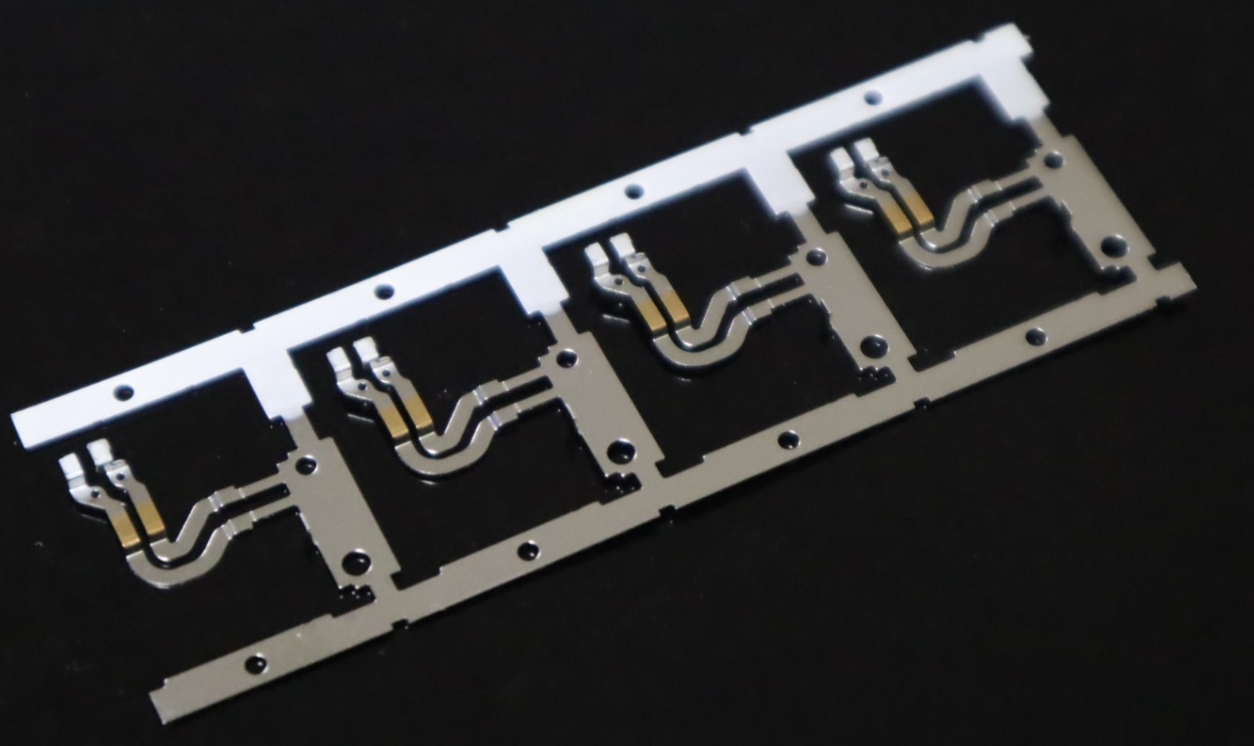
Electronics Industry: This field uses gold and copper plating for better conductivity and to prevent rust. Precise plating is key for parts like connectors and microchips.
Medical Industry: Electroplating improves the safety of implants and medical devices, making sure they work well.
Aerospace Industry: Nickel and copper plating help parts resist rust and heat.
Oil and Gas Industry: Electroless nickel plating keeps parts safe from rust, ensuring they work well in tough situations.
Common materials used in today’s electroplating include:
Gold
Copper
Silver
Zinc
These materials provide benefits like preventing rust and improving conductivity.
Future Trends in Electroplating
The future of electroplating looks bright, with many trends shaping its growth. New ideas focus on being eco-friendly and efficient. Here are some new trends:
Trend | Description |
|---|---|
Cyanide-Free Plating | New options to replace cyanide-based solutions are being created, which helps the environment. |
Closed-Loop Water Systems | New systems let factories use almost closed water loops, cutting down waste and allowing metal recovery from waste water. |
Nano-Plating | Advances at the nanoscale create coatings that are harder and resist wear better. |
Digital Technology and Automation | Using real-time monitoring and AI control systems is changing how things work, leading to better quality and less waste in electroplating. |
These trends show a move towards greener practices and new technologies. As industries change, electroplating will keep adapting, staying important in modern manufacturing.
The changes in electroplating techniques have greatly affected today’s manufacturing and technology. Important improvements, like micro-plating and electroless plating, have made precision and uniformity better in many uses. These changes have allowed electronic parts to get smaller, which helps products work better and last longer.
As industries keep changing, future trends point to more automation and AI use. This change will probably result in higher efficiency and lower costs. The ongoing progress in electroplating shows how important it is for the future of manufacturing.
FAQ
What is electroplating?
Electroplating is a method that uses electricity to add a layer of metal to a surface. This process makes objects look better and last longer. It helps them resist rust and damage.
What materials are commonly used in electroplating?
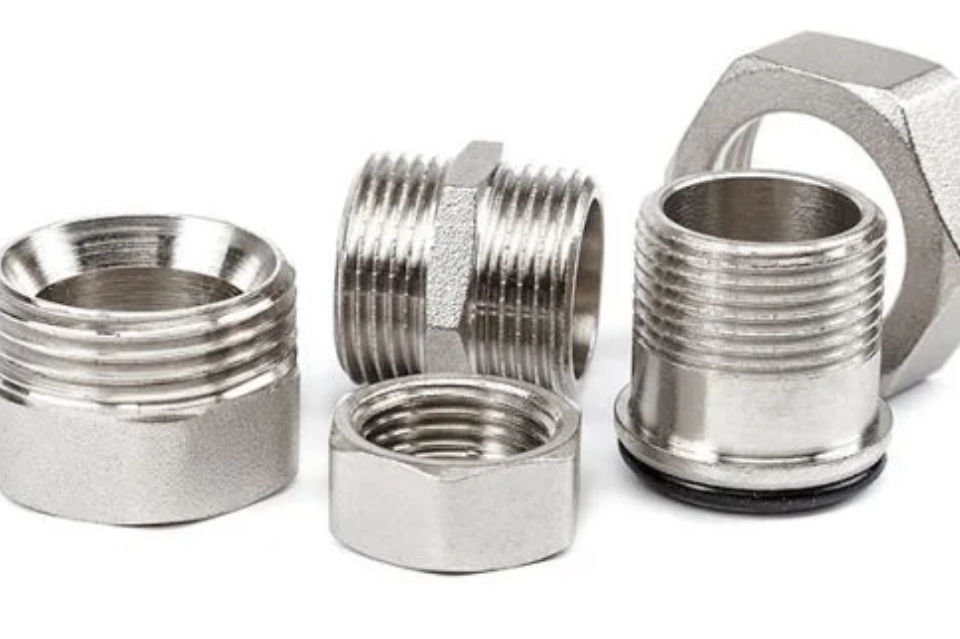
Common materials are gold, silver, nickel, copper, and zinc. Each material has special uses, like improving conductivity or protecting against rust.
How does electroplating benefit the automotive industry?
In the automotive industry, electroplating stops rust and improves how parts look. Manufacturers coat parts with strong metals to make them last longer and look good.
Are there environmental concerns with electroplating?
Yes, electroplating can be harmful to the environment because of dangerous chemicals used. But new technology aims to cut down waste and make things safer.
What are some future trends in electroplating?
Future trends include using cyanide-free plating solutions, closed-loop water systems, and automation. These new ideas focus on being eco-friendly and efficient, changing the future of electroplating technology.
See Also
Enhancing Lead Frame Quality Through Selective Electroplating
Innovative Die-Free Selective Plating Speeds Up Prototyping
Moldless Selective Plating Techniques for Ultra-Thin Gold Strips
Selecting the Best Service for Your Connectors’ Plating
Exploring Roll-to-Roll Etching Benefits for Future Electronics