
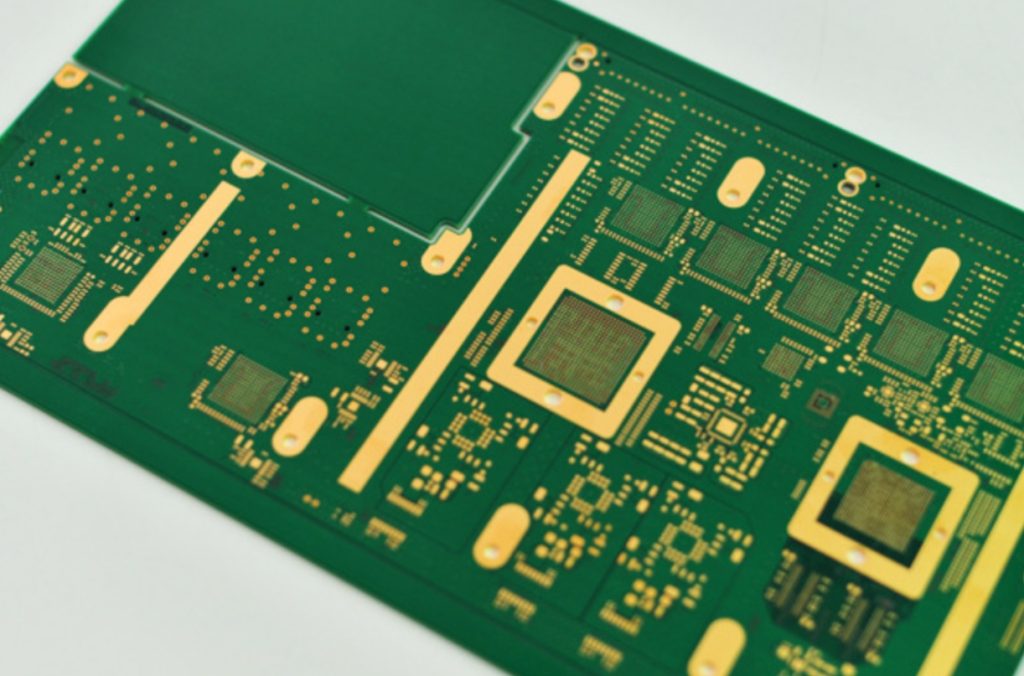
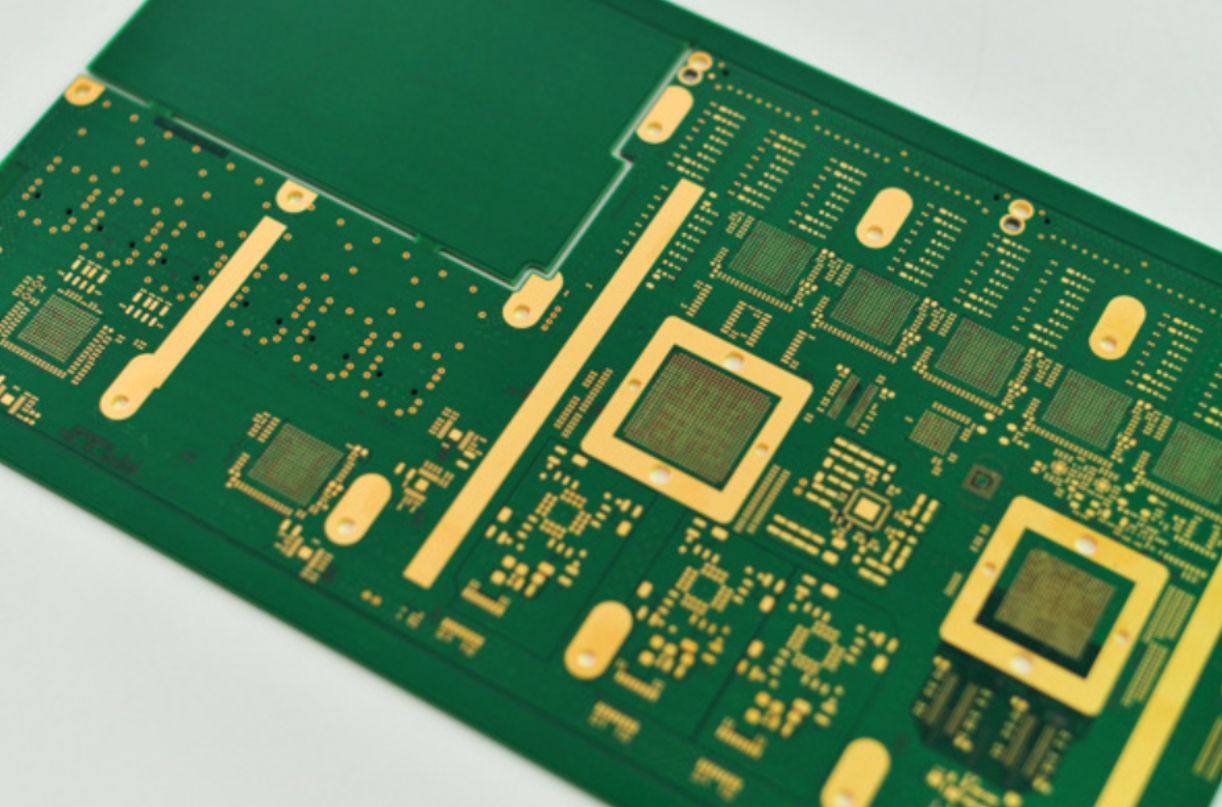
Electroplating plays a crucial role in modern manufacturing. It enhances the durability and aesthetic appeal of products across various industries. You may find electroplating in automotive parts, electronics, and even aerospace components. Staying updated with advancements in electroplating technology is essential. The global market for electroplating is projected to reach between USD 15.5 billion and USD 23.41 billion by 2026, showcasing its growing importance in the manufacturing sector.
Key Takeaways
Electroplating enhances product durability and aesthetics, making it vital in industries like automotive, electronics, and aerospace.
Traditional methods like barrel and rack plating remain popular due to their cost-effectiveness, while newer techniques improve efficiency and environmental impact.
Advancements in electrolyte control, such as online monitoring technologies, ensure consistent quality and reduce disruptions in the electroplating process.
Sustainable practices, including energy efficiency and the use of eco-friendly materials, are becoming essential in the electroplating industry.
Innovations like cyanide-free plating and automation are shaping the future of electroplating, enhancing quality and reducing environmental concerns.
Electroplating Techniques Today
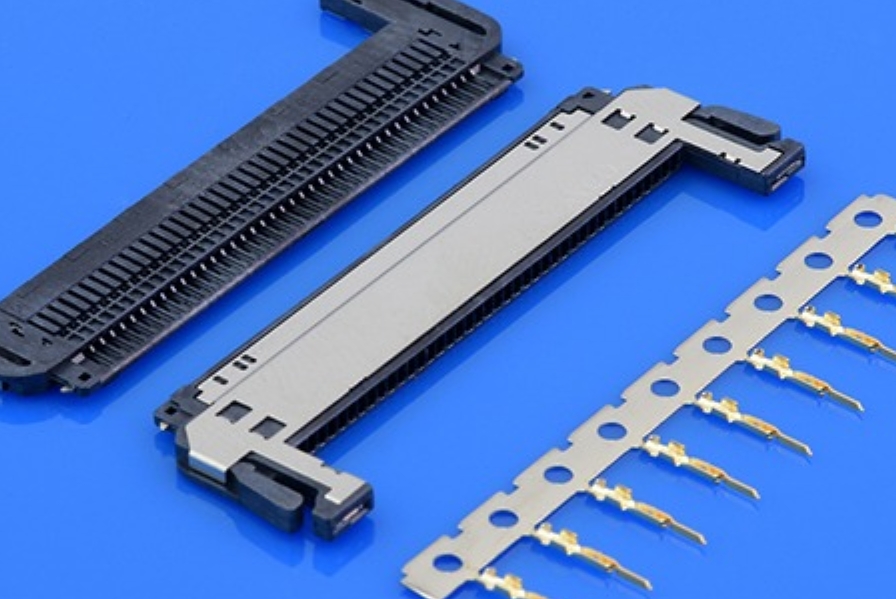
Electroplating techniques have evolved significantly, with both traditional and modern methods playing vital roles in manufacturing. Understanding these techniques helps you appreciate their importance in various applications.
Traditional Methods
Traditional electroplating methods remain popular due to their cost-effectiveness and versatility. Here’s a quick overview of some commonly used methods:
Method | Description | Pros | Cons |
|---|---|---|---|
Barrel Plating | Electroplating inside a rotating drum for small parts. | High efficiency, low cost, simple operation. | Parts may collide, uneven plating thickness. |
Rack Plating | Parts fixed on racks in an electrolytic tank. | Preserves surface condition, uniform coating. | Lower efficiency, higher costs, unplated contact points. |
Continuous Plating | Continuous feeding of materials into the plating tank. | High efficiency, cost-effective, stable quality. | Requires significant investment, limited material range. |
Electroless Plating | Chemical reduction without external power. | Simple equipment, wide applications, high hardness. | Complex solutions, high costs, environmental issues. |
Pulse Plating | Coating using electrical pulses for enhanced quality. | Fine-grained coating, excellent flatness. | High equipment costs, slower speed, strict control needed. |
Vacuum Plating | Evaporating metals in a vacuum to form a thin film. | High purity, environmentally friendly, excellent adhesion. | Expensive equipment, requires expertise, low production efficiency. |
While traditional methods are effective, newer techniques are emerging that enhance efficiency and address environmental concerns. The transition to automation in the electroplating process has led to significant cost reductions. Automation minimizes manual labor, reduces material waste, and increases overall efficiency. This shift ensures unmatched quality and consistency, crucial for industries like aerospace and consumer electronics.
Composite Electroplating Technology
Composite electroplating technology has gained traction in recent years. This method combines different materials to create superior coatings. Here are some advancements in this area:
Advancement Type | Benefits | Applications |
|---|---|---|
Nanotechnology | Enhanced coating performance, increased wear resistance, improved conductivity | Microelectronics, medical devices |
Pulse Electroplating | Better control over thickness and uniformity, improved adhesion | Aerospace, automotive |
Hybrid Techniques | Superior coatings with multiple enhanced properties | Custom applications across industries |
These advancements lead to increased durability and lifespan of components, reduced maintenance costs, and enhanced resistance to wear, corrosion, and extreme temperatures. As you can see, both traditional and composite electroplating methods play essential roles in modern manufacturing.
Advancements in Electrolyte Control
Electrolyte control and dosing play a pivotal role in the electroplating process. You must understand that the composition of the electrolyte directly influences the quality of the coatings you achieve. Proper control ensures that you meet the quality requirements for various applications, from automotive to electronics.
Electrolyte Control and Dosing
Recent advancements in electrolyte control have transformed how you manage plating baths. One notable development is the use of online High-Performance Liquid Chromatography (HPLC) devices. These devices allow for precise monitoring of electrolyte composition, enabling automated replenishment of organic additives based on ampere-hours. However, while effective, this method has limitations. It may not maintain consistent quality due to delayed detection of deviations in electrolyte composition.
Another significant advancement is the integration of X-ray fluorescence (XRF) technology into electroplating processes. XRF enables real-time monitoring of the elemental composition of plating baths. This capability allows you to maintain stability and make proactive adjustments, reducing sample preparation time and costs. Consequently, you can achieve more consistent process checks and minimize disruptions.
Here’s a summary of some technologies used for monitoring and controlling electrolyte composition:
Technology/Method | Description |
|---|---|
Model-based analysis | Utilizes a mathematical resource flow model for dynamic simulation of electrolyte composition. |
Titration | A cost-effective method for analyzing basic ingredients in the laboratory. |
X-ray fluorescence (XRF) | Suitable for automated online monitoring of metal content in electrolytes, though more expensive. |
Online sensor technology | New developments allow for real-time recording of chemical parameters like pH and conductivity. |
Impact on Coating Characteristics
The control of electrolyte composition significantly impacts the mechanical and chemical properties of electroplated coatings. Factors such as temperature and pH play crucial roles in determining the quality of the final product. For instance, higher temperatures can increase conductivity and diffusion rates, enhancing metal deposition rates. Conversely, maintaining optimal pH values is essential for achieving high current efficiency and minimizing defects in coatings.
Here’s how different factors affect coating properties:
Factor | Effect on Coating Properties |
|---|---|
Temperature | Higher temperatures increase grain size and affect crystallographic orientation, leading to changes in hardness and corrosion resistance. |
pH | Affects current efficiency and residual stress; optimal pH values vary for different baths to enhance coating quality. |
Additives | Use of organic solvents can mitigate hydrogen evolution, impacting coating density and deposition rates. |
By understanding these factors, you can optimize your electroplating processes. This optimization leads to improved electroplating efficiency and enhanced durability of the coatings produced.
Simulation and Analysis in Electroplating
Simulation plays a vital role in optimizing electroplating processes. It allows you to predict outcomes and improve the quality of coatings. By using simulation models, you can analyze various parameters that affect the electroplating process. This analysis leads to better decision-making and enhanced efficiency.
Multidimensional Instrumentation
Multidimensional instrumentation significantly enhances your ability to control the electroplating process. This technology enables you to measure critical parameters like mass, current, and voltage simultaneously. With this capability, you can monitor and adjust the process in real-time. As a result, you achieve better quality and consistency in the plated materials.
Some common tools used in simulation include:
The Electrodeposition Module, which optimizes the electroplating process for multiple components, ensuring uniform coating.
X-ray fluorescence (XRF) technology, which monitors the elemental composition of plating baths, enabling real-time analysis and automated bath adjustments.
Numerical modeling techniques that help investigate the effects of geometrical and operational parameters on electroplating uniformity.
Process Control in Electrodeposition
Using process control systems in electrodeposition offers significant advantages. These systems provide precise control over the thickness, composition, and morphology of the deposited materials. You can make real-time adjustments to deposition parameters, ensuring high uniformity and quality across large substrate areas. This level of control is crucial for industrial applications, where consistency and quality are paramount.
Incorporating model-based analysis into your electroplating processes allows you to simulate different scenarios. This simulation helps you understand how changes in parameters affect the final product. By leveraging data from these analyses, you can refine your processes and achieve optimal results.
Applications Across Industries
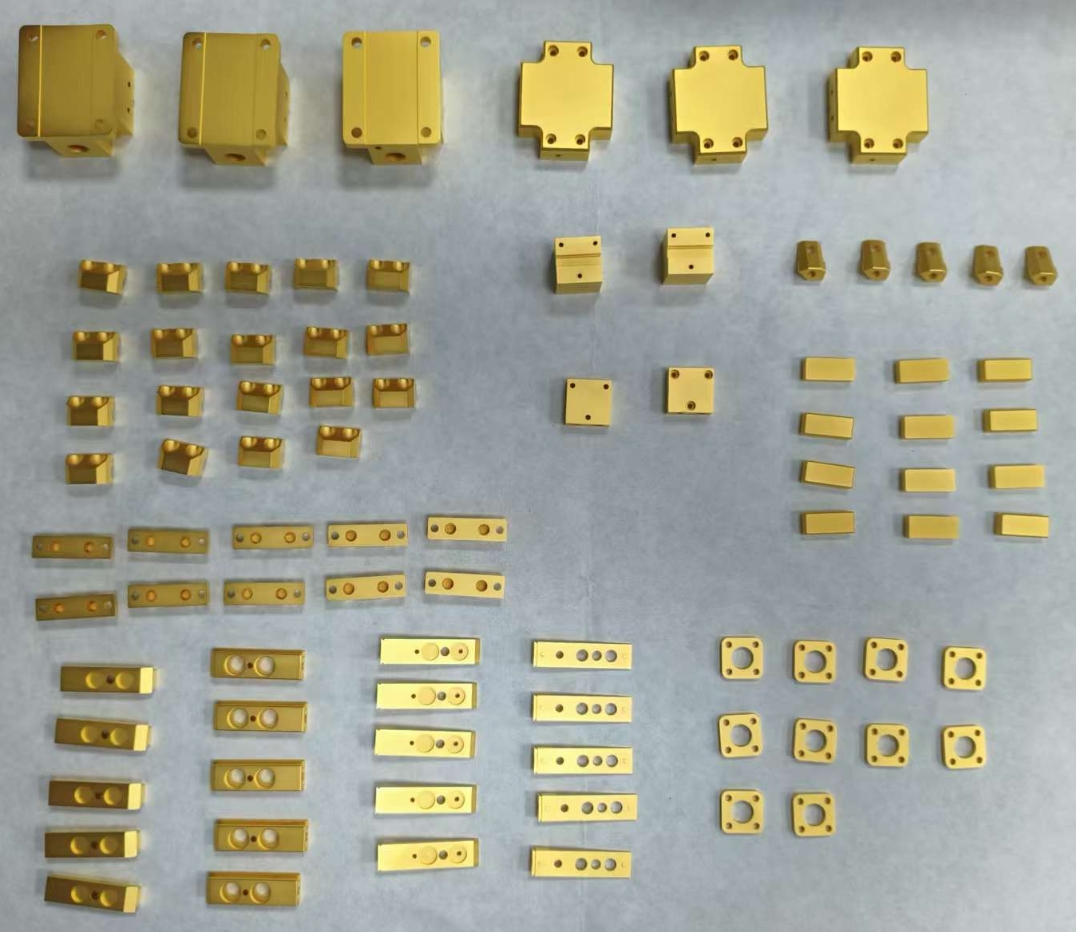
Electroplating serves as a vital process across multiple industries, enhancing the performance and durability of various components. Let’s explore how electroplating impacts the automotive, electronics, and aerospace sectors.
Automotive Industry
In the automotive industry, electroplating plays a crucial role in improving the performance and longevity of vehicle components. Here’s a breakdown of some common electroplating techniques and their applications:
Applications | |
|---|---|
Engine components, valves, gears, and parts requiring high corrosion and wear resistance. | |
Chrome Plating | Piston rings, shock absorber rods, brake cylinders, and decorative trim parts. |
Copper Plating | Electrical components, connectors, and battery terminals for enhanced conductivity. |
Zinc Plating | Steel components like fasteners and brackets to protect against corrosion. |
Gold Plating | Automotive electronics and connectors to enhance conductivity and prevent oxidation. |
Electroplating technology has significantly improved the performance of automotive components. You can expect enhanced durability, improved corrosion resistance, and increased aesthetic appeal. The growing demand for premium automotive finishes and the rise of electric vehicle manufacturing drive the need for specialized coatings. These coatings not only enhance appearance but also provide superior protection against corrosion, reducing maintenance requirements.
Electronics Manufacturing
Electroplating is essential in electronics manufacturing, particularly in circuit board production. It enhances the electrical conductivity, corrosion resistance, and durability of electronic components. Here are some key points regarding its applications:
Electroplating enhances electrical conductivity, corrosion resistance, and durability of electronic components.
Rhodium electroplating is used for its low electrical resistance and protective coating on electrical contacts.
Palladium and its alloys are utilized in connector plates for consumer electronics due to their low surface contact resistance.
Copper serves as an underplate to improve electrical properties and corrosion resistance.
Tin-lead alloys provide excellent solderability, crucial for electronics manufacturing.
The adoption of electroless nickel plating offers superior corrosion resistance and solderability. This method ensures uniform deposit thickness, which is essential for complex geometries in printed circuit boards (PCBs). Current research focuses on enhancing adhesion strength and reducing environmental impact, making electroplating a key player in the electronics sector.
Aerospace Applications
In the aerospace industry, electroplating contributes significantly to the durability and safety of components. It protects against corrosion and increases the lifespan of parts exposed to extreme conditions. Here are some advancements in aerospace electroplating:
Corrosion resistance is enhanced through advanced anti-corrosion coatings, including chromate-free primers and corrosion-resistant alloys.
Thermal stability is maintained with high-temperature coatings, thermal barrier coatings, and diffusion coatings.
Nanotechnology is being utilized to create tailored nano-coatings that improve wear resistance and reduce friction.
Aircraft manufacturers utilize nickel plating on various components to enhance their wear resistance and corrosion protection. This durable layer ensures reliability and safety, reducing the risk of failure during operation. The integration of sustainable practices, such as trivalent chromium processes and water-based primers, minimizes ecological impact while maintaining high performance.
Future Trends in Electroplating
As you look to the future of electroplating, sustainability and innovation will dominate the landscape. Companies are increasingly adopting eco-friendly practices to meet regulatory standards and consumer demand.
Sustainable Practices
You can expect to see several sustainable practices gaining traction in the electroplating industry:
Energy efficiency improvements: Manufacturers optimize tank sizes and use energy-efficient heating elements to reduce energy consumption.
Resource conservation: Implementing closed-loop rinse systems minimizes water usage. Advanced filtration techniques extend the lifespan of plating solutions.
Use of environmentally safe materials: Companies are substituting hazardous chemicals with safer alternatives, such as cyanide-free plating solutions and biodegradable solvents.
These practices not only reduce environmental impact but also enhance brand reputation and open new market opportunities for eco-friendly electroplating solutions.
Innovations in Electrodeposition Techniques
Innovations in electrodeposition techniques will shape the future of electroplating. Here are some key advancements to watch:
Cyanide-Free Plating: The development of non-cyanide electrolytes, such as alkaline non-cyanide systems and ionic liquids, reduces toxicity and environmental impact.
Closed-Loop Water Systems: Advanced water treatment technologies enable near-closed water loops, minimizing effluent and recovering valuable metals from waste streams.
Nano-Plating and Advanced Thin-Film Deposition: Control of deposition parameters allows for coatings with grain sizes below 100 nm, enhancing hardness and wear resistance.
Digital Technology and Automation: Real-time process monitoring and AI-driven control improve consistency and reduce waste. Digital twins allow for simulation and optimization, reducing development costs.
These innovations will enhance the quality and efficiency of electroplating processes, meeting the growing demands of industries like automotive and electronics.
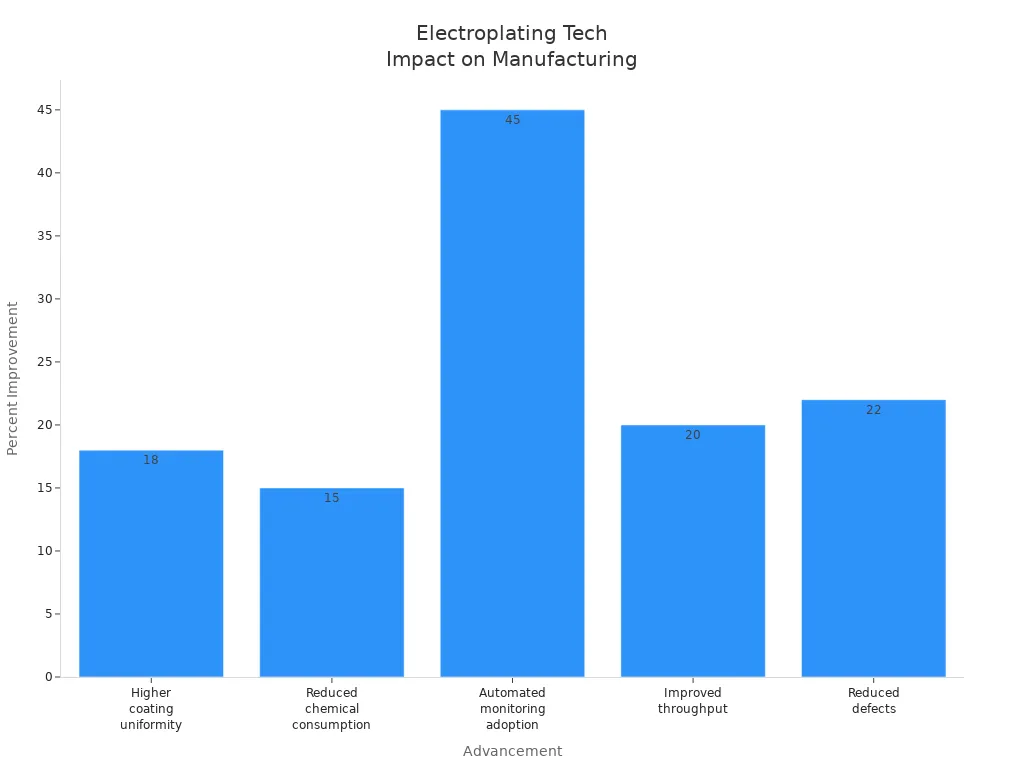
By embracing these trends, you can stay ahead in the evolving electroplating landscape.
Challenges in the Electroplating Industry
Electroplating faces significant challenges that impact its sustainability and efficiency. You must understand these challenges to navigate the industry effectively.
Environmental Concerns
Environmental issues pose a major challenge for the electroplating sector. Here are some key concerns:
Toxic Chemicals: Electroplating processes often involve harmful substances like cyanide, chromium, and cadmium. These chemicals can have severe environmental impacts.
Wastewater Treatment: Heavy metals such as chromium and nickel in wastewater complicate treatment efforts. High chemical oxygen demand (COD) levels indicate organic pollutants, making it difficult to meet discharge norms.
Water Pollution: Contaminated wastewater can lead to water pollution, harming ecosystems. Conventional treatment methods often fall short, resulting in inadequate removal of heavy metals and acids.
Air Quality: Emissions from chromic acid mist can degrade air quality, affecting respiratory health. This contamination can spread to previously unaffected areas through atmospheric deposition.
To address these concerns, companies must adopt advanced treatment solutions. Techniques like neutralization, flocculation, and ion exchange help manage wastewater effectively. New Method Plating, for example, complies with strict regulations set by the EPA and REACH, ensuring safer practices in cadmium plating.
Economic Factors
Economic factors also challenge the electroplating industry. Rising energy costs significantly impact manufacturers. You need to balance operational expenses with sustainability efforts. For instance, high energy consumption in recovery methods can lead to increased processing costs. In contrast, methods like chlorination roasting require less energy and yield higher-purity copper, which can be more economically advantageous.
Additionally, strict environmental regulations affect supplier approval and contract renewals. Companies must develop waste reduction plans to comply with these regulations. Smaller firms often struggle to update their policies, hindering their market entry. As a result, the electroplating sector must innovate to remain competitive while addressing these economic pressures.
By understanding these challenges, you can better navigate the complexities of the electroplating industry and contribute to its sustainable future.
In summary, advancements in electroplating technology significantly enhance manufacturing efficiency and product quality. You can expect to see environmentally friendly solutions that reduce toxic chemicals, high-performance coatings utilizing nanotechnology, and automation that streamlines processes. Continuous innovation ensures stable electrical output, which is crucial for achieving uniform coatings. This progress directly impacts the durability and performance of products across various industries. Embracing these trends will help you stay competitive in the evolving landscape of electroplating.
FAQ
What is electroplating?
Electroplating is a process that uses electrical current to deposit a layer of metal onto a surface. You can enhance the appearance, corrosion resistance, and durability of various materials through this technique.
What industries use electroplating?
You will find electroplating in several industries, including automotive, electronics, and aerospace. Each sector benefits from improved performance and longevity of components through this process.
How does electroplating improve product quality?
Electroplating enhances product quality by providing a protective coating that resists corrosion and wear. This process also improves the aesthetic appeal of items, making them more attractive to consumers.
Are there environmental concerns with electroplating?
Yes, electroplating can involve toxic chemicals and generate hazardous waste. Companies must adopt sustainable practices to minimize environmental impact and comply with regulations.
What advancements are shaping the future of electroplating?
Innovations such as cyanide-free plating solutions, closed-loop water systems, and automation are shaping the future of electroplating. These advancements improve efficiency and reduce environmental impact.
See Also
Die-Free Selective Plating Enhances Prototyping Efficiency in R&D
Strategies to Lower Plating Mold Expenses for Electronics Producers
Selecting the Best Selective Plating Service for Connectors
Moldless Continuous Selective Plating for Gold Coating Thin Strips
The Impact of Selective Electroplating on Lead Frame Quality