
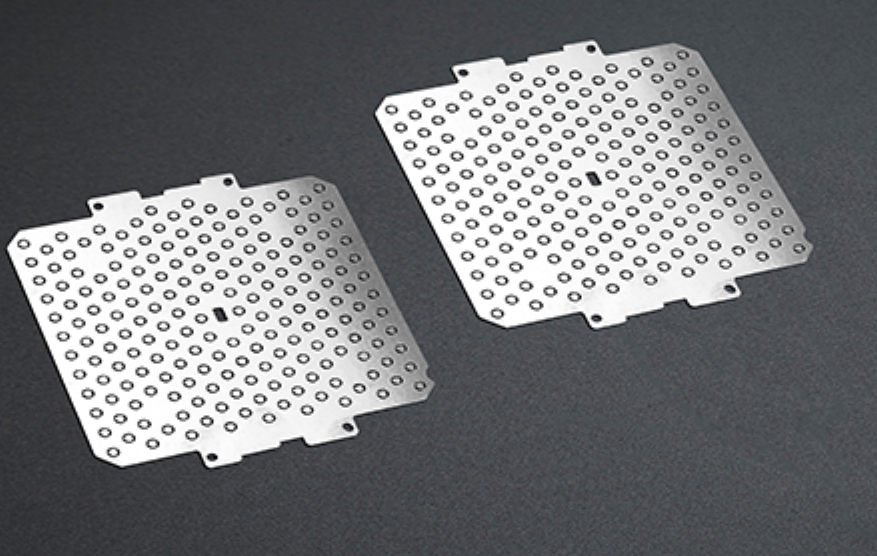
High-precision electroplating for electronic components plays a crucial role in boosting the performance and reliability of these vital parts. As the electronics industry evolves, you face increasing demands for precision and durability. This growth is evident in the market size, expected to reach US$ 22.2 billion by 2025 and US$ 29.8 billion by 2032, reflecting a 4.3% growth rate. Advanced electroplating techniques offer improved uniformity and durability compared to traditional methods. By adopting high-precision electroplating for electronic components, you can ensure that your products meet stringent industry standards and perform optimally in demanding applications.
Key Takeaways
High-precision electroplating boosts the performance and reliability of electronic components, making them essential for modern electronics.
Electroplating enhances electrical conductivity by applying a thin layer of conductive metals like silver and copper, improving signal control.
Corrosion resistance is a key benefit of electroplating, protecting components from environmental damage and extending their lifespan.
Choosing the right materials and techniques for electroplating is crucial for achieving optimal performance and durability in electronic applications.
Implementing best practices, such as thorough surface preparation and regular quality checks, ensures high-quality electroplating outcomes.
Benefits of Electroplating
Enhanced Conductivity
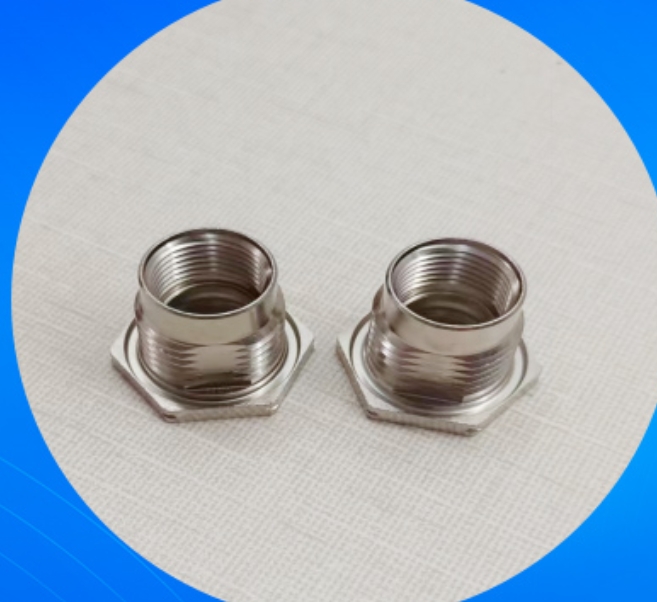
Electroplating significantly enhances the electrical conductivity of electronic components. By applying a thin layer of conductive metal, you improve the flow of electrical current. This enhancement allows for better control over electrical signals, which is crucial in high-performance applications. For instance, metals like silver and copper are commonly used in electroplating due to their excellent conductivity.
Here’s a quick overview of some metals and their conductivity:
Metal | Conductivity | Thermal Conductivity | Notes |
|---|---|---|---|
Silver | Excellent | High | Most efficient for electricity transfer. |
Copper | Very Good | High | Cost-effective and versatile. |
Gold | Very Good | Moderate | High resistance to oxidation, but expensive. |
Nickel | Good | Moderate | Offers EMI shielding properties. |
Using these metals in your electroplating processes can lead to measurable improvements in performance. Although specific quantitative improvements may vary, the overall enhancement in conductivity is well-documented in industrial applications.
Corrosion Resistance
Corrosion resistance is another critical benefit of electroplating. By applying a protective layer of metal, you shield electronic components from environmental factors that can cause degradation. This protection is especially important in harsh environments where exposure to moisture and chemicals can lead to failure.
Electroplating increases the longevity of components by providing a barrier against corrosion. For example, the polarization resistance (Rp) for a typical electroplated coating can reach impressive values, indicating enhanced corrosion resistance. Here are some benefits of electroplating in terms of corrosion resistance:
Electroplating provides a hard-wearing metal layer that increases durability against mechanical wear.
It reduces friction between moving parts, which is crucial in high-friction environments.
The application of precious metals like gold and silver protects contacts from high temperatures.
In addition to improving reliability, electroplating also offers aesthetic benefits. The process enhances the appearance of components, making them more attractive to consumers. A lustrous finish can significantly influence purchasing decisions, as it conveys quality and durability.
Moreover, electroplating allows for a variety of finishes, enabling you to match trends and consumer preferences without incurring high costs. This versatility can enhance product appeal and set your offerings apart in a competitive market.
By choosing the right electroplating materials and techniques, you can achieve both functional and aesthetic advantages, ensuring that your electronic components not only perform well but also look great.
Materials for High-Precision Electroplating
Common Metals
When selecting materials for high-precision electroplating, you often consider common metals that offer excellent properties for electronic components. Here’s a quick overview of some widely used metals and their applications:
Metal | Properties and Applications |
|---|---|
Gold | Low contact resistance, corrosion protection; used in connectors, contacts, circuits, and semiconductors. |
Nickel | Serves as an underlying coating to enhance durability and prevent corrosion. |
Silver | Excellent conductivity; used in connectors for power transmission; strong solderability; prone to tarnishing. |
Platinum | Corrosion resistance; used for low-voltage contacts; facilitates electrical conductivity. |
Rhodium | Low electrical resistance; protective coating for sliding contacts; prevents oxidation; durable under extreme conditions. |
These metals not only enhance the performance of electronic components but also ensure longevity and reliability. The choice of metal can significantly impact the adhesion and durability of the electroplated layer. For instance, rougher microstructures on the substrate can improve mechanical grip, while smoother surfaces may lead to peeling.
Specialty Alloys
In addition to common metals, specialty alloys play a vital role in high-precision electroplating. These alloys are engineered to meet specific performance characteristics, making them ideal for demanding applications. Here’s a look at some notable specialty alloys:
Alloy Type | Performance Characteristics | Applications |
|---|---|---|
Maintain ultra-high strength and creep resistance under extreme temperatures and pressures. | Aerospace engines, high-temperature furnaces | |
Corrosion-Resistant Alloys | Provide exceptional corrosion resistance in harsh environments such as strong acids and bases. | Petrochemicals, high-precision resistors |
Precision Alloys | Include iron-nickel alloys, glass-sealed alloys, and precision resistor alloys for specialized electronic packaging and sensor components. | Specialized electronic components |
Choosing the right materials for electroplating is crucial. Neglecting environmental considerations can degrade materials and compromise performance. You must also consider electrical properties to avoid inefficiencies in your electronic components. By selecting the appropriate metals and alloys, you can achieve optimal performance and durability in your electroplating processes.
For more insights on electroplating materials, visit our blog.
Techniques in High-Precision Electroplating
Electrodeposition Methods
Electrodeposition is a widely used technique in high-precision electroplating. This method allows you to deposit metal layers onto a substrate with great accuracy. You can control various parameters, such as the type of material and the applied potential, which directly influence the outcomes. Here are some key benefits of electrodeposition:
It provides precise control over grain size, surface morphology, and deposit thickness.
This method is cost-effective and energy-efficient compared to alternatives like chemical vapor deposition.
You can create metal matrix nanocomposites in a single step, tailoring properties by adjusting bath composition and processing parameters.
Pulse Plating
Pulse plating is another advanced technique that enhances the electroplating process. This method involves alternating current during the deposition, which leads to several advantages over traditional electroplating. The following table summarizes the key differences between pulse plating and traditional methods:
Feature | Pulse Plating | Traditional Electroplating |
|---|---|---|
Plating Thickness Control | Achieves uniform thickness even on complex shapes | Often results in uneven thickness |
Grain Size Control | Allows for finer grain sizes and desired orientations | Limited control over grain size |
Mechanical Properties | Enhanced due to better control of deposition | Generally standard properties |
Electrical Properties | Improved due to uniform deposition | May vary significantly |
Corrosion Resistance | Enhanced due to better material properties | Varies based on the process and materials used |
By utilizing these techniques, you can significantly improve the performance and reliability of your electronic components. Precision strip plating, a subset of these methods, further enhances electrical conductivity and lowers material costs, making it ideal for intricate designs.
Applications in Electronics
Connectors
Electroplating plays a vital role in enhancing the performance of connectors used in electronic devices. You rely on connectors to establish reliable electrical connections, and the quality of these connections directly impacts device functionality. Electroplating provides a conductive and corrosion-resistant surface, which is essential for high-frequency performance.
Here are some specific applications of electroplating in connectors:
Low-resistance connections: Electroplating ensures that connectors maintain low resistance, which is crucial for efficient power transmission.
Excellent solderability: Materials like tin coatings improve solderability, making assembly easier and more reliable.
Corrosion resistance: Electroplated surfaces protect connectors from environmental factors, ensuring longevity and reliability.
Application | Performance Improvement |
|---|---|
Connectors and contacts | Low-resistance, high-reliability connections |
Tin coatings | Excellent solderability |
Busbars and switchgear | Reliable conductivity and corrosion resistance |
Power distribution systems | Improved performance and reduced energy loss |
The choice of plating material influences signal quality, solderability, and long-term durability. In high-frequency applications, the signal primarily travels along the outer surface of the conductor. Therefore, the quality of the plating is critical for maintaining signal integrity.
Circuit Boards
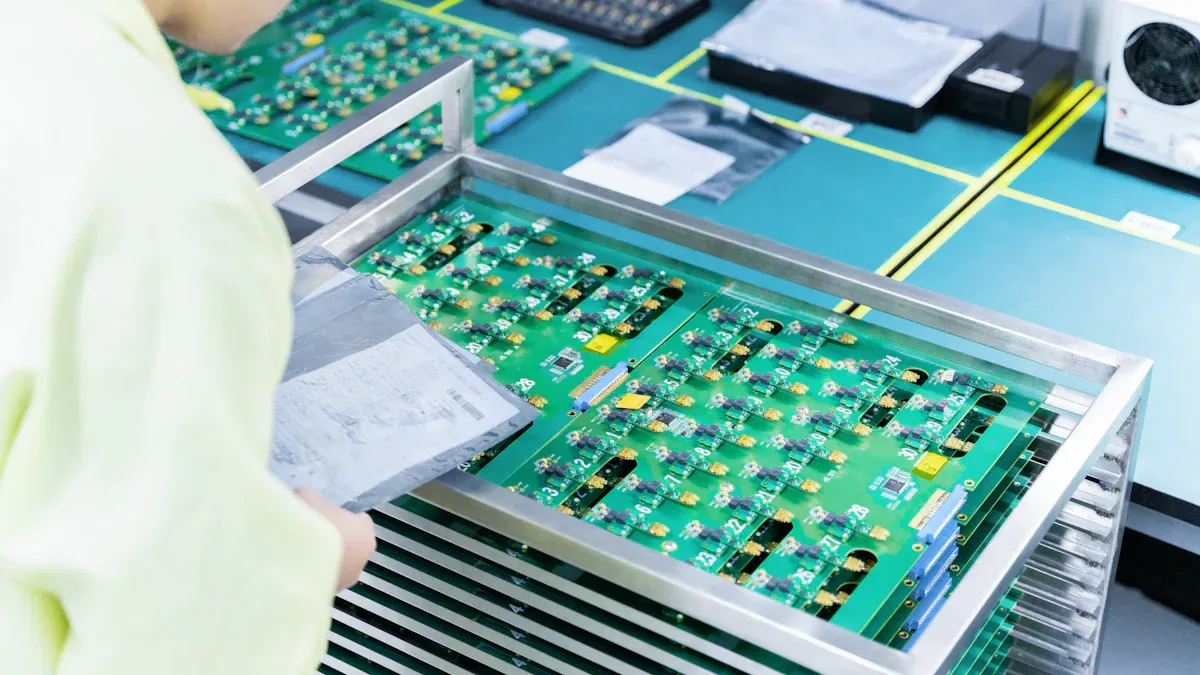
Electroplating also significantly enhances the performance of circuit boards. You can use various electroplating techniques to improve electrical connections and overall board reliability. One common method is Copper Wrap Plating, which creates a conductive layer that connects the layers of the PCB. This technique ensures continuous electrical paths, reducing the need for additional connectors.
Here are some benefits of electroplating in circuit boards:
Enhanced electrical conductivity: Electroplating creates a continuous metal layer, crucial for reliable connections.
Improved solderability: The electroplated surface ensures strong solder joints during assembly.
Corrosion protection: The protective layer prevents oxidation and corrosion, extending the lifespan of the PCB.
Increased mechanical strength: The added metal layer enhances strength, especially in critical areas like through-holes and vias.
Silver plating, in particular, offers superior electrical conductivity, enhancing signal speed and reducing power loss. It also has excellent thermal conductivity, effectively dissipating heat from electronic components, which is vital for device efficiency and durability.
For high-precision electroplating solutions, ‘Electroplating Metal Materials‘ provides a range of products tailored for connectors and circuit boards. Their offerings include nickel plating for increased wear resistance, silver plating for excellent conductivity, and gold plating for superior resistance to oxidation. Each product is designed to meet the specific needs of your applications, ensuring optimal performance and reliability.
For more information on how ‘Electroplating Metal Materials’ supports these applications, visit their website.
In summary, high-precision electroplating significantly enhances the performance and reliability of electronic components. Selecting the right materials and techniques is crucial for achieving optimal results. Consider the following factors when choosing your electroplating approach:
Material compatibility with the substrate.
Environmental conditions the components will face.
Desired performance characteristics, such as conductivity and corrosion resistance.
Maintenance needs for long-term durability.
Implementing best practices, like thorough surface preparation and regular quality control checks, will further improve your electroplating outcomes. By focusing on these aspects, you can ensure that your electronic components meet the highest standards of reliability and design for reliability.
For more insights on electroplating, visit our blog.
FAQ
What is electroplating?
Electroplating is a process that uses electrical current to deposit a layer of metal onto a surface. This technique enhances conductivity, corrosion resistance, and aesthetic appeal in electronic components.
How does electroplating improve electronic components?
Electroplating improves electronic components by providing a conductive surface that enhances electrical flow. It also protects against corrosion, increasing the lifespan and reliability of the components.
What materials are commonly used in electroplating?
Common materials for electroplating include gold, silver, nickel, and copper. Each material offers unique properties that enhance performance, such as conductivity and corrosion resistance.
Can electroplating be applied to any surface?
Not all surfaces are suitable for electroplating. You must ensure the substrate material is compatible and properly prepared to achieve optimal adhesion and performance.
How do I choose the right electroplating technique?
Choosing the right electroplating technique depends on your specific application requirements. Consider factors like desired thickness, material properties, and environmental conditions to make an informed decision.
See Also
Enhancing Electronic Devices With Precision Metal Strip Materials
Achieving ±0.005mm Precision Through Metal Etching in Semiconductors
Improving Smart Wearables With High-Precision 316 Stainless Steel Strips
Transforming Lead Frame Quality Through Selective Electroplating Techniques
Offering Mold-Free Selective Plating For AI Chips And Medical Connectors