
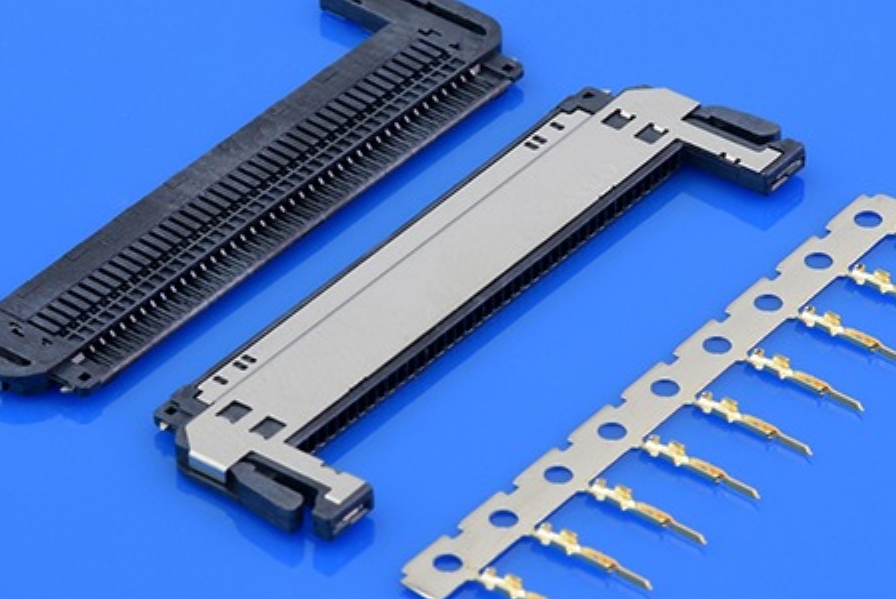
High-Precision Electroplating for Electronic Components plays a vital role in reducing costs while ensuring quality. This technique allows you to achieve precise coatings that enhance performance and durability. By adopting innovative methods, 局部电镀低成本高精度 demonstrates how you can optimise material use and minimise waste. Such advancements are crucial in today’s competitive market, where efficiency and cost-effectiveness are paramount. With High-Precision Electroplating for Electronic Components, you can meet the growing demands of modern technology without compromising on quality.
Key Takeaways
High-precision electroplating significantly reduces material costs by up to 72% through selective coating, optimising resource use.
Implementing closed-loop rinse systems can cut wastewater discharge by 75%, lowering treatment costs and environmental impact.
Selective plating techniques, like spot and stripe plating, enhance functionality while minimising waste, leading to better product quality.
Automation in electroplating processes improves consistency and reduces errors, ensuring high-quality output and operational efficiency.
Adopting effective quality control measures prevents defects and enhances the reliability of electroplated components.
Cost Benefits of Electroplating

Material Utilisation
High-precision electroplating techniques significantly enhance material utilisation. By applying coatings only where necessary, you reduce the amount of precious metals used. This selective approach not only conserves resources but also lowers overall production costs. For instance, traditional methods often lead to overuse of materials, especially in non-functional areas. In contrast, high-precision techniques allow you to focus on critical areas, ensuring that every gram of material serves a purpose.
The financial advantages of this method are clear. You can expect a reduction in material costs by up to 72% when using selective electroplating. This substantial saving directly impacts your bottom line, making your operations more competitive.
Waste Reduction
Waste reduction is another critical benefit of high-precision electroplating. Traditional electroplating methods often generate significant waste due to excess material and inefficient processes. High-precision techniques, however, minimise this waste. You can achieve this through several innovative practices:
Closed-loop rinse systems: These systems can reduce wastewater discharge by up to 75%, lowering treatment costs and compliance risks.
Optimised process design: By refining the electroplating process, you can enhance production efficiency, which reduces energy consumption and resource use.
The table below summarises the environmental benefits associated with high-precision electroplating compared to traditional methods:
Benefit | Description |
|---|---|
Reduced Material Waste | High-precision electroplating minimises excess material usage, leading to less waste overall. |
Improved Production Efficiency | Faster production speeds are achieved, which reduces energy consumption and resource use. |
Enhanced Component Durability | Components produced are more durable, resulting in longer lifespans and reduced need for replacements. |
By adopting high-precision electroplating techniques, you not only improve your operational efficiency but also contribute to a more sustainable manufacturing process. This dual benefit positions your business as a leader in both cost-effectiveness and environmental responsibility.
High-Precision Electroplating for Electronic Components
Selective Plating Techniques
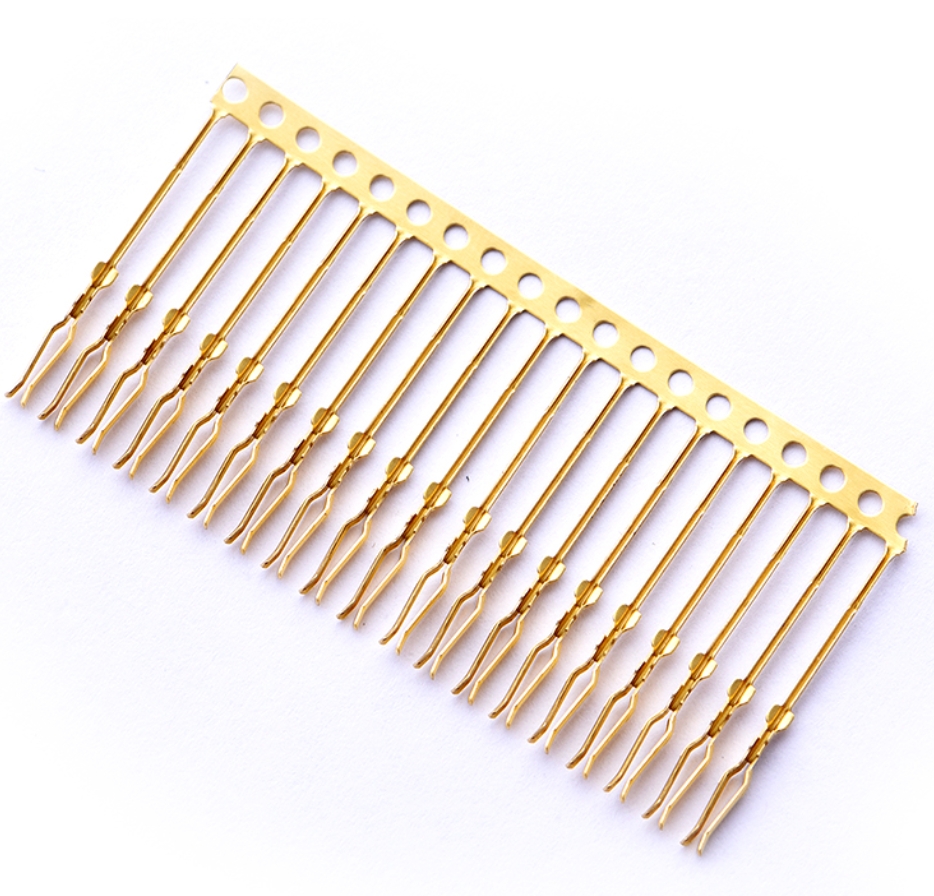
High-precision electroplating for electronic components plays a crucial role in modern manufacturing. You can achieve superior performance and cost savings by employing selective plating techniques. These methods allow you to apply coatings only where necessary, optimising material usage and enhancing component functionality. Here are some effective selective plating techniques you might consider:
Control Depth Plating: This technique allows you to control the thickness of the plating, ensuring that only the required areas receive the necessary coating.
Stripe Plating: You can apply coatings in stripes, which is particularly useful for components that require different finishes on various sections.
Spot Plating: This method focuses on specific spots, allowing for targeted application of precious metals, thus reducing waste.
Front and Rear Side Plating: You can plate both sides of a component, ensuring comprehensive coverage where needed while keeping non-functional areas clean.
Contour Plating: This technique follows the contours of the component, providing a precise application that enhances both aesthetics and performance.
By using these selective plating techniques, you can significantly reduce costs associated with material usage. For instance, applying expensive materials like gold only to specific parts of components minimises waste and lowers production costs. Additionally, varying the thickness of the plating can enhance product quality by optimising material application.
Process Optimisation
To further enhance the benefits of high-precision electroplating, you should focus on process optimisation. Selective electroplating at low cost and high precision employs several strategies to improve precision and reduce costs effectively:
Selective and Electroless Plating: These methods simplify processing and reduce equipment needs, improving throughput and lowering operational costs.
Thin-Film Metallisation: This technique deposits ultra-thin conductive layers, saving materials while maintaining electrical performance and precision.
Cost-Effective Materials: Using copper-based metallisation instead of expensive precious metals significantly cuts material costs without sacrificing reliability.
Simplified Processing Sequences: Reducing the number of steps in the plating process combines operations and optimises treatments, lowering labour, equipment, and time costs.
High-Throughput and Batch Processing: This approach enables simultaneous treatment of multiple substrates, increasing production efficiency and reducing per-unit costs.
Automation and Optimised Process Parameters: Implementing automated systems ensures consistent quality and reduces labour expenses.
These process optimisation strategies not only enhance the quality of your electroplating but also ensure compliance with industry regulations and standards. High-precision electroplating improves coating quality, which is essential for meeting performance, safety, and durability requirements across various industries. By adopting these techniques, you can position your manufacturing processes at the forefront of innovation and efficiency.
Best Practices for Implementation
Quality Control Measures
Implementing effective quality control measures is crucial for maintaining high standards in the electroplating process. You can ensure consistent quality and reliability by following these key steps:
Establish Documented Operating Procedures: Create clear guidelines for the electroplating process to ensure consistency.
Implement Preventive Equipment Maintenance: Regular maintenance minimises downtime and maintains quality.
Conduct Routine Solution Analysis: Regularly check the electroplating solution to ensure its effectiveness.
Utilise Statistical Process Control: Monitor and control the electroplating process to maintain consistency.
Provide Operator Training: Ensure that operators are skilled in handling electroplating equipment.
Integrate Continuous Monitoring: Keep track of critical process variables to detect deviations early.
Incorporate Non-Destructive Testing (NDT): Verify quality at every stage of production without damaging the components.
By implementing these measures, you can prevent common defects such as poor adhesion, blistering, and inconsistent coating thickness. This proactive approach enhances the overall quality of your electroplated components.
Automation in Production
Automation plays a vital role in optimising the electroplating process. It reduces human intervention, which minimises errors and ensures consistent quality output. Here are some effective automation technologies you should consider:
Horizontal Electroplating Systems: Innovations like wafer rotation systems improve uniformity and meet stringent requirements.
AI-Driven Monitoring Systems: These systems provide real-time, adaptive control of plating parameters, enhancing process stability.
Pulse Electroplating: This technique alternates current states, improving the quality and uniformity of deposited films.
EF (Ultra-Precision Electroforming) Technology: This technology allows for rapid duplication of ultra-precision molds, significantly improving productivity.
By integrating these automation technologies, you can enhance throughput and reduce operational costs. Automation not only streamlines the electroplating process but also ensures that you maintain high standards of quality and efficiency.
High-precision electroplating techniques offer significant cost-saving potential for your manufacturing processes. By optimising material use and reducing waste, you can achieve substantial savings. Techniques like selective plating enhance product uniformity and reduce defect rates, which boosts customer satisfaction.
Consider these benefits:
Improved corrosion resistance protects against rust.
Enhanced wear resistance extends product lifespan.
Increased surface hardness makes products more durable.
Explore the innovative solutions from 局部电镀低成本高精度 to elevate your production efficiency and quality.
FAQ
What is high-precision electroplating?
High-precision electroplating involves applying coatings with exceptional accuracy. This technique enhances the performance of electronic components while reducing material waste and costs.
How does selective plating work?
Selective plating applies coatings only to specific areas of a component. This method optimises material usage and reduces waste, making it ideal for electroplating small parts.
What are the benefits of using a customized micro electroplating solution?
A customized micro electroplating solution allows you to tailor the plating process to meet specific requirements. This approach improves efficiency, reduces costs, and enhances product quality.
Can high-precision electroplating be automated?
Yes, automation in high-precision electroplating improves consistency and reduces human error. Automated systems ensure precise control over the plating process, enhancing overall production efficiency.
What industries benefit from high-precision electroplating?
High-precision electroplating benefits various industries, including electronics, automotive, and medical equipment. These sectors require reliable, durable components that meet stringent performance standards.
See Also
Strategies to Minimise Plating Expenses for Electronics Producers
Revolutionary Reel-to-Reel Plating: Tool-Free Methods Boost US Manufacturing
Innovative R&D: Die-Less Selective Plating Speeds Up Prototyping
Affordable Approaches for I/O Interfaces Through Selective Plating
Reducing Gold Plating Expenses in I/O Interfaces via Moldless Methods