
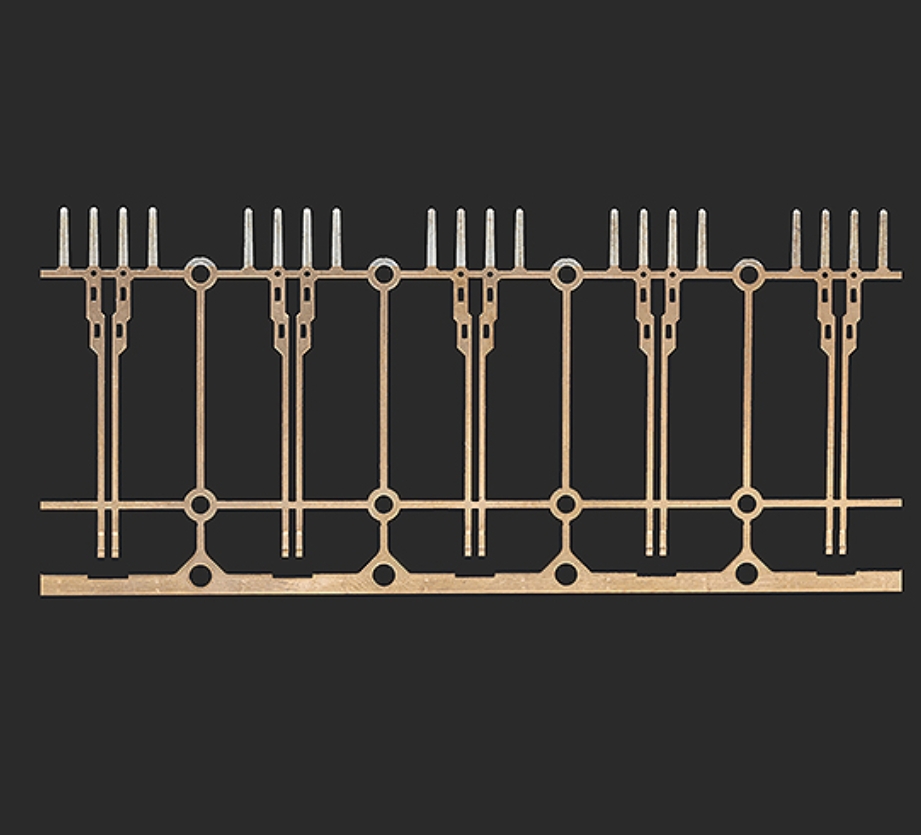
Electroplating technology is very important for improving the performance of different materials. This process adds a layer of metal to an object. This makes the object stronger and looks better. Many industries like automotive, electronics, and medical use electroplating because of its advantages. For example, the market for electroplating is expected to grow a lot. It could reach about 31,991.49 million USD by 2035. This growth is due to the higher need for products that resist wear and corrosion. So, electroplating is very important for your projects.
Key Benefits of Electroplating:
Enhances durability
Improves aesthetic appeal
Provides corrosion resistance
Key Takeaways
Electroplating makes materials last longer and look better. It makes them stronger and more appealing.
The electroplating process starts with cleaning surfaces. Then, items are put in a metal ion solution. Finally, electric current is used to form a protective metal layer.
Industries like cars, electronics, and airplanes gain from electroplating. It helps products work better and last longer.
Electroplating stops rust, which is important for things that get wet or touch chemicals. This helps them last more time.
Think about using electroplating in your projects. It can improve product quality and help you stand out in the market.
What is Electroplating?

Electroplating is a cool surface finishing process. It puts a thin layer of metal on a surface. This method makes the material stronger and better. You can think of electroplating as a way to give items a shiny and protective metal coat.
The Electroplating Process
The electroplating process has a few important steps. Here’s a simple list of the main stages:
Preparation of the substrate: Clean the surface to get rid of dirt or grease. This step helps the metal stick better.
Immersion in the plating solution: Put the substrate into a solution with metal ions. The substrate acts as the cathode, where the metal will stick.
Dissolution of the anode: The anode, usually made of the same metal, dissolves when electric current flows. This releases metal ions into the solution.
Control of parameters: Change temperature, stirring, and distance between the anode and cathode. These factors help get the right thickness and quality of the metal layer.
Post-deposition treatments: After plating, you might do extra treatments to improve the new metal layer.
This process is a type of electrodeposition, which is a special kind of electrochemical deposition. It needs careful control to make sure the quality is good.
Key Components of Electroplating
To do electroplating well, you need some important parts:
Power Source: Gives the direct current (DC) needed for the process.
Cathodes: The workpiece that gets the metal layer.
Plating Solution: A water solution with metal ions for plating.
Anodes: The positive electrodes, which can be made of the metal being plated or other materials.
Knowing these parts helps you understand how electroplating works and why it matters in many uses.
Applications of Electroplating
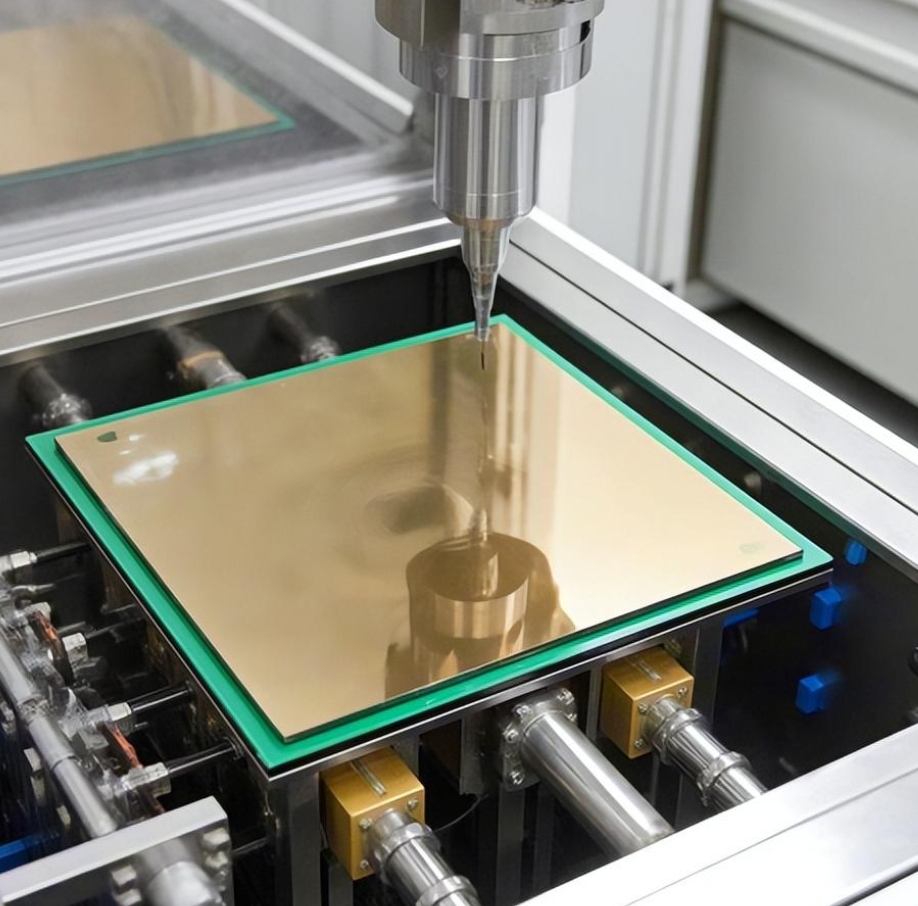
Electroplating technology is used in many industries. It helps improve both function and looks. Here are some important uses of electroplating that you should know:
Jewelry and Aesthetics
In jewelry making, electroplating is very important. This process adds a thin layer of precious metals like gold, silver, or rhodium to jewelry. This makes them shinier and more attractive. The shiny look draws in buyers, making the pieces more wanted. Also, electroplating protects against tarnishing and rust, which helps jewelry last longer. This method lets makers create beautiful items while keeping costs low.
Automotive Industry
The automotive industry uses electroplating a lot to make car parts stronger and better looking. Electroplating adds a protective layer to parts, stopping rust and corrosion. For example, zinc-nickel plating is common for outside parts, while electroless nickel is a substitute for chrome. Automotive engineer John Smith says, “Parts like brake calipers and suspension components face a lot of stress; electroplating greatly increases their strength and life.” This technology not only makes cars look better but also helps them work better.
Electronics Manufacturing
Electroplating is very important in electronics manufacturing. It improves how well components conduct electricity, making connections reliable. For example, gold plating is often used for semiconductors and connectors, while copper plating is a cheaper option. The benefits of electroplating in this field include better electrical performance, protection from corrosion, and longer-lasting parts. As components get smaller and more complex, the need for precise finishes grows.
Benefit | Description |
|---|---|
Electrical Conductivity | Improves how well components conduct electricity, ensuring reliable connections. |
Corrosion Protection | Adds a layer that stops rust and damage to materials. |
Durability | Makes electronic parts last longer with strong coatings. |
Aerospace Components
In the aerospace industry, electroplating is key for safety and durability. It adds a protective layer that stops rust and wear, helping aircraft parts last longer. This technology cuts down on maintenance needs and boosts safety by reducing damage from the environment. Plus, electroplating makes parts stronger against stress, ensuring planes can be used for a long time without safety issues.
Electroplating improves electrical conductivity, ensuring reliable connections in aircraft systems.
It creates a low-friction surface, helping moving parts work smoothly.
Following FAA rules makes sure electroplated parts meet high safety and performance standards.
Everyday Items
Electroplating also makes everyday items better and longer-lasting, like cutlery and utensils. Nickel electroplating is popular for kitchen tools because it resists corrosion and lasts long. This process protects utensils from moisture and acids, greatly extending their life. The extra hardness from the nickel layer makes utensils tougher against wear and scratches, which is helpful for items used often in kitchens.
Benefit | Description |
|---|---|
Tensile Strength | Electroplating boosts tensile strength, connecting plastics and metal alloys better. |
Wear Resistance | Increases wear resistance, making items last longer. |
Surface Finish | Enhances surface finish, making products easier to handle and reducing friction. |
Lifespan Extension | Overall improvements lead to better short-term performance and longer life of products. |
Benefits of Electroplating
Electroplating technology has many benefits that help materials work better. By adding a thin layer of metal, you can greatly improve physical properties, mechanical strength, and corrosion resistance.
Physical Property Enhancements
Electroplating improves the physical properties of materials in different ways:
Improved Appearance: The process makes surfaces smoother and shinier. This gives products a nicer look.
Increased Hardness: Electroplating adds a layer that makes materials harder. This helps them resist scratches and wear.
Enhanced Durability: The overall durability of products goes up, which can make them last longer.
These improvements make electroplating a great choice for industries that care about both function and looks.
Mechanical Strength Improvements
You can also see big improvements in mechanical strength from electroplating. Here are some main benefits:
Resistance to Wear and Abrasions: The protective layer from electroplating makes parts last longer. They are less likely to get damaged from drops and wear.
Increased Thickness: Electroplating can add thickness to parts, which helps them last longer.
Better Torque Tolerance: The process makes substrates stronger. They can handle more torque without breaking.
These improvements make sure your products can handle tough jobs, making them great for many industries.
Corrosion Resistance
Corrosion resistance is one of the most important benefits of electroplating technology. It keeps materials safe from damage. Here’s how it works:
Protection Type | Description |
|---|---|
Barrier Protection | Electroplating creates a protective barrier. This helps resist corrosion, chemicals, UV rays, and radiation. |
Sacrificial Protection | Zinc plating, also called galvanizing, protects by corroding first. This keeps the material underneath safe. |
This technology is especially useful in places where moisture and chemicals are common, like in marine and automotive uses. By using electroplating, you can greatly increase the life of your metal parts.
Electroplating technology is very important for making materials work better in many industries. By adding a thin layer of metal, you can make items stronger, look nicer, and resist rust. Here are some main benefits of electroplating:
Industry | Key Benefits |
|---|---|
Automotive | Makes parts last longer, stops rust and corrosion, keeps them looking good. |
Aerospace | Coatings handle tough conditions, ensuring they work well and are reliable. |
Electronics | Helps resist rust and wear, which makes devices last longer and work better. |
Industrial | Cuts down on wear and tear on tools and machines, making them last longer and saving on repairs. |
Think about using electroplating technology in your projects. It can really improve how well your products perform and last, helping them stand out in the market.
FAQ
What materials can be electroplated?
You can electroplate many materials. This includes metals like copper, nickel, gold, and silver. Some plastics can also be electroplated if they have a special coating that conducts electricity.
How does electroplating improve medical equipment?
Electroplating makes medical equipment better. It gives tools a smooth surface that resists rust. This helps keep them clean and strong, so they last longer and work well.
Is electroplating environmentally friendly?
Electroplating can be good for the environment if done right. Using proper waste management and recycling helps reduce harm to nature.
How long does the electroplating process take?
The time it takes to electroplate varies. It depends on how thick the layer is and what metal is used. It can take from a few minutes to several hours.
Can I electroplate at home?
You can do small electroplating at home, but it needs careful handling of chemicals and tools. You should follow safety rules and know the process before trying it.
See Also
Revolutionizing Prototyping With Die-Free Selective Plating Techniques
Enhancing Lead Frame Quality Through Selective Electroplating Methods
Strategies to Lower Plating Mold Expenses for Electronics Makers
Advancing US Tech Manufacturing With Tool-Free Reel-to-Reel Plating