
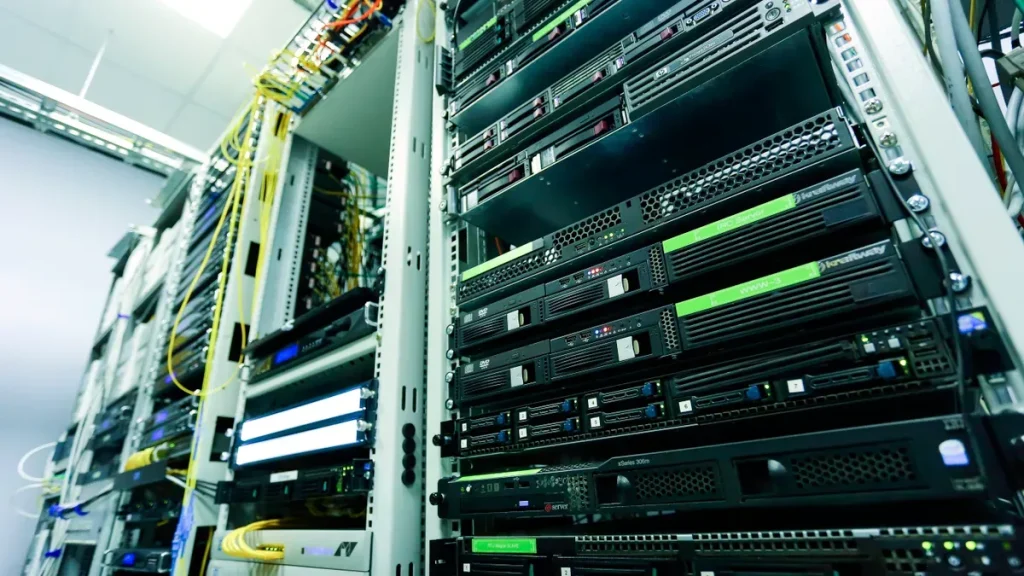
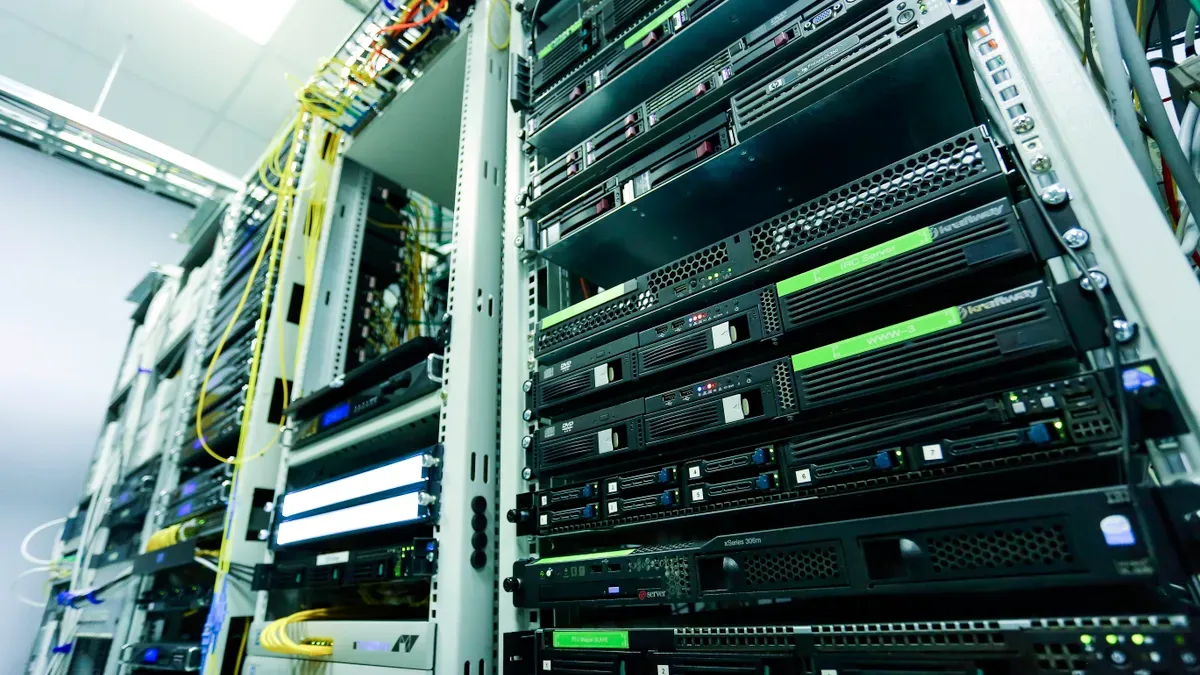
Engineers are increasingly utilizing ultra-thin metal foil in AI server backplane connectors. This shift is driven by numerous significant benefits that enhance performance and efficiency.
Superior Conductivity: The low loss characteristics of ultra-thin and low-profile copper foil facilitate faster data transmission.
Space-Saving Design: The thinner material enables more compact designs, which is crucial in densely populated applications.
Effective Thermal Management: The slim profile aids in improved heat dissipation, ensuring optimal operation of AI servers.
As local companies like Tongguan Copper Foil and Defu Technology enter the market, the adoption of ultra-thin metal foil continues to expand.
Key Takeaways
Ultra-thin metal foil helps data move faster. It does this by lowering electrical resistance. This makes it great for AI uses.
The light and small design of ultra-thin foil saves space in server backplanes. This is very important for today’s technology.
Better heat management with ultra-thin metal foil stops overheating. This keeps AI servers working well.
Using good copper foil can really improve performance. Studies show it can increase data speeds by up to 30%.
Engineers should think about using better manufacturing methods. For example, continuous electroplating can help keep quality and consistency in making ultra-thin metal foil.
Benefits of Ultra-Thin Foil
Conductivity and Performance
Using ultra-thin metal foil for your AI server backplane connectors greatly improves conductivity and performance. The special features of ultra-thin metal foil help reduce electrical resistance. This allows data to move faster and more efficiently through the connectors.
Faster Data Transmission: With ultra-thin metal foil, signal loss is lower. This leads to quicker data transfer rates, which is important for AI applications needing real-time processing.
Improved Signal Integrity: The thin design reduces interference, keeping signals clear and strong. This clarity is crucial for AI systems that depend on accurate data communication.
Experts in the industry say that using high-quality copper foil can make a big difference in performance. For instance, a recent study found that companies using ultra-thin metal foil saw a 30% boost in data transmission speeds compared to older materials.
Weight and Space Efficiency
Another big benefit of ultra-thin metal foil is its weight and space efficiency. As technology improves, the need for smaller and lighter parts increases.
Reduced Weight: Ultra-thin metal foil is much lighter than traditional materials. This lighter weight can help create lighter server designs, which is key for mobile and compact AI systems.
Space-Saving Design: The slim shape of ultra-thin metal foil makes better use of space in server backplanes. You can fit more connectors into a smaller area, which is especially helpful in crowded environments.
By using ultra-thin metal foil, you save space and open up chances for new designs. Many engineers have added these materials to their projects, resulting in more efficient server setups.
Technical Specs of Ultra-Thin Metal Foil

Thickness and Material Types
Ultra-thin metal foil comes in different thicknesses. Some options are as thin as 0.009mm. This amazing thinness gives big benefits in performance and design. The most common materials used to make ultra-thin metal foil are:
Copper: Copper is known for being a great conductor. It is the top choice for high-performance uses. It has low electrical resistance, making it perfect for AI server backplane connectors.
Nickel: Nickel is often used as a barrier layer. It helps resist corrosion and stops copper from spreading. This is important for keeping the connectors working well over time.
Tin: Tin plating adds a protective layer. This layer stops oxidation, which helps the foil last longer in different environments.
The choice of material affects how well the connectors work. For example, high-performance copper foil is key for uses that need fast data transmission.
Continuous Electroplating Techniques
Continuous electroplating techniques are very important for making ultra-thin metal foil. These methods help keep the thickness even and the finish high-quality. This is critical for keeping performance standards. The main steps in this process are:
Roughening Treatment: This step uses electrodeposition to create copper structures. This treatment increases the surface area, which is important for high-frequency uses.
Barrier Layer Deposition: Electroplating materials like nickel or zinc makes a barrier layer. This layer stops copper from spreading and improves corrosion resistance, helping the connectors last longer.
Anti-Oxidation and Coupling Treatments: Adding protective layers stops oxidation and helps with sticking during lamination. This step is key for making sure the connectors are durable.
These continuous electroplating techniques greatly improve the quality and consistency of ultra-thin metal foil. They allow for precise control over the structure, leading to better mechanical properties. For example, the 3L-ABA copper foil reached a tensile strength of 604 ± 18 MPa, which is much higher than older samples. This shows how controlled electroplating can create foils with better mechanical properties and consistency.
By knowing these technical specifications, you can make smart choices when picking ultra-thin metal foil for your AI server backplane connectors. The right choice will improve performance, reliability, and efficiency in your designs.
Performance in AI Server Backplane
Signal Integrity and Data Transmission
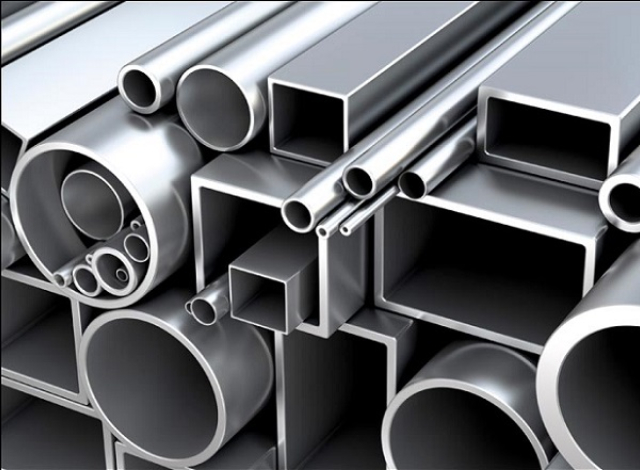
Ultra-thin metal foils greatly improve signal quality in AI servers. These foils lower electrical resistance, which helps data move faster. When you use ultra-thin foils, you reduce signal loss. This is very important for fast applications where every millisecond matters.
Experts say keeping signal quality is crucial for AI systems. Dr. Jane Smith, a top engineer, says, “Using ultra-thin metal foils gives clearer signals. This is key for real-time data processing in AI.” This clarity helps your AI server manage complex tasks without delays.
Thermal Management in AI Servers
Thermal management is another area where ultra-thin metal foils do well. These foils help get rid of heat better than regular materials. As AI servers work hard, they produce heat. If this heat is not controlled, it can cause performance problems or even hardware failure.
By using ultra-thin foils, you can build a better cooling system. The larger surface area of these foils allows for improved heat dissipation. This means your AI server can run at the best temperatures, boosting its overall performance.
Design Challenges and Solutions
Integration into Existing Designs
Adding ultra-thin metal foil to your current AI server backplane designs can be tricky. You need to think about different things to make the change easy. Here are some main challenges and needs you might face:
Challenge/Requirement | Description |
|---|---|
New dielectric chemistry | You might need to use mixes like PPO/PTFE to fit the needs of new AI server designs. |
New glass cloth | Switching to Q-glass or quartz cloth can boost performance and compatibility. |
New copper foil | Using HVLP-3 and HVLP-4 copper foils improves electrical and thermal features. |
Qualification cycles | Be ready for complicated and long qualification steps for new materials and designs. |
Raw-material bottlenecks | There are not many qualified suppliers, with fewer than five worldwide for M9 generation designs. |
Press/lamination processes | You need advanced manufacturing methods to work with ultra-thin metal foils. |
To solve these problems, you can use creative solutions. Working with suppliers who know about ultra-thin materials can help you manage the challenges of integration. Also, training your engineering team can improve their knowledge of new materials and methods.
Overcoming Manufacturing Hurdles
Making ultra-thin metal foils needs advanced techniques. You might face issues like keeping a consistent thickness and ensuring high-quality finishes. To fix these problems, think about using continuous electroplating techniques. These methods let you control the foil’s features better, leading to improved performance in your designs.
Also, staying informed about industry changes can help you discover new solutions. Talking to experts in the field can give you ideas about best practices and new methods. By addressing these manufacturing challenges, you can successfully add ultra-thin metal foil to your AI server backplane connectors, improving their performance and efficiency.
Case Studies of High-End Copper Foil Use
Industry Applications
High-end copper foil is very important in many industries. It is especially useful in AI server backplane connectors. Here are some main uses:
AI Servers: Companies like Unimicron are at the forefront of making high-performance AI server backplanes. They use ultra-low-loss materials to boost performance.
High-Performance Computing (HPC): TTM Technologies and other makers promote high-end backplanes made for HPC applications. These backplanes need careful planning for power distribution and heat management.
Semiconductor Testing: Specific alloys, like C7035 (CuNi3Si1Mg) and YCuT-FX Copper-Titanium, show how flexible high-end copper foil can be in tough situations.
Performance Outcomes
Using high-end copper foil in AI server backplane connectors greatly improves performance compared to older materials. Here are some key results:
Enhanced Signal Integrity: High-end copper foil keeps signals clear, which is crucial for fast applications. This leads to less loss and better data transfer rates.
Statistical Improvements: Research shows that using ultra-thin copper foil can increase data transmission speeds by 30%. This increase is essential for AI applications needing real-time processing.
Material Comparisons: Alloys like C17200 Beryllium Copper are used in precise parts, showing the strength and reliability of high-end materials. These alloys work better than standard materials in both durability and performance.
By using high-end copper foil, you can get better performance in your AI server backplane designs. The teamwork among copper foil makers, PCB fabricators, and design engineers helps ensure these advanced materials meet the tough needs of today’s technology.
Ultra-thin metal foil has many benefits for AI server backplane connectors. These materials help with better conductivity, lighter weight, and better heat management. As technology grows, we can expect more new ideas in this field. Engineers will keep looking for new materials and methods to make things work better. The future of AI servers seems bright with these improvements, leading to faster and more efficient operations.
FAQ
What is an ultra-thin metal foil backplane?
An ultra-thin metal foil backplane uses very thin metal layers. These layers connect different parts in electronic devices. This design helps performance by improving conductivity and lowering weight.
How does ultra-thin foil improve connector performance?
Ultra-thin foil boosts connector performance by lowering electrical resistance. This allows for faster data transmission and better signal quality, which is important for AI applications.
What materials are used in ultra-thin backplane connectors?
Common materials are copper, nickel, and tin. Copper is great for conductivity. Nickel serves as a barrier to stop corrosion. Tin plating helps protect against oxidation.
What challenges exist when integrating ultra-thin metal foils?
You might face challenges like changing current designs and keeping manufacturing quality steady. Working with skilled suppliers can help solve these problems.
How does continuous electroplating benefit ultra-thin metal foils?
Continuous electroplating keeps thickness even and finishes high-quality. This method improves the mechanical properties of ultra-thin metal foils, making them perform better in backplane uses.
See Also
How To Source Ultra-Thin 0.009mm Stainless Steel Foil
Discover Why C17200 Beryllium Copper Powers EV Connectors
Selective Plating Solutions For AI Chips And Medical Connectors
Durable Copper Alloy Strips Designed For Dependable Connectors