
Electroplating is an important process. It helps protect metals from rust. This is done by putting a thin layer of metal on a surface. This makes the metal last longer and be stronger. It is important to know how electroplating works. Corrosion costs industries about 276 billion US dollars every year. This huge amount is about 3.1% of the total economy.
Many industries, like oil and gas, marine, and transportation, use electroplating. They do this to lower maintenance costs and make things safer. Using this technology can save money and improve how well your projects work.
Key Takeaways
Electroplating keeps metals safe from rust. It does this by adding a thin layer of metal. This helps metals last longer.
Industries like cars and electronics use electroplating. It makes parts stronger and helps them resist damage and rust.
New eco-friendly electroplating methods are being developed. They create less waste and are safer for the planet.
Electroplating also makes products look better. This attracts more customers and gives useful benefits.
Using electroplating can cut down maintenance costs. This makes it a smart choice for many businesses.
Electroplating Overview
The Electroplating Process
Electroplating has a few important steps. These steps change metal ions into a solid layer on a surface. Here’s how it works:
Step | Description | Scientific Principle |
|---|---|---|
Ions of a chosen metal stick to a conductive surface. | Electrodeposition turns ions into solid metal. | |
Conductivity | The solution must conduct electricity well for ions to move. | Conductivity is key for even deposition. |
Solution Composition | The electrolyte needs to be balanced for good plating results. | Composition affects how fast plating happens and the deposit’s qualities. |
This process helps create a protective layer. This layer stops corrosion and makes the base material last longer.
Benefits of Electroplating
Electroplating has many benefits. This is why it is popular in different industries. Here are some main advantages:
Corrosion Resistance: Electroplating greatly boosts the corrosion resistance of metals. For example, treated panels have fewer rust spots than untreated ones. This means parts last longer.
Enhanced Physical Properties: The process can make metals harder, more wear-resistant, and better at conducting electricity. For instance, nickel plating can reach a hardness of 45-50 HRC, while chromium plating can hit 65-70 HRC. This makes parts stronger and more dependable.
Aesthetic Appeal: Electroplating can also make products look better. A shiny, plated surface can make items more attractive to buyers.
Cost-Effectiveness: By stopping corrosion, electroplating cuts down maintenance costs and makes products last longer. This can save businesses a lot of money over time.
Versatility: You can use electroplating on many materials, like metals and plastics. This flexibility allows it to be used in many industries, from cars to electronics.
Metals Used in Electroplating
Common Electroplating Metals
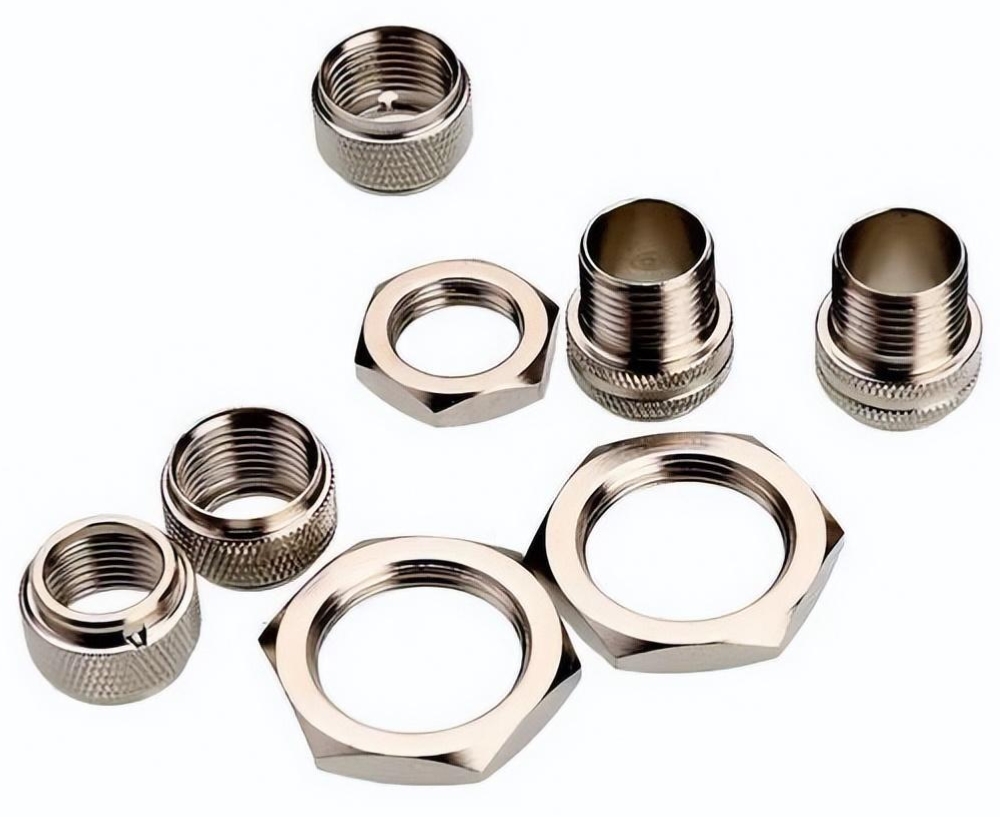
Electroplating uses different metals. Each metal has special qualities that make it good for certain uses. Here are some of the most common metals used in electroplating:
Copper
Silver
Nickel
Zinc
Iron
These metals are very important in many industries. For example, nickel is well-known for protecting against corrosion and wear. You can often see nickel plating on car parts and bathroom fixtures.
To help you understand better, here’s a table showing some special qualities of metals used in electroplating:
Metal | Unique Properties | Applications |
|---|---|---|
Nickel | Protects against corrosion, resists wear, has a smooth and shiny finish | Car parts, bathroom fixtures, electronics |
Gold | Resists corrosion, conducts electricity, does not tarnish, has a high-quality finish | Jewelry, circuit boards, watches, decorative trims |
Chromium | Very hard, durable, resists wear, has a shiny mirror-like look | Car trims, tools, kitchen appliances |
Recently, there is a trend toward better coatings, especially in cars and planes. Industries are now focusing on eco-friendly practices, leading to new low-waste electroplating methods. You might also see improvements in tiny coatings that make things last longer and work better.
When picking a metal for electroplating, think about the base metal’s properties. Each metal reacts differently with coatings. This affects how well they stick and how they perform overall. For example, some metals bond well with certain coatings, while others need special treatment first.
Applications of Electroplating
Automotive and Electronics
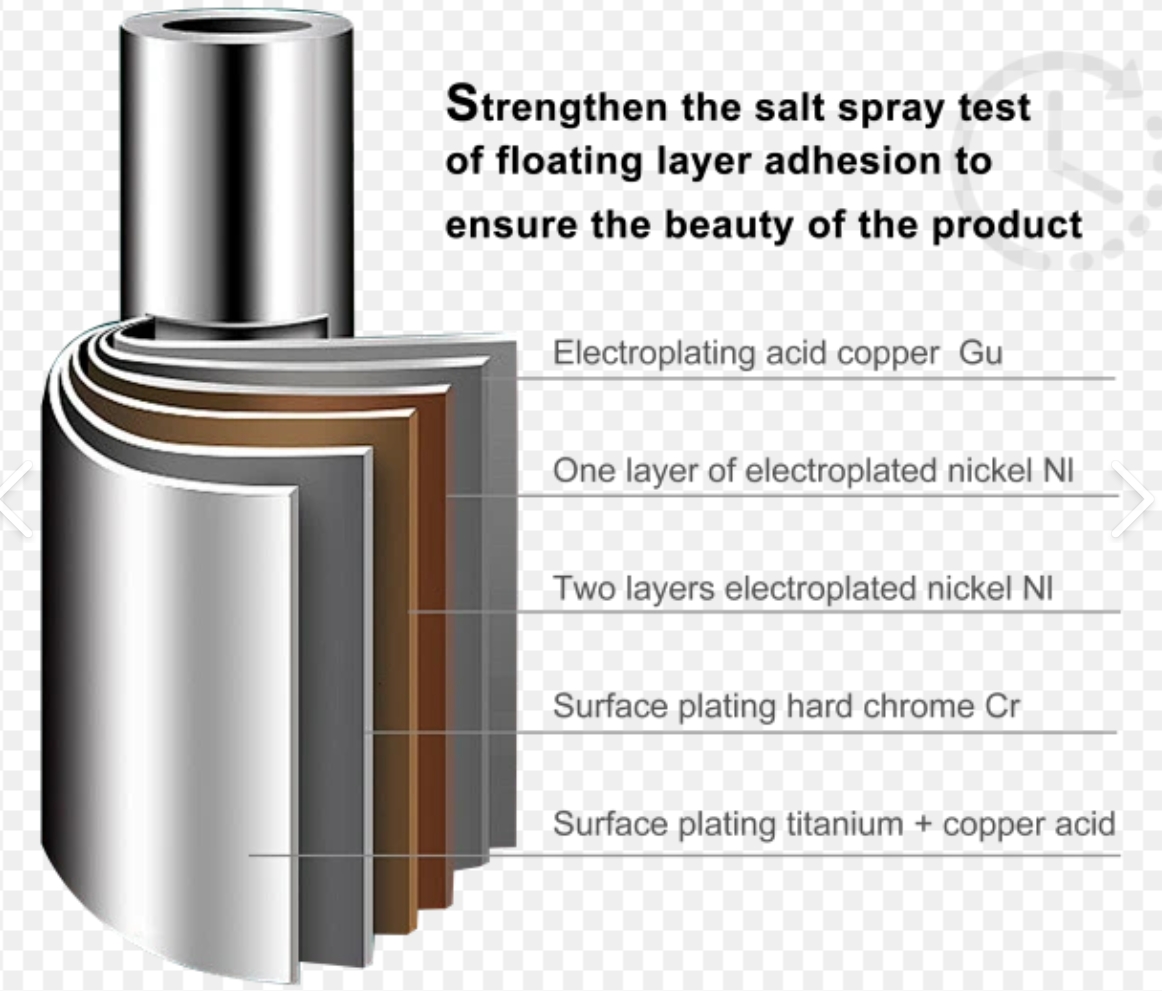
Electroplating is very important in the automotive and electronics fields. These industries depend on electroplated parts for their strength and performance. Here are some main uses:
Automotive Industry: This field uses the most electroplated products. You can find electroplating in many parts, like engine pieces, wheels, and trim. The benefits are:
Corrosion Resistance: Electroplating keeps parts safe from rust and damage, making them last longer.
Wear Resistance: It makes parts tougher against scratches and hits, so they need fewer replacements.
Electronics Sector: This field also uses electroplating a lot. You can see it in circuit boards, connectors, and other parts. The benefits are:
Increased Conductivity: Electroplating boosts how well electrical parts conduct electricity, improving performance.
Improved Durability: It makes parts stronger to handle stress, making them more reliable in tough situations.
Here’s a table showing the benefits of electroplating in these fields:
Application Area | Benefit | Description |
|---|---|---|
Automotive | Corrosion Resistance | Protects parts from rust and weather, making them last longer. |
Automotive | Wear Resistance | Makes parts tougher against scratches and hits, needing fewer replacements. |
Electronics | Increased Conductivity | Boosts how well electrical parts conduct electricity, improving performance. |
General | Improved Durability | Makes parts stronger to handle stress, making them more reliable in tough situations. |
Decorative Uses
Electroplating is not only useful; it also makes things look nice. Many consumer products have electroplated finishes that improve their look and function. Common finishes include:
Gold Plating: This finish gives a fancy look and great rust protection, perfect for jewelry and fancy items.
Silver Plating: Known for its beauty and great conductivity, silver plating is often used in jewelry and decorative items.
Nickel Plating: This finish is appreciated for its strength and rust protection, often found in many decorative uses.
Electroplating helps makers create items that are both pretty and long-lasting. For example, luxury jewelry brands often use rhodium plating on silver pieces to keep them from tarnishing. This process helps the jewelry stay shiny and attractive over time.
Electroplating is very important for stopping corrosion in many industries. Here are some main points:
Corrosion Resistance: Electroplating makes metals last longer by reducing rust and wear.
Wide Applications: Industries like cars, electronics, and building use electroplated coatings.
Sustainability: New eco-friendly methods make electroplating better for businesses that want to be green.
Think about the benefits of electroplating for your projects. Using this technology can help your products last longer and work better while lowering maintenance costs. Take advantage of electroplating to protect your items and keep safety in important areas. 🌟
FAQ
What is electroplating?
Electroplating is a way to put a thin metal layer on a surface. This layer helps protect the base material from rust and makes it look better.
How does electroplating prevent corrosion?
Electroplating makes a barrier between the metal and the environment. This barrier keeps moisture and oxygen away from the base metal, which reduces rust and wear.
Can any metal be electroplated?
Most metals can be electroplated, but some are better than others. Common choices are nickel, copper, and gold because they resist corrosion well.
Is electroplating environmentally friendly?
New methods have made electroplating more eco-friendly. These techniques create less waste and use safer chemicals, making the process better for the environment.
How long does electroplating last?
How long an electroplated layer lasts depends on thickness and conditions. Usually, a good layer can last for several years if taken care of properly.
See Also
Selecting The Best Plating Service For Your Connectors
Improving Smart Wearables Using Pre-Plated Steel Strips
Strategies To Lower Plating Mold Expenses For Electronics Makers
Continuous Selective Plating Without Molds For Gold Strips
The Impact Of Selective Electroplating On Lead Frame Quality