
AI hardware hotspots present significant challenges for performance in modern computing systems. As you push your AI hardware to its limits, heat generation becomes a crucial issue that can lead to throttling or even failure. Effective thermal management is essential to maintain optimal performance and longevity. Precision metal strips offer a solution by enhancing heat dissipation and ensuring your systems run cooler. These advanced materials provide the necessary support to combat overheating and improve overall efficiency.
Key Takeaways
AI hardware hotspots can slow down performance and cause failures. Managing heat is crucial for keeping systems running smoothly.
Precision metal strips improve heat dissipation. They help keep AI hardware cool, enhancing performance and extending component lifespan.
Effective thermal management can prevent costly repairs. Keeping temperatures in check reduces the risk of hardware damage and system crashes.
Industries like electronics and automotive benefit from precision metal strips. These materials enhance efficiency and reliability in AI applications.
Choosing the right precision metal strip is important. Consider material and application needs to ensure optimal performance in your systems.
AI Hardware Hotspots
Definition and Impact
AI hardware hotspots refer to areas within computing systems where excessive heat accumulates. These hotspots can significantly hinder performance, leading to slower processing speeds and potential hardware failures. When temperatures rise beyond optimal levels, your AI systems may throttle, reducing their efficiency. This throttling can result in longer processing times and decreased overall productivity. Therefore, understanding and managing these hotspots is crucial for maintaining the performance of AI hardware.
Causes of Hotspots
Several factors contribute to the formation of hotspots in AI systems. Here’s a breakdown of the primary causes:
Cause of Hotspot | Description |
|---|---|
Energy Consumption | Related to various stages of the AI hardware lifecycle, including manufacturing, operation, and data center overheads. |
AI Model Development | Involves energy use during development, experimentation, and training of AI models. |
AI Model Inference | Energy consumed during bulk inference and fine-tuning for specific applications. |
Data Center Overheads | Includes energy for cooling and other operational costs in data centers. |
Hardware Manufacturing | Emissions from the manufacturing process, including raw material extraction and assembly. |
Transportation | Energy used in shipping materials and assembled servers to data centers. |
Reverse Logistics | Energy involved in potential reuse and end-of-life treatment of hardware. |
Building Construction | Emissions from the construction of data center facilities. |
By recognizing these causes, you can take proactive steps to mitigate their effects. Implementing effective thermal management strategies, such as using precision metal strips, can help dissipate heat more efficiently. This approach not only enhances performance but also prolongs the lifespan of your AI hardware.
Thermal Management
Importance in AI Chips
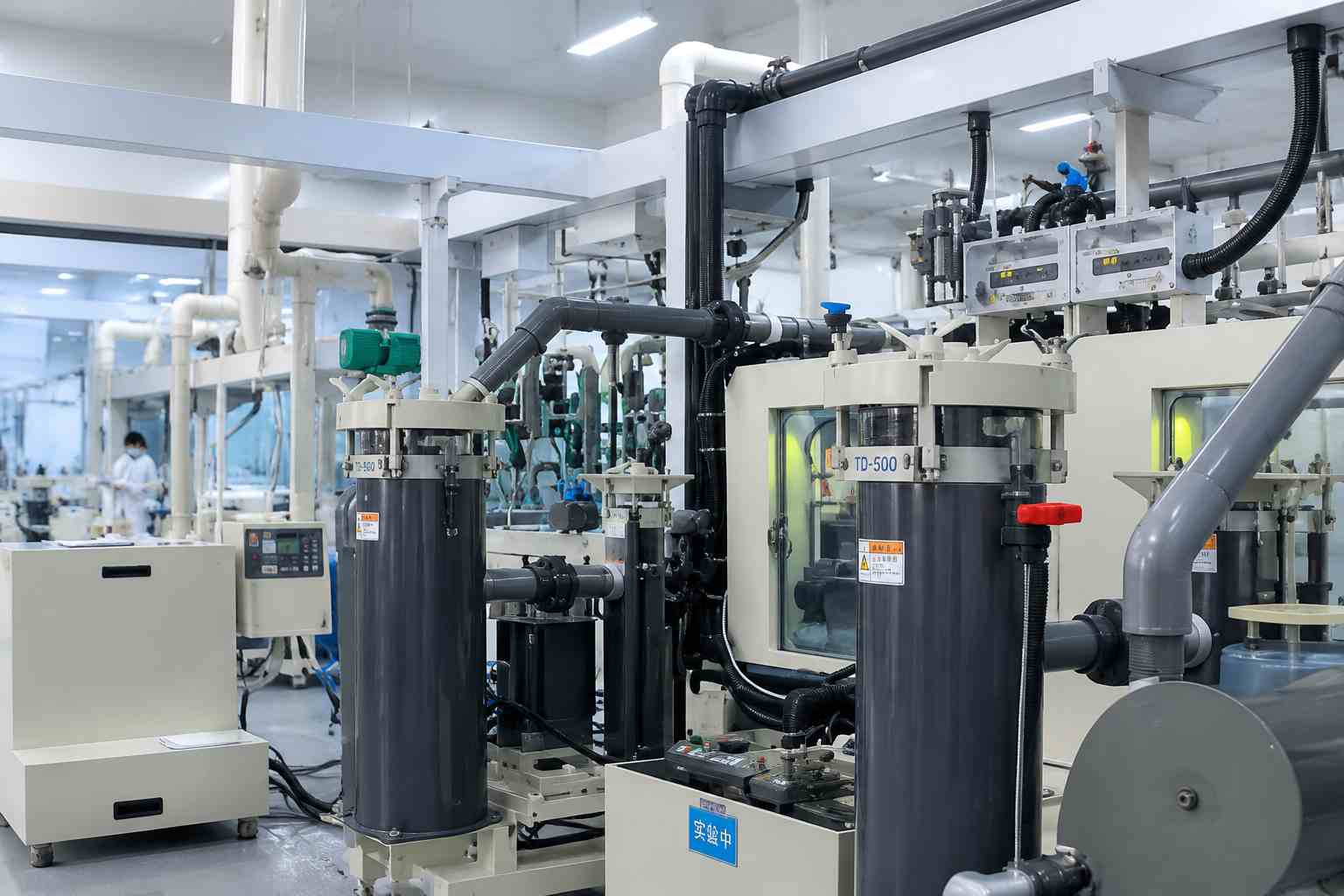
Effective thermal management plays a crucial role in the performance and longevity of AI chips. You must ensure that your AI hardware operates within safe temperature limits to avoid potential damage. Here are some key reasons why thermal management is essential:
Performance Optimization: Proper cooling allows AI chips to function at their best, maximizing processing speeds.
Longevity: Keeping temperatures in check can significantly extend the lifespan of components. For instance, a temperature rise of just 10°C can halve the lifespan of critical hardware.
Temperature Rise (°C) | Component Lifespan Impact |
|---|---|
0 | Normal lifespan |
10 | Halved lifespan |
20 | Quartered lifespan |
Consequences of Poor Management
Neglecting thermal management can lead to severe consequences for your AI systems. Here are some potential outcomes of inadequate heat dissipation:
Direct Damage: High temperatures can cause irreversible damage to hardware components.
Performance Degradation: Excessive heat accelerates aging, reducing computing efficiency.
Increased Failure Rates: CPUs and GPUs are more likely to fail when operating under high temperatures.
System Crashes: Built-in over-temperature protection mechanisms may trigger, leading to unexpected downtime.
Calculation Errors: Drift in electrical characteristics can result in reduced precision during AI tasks.
Higher Operational Costs: You may face increased expenses from hardware repairs and maintenance.
In addition, the miniaturization of semiconductor manufacturing has intensified thermal challenges. Without effective cooling solutions, your AI chips may operate outside optimal thermal conditions, leading to thermal throttling and reduced processing speeds.
To combat these issues, consider integrating precision metal strips into your thermal management strategy. These strips enhance heat dissipation, ensuring your AI hardware remains efficient and reliable.
Precision Metal Strips
What They Are
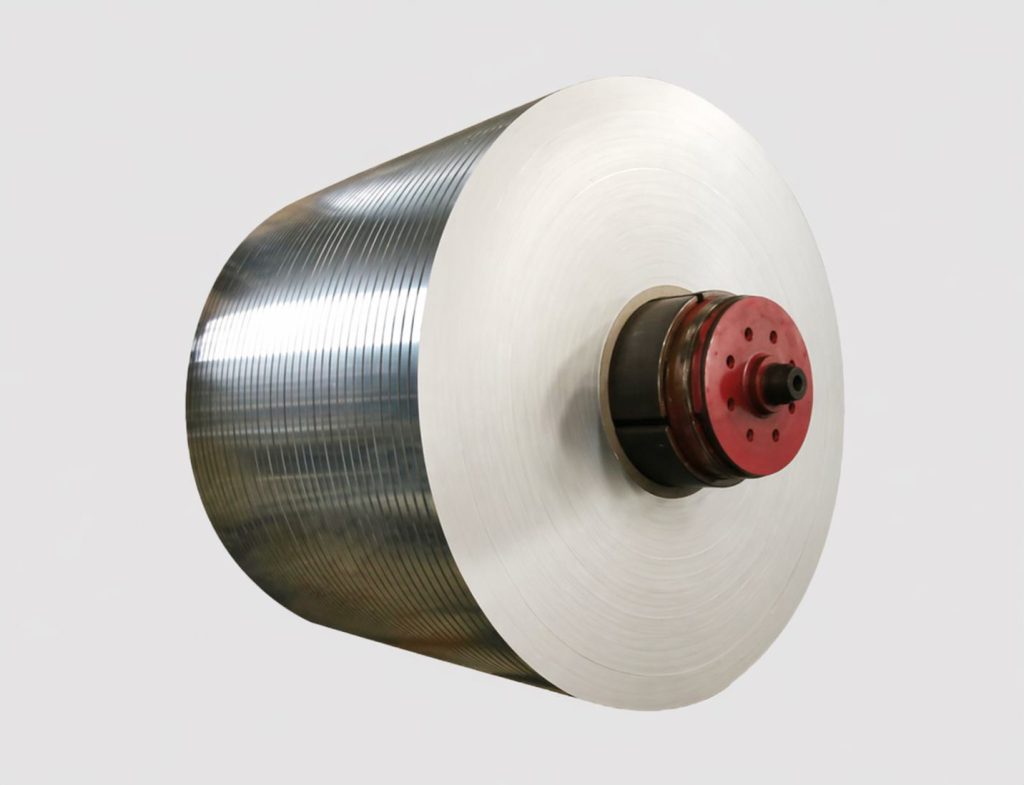
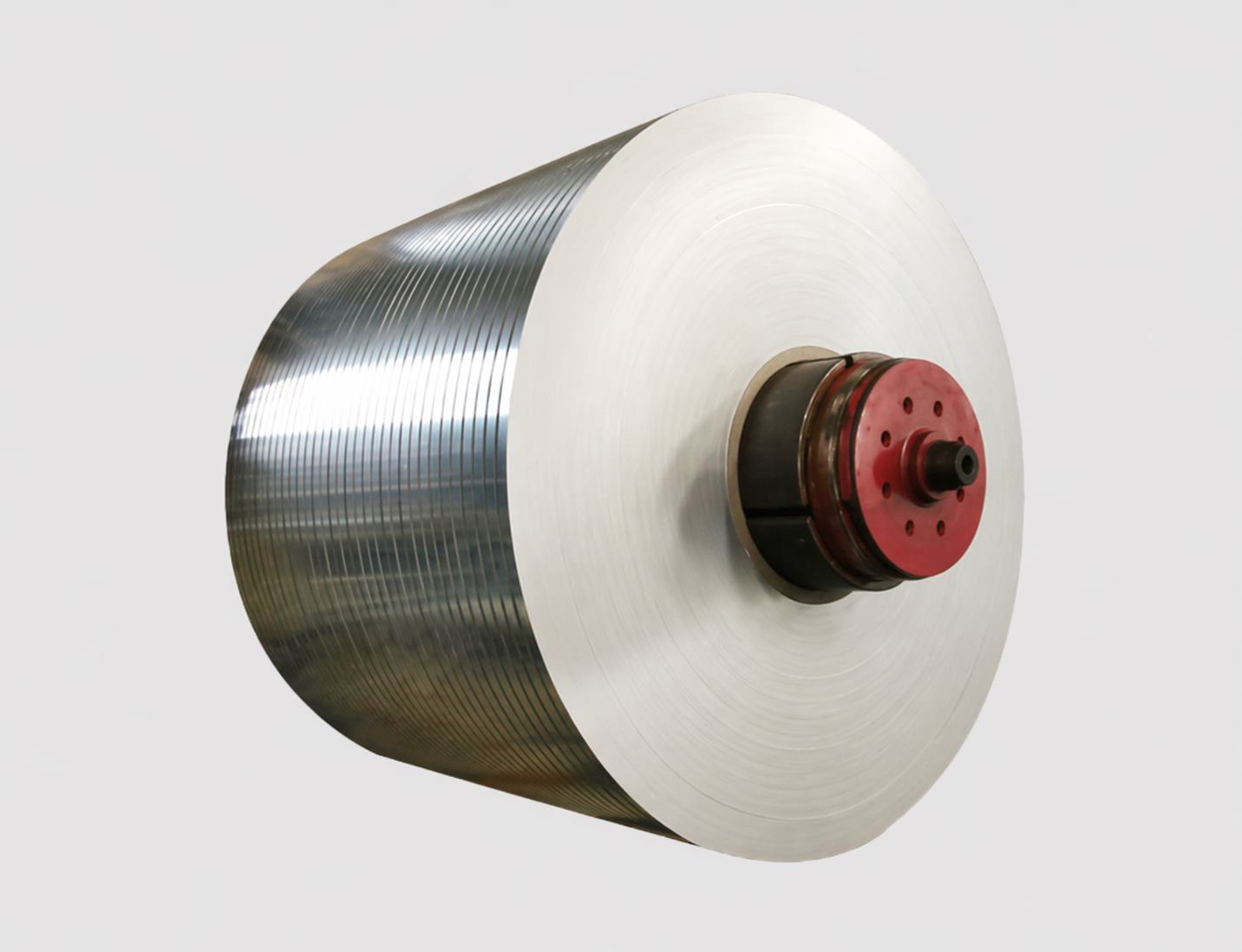
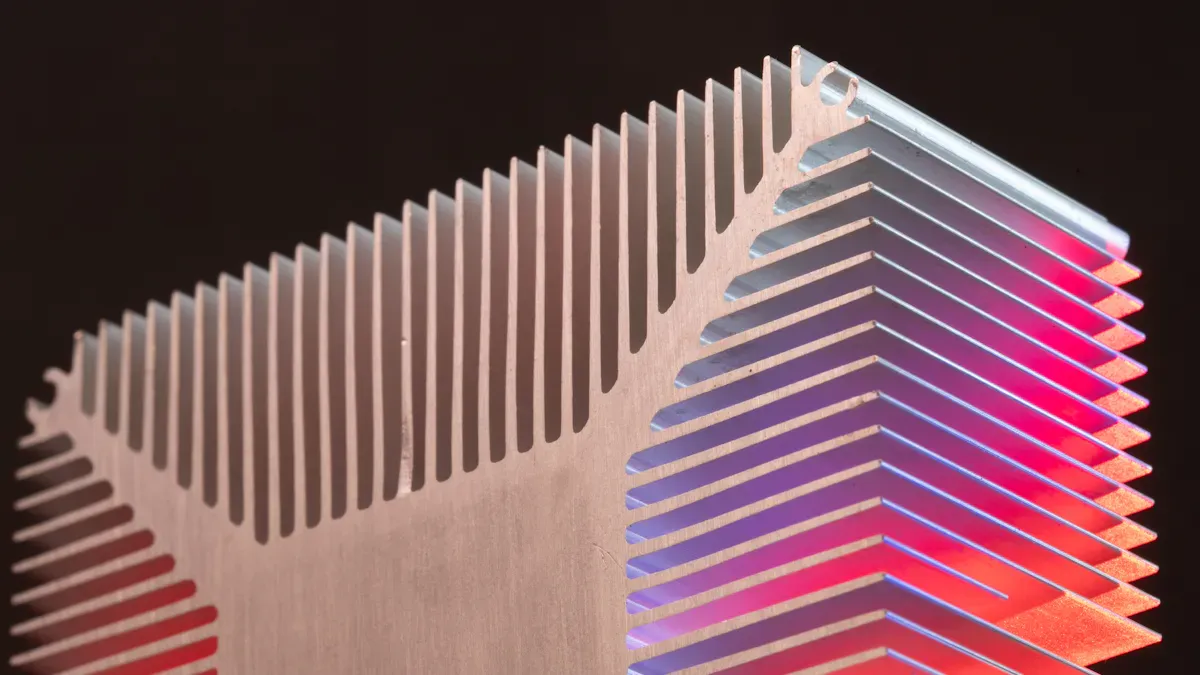
Precision metal strips are thin, flat pieces of metal engineered for specific applications in thermal management. These strips often consist of high-quality materials like stainless steel and nickel, which provide excellent thermal conductivity and durability. You can find them in various industries, including electronics, automotive, and telecommunications. Their versatility makes them suitable for a wide range of applications, from heat sinks in AI hardware to connectors in battery systems.
Here’s a quick overview of some common materials used in precision metal strips:
Material | Application |
|---|---|
Used in data center battery storage systems as ultra-conductive battery pack connectors and tabs. | |
Gold wire | Essential for photonics, transceiver lasers, and Co-packaged Optics (CPO) enabling high-speed data transfer in AI architectures. |
AuSn micro preforms | Used in soldering applications for high-performance electronic components in AI hardware. |
How They Work
Precision metal strips enhance thermal management through their unique physical properties. Here are some key characteristics that make them effective:
Property | Description |
|---|---|
Thermal Conductivity | Metals exhibit high thermal conductivity, facilitating effective heat transfer. |
Malleability | The ability to be shaped without breaking, allowing for precise applications in thermal management. |
Ductility | Enables metals to be drawn into wires or strips, essential for creating precision metal strips. |
Reflectivity | High reflectivity helps in managing thermal radiation, enhancing thermal management efficiency. |
These properties allow precision metal strips to efficiently dissipate heat generated by AI hardware. When you integrate these strips into your systems, they help maintain optimal temperatures, preventing hotspots from forming.
The mechanism by which precision metal strips enhance thermal conductivity involves their ability to conduct heat rapidly. For instance, bimetallic strips consist of two different metals that expand at different rates when heated. This differential expansion leads to bending, which converts temperature changes into mechanical displacement. The metal with a higher coefficient of thermal expansion is positioned on the outer side when heated, enhancing the strip’s response to temperature changes.
In practical applications, you can find precision metal strips in temperature sensors and thermostats, where they regulate heat effectively. By utilizing these strips, you can ensure that your AI hardware operates efficiently, reducing the risk of overheating and extending the lifespan of your components.
Advantages of Precision Metal Strips
Improved Heat Dissipation
Precision metal strips significantly enhance heat dissipation in AI hardware. Their high thermal conductivity allows them to transfer heat away from critical components quickly. This rapid heat transfer prevents hotspots from forming, ensuring that your systems operate within safe temperature limits.
Laboratory tests demonstrate the effectiveness of these strips in managing heat. For instance, the maximum heat flux achieved with precision metal strips reaches up to 3.3 MW/m². This impressive figure showcases their ability to handle substantial thermal loads. Here’s a summary of key parameters from these tests:
Parameter | Value |
|---|---|
Maximum heat flux | 3.3 MW/m² |
DNB temperature range | 180 °C to 220 °C |
Rewetting temperature range | 400 °C to 550 °C |
Maximum heat flux for AA6082 | Lower than nickel and nicrofer |
Initial temperature for AA6082 | Lower due to low melting point |
By utilizing precision metal strips, you can maintain optimal operating conditions for your AI hardware. This not only enhances performance but also reduces the risk of thermal-related failures.
Enhanced Efficiency
In addition to improved heat dissipation, precision metal strips contribute to overall system efficiency. When your AI hardware operates at lower temperatures, it can perform tasks more effectively. This efficiency translates into faster processing speeds and reduced energy consumption.
Industry experts emphasize the importance of thermal management in achieving optimal performance. For example, a leading thermal management specialist states, “Effective heat dissipation is crucial for maximizing the capabilities of AI systems. Precision metal strips provide a reliable solution to this challenge.”
Moreover, the durability of precision metal strips ensures that they withstand the rigors of demanding applications. Their resistance to corrosion and wear means that you can rely on them for long-term performance. This reliability reduces maintenance costs and downtime, allowing your AI systems to function smoothly.
Applications in AI Hardware
Use Cases in AI Systems
Precision metal strips play a vital role in various AI applications. Here are some common use cases:
Defect Detection: AI systems utilize precision metal strips for defect detection in manufacturing. This ensures quality control of the strips themselves.
Automated Vision Systems: These systems inspect components like brake discs and body panels. They ensure structural safety and surface quality.
Ultrasonic Imaging: AI and ultrasonic imaging work together to identify defects in critical aerospace components. This maintains safety standards.
Non-Destructive Testing (NDT): NDT integrated with AI monitors infrastructure. It allows for early detection of flaws, preventing failures.
These applications highlight how precision metal strips enhance the efficiency and reliability of AI systems.
Industry Examples
Various industries benefit from integrating precision metal strips into their AI hardware. The aerospace and automotive sectors are leading adopters. They have reported significant improvements in efficiency, reduced costs, and enhanced product quality. AI-driven automation optimizes operations, minimizes material waste, and improves product consistency. These factors are crucial for maintaining a competitive advantage in today’s market.
For instance, the OV80i vision system exemplifies the use of AI in achieving micron-level defect detection accuracy. This level of precision is essential for ensuring the quality of steel strips used in various applications. By leveraging precision metal strips, industries can enhance their production capabilities and ensure the reliability of their products.
Bonysn’s Breakthroughs in Precision Metal Strips for AI Thermal Management
Advanced Manufacturing Innovations
Bonysn (Bailixin) stands as a national high-tech leader in precision metal strips. The company emphasizes innovation and customer service. Their advanced manufacturing technologies include the 2024 ‘free-form’ moldless selective plating and high-precision roll-to-roll etching, achieving tolerances of ±0.005mm. These innovations streamline production and enhance product quality.
Diverse Material Portfolio
You can choose from a wide range of materials at Bonysn, including copper alloys, stainless steels, and ultra-thin foils. This diversity allows you to customize specifications to meet your specific needs. Whether you require high-strength components or corrosion-resistant materials, Bonysn has you covered.
High Strength and Performance
Bonysn’s precision metal strips exhibit exceptional strength, elasticity, and hardness. These properties make them suitable for demanding applications in AI chips and electronics. You can rely on their durability to withstand the rigors of high-performance environments.
Roll-to-Roll Processing & Integrated Techniques
Roll-to-roll processing offers numerous benefits for manufacturing precision metal strips. Here are some key advantages:
Benefit | Description |
|---|---|
Flexible roll mills allow for width and height adjustments tailored to production needs. | |
Streamlined Setup Process | Reduced setup time enhances operational efficiency and minimizes downtime. |
Precision and Efficiency | CNC punching capabilities ensure accurate shaping and cutting, improving product quality. |
Cost and Time Savings | Lower tool lead times and costs lead to a more agile production line. |
This method not only optimizes material use but also reduces energy consumption, making it ideal for large-scale production.
Broad Industry Applications
Bonysn’s precision metal strips find applications across various sectors. Here are some key industries and their specific uses:
Sector | Specific Applications |
|---|---|
Electronics | Mobile phones, computer accessories, computer I/O connectors |
Automotive | Hardware, stationery, kitchenware |
Medical | Medical equipment, high-precision stainless steel springs |
With industry certifications and patents, Bonysn has gained recognition from leading companies. Their commitment to quality and innovation positions them as a trusted partner in AI thermal management.
In summary, precision metal strips play a critical role in managing heat in AI hardware. You can enhance heat dissipation and improve overall performance by integrating these advanced materials into your systems. Their unique properties allow for effective thermal management, which prevents hotspots and extends the lifespan of your components. As AI technology continues to evolve, investing in precision metal strips will ensure your hardware operates efficiently and reliably. Embrace this innovative solution to elevate your AI systems to new heights!
FAQ
What are precision metal strips used for in AI hardware?
Precision metal strips enhance thermal management in AI hardware. They dissipate heat effectively, preventing hotspots and ensuring optimal performance.
How do precision metal strips improve heat dissipation?
These strips conduct heat away from critical components quickly. Their high thermal conductivity allows for efficient heat transfer, maintaining safe operating temperatures.
Can precision metal strips be customized?
Yes, you can customize precision metal strips to meet specific requirements. Various materials and dimensions are available to suit different applications.
What industries benefit from precision metal strips?
Industries such as electronics, automotive, and aerospace utilize precision metal strips. They enhance performance and reliability in AI systems across these sectors.
How do I choose the right precision metal strip?
Consider factors like material, thickness, and application requirements. Consulting with a manufacturer can help you select the best strip for your needs.
See Also
Will 316 Stainless Steel Strips Revolutionize AI Cooling Methods
Enhancing Electronic Devices With Precision Metal Strip Materials
Boosting Smart Wearables With High-Precision Steel Strip Components
Innovative Moldless Selective Plating Techniques for AI Chips
Affordable Selective Plating Solutions for I/O Interface Needs