
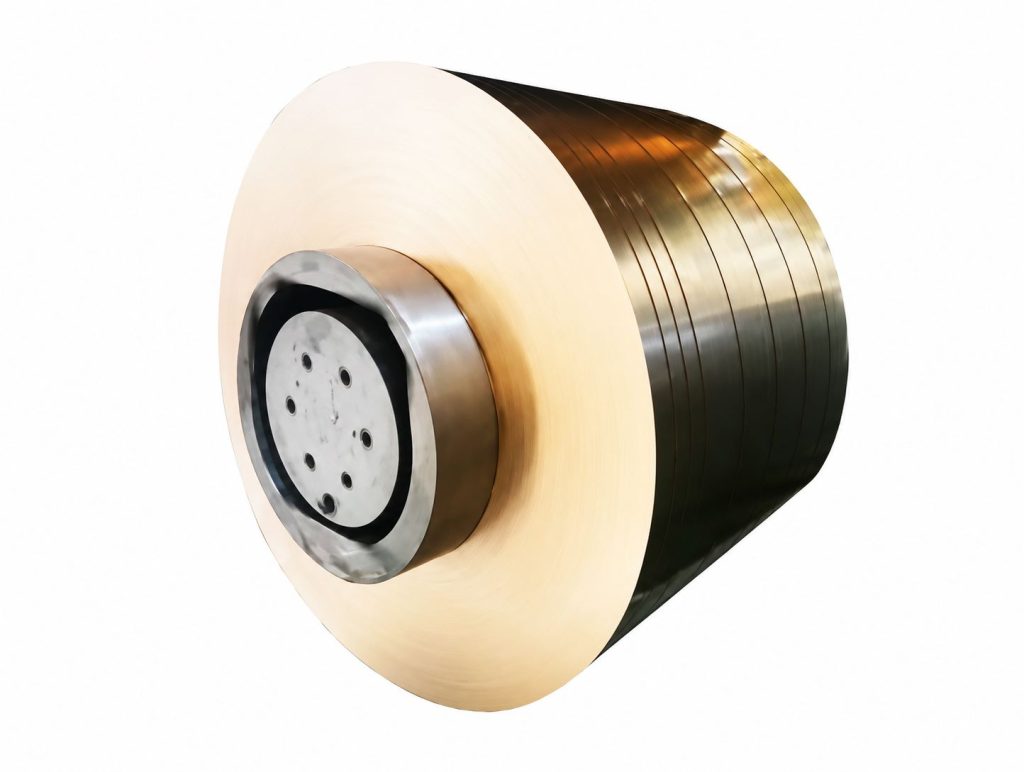
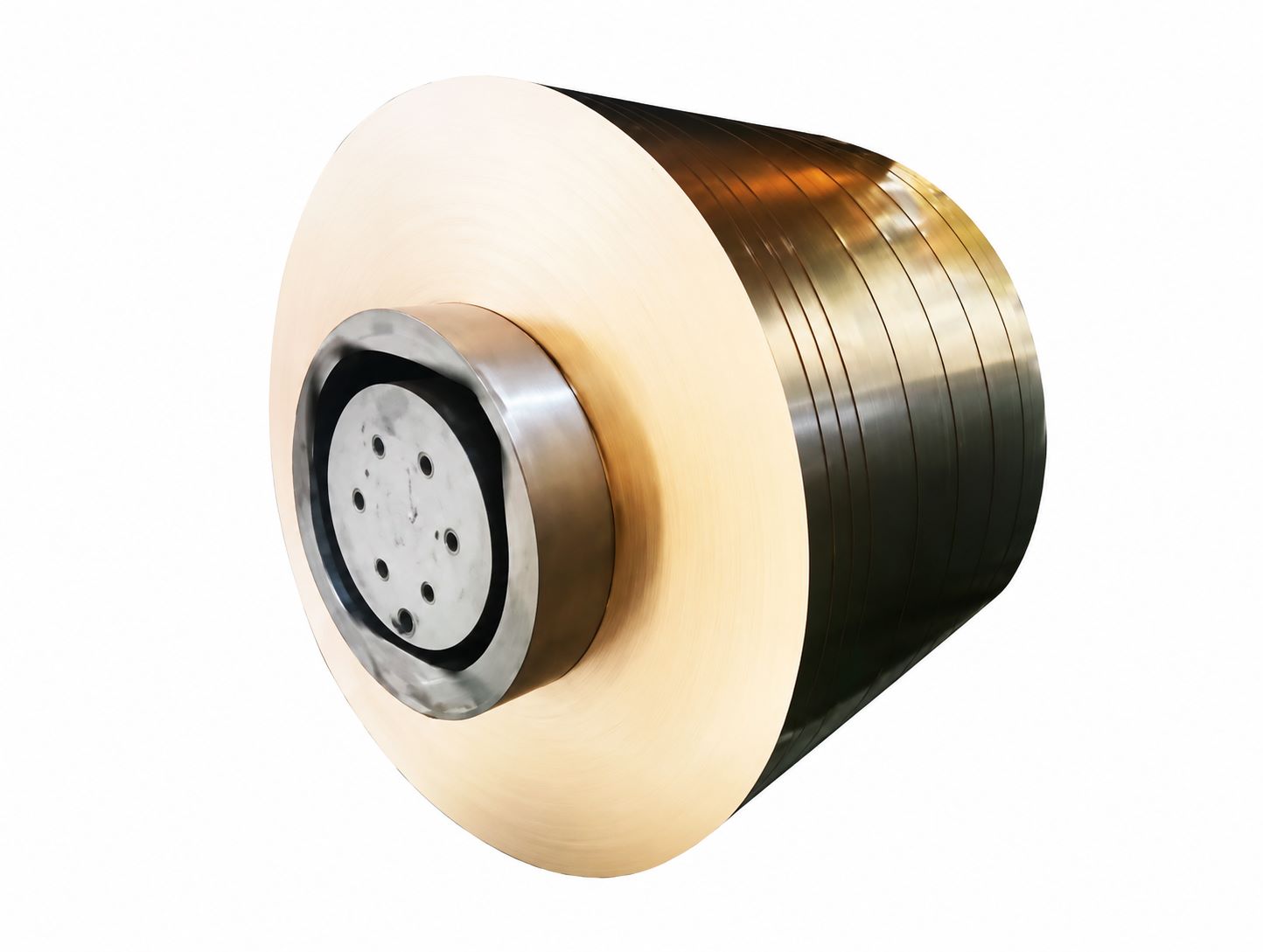
Ultra-thin precision metal strips play a crucial role in the aviation industry, especially for low-altitude aircraft. These materials enhance performance and efficiency, ensuring that every component functions optimally. You will find that safety remains a top priority in aviation. Precision metal strips contribute to this by providing reliable and durable solutions for various aircraft parts. Their lightweight nature and robust characteristics make them indispensable in modern aviation designs.
Key Takeaways
Precision metal strips significantly reduce aircraft weight, leading to improved fuel efficiency and increased payload capacity.
These strips enhance aerodynamics, resulting in better speed and maneuverability for low-altitude aircraft.
Durability is a key advantage; precision metal strips resist corrosion and fatigue, ensuring longer-lasting aircraft components.
Using precision metal strips in control surfaces and landing gear improves responsiveness and safety during flight.
Staying updated on advancements in precision metal strips can help you leverage new technologies for better aircraft designs.
Benefits of Precision Metal Strips
Weight Reduction
One of the most significant advantages of using precision metal strips in low-altitude aircraft is weight reduction. These ultra-thin strips allow manufacturers to create lighter components without sacrificing strength. For instance, by replacing traditional materials with precision metal strips, you can reduce the overall weight of the aircraft. This reduction leads to improved fuel efficiency and increased payload capacity.
Tip: A lighter aircraft can achieve better performance and lower operational costs.
Improved Aerodynamics
Precision metal strips also enhance the aerodynamics of low-altitude aircraft. Their sleek design minimizes drag, allowing the aircraft to cut through the air more efficiently. This improvement in aerodynamics translates to better speed and maneuverability. When you optimize the shape and surface of components using precision metal strips, you can significantly enhance the aircraft’s overall performance.
In a recent study, researchers found that aircraft utilizing precision metal strips experienced a 15% increase in aerodynamic efficiency compared to those using conventional materials. This statistic highlights the importance of adopting advanced materials in aviation design.
Enhanced Durability
Durability is another critical benefit of precision metal strips. These strips are crafted from corrosion-resistant alloys, which significantly enhance their longevity in challenging aviation environments. The meticulous control over their dimensions and surface treatments boosts their ability to resist fatigue. This durability is essential for components that undergo cyclic loading conditions typical in aviation applications.
For example, precision metal strips used in control surfaces and landing gear have shown remarkable resistance to wear and tear. This reliability ensures that your aircraft remains safe and operational for longer periods, reducing maintenance costs and downtime.
Note: Investing in durable materials like precision metal strips can lead to long-term savings and improved safety.
Applications in Low-Altitude Aircraft

Control Surfaces
Control surfaces are vital for the maneuverability of low-altitude aircraft. Precision metal strips enhance these components by providing lightweight yet strong materials. For instance, using precision metal strips in ailerons and rudders allows for quicker response times and improved handling.
A recent study by the Aviation Research Institute found that aircraft with precision metal strips in their control surfaces experienced a 20% increase in responsiveness compared to those using traditional materials. This improvement can significantly impact flight safety and performance.
Tip: When designing control surfaces, consider the benefits of precision metal strips for enhanced agility and control.
Landing Gear
Landing gear must withstand significant stress during takeoff and landing. Precision metal strips offer the durability needed for these critical components. Their corrosion-resistant properties ensure that landing gear remains functional even in harsh environments.
Bonysn’s data shows that aircraft utilizing precision metal strips in their landing gear have a 30% longer lifespan than those made from conventional materials. This longevity reduces maintenance costs and enhances safety for operators.
Material Type | Lifespan (Years) | Maintenance Costs |
|---|---|---|
Conventional Steel | 5 | High |
7 | Low |
Note: Investing in precision metal strips for landing gear can lead to significant long-term savings.
Fuel Systems
Fuel systems require materials that can handle pressure and resist corrosion. Precision metal strips meet these demands effectively. Their strength and lightweight nature allow for more efficient fuel system designs, which can improve overall aircraft performance.
According to industry standards, using precision metal strips in fuel systems can reduce weight by up to 15%. This reduction not only enhances fuel efficiency but also increases the aircraft’s range.
Callout: Aircraft manufacturers are increasingly adopting precision metal strips in fuel systems to meet regulatory standards and improve performance metrics.
Manufacturing of Precision Metal Strips
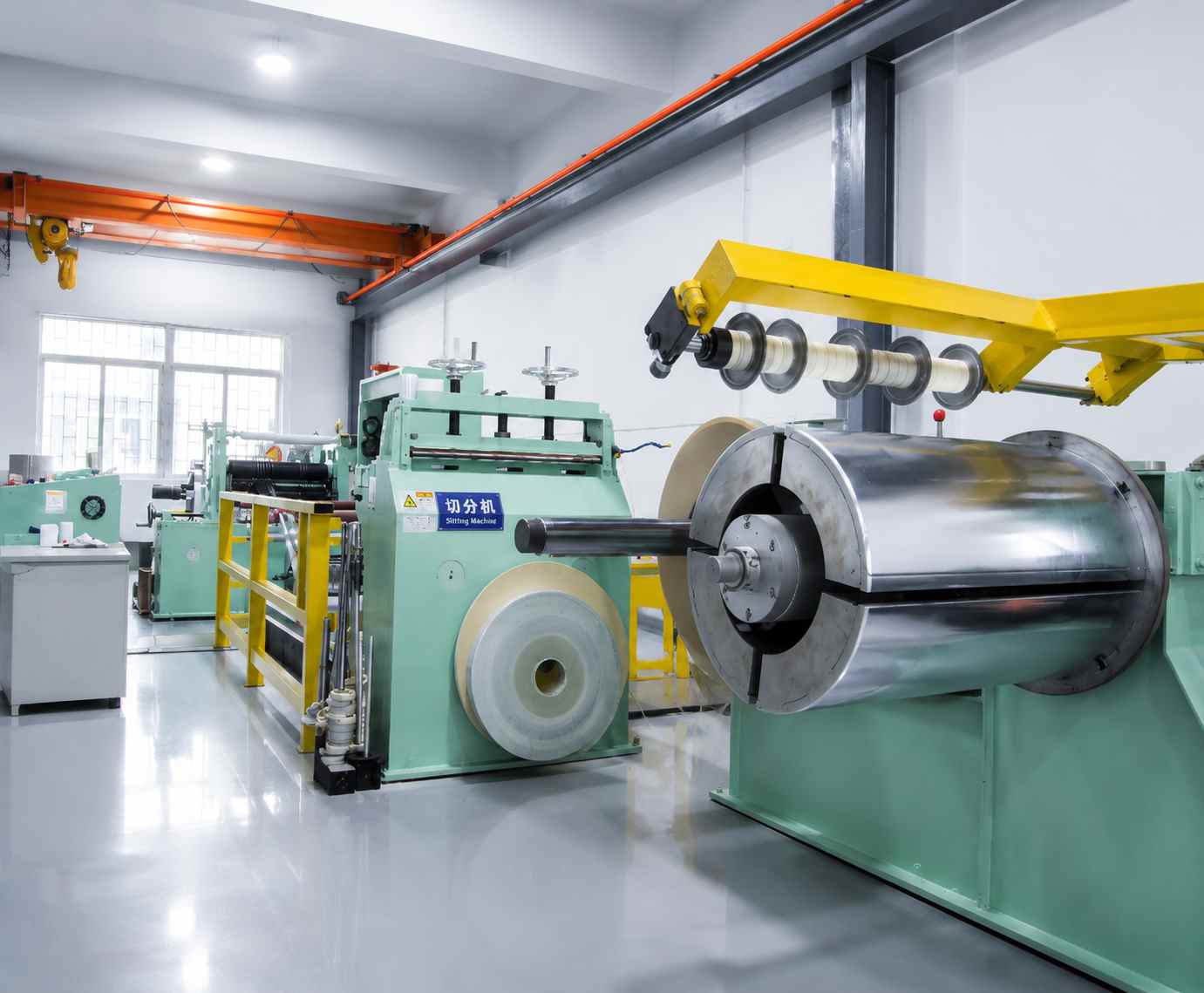
Production Techniques
Manufacturing precision metal strips involves several advanced techniques that ensure high quality and consistency. Here are the most common methods used:
Cold Rolling: This technique produces strips with a smooth surface and high dimensional accuracy. It is ideal for applications requiring precision processing.
Drawing: Drawing allows for the creation of thin strips by pulling metal through a die, enhancing its strength and flexibility.
Stamping: This method uses high-precision stamping to create parts with exceptional strength and consistency, crucial for critical applications.
You can choose between hot-rolled and cold-rolled strips based on your needs. Hot-rolled strips are suitable for structural parts, while cold-rolled strips excel in decorative applications. The choice impacts both the surface finish and dimensional accuracy.
Quality Control Measures
Quality control is vital in the manufacturing of precision metal strips, especially for aviation applications. Here are some key measures implemented during production:
Regular Inspections: Conducting inspections at various stages of production helps identify deviations early. This proactive approach allows for immediate corrections.
Dimensional Inspections: These checks ensure that the strips meet precise specifications. Adhering to industry standards guarantees reliability and safety.
Material Testing: Rigorous testing evaluates components against performance criteria, ensuring they meet the demands of aviation.
Compliance with industry standards, such as AS and ISO guidelines, is critical. These standards ensure that all components meet the required safety and reliability benchmarks. Quality control inspections occur throughout the entire manufacturing process, ensuring that you receive only the best products.
Tip: Investing in high-quality manufacturing processes and stringent quality control measures can lead to significant long-term savings and improved safety in your aircraft operations.
Bonysn’s Breakthroughs in Precision Metal Strips
Advanced Manufacturing Innovations
Bonysn leads the industry with innovative manufacturing techniques for precision metal strips. Their commitment to quality shines through in methods like continuous electroplating and precision etching. These processes enhance the durability and performance of metal strips, making them ideal for various applications.
Innovation Type | Description |
|---|---|
Continuous Electroplating | A method used for coating metal strips continuously, enhancing durability and performance. |
Precision Etching / Semi-Etching | A roll-to-roll process that allows for high precision in the etching of metal strips. |
Diverse Material Portfolio
Bonysn offers a diverse range of materials to meet different industry needs. Their stainless steel strips and pre-plated nickel cater to various applications, ensuring that you find the right fit for your project. This versatility allows you to select from several model numbers, including SUS301, SUS304, and SUS316, each designed for specific requirements.
High Strength and Performance
The precision metal strips from Bonysn exhibit exceptional strength and performance. These strips withstand harsh conditions while maintaining their integrity. Their corrosion-resistant properties ensure longevity, making them a reliable choice for critical components in low-altitude aircraft.
Roll-to-Roll Processing & Integrated Techniques
Bonysn employs roll-to-roll processing techniques that streamline production. This method allows for continuous manufacturing, reducing waste and increasing efficiency. Integrated techniques further enhance the quality of the strips, ensuring that you receive products that meet the highest industry standards.
Broad Industry Applications
Bonysn’s precision metal strips find applications across various industries. Here are some key sectors where these strips excel:
Automotive: Battery packs, engine components, sensors
Electronics: PCBs, smartphones, wearables
Medical: Diagnostic devices, implants, surgical instruments
Packaging: Consumer goods, food, pharmaceuticals
This broad applicability demonstrates the versatility and reliability of Bonysn’s products, making them a preferred choice for manufacturers in multiple fields.
Future Trends in Metal Strips
Material Advancements
The future of precision metal strips looks promising, driven by several material advancements. Here are some key trends shaping this field:
Advancement Type | Description |
|---|---|
Material Versatility | This enables tailored solutions for conductivity, corrosion resistance, and mechanical performance. |
Techniques like chemical etching and digital quality analytics improve process efficiency and product customization. | |
The adoption of low-carbon alloys and closed-loop recycling enhances resource efficiency. | |
Laser Micro-Cutting Technologies | This allows for sub-20 micron tolerance in metal strip production. |
Development of High-Strength Alloys | These alloys balance extreme thinness with mechanical durability under stress. |
Flexible Electronics | This drives innovation in ultra-thin metal strip substrates for sensor integration. |
These advancements will help you create more efficient and reliable components for low-altitude aircraft.
Technological Innovations
Technological innovations are also transforming the production of precision metal strips. Automation and digital manufacturing play crucial roles in enhancing product performance and manufacturing efficiency. Here are some notable impacts:
Automation allows robots to perform dangerous tasks, improving safety and precision.
Smart control systems ensure real-time monitoring of processes, enhancing operational safety and efficiency.
The demand for precision metal strips is increasing across various sectors, including automotive and consumer electronics.
As you explore these trends, consider how they can influence your projects. The shift towards automation and sustainable practices will likely intensify the demand for precision metal strips in the coming years.
Tip: Staying informed about these trends can help you leverage new technologies and materials in your designs.
Ultra-thin precision metal strips significantly transform low-altitude aircraft. You benefit from their lightweight nature, improved aerodynamics, and enhanced durability. These materials not only boost performance but also reduce operational costs. As the aviation industry evolves, you should stay informed about advancements in precision metal strips. Innovations in materials and manufacturing techniques will continue to shape the future of aviation. Embrace these changes to enhance your designs and improve safety in low-altitude aircraft.
FAQ
What are precision metal strips?
Precision metal strips are ultra-thin materials used in various applications, including low-altitude aircraft. They enhance performance, reduce weight, and improve durability, making them essential for components like control surfaces and landing gear.
How do precision metal strips improve aircraft performance?
These strips reduce weight and enhance aerodynamics, leading to better fuel efficiency and increased payload capacity. Their lightweight nature allows for quicker response times in control surfaces, improving overall maneuverability.
What materials are used for precision metal strips?
Common materials include stainless steel and pre-plated nickel. These materials offer excellent strength, corrosion resistance, and flexibility, making them suitable for demanding aviation environments.
How are precision metal strips manufactured?
Manufacturing involves techniques like cold rolling, drawing, and stamping. These methods ensure high dimensional accuracy and surface quality, crucial for aviation applications.
What industries use precision metal strips?
Precision metal strips find applications in various sectors, including aviation, automotive, electronics, and medical devices. Their versatility makes them a preferred choice for manufacturers across multiple fields.
See Also
Durable Copper Alloy Strips for Aviation and Defense Applications
The Role of Precision Metal Strips in Advancing Electronics
Enhancing Smart Wearables with Precision 316 Stainless Steel Strips
Could 316 Stainless Steel Strips Revolutionize AI Cooling Technology?