
VCM springs play a crucial role in smartphones, providing essential support for various components. However, these springs can suffer from fatigue, leading to performance issues. You can enhance the durability of VCM springs through innovative solutions like reel-to-reel etching, ensuring your smartphone operates reliably.
Key Takeaways
Reel-to-reel etching enhances the durability of VCM springs, reducing fatigue and improving smartphone reliability.
Understanding the causes of VCM spring fatigue, such as material quality and mechanical stress, helps manufacturers improve production processes.
Adopting advanced technologies like reel-to-reel etching can lead to significant cost reductions and improved performance in smartphone components.
VCM Springs Overview
Definition and Function
VCM springs, or Voice Coil Motor springs, are essential components in smartphones. They provide mechanical support for various parts, especially in camera systems. These springs allow precise movement of the lens assembly, which is crucial for autofocus. When current flows through the coil surrounding the lens, it generates a Lorentz force. This force enables the lens to move accurately along the z-axis, achieving a position resolution of about 5 μm. Such precision is vital for capturing sharp images.
Importance in Smartphones
The role of VCM springs extends beyond just camera functionality. They contribute significantly to the overall performance of smartphones. For instance, the Metal Etching VCM Spring ensures reliable electrical conductivity and mechanical suspension. This reliability is crucial for features like optical image stabilization and autofocus. If these springs experience fatigue, they can lead to performance issues over time. Fatigue can cause lens tilt and longer settling times, negatively impacting autofocus performance. By utilizing advanced manufacturing processes, such as reel-to-reel etching, manufacturers can reduce imperfections in these springs. This enhancement helps maintain consistent camera performance and improves the overall user experience in next-gen smartphones.
Spring Fatigue Issues
Causes of Fatigue
VCM springs experience fatigue due to several factors. Understanding these causes helps you appreciate the importance of quality manufacturing processes. Here are the main contributors to spring fatigue:
Material Quality: Low-quality materials can lead to premature wear and tear. Using subpar metals or alloys increases the risk of fatigue.
Mechanical Stress: Excessive mechanical stress from repeated movements can weaken the springs. This stress often comes from rapid lens adjustments during autofocus.
Environmental Factors: Exposure to extreme temperatures or humidity can affect the spring’s performance. These conditions can cause materials to expand or contract, leading to fatigue.
Manufacturing Defects: Imperfections during production can create weak points in the springs. These defects may include uneven thickness or surface irregularities.
By addressing these causes, manufacturers can significantly reduce the risk of fatigue in VCM springs.
Effects on Performance
The fatigue of VCM springs can have serious consequences for smartphone performance. When springs fail, you may notice several issues:
Reduced Responsiveness: Fatigued springs can slow down the autofocus mechanism. This delay affects your ability to capture sharp images quickly.
Inconsistent Performance: You may experience variations in image quality. Lens tilt caused by spring fatigue can lead to blurry photos or videos.
Increased Wear on Components: When springs do not function properly, other components may suffer. This can lead to a domino effect, causing further damage and increasing repair costs.
Shortened Lifespan: Ultimately, fatigue can shorten the lifespan of your smartphone. Frequent repairs or replacements can become necessary, leading to frustration and additional expenses.
To combat these issues, manufacturers are turning to advanced solutions like reel-to-reel etching. This technology enhances the durability of VCM springs, ensuring they perform reliably over time.
Reel-to-Reel Etching Technology
Precision and Efficiency
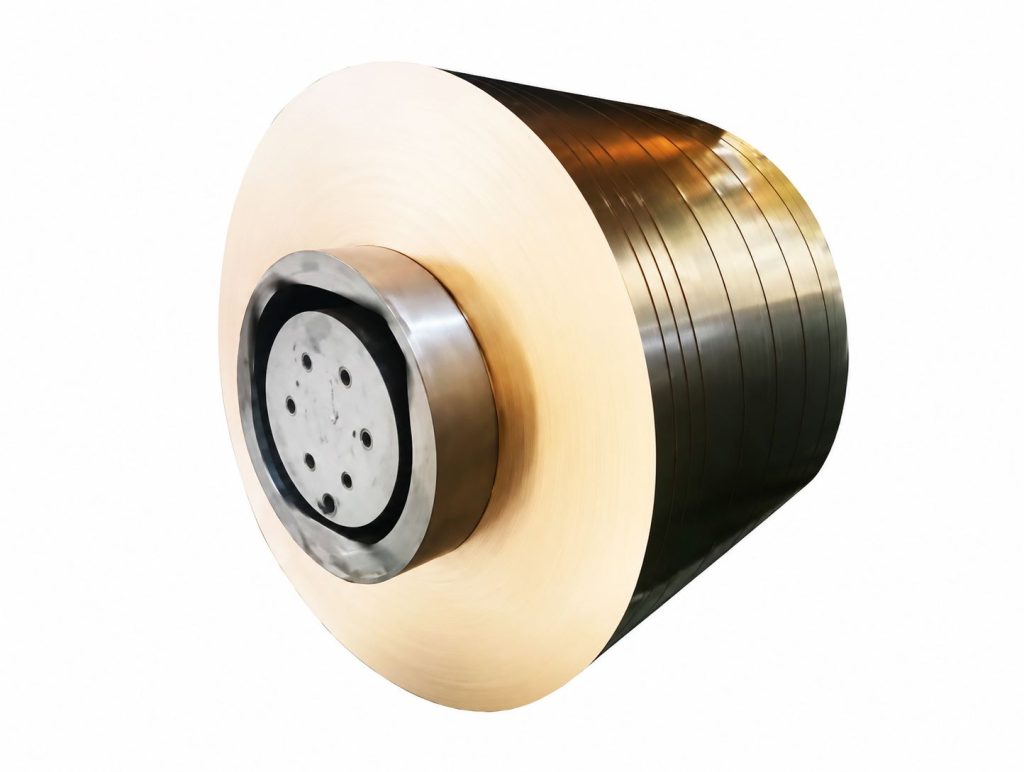
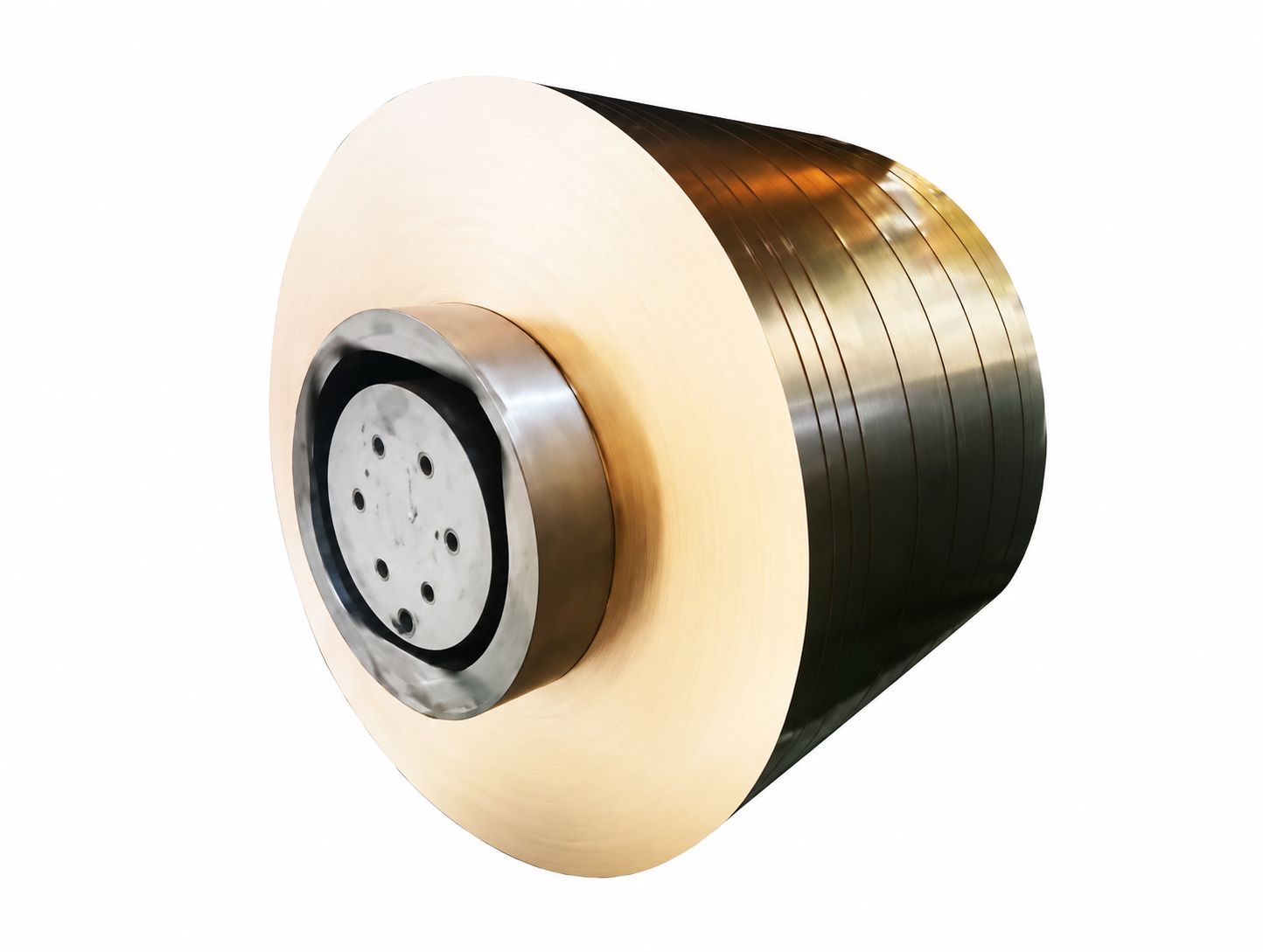
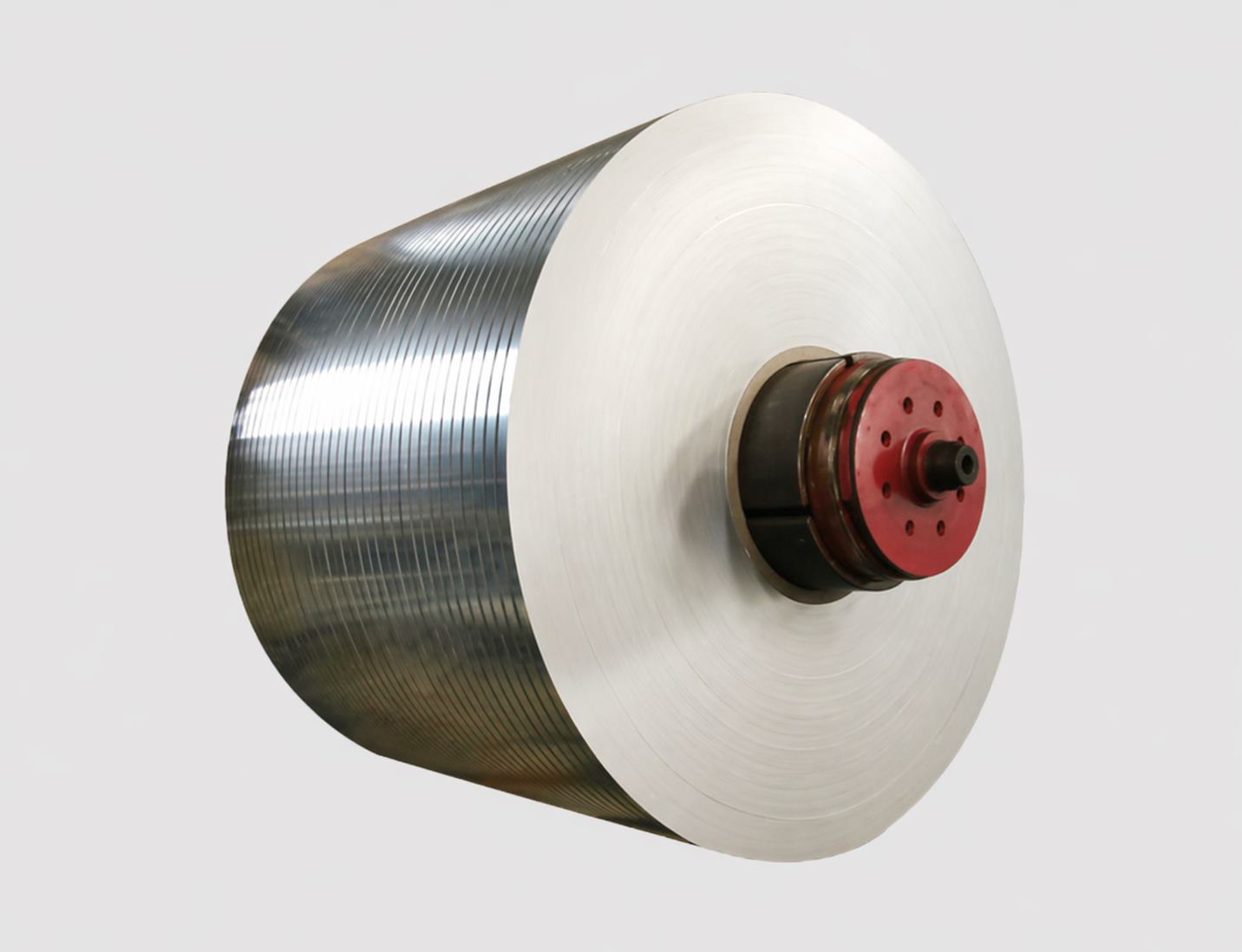
Reel-to-reel etching represents a significant advancement in manufacturing technology. This process allows for continuous etching of materials, which enhances both precision and efficiency. Unlike traditional methods, reel-to-reel etching eliminates the need for molds, enabling rapid prototyping and adjustments. This flexibility is crucial for manufacturers who need to adapt designs quickly.
The precision achieved with reel-to-reel etching is remarkable. You can expect a film etching accuracy of ±0.005mm, which is essential for producing high-quality VCM springs. This level of precision minimizes defects and ensures that each spring meets stringent industry standards.
Here’s a comparison of reel-to-reel etching with traditional stamping in terms of precision:
Feature | Reel-to-Reel Etching | Traditional Stamping |
|---|---|---|
Maximum Precision | ±0.005mm | N/A |
Processing Thickness | 0.01 – 2.0 mm | N/A |
Burr Precision | Zero burr | N/A |
Efficiency Improvement | Significant | N/A |
Cost Reduction | Yes | N/A |
Defect Rate | Lower | N/A |
Benefits for VCM Springs
The benefits of reel-to-reel etching for VCM springs are substantial. This technology not only improves production efficiency but also enhances the overall quality of the springs. Here are some key advantages:
Quick Sample Making: The absence of mold opening allows for faster prototyping and adjustments. You can test designs quickly without lengthy delays.
Zero Burr Precision Products: This ensures high-quality outputs with minimal defects, which is vital for maintaining the integrity of VCM springs.
Maximum Precision: Achieving film etching precision of ±0.005mm enhances accuracy in production, which is crucial for the performance of VCM springs.
Processing Thickness: The capability to handle thicknesses from 0.01 to 2.0 mm accommodates various spring designs, making it versatile for different applications.
Facilitates Subsequent Processes: The technology supports pre-rinse or without-rinse positioning holes, aiding in stamping, bending, electroplating, and molding. This streamlines the production line and reduces overall costs.
Efficiency and Cost Reduction: By significantly improving production efficiency, reel-to-reel etching reduces costs and lowers defect rates, making it a cost-effective solution for manufacturers.
Incorporating reel-to-reel etching into your production line can transform how you manufacture VCM springs. This technology not only enhances durability but also ensures that your products meet the high standards expected in the smartphone industry.
Reel-to-Reel Etching Technology
Precision and Efficiency
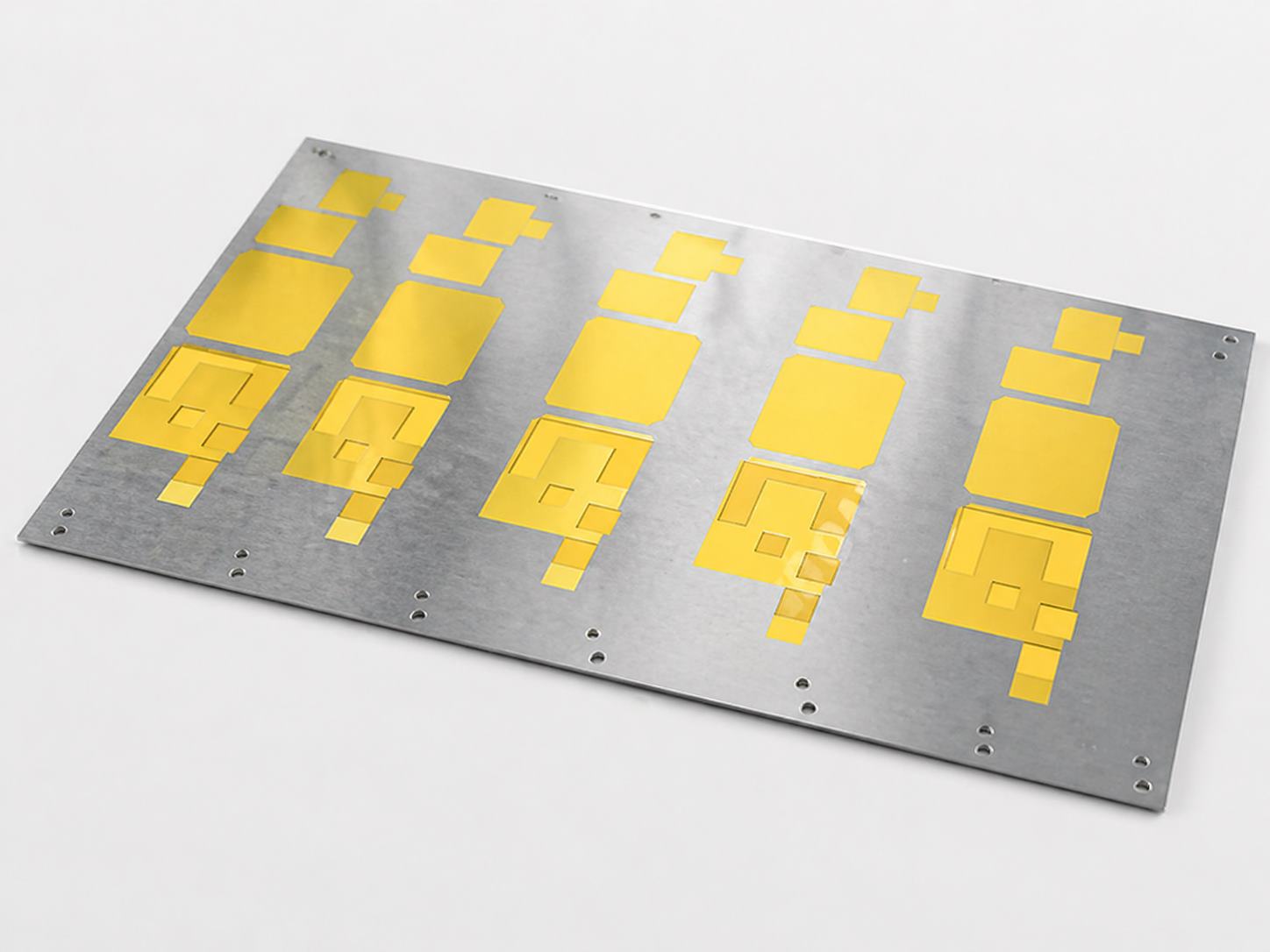
Reel-to-reel etching stands out as a modern manufacturing technique. This process allows for continuous etching, which enhances both precision and efficiency. You can achieve remarkable film etching accuracy of ±0.005mm, ensuring that each VCM spring meets high-quality standards.
Maximum Precision in Film Etching |
|---|
±0.005mm |
This level of precision minimizes defects, which is crucial for maintaining the performance of VCM springs. Additionally, the technology supports processing thicknesses ranging from 0.01mm to 2.0mm, making it versatile for various applications.
Processing Thickness Range |
|---|
0.01 mm to 2.0 mm |
Benefits for VCM Springs
The advantages of reel-to-reel etching for VCM springs are significant. This technology not only improves production efficiency but also enhances the overall quality of the springs. Here are some key benefits:
Rapid Prototyping: You can create samples quickly without the need for mold opening.
Zero Burr Precision: This ensures high-quality outputs with minimal defects.
Versatile Thickness Handling: The ability to process various thicknesses accommodates different spring designs.
Streamlined Production: The technology supports pre-rinse or rinse-free positioning holes, facilitating subsequent processes like stamping and bending.
bonysn’s Reel-to-Reel Etching Capabilities
Bonysn excels in reel-to-reel etching technology. Their process eliminates the need for mold opening, allowing for rapid prototyping and sample production. With a precision level of ±0.005mm, Bonysn guarantees zero burr products. They support processing thicknesses from 0.01mm to 2.0mm, making their technology suitable for a wide range of applications. Furthermore, their sheet material etching includes pre-rinse or rinse-free positioning holes, which significantly improves production efficiency, reduces costs, and lowers defect rates.
Bonysn’s innovative approach positions them as a leader in the manufacturing of high-quality VCM springs, ensuring that your smartphone components remain reliable and durable.
Addressing Spring Fatigue

How Etching Mitigates Fatigue
Reel-to-reel etching plays a vital role in reducing spring fatigue. This advanced technology enhances the structural integrity of VCM springs. By producing components with precise dimensions, you minimize the risk of defects that can lead to fatigue. The zero burr precision ensures that each spring maintains its shape and functionality over time.
Additionally, the continuous etching process allows for uniform material distribution. This uniformity helps distribute stress evenly across the spring, reducing weak points that can lead to failure. As a result, you can expect longer-lasting performance from your smartphone’s camera system.
Real-World Applications
Many manufacturers have adopted reel-to-reel etching to address spring fatigue. For instance, companies in the smartphone industry report improved autofocus performance and reduced repair costs. By using this technology, they can produce springs that withstand the rigors of daily use.
In a recent case study, a leading smartphone manufacturer noted a 30% decrease in spring-related failures after switching to reel-to-reel etching. This improvement not only enhances user satisfaction but also boosts the brand’s reputation for reliability.
As the demand for high-performance smartphones continues to grow, integrating innovative solutions like reel-to-reel etching becomes essential. You can ensure that your devices remain competitive in the market by prioritizing durability and performance.
In summary, reel-to-reel chemical etching significantly enhances the durability of VCM springs. This technology reduces fatigue and improves smartphone reliability. By adopting this innovative solution, you can ensure your devices perform optimally, providing users with a better experience and extending the lifespan of their smartphones. 📱
FAQ
What is reel-to-reel chemical etching?
Reel-to-reel chemical etching is a continuous manufacturing process that precisely etches materials without molds, enhancing efficiency and accuracy.
How does etching improve VCM springs?
Etching improves VCM springs by ensuring precise dimensions, reducing defects, and enhancing structural integrity, which mitigates fatigue.
Can reel-to-reel etching reduce production costs?
Yes, reel-to-reel etching significantly reduces production costs by improving efficiency and lowering defect rates, making it a cost-effective solution.
See Also
Innovative Etching Techniques Revolutionizing Battery Manufacturing Processes
Advanced Plating Solutions Driving US Technology Manufacturing Forward
Exploring Roll-to-Roll Etching Benefits for Future Electronics
Continuous Metal Etching in Vietnam Enhancing OEM Production Lines
Metal Etching in KSA Supporting Sensor Component Manufacturing